Is United Airlines Turbulence Common? Pilot Insights and What You Need to Know
Turbulence is one of the most anxiety-inducing aspects of air travel for many passengers. If you’re a frequent flyer with United Airlines or considering booking a flight, you’ve likely wondered whether turbulence is particularly common on their routes. The good news is that turbulence, while uncomfortable, is a normal and manageable part of aviation. Understanding the facts behind United Airlines flight turbulence can help ease your concerns and allow you to fly with greater confidence.
United Airlines operates one of the largest fleets in North America, serving hundreds of routes daily. With such extensive operations, turbulence experiences vary significantly based on route, season, aircraft type, and weather patterns rather than airline-specific factors. In this comprehensive guide, we’ll explore pilot insights, scientific explanations, and practical strategies to help you understand and manage turbulence on United flights.
Understanding Turbulence: The Science Behind the Bumps
Turbulence occurs when an aircraft encounters unstable air masses. Think of it like driving on a bumpy road—the road itself hasn’t changed, but the surface texture creates movement. In aviation, turbulence can result from several atmospheric conditions: thermal turbulence (rising warm air), wind shear (sudden changes in wind speed or direction), mountain waves (air flowing over mountainous terrain), or jet stream interactions (fast-moving rivers of air in the upper atmosphere).
Clear air turbulence (CAT) is particularly interesting because it occurs in cloudless skies where pilots and weather radar cannot visually detect it in advance. This type is most common near jet streams, especially during winter months when these wind patterns are strongest. Convective turbulence, on the other hand, is associated with thunderstorms and is more predictable through weather monitoring.
United Airlines pilots receive extensive training on recognizing turbulence patterns and taking appropriate action. Modern aircraft are engineered to withstand forces far exceeding what turbulence can deliver. The Federal Aviation Administration (FAA) has established strict safety standards that ensure all commercial aircraft, regardless of airline, can handle extreme turbulence without structural damage.
United Airlines Fleet and Aircraft Stability
United Airlines operates a diverse fleet including Boeing 787 Dreamliners, Boeing 777s, Boeing 767s, Airbus A350s, Airbus A320s, and regional aircraft. Each aircraft type has different turbulence characteristics. Larger, heavier aircraft like the Boeing 777 and Airbus A350 tend to provide smoother rides because their mass absorbs atmospheric disturbances more effectively. Smaller regional jets may feel turbulence more noticeably, though they’re equally safe.
The Boeing 787 Dreamliner, one of United’s flagship aircraft for long-haul international flights, features advanced technology specifically designed to enhance passenger comfort during turbulent conditions. Its flexible wing design and advanced materials allow the aircraft to absorb and dampen turbulent movements better than older aircraft models. The United Airlines official website highlights how their modern fleet investments prioritize passenger experience.
When booking United flights, consider that aircraft type can influence your turbulence experience. Larger international aircraft provide smoother rides on average compared to regional turboprops. If turbulence concerns you significantly, checking the specific aircraft assigned to your flight (usually available 24 hours before departure) can help you make informed decisions about booking timing and seat selection.
” alt=”United Airlines aircraft in flight during sunset with clear skies”>
High-Turbulence Routes and Seasonal Patterns
Certain United Airlines routes experience more frequent turbulence than others. Transcontinental flights crossing the Rocky Mountains or routes over the Pacific Ocean encounter more turbulent conditions, particularly when jet streams are active. The Denver to New York corridor, for instance, frequently experiences mountain wave turbulence due to air flowing over the Rockies.
Winter months (November through March) typically see increased turbulence frequency on many United routes due to stronger jet streams and more active weather systems. Conversely, late spring and early fall generally offer smoother conditions. If you have flexibility in your travel schedule, booking flights during calmer seasons can statistically reduce your turbulence exposure.
International routes present different turbulence patterns. Transatlantic flights may encounter jet stream turbulence, while Pacific routes can experience tropical weather systems. United’s operations spanning multiple hemispheres mean turbulence varies dramatically by route and season. Understanding these patterns helps when planning trips, especially if you’re looking at booking European flights or other long-haul journeys.
Weather forecasting technology allows United dispatchers and pilots to identify likely turbulence areas in advance. Flight planning incorporates real-time atmospheric data, and pilots often request altitude changes to avoid the worst turbulence. Modern routing systems at United Airlines continuously analyze upper-level winds and atmospheric conditions to optimize flight paths for both efficiency and passenger comfort.
Pilot Training and Turbulence Management
United Airlines pilots undergo rigorous training in handling turbulent conditions. All commercial pilots must complete simulator training that includes turbulence scenarios, emergency procedures, and decision-making under stress. United’s training programs exceed FAA minimums, emphasizing both safety and passenger comfort.
Experienced pilots develop intuitive understanding of atmospheric conditions that cause turbulence. They monitor weather radar, satellite imagery, and pilot reports (PIREPs) from other aircraft sharing the same airspace. When encountering unexpected turbulence, pilots have several tools at their disposal: reducing airspeed (which decreases the aircraft’s sensitivity to atmospheric disturbances), requesting altitude changes to find smoother air, or adjusting course to avoid weather systems.
Pilot communication is crucial for turbulence management. When one United flight encounters severe turbulence, pilots transmit reports that help subsequent flights adjust their flight plans. This cooperative system across airlines and the aviation community ensures that turbulence information continuously improves safety and comfort for all passengers. The International Civil Aviation Organization (ICAO) maintains standards for these reporting protocols.
United Airlines’ pilot hiring standards emphasize experience and judgment. Many United captains have 15,000+ flight hours, providing deep experience in reading atmospheric conditions and making optimal decisions during turbulent encounters. This expertise translates directly to better passenger experiences and enhanced safety outcomes.
Safety Record and Turbulence Statistics
United Airlines maintains an excellent safety record. According to aviation safety databases, turbulence-related incidents on United flights are exceptionally rare, and serious injuries from turbulence are even rarer. The airline’s comprehensive safety culture, advanced aircraft maintenance, and pilot expertise combine to create one of the safest flying experiences available.
Statistical analysis shows that turbulence severity follows predictable patterns. Light turbulence (the most common type) causes minor discomfort but poses no safety risk. Moderate turbulence is uncomfortable and may require temporary service interruptions, but again, poses no structural or safety concerns. Severe turbulence, which is rare on commercial flights, can cause injury to unrestrained passengers but cannot damage modern aircraft.
The National Transportation Safety Board (NTSB) tracks all aviation incidents in the United States. Data consistently shows that turbulence-related accidents are virtually non-existent in commercial aviation. The structural strength of modern aircraft far exceeds any turbulence forces encountered in normal operations. Fatalities from turbulence on commercial aircraft are extraordinarily rare—occurring perhaps once per several million flights.
When comparing best airlines for frequent flyers, safety records across major carriers including United are remarkably similar and excellent. The variability in turbulence experience relates to routes and weather patterns rather than airline-specific factors.

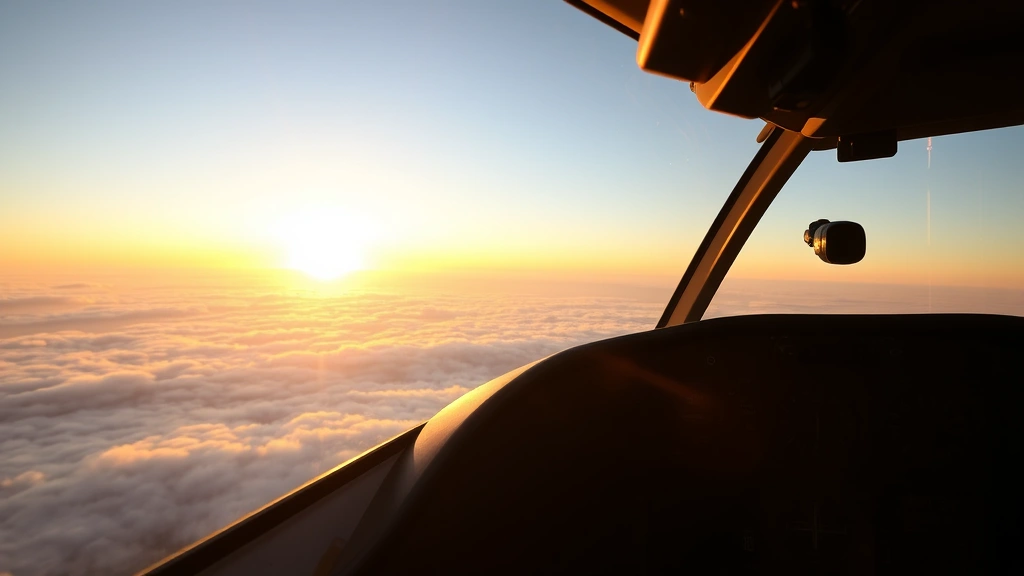
” alt=”Cockpit view during sunrise with clear weather conditions ahead”>
Practical Strategies to Handle Turbulence
If turbulence concerns you, several evidence-based strategies can help. First, educate yourself about the science behind turbulence. Understanding that it’s a normal atmospheric phenomenon and that aircraft are specifically engineered to handle it can significantly reduce anxiety. Many passengers find that knowledge transforms fear into manageable discomfort.
Seat selection matters more than many realize. Seats over the wings experience less motion than seats in the rear or front of the aircraft. On United flights, requesting a seat in the middle sections of the cabin provides the smoothest ride. When booking through United’s website or seat selection tools, prioritizing these locations can improve your turbulence experience.
During your flight, maintain perspective. Pilots adjust altitude and course specifically to find smoother air. If you experience turbulence, it’s temporary—pilots are actively working to minimize it. Focusing on your breathing, listening to music, or engaging in activities that capture your attention can help manage anxiety during bumpy periods.
For essential tips for long haul flights, turbulence management becomes increasingly important. On extended flights, turbulence encounters are more likely simply due to flight duration. However, the same principles apply: proper seat selection, staying hydrated, and maintaining realistic expectations about turbulence all contribute to a better overall experience.
Consulting with flight crew members is always appropriate. United Airlines cabin crew members have extensive training in passenger safety and comfort. They can provide reassurance, explain what’s happening during turbulent conditions, and help you feel more secure. Never hesitate to ask questions or express concerns to flight attendants.
Consider whether anxiety about turbulence significantly impacts your willingness to fly. If so, speaking with a mental health professional about aviation anxiety can be valuable. Cognitive behavioral therapy and other approaches have proven effective for flight anxiety, allowing people to reclaim the freedom and opportunity that air travel provides.
For airlines key information and tips for travelers, understanding turbulence patterns by route helps with planning. Checking historical weather patterns for your intended travel dates and routes can provide insight into likely turbulence frequency. United’s flight planning tools sometimes include weather trend information that helps passengers make informed booking decisions.
FAQ
Is turbulence more common on United Airlines than other carriers?
No. Turbulence frequency depends on route, weather patterns, and season—not on the airline. All major carriers including United, American, and Delta encounter similar turbulence patterns on comparable routes. The airline’s safety systems and pilot expertise ensure passengers are well-protected regardless of turbulence frequency.
Can turbulence cause an aircraft to crash?
No. Modern aircraft are engineered to withstand turbulence forces far exceeding what nature produces. Turbulence may be uncomfortable, but it cannot damage aircraft structures or cause crashes. The FAA’s strict certification standards ensure all commercial aircraft meet rigorous strength requirements.
What’s the difference between light, moderate, and severe turbulence?
Light turbulence causes minor discomfort but doesn’t interrupt service. Moderate turbulence is noticeably uncomfortable and may require flight attendants to remain seated and suspend service. Severe turbulence causes difficulty maintaining balance and can injure unrestrained passengers, but it’s rare on commercial flights. Extreme turbulence is virtually non-existent in commercial aviation.
Should I choose a different airline to avoid turbulence?
No. Turbulence is an atmospheric phenomenon affecting all airlines equally on the same routes. Choosing different airlines won’t reduce your turbulence exposure. Instead, focus on route selection, seasonal timing, and seat positioning to optimize your experience.
How can I find out if my United flight will experience turbulence?
While specific turbulence cannot be predicted days in advance, you can check historical weather patterns for your route and travel dates. Weather forecasts 3-5 days before your flight provide better turbulence predictions. Pilots receive real-time updates and adjust flight paths accordingly, so even predicted turbulence may be minimized.
Do larger United aircraft experience less turbulence?
Larger aircraft don’t experience less turbulence, but passengers feel it less noticeably because the aircraft’s mass absorbs disturbances more effectively. A Boeing 777 will feel smoother than a regional jet in the same turbulent conditions, though both are equally safe.
Is it safe to fly during turbulent weather?
Yes. United Airlines and all commercial carriers only operate flights when conditions are safe. Weather monitoring systems continuously track atmospheric conditions. If conditions become unsafe, flights are delayed or cancelled. Turbulence, while uncomfortable, is not a safety concern for modern aircraft.
Understanding turbulence on United Airlines flights transforms anxiety into informed perspective. By recognizing that turbulence is a normal, manageable aspect of aviation, you can focus on the remarkable opportunity that air travel provides. Visit the SkyVoyage Hub Blog for more insights into making your flights more comfortable and enjoyable. Whether you’re a nervous flyer or a seasoned traveler, the combination of modern aircraft technology, expert pilot training, and comprehensive safety systems ensures that United Airlines provides a secure and increasingly comfortable flying experience, turbulence and all.