United Flight Door Alert: Safety Protocols Explained
When a door alert occurs on a United flight, whether traveling from Denver to Hawaii or any other route, it triggers a carefully orchestrated sequence of safety procedures designed to protect all passengers and crew members on board. Understanding these protocols provides valuable insight into how modern aviation maintains its exceptional safety record, even when unexpected situations arise during flight operations.
The aviation industry, including major carriers like United Airlines, operates under strict regulatory frameworks established by the Federal Aviation Administration (FAA). These frameworks ensure that every aircraft system, including door mechanisms and alert systems, undergoes rigorous testing and maintenance. A door alert doesn’t necessarily indicate a catastrophic failure—rather, it represents the system working exactly as intended, detecting an anomaly and alerting the flight crew to investigate.
For travelers concerned about flight safety on routes like United’s popular Denver to Hawaii service, knowing how these safety systems work can significantly reduce anxiety and build confidence in air travel. This comprehensive guide explores the mechanics of door alerts, the crew’s response protocols, and what passengers should expect when such an alert occurs during their flight.
Understanding Door Alert Systems on United Aircraft
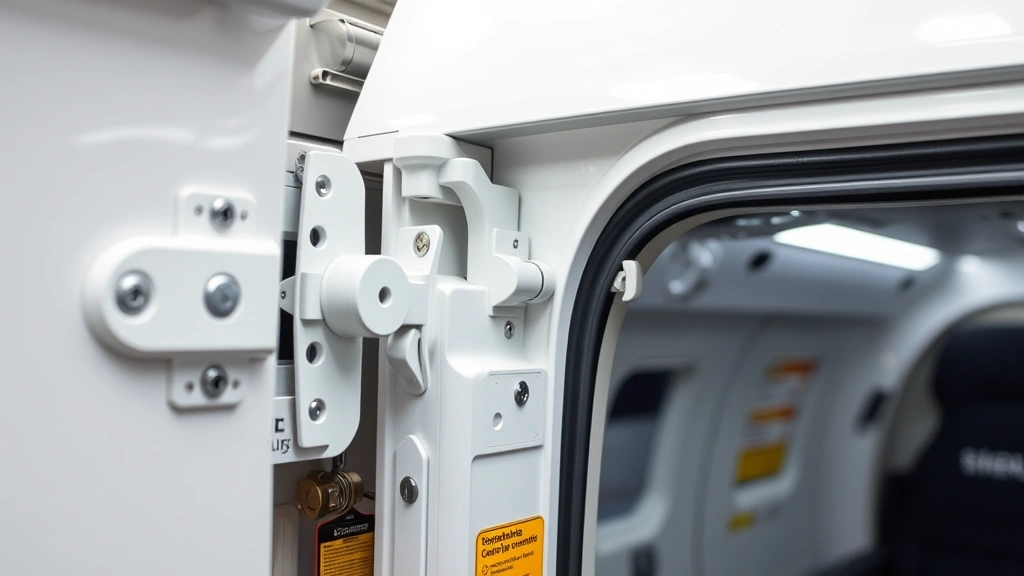
United Airlines operates a diverse fleet of aircraft, each equipped with sophisticated door monitoring systems that continuously check the integrity and proper functioning of all cabin and cockpit doors. Modern aircraft, particularly Boeing 737s, 767s, and Airbus A320 family jets commonly used on routes from Denver to Hawaii, feature redundant door sensors that detect even minute deviations from proper closure positions.
These alert systems represent decades of aviation engineering advancement. Each door on a United aircraft contains multiple sensors that monitor pressure differentials, mechanical locking positions, and electronic signals confirming secure closure. When any sensor detects an inconsistency—whether it’s a door not fully latched, a sensor malfunction, or environmental factors affecting readings—the system automatically alerts the flight crew through visual and auditory indicators in the cockpit.
The door alert system is separate from the aircraft’s primary flight control systems, meaning an alert doesn’t compromise the plane’s ability to fly safely. In fact, the redundancy built into these systems ensures that even if one sensor fails, others continue monitoring and will trigger an alert if there’s a genuine problem. This layered approach to safety is fundamental to why commercial aviation remains statistically safer than driving a personal vehicle.
When you board a United flight heading to Hawaii or any destination, the aircraft you’re flying on has already passed multiple pre-flight inspections that specifically verify door systems are functioning correctly. Pilots conduct walk-around inspections, maintenance crews run diagnostic checks, and the aircraft’s onboard systems continuously self-monitor throughout the flight.

Types of Door Alerts and Their Meanings
Not all door alerts are identical, and understanding the different types helps explain why some alerts result in immediate diversions while others allow flights to continue with enhanced monitoring. United flight crews are trained to distinguish between various alert categories, each with specific response protocols.
Cockpit Door Alerts receive the most immediate attention because the cockpit door is critical to security and safety. If the cockpit door alert system indicates a potential issue, the flight crew will immediately verify the door’s status, often checking it physically or through the door’s intercom system. Most cockpit door alerts result from sensor anomalies rather than actual mechanical failures.
Cabin Door Alerts typically involve the main entry/exit doors or emergency exit doors. These alerts might indicate that a door isn’t fully sealed, the locking mechanism hasn’t engaged properly, or a sensor is reading inconsistent data. Cabin door alerts are taken seriously, but they don’t necessarily pose immediate danger if the aircraft is already at cruise altitude and pressurized.
Cargo Door Alerts, though less common on passenger aircraft, represent a different category of concern. Historical incidents involving cargo door failures have led to enhanced monitoring and redundant systems specifically designed to prevent such occurrences. Modern United aircraft have multiple safeguards preventing cargo doors from opening in flight.
The severity of response depends on when the alert occurs. A door alert during takeoff or landing—critical phases of flight—receives more urgent attention than an alert at cruise altitude. Similarly, an alert that suggests a complete door failure gets different treatment than one indicating a sensor malfunction. Flight crews use their extensive training and checklists to differentiate these scenarios and respond appropriately.
Immediate Crew Response Procedures
The moment a door alert illuminates in the cockpit, United flight crews follow established procedures documented in the aircraft’s operating manual. These procedures prioritize gathering information before taking action, ensuring that the response matches the actual severity of the situation.
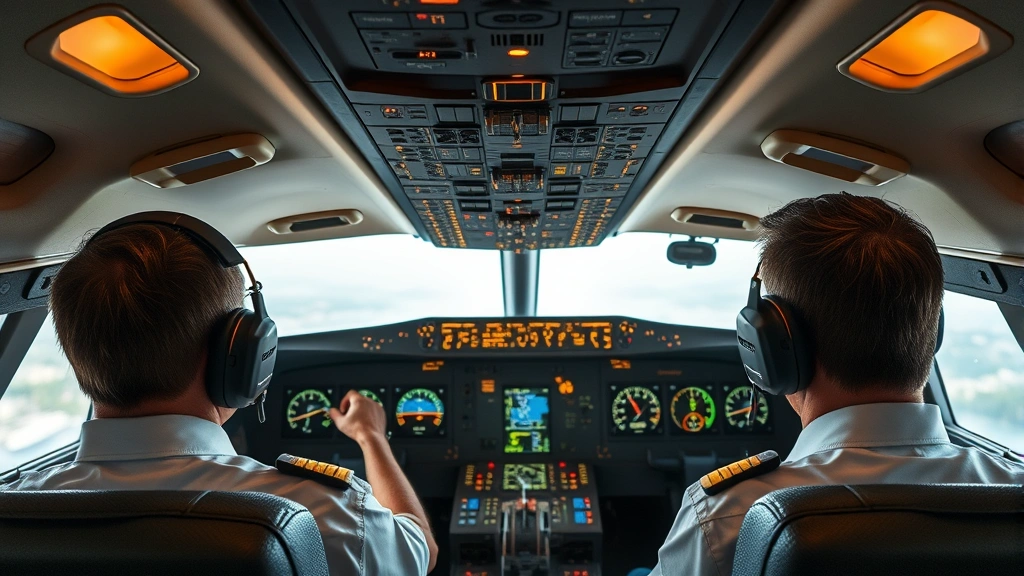
The first step involves the flight crew acknowledging the alert and reviewing the specific indication. Modern cockpits display detailed information about which door triggered the alert and what specific parameter is out of normal range. Is the door not fully latched? Is a sensor reading abnormal? Is there a pressure differential that shouldn’t exist? This diagnostic information guides the crew’s next actions.
For doors accessible from the cockpit or cabin, crew members may physically inspect the door to visually confirm its status. For doors not directly visible, such as cargo doors on larger aircraft, crews rely on the instrument readings and may request ground support or maintenance input. Throughout this process, the flight crew maintains communication with air traffic control, informing controllers of the situation and their intended course of action.
If a door alert suggests a genuine mechanical problem rather than a sensor malfunction, the flight crew will typically declare an emergency or urgency, depending on severity, and request priority handling from air traffic control. This might involve requesting immediate descent, priority landing at a nearby airport, or diversion to the nearest suitable airport. These decisions are made by the pilot in command, who weighs the specific situation against established safety protocols and company procedures.
United Airlines, like all major carriers, emphasizes that safety always takes precedence over schedule. If a door alert cannot be resolved satisfactorily while airborne, the flight will land at the nearest appropriate airport, even if it means significant delays and inconvenience to passengers. This commitment to safety is why United maintains such a strong safety record on all its routes, from regional flights to long-haul Hawaii service from Denver.
Passenger Safety During Door Alerts
Passengers often worry about what happens during a door alert, wondering if they’re in danger. Understanding the safety implications can significantly reduce anxiety and help travelers remain calm during these situations.
Once an aircraft reaches cruise altitude and the cabin is pressurized, the aircraft itself creates a sealed environment. The air pressure inside the cabin is maintained by the aircraft’s pressurization system, which automatically compensates for the thin air at high altitude. Even if a door isn’t perfectly sealed, the pressurization system works to maintain cabin pressure. Multiple safety systems would alert the crew long before cabin pressure became a concern.
The structural integrity of a modern aircraft means that individual door malfunctions don’t compromise the plane’s ability to fly. Aircraft are designed with fail-safe principles—if one system fails, redundant systems take over. A door alert triggers investigation and corrective action, but it doesn’t mean the aircraft is suddenly unsafe.
When you’re flying United from Denver to Hawaii or on any other route and a door alert occurs, the safest action is to remain seated, follow crew instructions, and trust the training and expertise of the flight crew. Crew members are trained extensively for handling these situations and will communicate with passengers if the situation requires passenger awareness or action.
Many door alerts resolve themselves or are determined to be sensor malfunctions once the crew investigates. In these cases, flights continue to their destination with the crew maintaining enhanced monitoring of the affected system. Passengers may not even be aware that an alert occurred, as crews sometimes handle these situations discreetly to avoid unnecessary concern.
Communication Protocols with Air Traffic Control
When a United flight experiences a door alert, the pilot in command immediately considers whether to notify air traffic control. This decision depends on the severity and nature of the alert.
For alerts that the crew believes are sensor malfunctions or minor issues that don’t affect flight safety, pilots may continue normal operations without declaring any emergency status. They’ll still monitor the system closely and may request a lower altitude to reduce stress on aircraft systems, but the flight continues normally from an air traffic control perspective.
For alerts suggesting more serious issues, pilots declare an “urgency” or “emergency” status with air traffic control. An urgency declaration indicates a situation that requires priority handling but isn’t immediately life-threatening. An emergency declaration indicates a situation that poses potential danger and requires immediate priority handling. These declarations automatically alert ground personnel, emergency services, and other aircraft in the vicinity that something requires heightened attention.
Air traffic control responds to emergency or urgency declarations by giving the aircraft priority handling, clearing other traffic out of the way, and preparing the destination airport for a potential emergency landing. Emergency equipment may be positioned at the airport, and emergency personnel alerted to stand by. This coordinated response ensures that if a diversion becomes necessary, the aircraft lands safely with all available support.
The communication between United pilots and air traffic control during a door alert situation is professional, detailed, and focused on ensuring safe resolution. Controllers receive regular training on handling aircraft emergencies and understand the procedures pilots follow. This coordination has proven effective across thousands of flights daily, making air travel remarkably safe.
Post-Alert Procedures and Flight Continuation
After a door alert occurs and the crew determines the appropriate response, several outcomes are possible depending on what they discover.
System Reset and Monitoring: If the crew determines the alert resulted from a sensor glitch or temporary malfunction, they may reset the system and continue the flight while maintaining enhanced monitoring. Modern aircraft allow crews to acknowledge alerts and continue operations safely when the underlying issue poses no safety risk.
Reduced Speed Operations: Some door issues require the aircraft to operate at reduced speeds to minimize stress on the affected system. A flight might continue to its destination but at a slightly lower cruise speed, adding time to the journey but maintaining safety margins.
Immediate Diversion: If the crew cannot determine that the alert is a false alarm, or if inspection suggests a genuine mechanical problem, they’ll divert to the nearest suitable airport. For a United flight from Denver to Hawaii experiencing a serious door alert, this might mean diverting to a West Coast airport rather than continuing over open ocean.
Emergency Landing: In rare cases where a door alert suggests imminent danger, the crew may declare an emergency and request immediate landing at any suitable airport. These situations trigger full emergency response procedures, with emergency vehicles standing by and emergency personnel ready to assist.
After landing, the affected aircraft is thoroughly inspected by maintenance technicians. They’ll examine the door mechanism, test all sensors, and determine the root cause of the alert. The aircraft won’t return to service until maintenance confirms that all issues are resolved and systems are functioning normally. This commitment to thorough investigation ensures that the same problem doesn’t recur on subsequent flights.
Maintenance and Prevention Measures
United Airlines invests heavily in preventive maintenance programs designed to catch potential door issues before they trigger alerts during flight. These programs represent best practices across the aviation industry, informed by decades of operational experience and continuous safety improvements.
Every United aircraft undergoes regularly scheduled maintenance checks at intervals determined by flight hours, calendar days, and flight cycles. These checks include detailed inspection of all door mechanisms, sensors, and associated systems. Maintenance technicians follow detailed procedures documented in the aircraft manufacturer’s maintenance manual, ensuring consistency and thoroughness across United’s fleet.
Predictive maintenance technologies increasingly allow airlines to identify components approaching the end of their service life before they fail. Sensors monitor door mechanism operation, recording data about stress, wear patterns, and performance trends. When data suggests a component should be replaced preventively, maintenance schedules the replacement during a planned maintenance visit rather than waiting for failure.
United also participates in industry-wide safety initiatives through organizations like the International Civil Aviation Organization (ICAO), which shares safety data and best practices among airlines worldwide. When one airline experiences a door-related incident, the information is shared with other carriers, allowing the entire industry to learn and implement preventive measures.
Training represents another critical prevention component. United flight crews receive recurrent training on door system operation, alert procedures, and emergency response. Maintenance technicians receive specialized training on aircraft-specific systems. This continuous emphasis on training ensures that personnel remain current with procedures and can respond effectively to any situation.
Comparing Safety Standards Across Airlines
When considering air travel safety, many passengers compare safety records across different airlines. All commercial airlines operating in the United States must meet the same FAA regulatory standards, which establish minimum requirements for aircraft maintenance, crew training, and operational procedures.
United Airlines, as one of the “Big Three” U.S. carriers alongside American and Delta, operates under these strict regulations and maintains safety standards that meet or exceed FAA requirements. The airline’s door alert response procedures are comparable to those used by other major carriers, reflecting industry-wide consensus on best practices for handling these situations.
When comparing airlines, passengers should consider that larger carriers like United typically operate more aircraft and accumulate more flight hours, which provides more statistical data about safety performance. A door alert that occurs on a United flight from Denver to Hawaii follows the same fundamental safety protocols that would apply on any commercial flight.
For travelers interested in learning more about comparing airlines for long-distance travel, resources like Airline Quality Ratings provide detailed analysis of safety records, operational reliability, and customer service across carriers. These resources show that major carriers including United maintain excellent safety records, with differences more likely to appear in customer service metrics than safety performance.
The consistency of safety standards across major airlines means that when choosing between carriers for a Denver to Hawaii flight or any other route, safety should not be a differentiating factor. Instead, passengers can choose based on schedule convenience, price, frequent flyer benefits, or other preferences, confident that all major carriers maintain rigorous safety standards.
FAQ
What does a door alert mean on a United flight?
A door alert indicates that the aircraft’s door monitoring system has detected an anomaly in a door’s status, such as improper closure, sensor malfunction, or pressure differential. It doesn’t necessarily indicate a dangerous situation—the system is functioning as designed by detecting and alerting the crew to investigate.
Will a door alert cause a flight to be diverted?
Not necessarily. Many door alerts result from sensor malfunctions or minor issues that the crew can resolve or monitor safely. Diversion occurs only if the crew determines that the door issue poses a safety risk that cannot be managed at cruise altitude.
Is it safe to fly if my flight experienced a door alert?
Yes. Modern aircraft are designed with redundant safety systems specifically to handle individual component failures. A door alert triggers investigation and corrective action, but it doesn’t compromise the aircraft’s fundamental ability to fly safely.
How often do door alerts occur on commercial flights?
Door alerts occur occasionally on commercial flights but represent a small fraction of total flight operations. Most alerts result from sensor issues rather than actual mechanical failures. The frequency of alerts across United’s fleet is monitored as part of the airline’s safety management system.
What should I do if I experience a door alert during my flight?
Remain seated, follow crew instructions, and remain calm. The flight crew is trained to handle these situations and will communicate with passengers if necessary. Trust the expertise of the crew and the safety systems that detected and triggered the alert.
Can a door open during flight if there’s a door alert?
No. Aircraft doors are designed with multiple mechanical and structural safeguards that prevent them from opening in flight, regardless of sensor status. The pressurization system and structural design of the aircraft provide additional protection against catastrophic door failures.
How do United’s safety procedures compare to other airlines?
All major U.S. carriers including United must meet identical FAA safety standards. Door alert response procedures follow industry-wide best practices, making safety protocols comparable across major airlines. When selecting an airline based on best airlines for long flights, safety records are consistently strong across major carriers.
What happens after a door alert is resolved?
If the crew determines the alert was a false alarm, they continue to the destination while monitoring the system. If a genuine issue is found, the aircraft diverts to the nearest suitable airport for maintenance inspection. The aircraft undergoes thorough testing before returning to service.