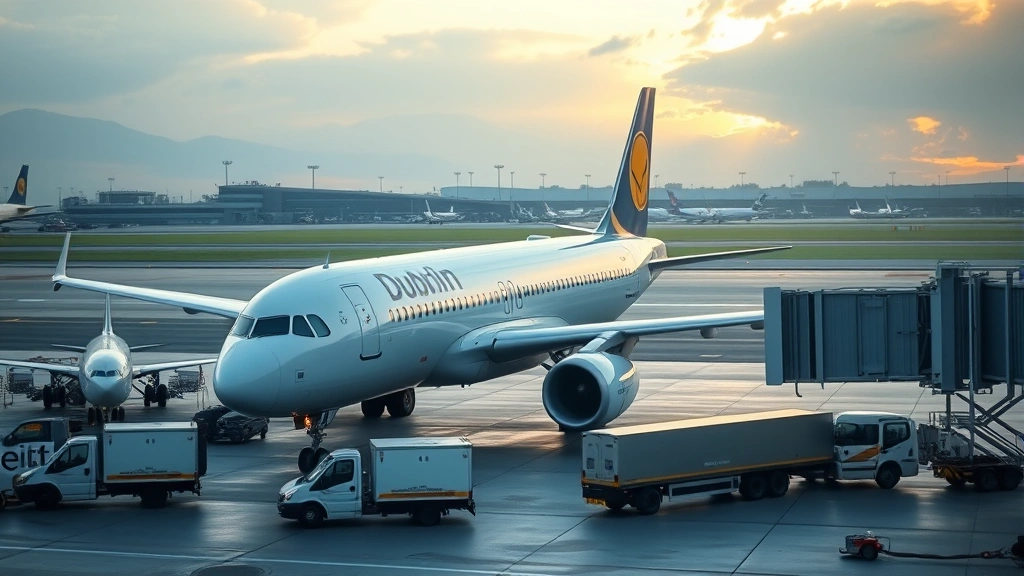
Top Aircrew Flight Equipment: Expert Guide for Pilots and Aviation Professionals
Aircrew flight equipment represents the essential gear that keeps pilots, flight attendants, and aviation professionals safe, comfortable, and operational during their duties. Whether you’re a commercial airline pilot navigating international routes, a military aviator executing critical missions, or a flight attendant managing passenger safety, the right equipment can make the difference between a routine flight and a challenging emergency situation. Understanding what constitutes professional-grade aircrew flight equipment helps both aviation professionals and travelers appreciate the sophisticated systems protecting them at 35,000 feet.
The aviation industry maintains rigorous standards for aircrew equipment, with regulatory bodies like the Federal Aviation Administration (FAA) and the European Union Aviation Safety Agency (EASA) establishing comprehensive requirements. These standards ensure that every piece of equipment—from oxygen masks to flight suits—meets stringent safety, durability, and performance criteria. As an experienced travel and aviation enthusiast, I’ve researched extensively into the gear that keeps our skies safe, and I’m excited to share this comprehensive guide with fellow aviation professionals and curious travelers.
Essential Oxygen Systems and Respiratory Equipment
Oxygen systems represent perhaps the most critical component of aircrew flight equipment, particularly for high-altitude operations. Commercial pilots operating pressurized aircraft rely on sophisticated oxygen delivery systems that automatically activate if cabin pressure drops below safe levels. These systems include portable oxygen bottles, quick-donning masks, and integrated helmet oxygen connections that ensure crew members can breathe safely during depressurization emergencies or when the aircraft climbs beyond safe altitudes for humans.
The modern oxygen mask has evolved dramatically from its early aviation days. Today’s masks feature:
- Quick-donning designs that pilots can secure in seconds without removing their headsets
- Microphone integration allowing continuous communication during oxygen usage
- Anti-fogging technology that prevents condensation from obscuring vision
- Pressure demand regulators that automatically adjust oxygen flow based on altitude
- Emergency backup systems providing oxygen if primary systems fail
Commercial airlines maintain oxygen systems that can sustain crew members for extended periods, allowing time for the aircraft to descend to breathable altitudes. The FAA requires commercial aircraft to carry supplemental oxygen for all crew members, with specific requirements based on aircraft pressurization capabilities and flight altitude profiles. When exploring airlines key information and tips for travelers, understanding these safety systems provides valuable context for passenger safety protocols.
Flight Suits and Protective Clothing
Flight suits serve multiple critical functions beyond simple uniform requirements. Modern aircrew flight suits provide thermal protection, fire resistance, and specialized pockets for equipment access. Commercial pilots typically wear business casual attire, but military and specialized aviation personnel depend on flight suits designed with advanced materials that protect against extreme temperatures, flames, and harsh environmental conditions.
Quality flight suits incorporate:
- Nomex or other fire-resistant materials that protect skin during emergencies
- Ergonomic design with articulated panels for comfortable movement during extended flight operations
- Multiple utility pockets strategically positioned for quick access to essential tools and instruments
- Durable stitching capable of withstanding frequent washing and wear
- Reflective patches improving visibility during nighttime operations or emergency evacuations
Beyond suits, aircrew members wear specialized footwear designed for aviation environments. Flight boots provide ankle support for extended standing in turbulence, feature non-slip soles for aircraft decks, and often include fire-resistant materials. Gloves represent another essential component, offering protection from extreme temperatures encountered during high-altitude flight or emergency situations. Winter flight operations require specialized cold-weather gear that maintains dexterity while providing essential thermal protection.
Helmets and Head Protection Gear
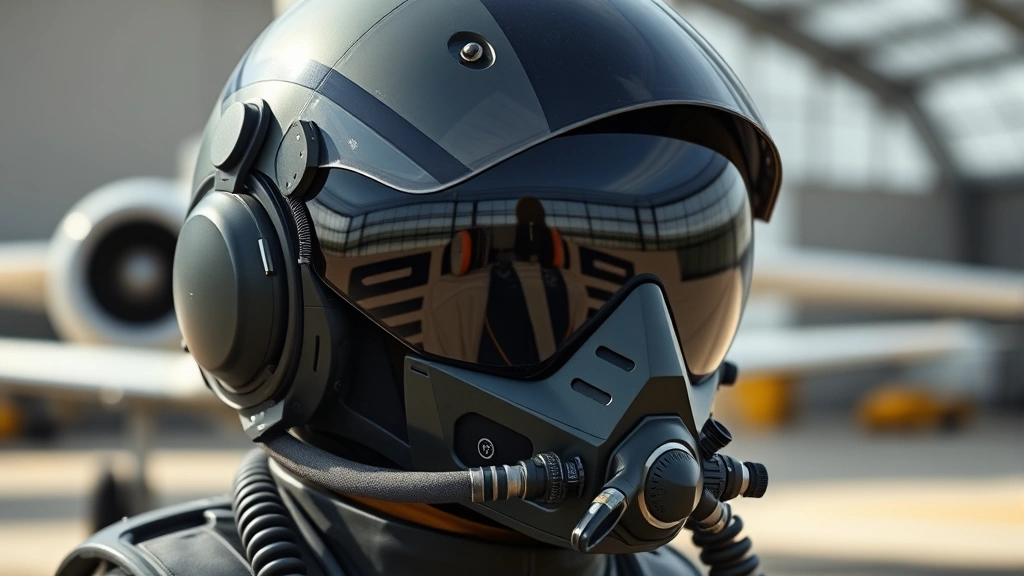
Aviation helmets have transformed dramatically since the early days of flight. Modern aircrew helmets integrate communication systems, oxygen connections, and protective features that earlier aviators couldn’t have imagined. Military and helicopter pilots typically wear advanced helmets equipped with integrated displays, night vision mounts, and sophisticated communication systems.
Commercial airline pilots generally don’t wear helmets during normal operations, but the equipment remains essential for:
- Military and combat aviation where ballistic protection is necessary
- Helicopter operations where crash protection is critical
- Test pilots conducting experimental aircraft evaluations
- Emergency situations where head protection becomes vital
Modern aviation helmets feature lightweight composite materials that provide exceptional protection while minimizing neck strain during extended wear. The integration of communication systems directly into helmets eliminates the need for separate headsets, streamlining crew coordination and reducing equipment clutter in confined cockpit spaces.
Navigation and Communication Devices
Communication equipment represents the lifeline connecting aircrew members with air traffic control, other aircraft, and ground personnel. Modern aviation communication systems operate on dedicated frequencies with exceptional clarity and reliability standards. Headsets represent the primary interface, featuring:
- Dual-ear designs for stereo communication and situational awareness
- Noise-cancelling microphones that filter cockpit noise while capturing pilot speech clearly
- Boom microphones positioned for consistent audio pickup regardless of head movement
- Push-to-talk buttons integrated into control yokes or armrests for hands-free operation
- Volume controls allowing pilots to adjust communication levels independently
Modern navigation equipment has shifted from mechanical instruments to sophisticated glass cockpit displays. However, backup navigation systems remain essential, including portable GPS units and traditional magnetic compasses. When considering best airlines for frequent flyers, understanding the sophisticated navigation systems these carriers maintain demonstrates their commitment to safety and operational excellence.
Flight management systems allow pilots to program complex flight routes, calculate fuel requirements, and monitor aircraft performance throughout the flight. These systems integrate weather radar, terrain awareness warning systems, and traffic collision avoidance systems that collectively provide comprehensive situational awareness. Portable electronic devices like tablet-based flight planning applications supplement official systems, offering pilots additional resources for flight planning and weather analysis.
Survival and Emergency Equipment
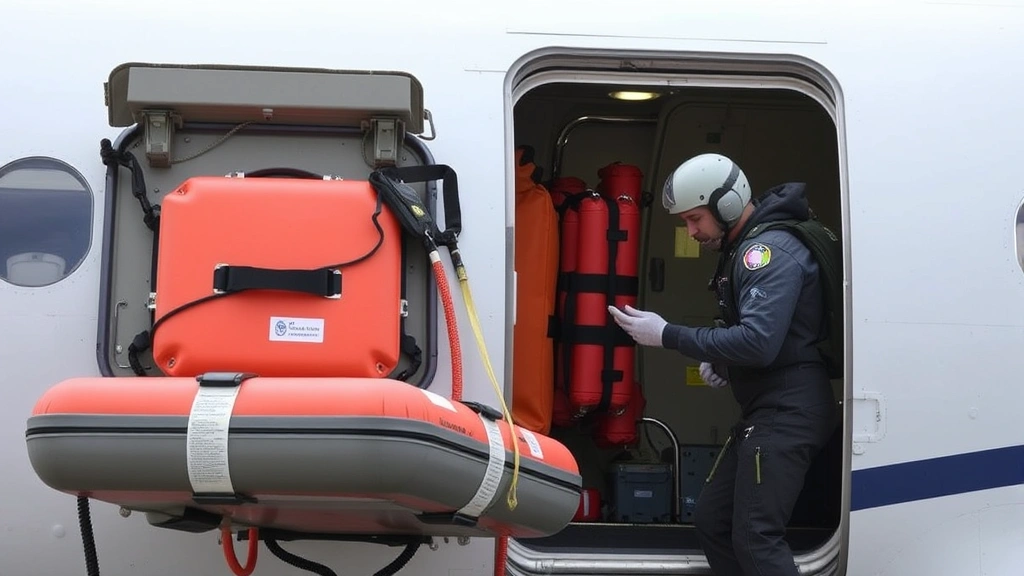
Survival equipment becomes critically important for crews operating over water, remote terrain, or hostile environments. Commercial aircraft carry survival kits specifically designed for different operational scenarios. These kits typically include:
- Life jackets for all crew members, with automatic or manual inflation options
- Life rafts capable of supporting the entire crew complement
- Emergency signaling equipment including flares, mirrors, and electronic beacons
- First aid supplies for trauma management and medical stabilization
- Water and rations providing sustenance during extended survival situations
- Protective clothing for extreme climate survival
Emergency flotation devices have evolved significantly from early aviation. Modern life jackets feature lightweight materials, compact storage, and rapid deployment mechanisms. Advanced models include integrated lighting, reflective materials, and specialized designs for different body types and aircraft environments. When understanding airline luggage size restrictions, it’s worth noting that survival equipment operates under different regulations, ensuring carriers maintain adequate emergency resources without compromising passenger comfort.
Fire suppression equipment ranks among the most critical survival tools. Cockpit fire extinguishers feature quick-access designs allowing pilots to address fires while maintaining flight control. Different extinguisher types address specific fire scenarios—Class A for ordinary combustibles, Class B for flammable liquids, and Class C for electrical fires. Cabin crew receive extensive training on fire suppression protocols, equipment location, and evacuation procedures.
Specialized Equipment for Different Aircraft Types
Different aircraft categories require specialized equipment tailored to their operational environments. Commercial jet pilots utilize equipment optimized for high-altitude, high-speed operations, while helicopter crews depend on equipment designed for lower-altitude, more variable flight conditions.
Commercial Transport Aircraft Equipment:
- Pressurized oxygen systems for sustained high-altitude operations
- Advanced electronic flight displays and autopilot systems
- Sophisticated weather radar and terrain avoidance systems
- Long-range communication systems including satellite phones
- Emergency equipment designed for extended over-water operations
Helicopter-Specific Equipment:
- Rescue hoist systems for emergency personnel deployment
- Specialized helmets with communication and night vision integration
- Crash-resistant seats with enhanced protection
- Equipment designed for rapid deployment in emergency scenarios
- Specialized flotation systems for water operations
Military Aviation Equipment:
- Ejection seats with integrated parachute systems
- Ballistic protection in helmets and flight suits
- Advanced targeting and navigation systems
- Specialized oxygen systems for extreme altitude operations
- Equipment designed for rapid mission changes and adverse environments
Exploring the best times to book airline tickets and understanding different aircraft types helps travelers appreciate how carriers invest in specialized equipment for their fleets. Different aircraft require different equipment investments, reflecting their operational profiles and safety requirements.
Maintenance and Regulatory Compliance
Aircrew flight equipment requires rigorous maintenance protocols ensuring reliability and safety. Regulatory agencies including the Federal Aviation Administration and European Union Aviation Safety Agency establish comprehensive standards for equipment certification, maintenance, and replacement schedules.
Airlines maintain detailed maintenance logs for all aircrew equipment, tracking:
- Inspection dates and maintenance performed
- Equipment condition assessstrong> and any repairs completed
- Replacement schedules based on manufacturer recommendations and regulatory requirements
- Certification documentation proving equipment meets all applicable standards
- Crew training records demonstrating proficiency with all equipment
Oxygen systems receive particular attention, with regulatory requirements mandating regular inspections, pressure tests, and component replacement on specific schedules. Fire suppression equipment undergoes periodic functional testing, while flotation devices receive annual inspections and certification. Communication equipment receives regular functional checks ensuring clarity and reliability, with backup systems tested to verify redundancy.
Crew members receive ongoing training on equipment use, maintenance protocols, and emergency procedures. This training ensures that pilots and flight attendants can rapidly identify equipment issues and implement appropriate responses. Airlines invest significantly in training programs, recognizing that well-trained crew members represent the most effective safety system available.
The International Civil Aviation Organization establishes international standards for aviation safety, including comprehensive requirements for aircrew equipment. These standards promote consistency across international aviation, ensuring that equipment meets comparable safety levels regardless of where aircraft operate.
Understanding aircrew flight equipment provides valuable context for travelers and aviation enthusiasts. When you board a commercial flight, knowing that your pilots carry certified oxygen systems, communicate through redundant systems, and possess comprehensive emergency equipment offers significant peace of mind. For frequent flyers interested in how to find cheap airline tickets to Europe or exploring different carriers, recognizing that all certified airlines maintain identical safety standards—including aircrew equipment requirements—helps identify reliable carriers across different price points.
The aviation industry’s investment in aircrew flight equipment reflects a fundamental commitment to safety. From oxygen systems that save lives during depressurization emergencies to communication equipment that maintains contact with air traffic control, every piece of equipment serves a critical purpose. As aviation technology continues evolving, aircrew equipment will become increasingly sophisticated, incorporating artificial intelligence, advanced materials, and integrated systems that further enhance aviation safety. Visiting the SkyVoyageHub Blog provides ongoing insights into aviation safety, equipment innovations, and industry developments that shape the future of air travel.
FAQ
What regulatory bodies establish standards for aircrew flight equipment?
The Federal Aviation Administration (FAA), European Union Aviation Safety Agency (EASA), and International Civil Aviation Organization (ICAO) establish comprehensive standards for aircrew flight equipment. These organizations ensure that equipment meets stringent safety, reliability, and performance requirements across the aviation industry.
How often does aircrew flight equipment require maintenance and inspection?
Maintenance schedules vary by equipment type and regulatory requirements. Oxygen systems typically receive annual inspections, communication equipment undergoes regular functional testing, and flotation devices require annual certification. Airlines maintain detailed maintenance logs documenting all inspections, repairs, and component replacements.
Do commercial airline pilots wear helmets during normal flight operations?
Commercial airline pilots typically don’t wear helmets during normal operations, as modern commercial aircraft design provides excellent head protection. However, military pilots, helicopter crews, and test pilots wear specialized helmets for their operational requirements. Commercial pilots may wear headsets for communication, but these differ significantly from protective helmets.
What oxygen systems do commercial aircraft carry for crew members?
Commercial aircraft carry pressurized oxygen systems with quick-donning masks that automatically deploy if cabin pressure drops below safe levels. These systems feature pressure demand regulators, integrated microphones, and anti-fogging technology. Aircraft also carry portable oxygen bottles providing backup oxygen supply for extended emergencies.
How does aircrew flight equipment differ between commercial and military aviation?
Military aircrew equipment emphasizes ballistic protection, extreme altitude capability, and specialized survival gear for hostile environments. Commercial aviation equipment prioritizes comfort, reliability, and redundancy for extended operations over populated areas. Military equipment includes ejection seats and advanced helmets, while commercial equipment focuses on passenger safety integration and over-water survival capabilities.
What survival equipment do commercial aircraft carry for crew members?
Commercial aircraft carry life jackets for all crew members, life rafts scaled to crew complement, emergency signaling equipment including flares and electronic beacons, first aid supplies, water and rations, and protective clothing. Equipment varies based on the aircraft’s typical operational environment—over-water routes require more extensive flotation equipment than overland operations.