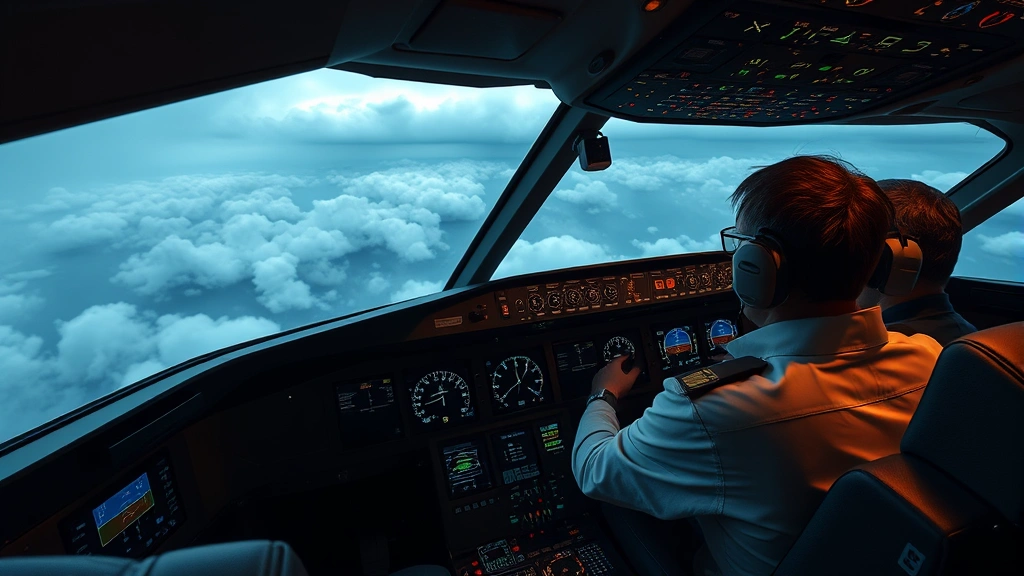
Why Was United Flight Diverted? Expert Insights Into Flight Diversions
Flight diversions are among the most stressful experiences travelers encounter, and when a United Airlines flight diverted from its planned route, passengers naturally wonder what prompted such a significant operational change. Understanding the reasons behind flight diversions helps travelers grasp the safety-first protocols that govern commercial aviation and appreciate the complex decision-making processes pilots and air traffic control teams navigate daily.
Whether caused by weather systems, mechanical concerns, medical emergencies, or airport congestion, flight diversions represent critical moments where airline crews prioritize passenger safety above schedule adherence. This comprehensive guide explores the multifaceted reasons why United flights—and commercial aircraft generally—get diverted, what passengers should expect during these situations, and how airlines manage these challenging scenarios.
Common Reasons for Flight Diversions
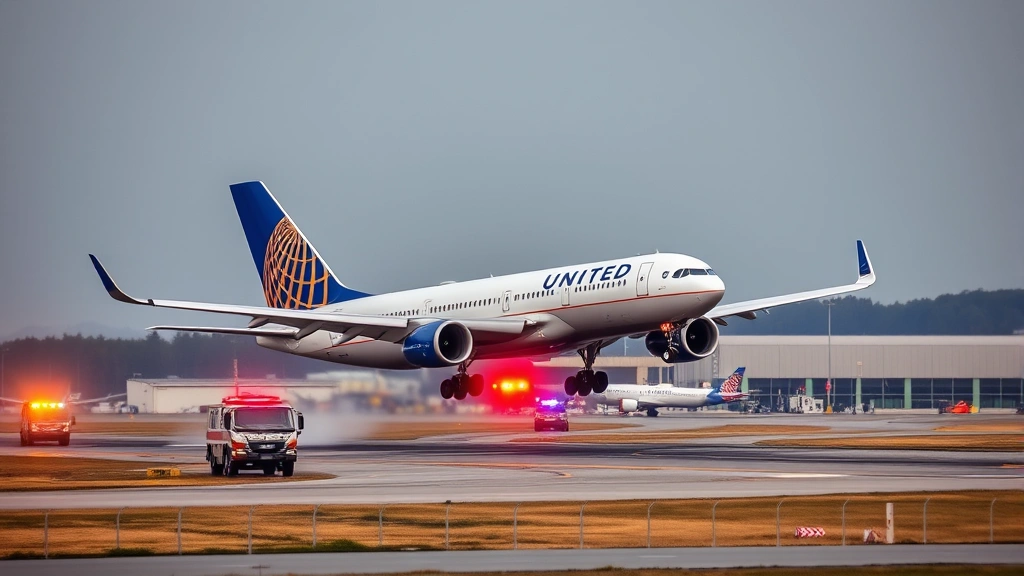
A United Airlines flight diverted represents a deliberate decision by the flight crew to land at an airport other than the originally scheduled destination. These diversions don’t happen randomly; they occur when specific circumstances make continuing to the intended airport unsafe, impractical, or impossible. The Federal Aviation Administration (FAA) and international aviation authorities have established clear protocols that guide when and why diversions become necessary.
Flight diversions fall into several primary categories: environmental factors (weather), medical emergencies, mechanical issues, security concerns, and airport-related problems. Each category demands different responses from crew members, ground personnel, and airline operations centers. Understanding these categories helps passengers comprehend why their travel plans change and what happens next in the diversion process.
The decision to divert typically involves collaboration between the captain, flight attendants, air traffic control, airline dispatch centers, and sometimes military or emergency services. This coordinated approach ensures that the diversion occurs safely and efficiently, with all parties working toward the best possible outcome for passengers and crew.
Weather-Related Diversions
Severe weather represents one of the most common reasons why a United flight diverted from its planned destination. Thunderstorms, heavy snow, fog, and other atmospheric conditions can make landing at the intended airport extremely hazardous or impossible. Pilots receive real-time weather updates and must make critical decisions about whether conditions warrant a diversion to an alternate airport with better weather.
Thunderstorms with strong wind shear pose particular challenges for commercial aircraft. Wind shear—sudden changes in wind speed and direction—can destabilize an aircraft during the critical landing phase. When meteorological data indicates dangerous wind shear at the destination airport, pilots coordinate with air traffic control to divert to a nearby facility with safer conditions. This decision prioritizes passenger safety over schedule maintenance.
Winter weather diversions occur frequently during the cold months when snow, ice, and freezing rain affect airport operations. Some airports may temporarily close runways or limit operations during severe winter conditions. Pilots monitoring weather radar and receiving briefings from dispatch must decide whether to continue to the destination or divert to an airport with adequate runway conditions and de-icing capabilities.
Tropical systems and hurricanes can make entire regions inaccessible to commercial aviation. When a United flight diverted due to hurricane-force winds or extreme weather systems, the diversion protects passengers and aircraft from dangerous conditions. Airlines typically reroute flights days in advance when major weather systems threaten, but occasionally en-route diversions become necessary when conditions deteriorate unexpectedly.
Visibility restrictions from fog, dust storms, or volcanic ash can also necessitate diversions. Volcanic ash, in particular, poses severe engine damage risks to jet aircraft, making diversions mandatory when ash clouds approach flight paths or destination airports.
Medical and Safety Emergencies
Medical emergencies represent another significant category of flight diversions. When a passenger or crew member experiences a serious health crisis—cardiac events, severe injuries, diabetic emergencies, or other life-threatening conditions—pilots may divert to the nearest suitable airport to facilitate emergency medical response. These diversions save lives by enabling rapid access to ground-based medical facilities.
Flight attendants receive extensive medical training and carry automated external defibrillators (AEDs) and first aid kits aboard aircraft. When medical situations exceed onboard capabilities, the flight crew contacts air traffic control and airline dispatch to coordinate the nearest diversion airport with appropriate medical facilities. This decision considers flight altitude, distance to suitable airports, and the urgency of the medical situation.
Security threats also prompt diversions. If passengers or crew members identify suspicious behavior, threats, or potential security risks, pilots immediately work with air traffic control and law enforcement to land at an appropriate facility. These diversions protect all individuals aboard and on the ground.
Unruly passenger incidents sometimes necessitate diversions when behavior escalates beyond crew management capabilities. Federal law prohibits certain disruptive actions aboard aircraft, and flight crews must prioritize safety by removing disruptive individuals at the nearest airport. These diversions, while less common than weather-related ones, demonstrate airlines’ commitment to maintaining safe cabin environments.
Mechanical Issues and Technical Problems
Mechanical malfunctions can trigger diversions when they affect aircraft safety or airworthiness. A United flight diverted due to engine problems, hydraulic issues, electrical faults, or other mechanical concerns demonstrates the aircraft’s sophisticated monitoring systems and pilot training. Modern commercial aircraft have redundant systems designed to function even when primary systems fail, but pilots must assess whether repairs at the destination airport or immediate diversion to maintenance facilities becomes necessary.
Engine performance variations might indicate developing problems requiring inspection. Hydraulic pressure fluctuations, warning lights, or instrument anomalies alert pilots to potential issues. Rather than risk mechanical failure at cruise altitude or during landing, pilots coordinate with dispatch to divert to airports with appropriate maintenance facilities and spare parts availability.
Pressurization issues represent serious mechanical concerns. The aircraft cabin must maintain proper pressure for passenger safety and comfort at high altitudes. If pressurization systems malfunction, pilots must descend to lower altitudes where cabin pressure naturally maintains safe levels, often requiring diversion to a nearby airport rather than continuing to the original destination.
Avionics and navigation system failures can also necessitate diversions. Modern aircraft rely on sophisticated navigation and communication systems. If critical avionics fail, pilots may need to divert to airports with ground-based navigation aids that don’t require aircraft equipment, or to facilities where maintenance teams can diagnose and repair the systems.
Airport and Air Traffic Factors
Destination airport conditions sometimes force diversions even when aircraft and weather conditions remain acceptable. Runway closures, taxiway congestion, emergency situations at the airport, or air traffic control capacity issues can make the destination airport temporarily unavailable. When a United flight diverted for these reasons, pilots and dispatch coordinators select alternate airports with available runways and capacity.
Ground emergencies at destination airports—such as emergency vehicles responding to incidents, debris on runways, or other operational disruptions—can necessitate diversions. Air traffic control communicates these situations to inbound aircraft, allowing pilots and dispatch to coordinate alternate routing.
Airport capacity limitations during peak travel periods occasionally require diversions. When departure and arrival volumes exceed airport capacity, air traffic control may implement holding patterns or request aircraft to divert to alternate airports to manage traffic flow. These tactical diversions prevent congestion and maintain safe separation standards.
Equipment failures at the destination airport—such as malfunctioning landing aids, broken ground support equipment, or facility emergencies—can render airports temporarily unavailable for normal operations. In these cases, diversions become the only option for safe aircraft operations.
Passenger Rights and Compensation
Understanding your rights when a United flight diverted helps you navigate the situation effectively. Passenger protections vary depending on the reason for diversion and whether it qualifies as a controllable airline issue or an uncontrollable circumstance. The Department of Transportation (DOT) establishes guidelines for passenger compensation and care during significant delays resulting from airline-controllable issues.
When diversions result from mechanical problems or airline operations issues, passengers may be entitled to compensation under DOT regulations. If a diversion causes delays exceeding three hours at the final destination, and the diversion resulted from airline-controllable factors, passengers can claim compensation of $250 to $1,350 depending on flight distance.
Weather-related diversions typically don’t qualify for compensation because weather represents an uncontrollable circumstance. However, airlines must still provide passenger care including meals, refreshments, and hotel accommodations if an overnight stay becomes necessary. Medical emergencies and security situations also fall under uncontrollable circumstances exempting airlines from compensation requirements while still requiring passenger care.
Airlines must communicate clearly with passengers about diversion reasons, alternative transportation arrangements, and passenger rights. United Airlines, like other major carriers, has established procedures for passenger notification and rebooking on subsequent flights to the original destination or alternative airports.
To protect your interests during diversions, keep all receipts for expenses incurred, document the diversion reason and duration, and file claims with the airline within the specified timeframe. Many travel insurance policies cover diversion-related expenses, making travel insurance valuable for frequent flyers.
What to Expect During a Diversion
When a United flight diverted en route, passengers experience several distinct phases. Initially, pilots notify passengers about the diversion, explaining the reason and providing details about the alternate airport. Clear communication reduces passenger anxiety and helps people understand the situation.
During the diversion itself, the aircraft descends to lower altitudes and changes course toward the alternate airport. Air traffic control provides routing and clearance for the new destination. Flight attendants may be asked to prepare the cabin for descent and landing, securing loose items and ensuring passengers are seated with seatbelts fastened.
Upon landing at the alternate airport, ground crews meet the aircraft to assess any issues, refuel if necessary, and begin passenger care procedures. Depending on the diversion reason, passengers may remain aboard for several hours while mechanical repairs occur, or they may deplane to await rebooking on connecting flights.
Airlines coordinate ground transportation, meals, and accommodations based on diversion duration. For short diversions resolved within a few hours, passengers may remain in the terminal. For longer diversions requiring overnight stays, airlines provide hotel accommodations and meal vouchers.
Communication becomes crucial during this phase. Airlines should provide regular updates about the situation, expected resolution timeline, and next steps for reaching the original destination or alternative airports. Passenger service representatives assist with rebooking, baggage tracking, and special needs accommodations.
Understanding essential tips for long-haul flights helps you prepare for potential disruptions, including carrying important documents, medications, and contact information. Additionally, reviewing best airlines for long flights helps identify carriers with strong operational records and customer service reputations.
For frequent travelers, familiarity with airline policies and strategies for finding affordable tickets provides broader travel knowledge. Before booking flights, check the airline luggage size restrictions to ensure your baggage meets requirements, which becomes especially important during diversions when baggage handling may be affected.
Visit the Sky Voyage Hub Blog for comprehensive travel insights and airline information that help you navigate travel disruptions effectively.
FAQ
Why do airlines divert flights instead of continuing to the destination?
Flight diversions prioritize safety above all other considerations. Pilots and airline dispatch teams assess real-time conditions and determine whether continuing to the intended destination poses risks to passengers and crew. Diversions to alternate airports with better weather, mechanical repair facilities, or medical services ensure the safest possible outcome.
Do I get compensated if my United flight diverted?
Compensation eligibility depends on the diversion reason. Airline-controllable issues like mechanical problems may qualify for DOT compensation of $250-$1,350. Weather, medical emergencies, and security situations typically don’t qualify for compensation, but airlines must still provide passenger care including meals and accommodations.
How often do United flights get diverted?
Diversions occur relatively infrequently considering the millions of flights operated annually. Most airlines experience diversion rates below 1% of total operations. Weather-related diversions peak during severe seasonal weather patterns, while mechanical diversions remain low due to rigorous maintenance programs.
What should I do if my flight diverts?
Stay calm and follow flight crew instructions. Listen to announcements explaining the situation. Once landed, work with airline representatives regarding rebooking, accommodations, and compensation eligibility. Keep documentation of all expenses and the diversion details for potential claims.
Can pilots refuse to divert even if conditions are dangerous?
No. Pilots have ultimate authority over aircraft safety and must divert when conditions warrant. Federal aviation regulations require pilots to prioritize safety, and they can legally refuse to continue to the intended destination if they determine conditions are unsafe.
How long do diversions typically last?
Diversion duration varies significantly. Weather-related diversions might resolve within hours once conditions improve. Mechanical diversions depend on repair complexity—simple issues might be fixed within hours, while major repairs require overnight stays or rebooking on subsequent flights. Medical diversions typically last only the time needed for emergency response and passenger deplaning.


