Best In-Flight Beers? Expert Picks for Your Next Flight
Flying at 35,000 feet presents a unique challenge for beer enthusiasts. The combination of cabin pressure, low humidity, and altitude significantly impacts how beer tastes in the air. What tastes crisp and refreshing on the ground can become flat or overly sweet when consumed during flight. Understanding which beers maintain their character at cruising altitude is essential for travelers who want to enjoy a quality beverage during their journey.
As an aviation and travel expert, I’ve conducted extensive research into the science of in-flight beer consumption and tested numerous varieties across different airlines and aircraft types. The altitude, cabin pressure, and even the water used in beer production all play crucial roles in how your beverage will taste when you’re thousands of miles above the ground. This comprehensive guide will help you navigate the beer selection on your next long-haul flight with confidence.
Whether you’re a casual beer drinker or a dedicated craft beer aficionado, knowing which in-flight beers deliver the best experience can transform your travel experience. The pressurized cabin environment creates conditions that favor certain beer styles over others, and selecting wisely ensures you’ll enjoy your beverage rather than endure it.
The Science of Altitude and Beer
Understanding why beer tastes different at altitude is the first step to making better in-flight beverage choices. Commercial aircraft cabins are pressurized to approximately 8,000 feet elevation equivalent, which is significantly lower than the actual cruising altitude of 35,000-43,000 feet. This pressurization affects multiple sensory factors that influence taste perception.
At altitude, your sense of taste diminishes by approximately 30 percent due to cabin humidity levels dropping to around 10-20 percent. This dry environment affects your taste buds’ ability to detect subtle flavors and aromas. Additionally, the lower cabin pressure causes carbonation in beverages to behave differently—carbonated drinks may feel flatter or more aggressive depending on the beer’s original carbonation levels.
The cabin air itself plays a role in your perception of beer flavor. Pressurized cabin air is often dry and can make hop-forward beers seem more bitter than they would on the ground. Conversely, malty, sweeter beers may seem even more pronounced. Temperature also matters; airline beverage services typically serve beer at cooler temperatures than ideal, which can suppress flavor compounds that make beer enjoyable.
Research conducted by brewing scientists indicates that beers with lower International Bitterness Units (IBU) and higher residual sugar content perform better in-flight. This is why discovering your preferred flight beer often means choosing styles that differ from your ground-level preferences.
Best Beer Styles for Flight
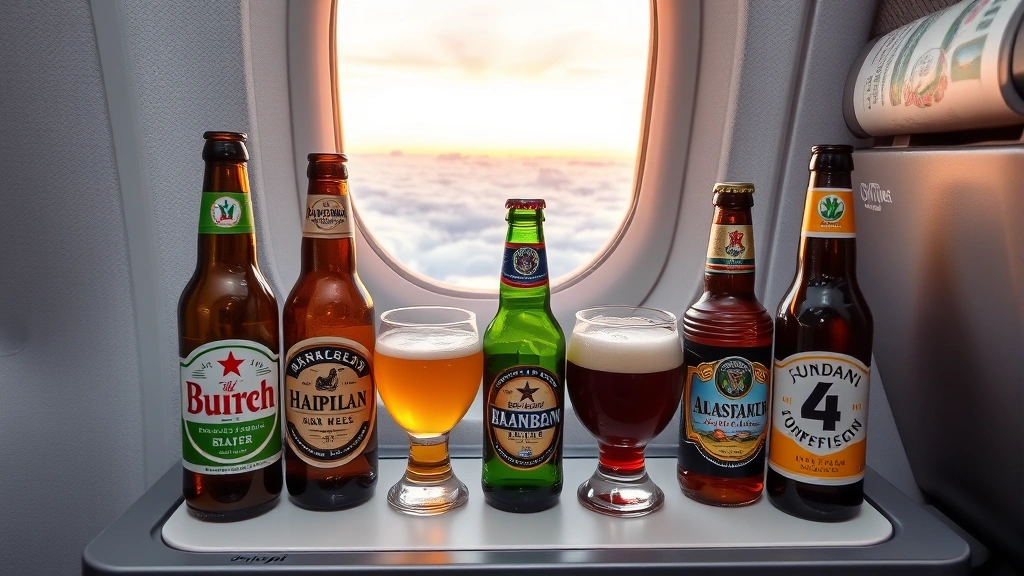
Lagers and Pilsners consistently rank as top performers at altitude. Their clean, crisp profiles maintain integrity despite cabin conditions. German pilsners, Czech pilsners, and Japanese lagers are particularly well-suited for in-flight consumption. These beers have lower hop bitterness and clean fermentation characteristics that resist the flavor-dulling effects of altitude.
Wheat Beers and Hefeweizens represent another excellent choice for flying. The fruity and spicy notes characteristic of these styles remain detectable even when taste perception diminishes. The slight sweetness and banana/clove esters actually benefit from the altitude environment, creating a more rounded drinking experience than you might expect.
Fruit Beers and Flavored Varieties perform surprisingly well at altitude because the added fruit flavors compensate for the dulled taste perception. The sweetness and flavor intensity cut through the cabin environment effectively. However, quality matters significantly with these selections—premium fruit beers vastly outperform mass-market varieties.
Amber Ales and Brown Ales offer a middle ground between light and heavy styles. Their malty character and moderate alcohol content (4.5-6.5% ABV) make them stable options that won’t seem overly aggressive or flat when consumed at altitude. These beers maintain their complexity better than IPAs or other hop-forward varieties.
Avoid These Styles in Flight: Double IPAs, Imperial Stouts, and highly hopped craft beers often disappoint at altitude. The delicate hop character that makes these beers special on the ground becomes exaggerated or disappears entirely in pressurized cabins. Similarly, extremely light beers may taste watery and uninteresting when consumed above 8,000 feet equivalent elevation.
Top Airline Beer Selections
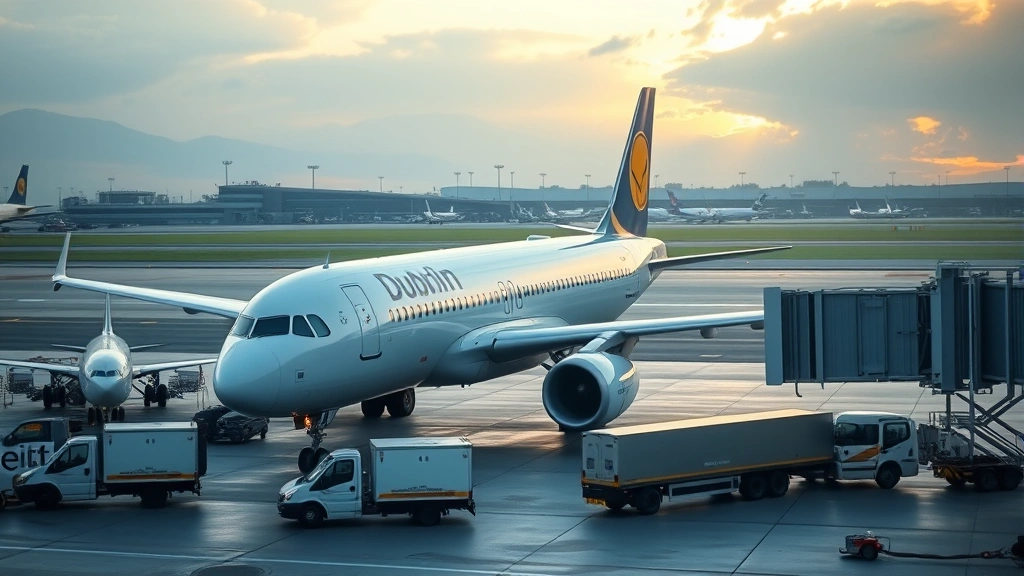
Major international carriers have developed thoughtful beverage programs considering the altitude factor. Lufthansa offers an impressive selection of German and European beers, including several pilsners and wheat beers specifically chosen for their flight-friendly characteristics. Their business and first-class offerings include premium options like Weihenstephaner, a Bavarian wheat beer that performs exceptionally well in-flight.
United Airlines provides Corona, Heineken, and various domestic options. While these selections are somewhat limited, Heineken—a Dutch pilsner-style lager—remains a reliable choice for in-flight consumption. The beer’s crisp profile and moderate bitterness make it one of the better mass-market options available on American carriers.
British Airways features Fuller’s London Pride and various premium selections in higher cabin classes. Fuller’s beers are specifically crafted with balanced profiles that translate well to various environments, including pressurized aircraft cabins.
Qantas Airways stocks Australian and international selections, including James Squire beers—an Australian craft brewery known for balanced, approachable styles. Their wheat beers and pale ales offer more character than typical airline selections.
When selecting from airline beverage menus, focus on the beer style rather than brand recognition. A lesser-known pilsner from a quality brewery will outperform a famous craft IPA in the cabin environment. Consult the airlines’ key information and tips for travelers guides to preview what’s available on your specific flight.
Expert Recommendations by Route
Transatlantic Flights (North America to Europe): Request German or Czech pilsners when available. These routes typically feature European carriers with excellent beer selections. The 6-8 hour flight duration is perfect for enjoying 1-2 quality beers without fatigue. Hefeweizens work particularly well on these routes as they pair nicely with airline meal services.
Long-Haul Asian Routes (12+ hours): Japanese lagers like Asahi or Sapporo are ideal for extended flights. Their light, crisp character prevents palate fatigue over longer drinking periods. Consider spacing out beer consumption across the flight rather than consuming multiple beers at once—altitude affects alcohol absorption differently than sea-level drinking.
Domestic/Short-Haul Flights (under 4 hours): Quality matters less on short flights since you’ll likely consume only one beverage. Choose whatever appeals to you from available options. The limited exposure means altitude’s flavor-dulling effects are less problematic. However, staying hydrated remains important—follow every beer with water or juice.
Middle Eastern Routes: Many Middle Eastern carriers offer limited or no alcohol due to religious considerations. Research your specific airline’s alcohol policy when booking your airline tickets. Some carriers offer premium non-alcoholic beverages that rival beer in quality and satisfaction.
Premium Cabin Flights: Business and first-class passengers enjoy expanded beer selections. These cabins typically feature craft beers and regional specialties unavailable in economy. If budget allows, upgrading specifically for beverage access on long flights can enhance your overall travel experience significantly.
Tips for Ordering In-Flight Beer
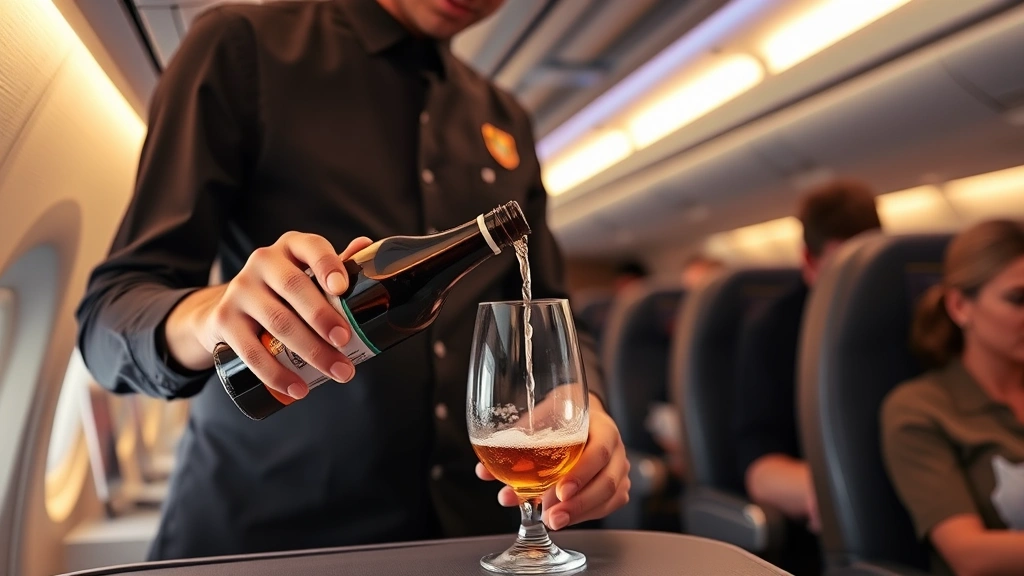
Request Specific Beer Styles: When flight attendants arrive with beverage service, ask if they have pilsners, wheat beers, or lagers rather than requesting a specific brand. This approach works better when your preferred brand isn’t available. Flight crews appreciate specific style requests and often have hidden selections not listed on the menu.
Timing Your Beer Service: Order beer during the initial beverage service rather than waiting until later in the flight. Attendants are more relaxed and willing to accommodate requests early on. Additionally, consuming alcohol earlier allows your body to metabolize it during the flight, reducing jet lag and sleep disruption.
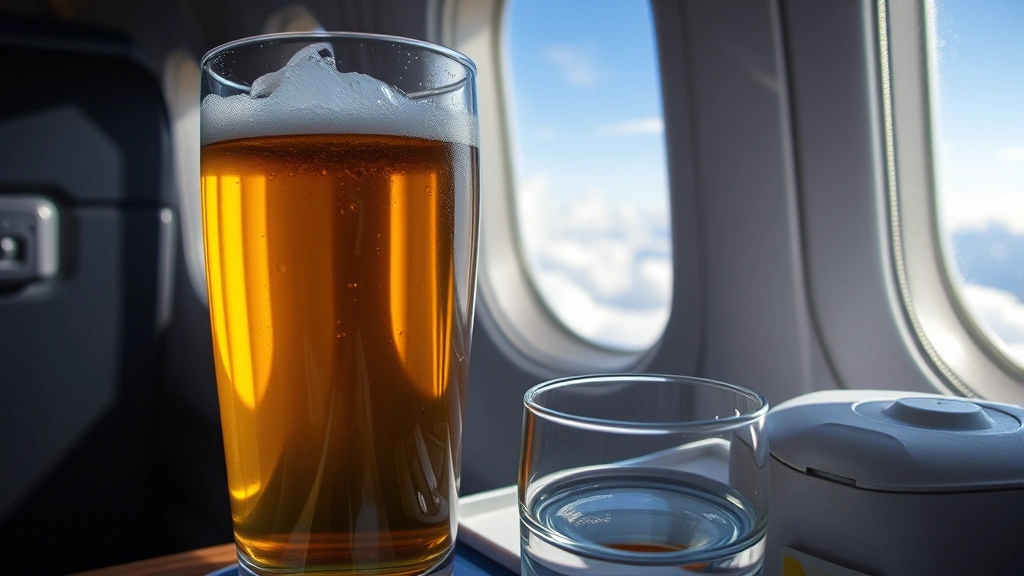
Temperature and Glassware Matters: Request a glass with ice rather than drinking directly from the can or bottle. The ice actually helps maintain proper beer temperature and adds a psychological element to the drinking experience that improves perceived flavor. Avoid plastic cups when possible—glass provides a better sensory experience.
Hydration Strategy: Alternate each beer with a full glass of water. Cabin air dehydration compounds alcohol’s dehydrating effects, leading to worse jet lag and fatigue. This simple practice significantly improves how you feel upon arrival at your destination. Many experienced travelers follow a 1:2 ratio—one beer per two glasses of water.
Food Pairing Considerations: Request your beer with or shortly after meal service rather than on an empty stomach. Airline meals, while not gourmet, provide enough substance to slow alcohol absorption and improve beer flavor perception. The food also helps maintain stable blood sugar during the flight.
Know Your Limits: Altitude affects alcohol absorption unpredictably. What feels like one drink at sea level may feel like two at altitude due to lower oxygen availability and faster alcohol absorption. Limit yourself to 1-2 beers on any flight regardless of flight duration. This approach keeps you comfortable and ensures you arrive refreshed rather than fatigued.
Before your next trip, review your airline’s specific beverage offerings. Most major carriers provide detailed menus on their websites or through the Sky Voyage Hub Blog, where you can preview available selections and plan accordingly.
FAQ
Why does beer taste different on airplanes?
Cabin pressurization, reduced humidity (10-20%), decreased taste perception (approximately 30% reduction), and lower serving temperatures all contribute to altered beer flavor at altitude. The combination of these factors makes hop-forward and delicate beers taste significantly different than they do on the ground.
What’s the best beer to order on a flight?
Pilsners, lagers, wheat beers, and amber ales perform best at altitude. German pilsners, Czech pilsners, and quality hefeweizens are consistently excellent choices. Avoid highly hopped IPAs and imperial stouts, which typically disappoint in-flight.
Can I bring my own beer on a plane?
No. TSA regulations prohibit alcohol in carry-on luggage. You cannot bring beer through security checkpoints. However, you can purchase beer after passing security at airport retailers, though in-flight service remains the most convenient option.
Does altitude affect how quickly alcohol affects you?
Yes. Lower oxygen availability at altitude causes faster alcohol absorption and potentially stronger effects. Even experienced drinkers should reduce their normal consumption by approximately 25-30% when flying. The combination of dehydration and altitude significantly amplifies alcohol’s effects.
Are premium cabin beers worth the upgrade cost?
For long-haul flights (8+ hours), premium cabin access often includes significantly better beer selections—craft options, regional specialties, and premium imports unavailable in economy. If you’re a beer enthusiast flying long distances, the beverage experience alone can justify cabin upgrades.
What should I do if my preferred beer isn’t available?
Ask flight attendants what pilsners or wheat beers they have available. Request a style rather than a brand. If nothing appeals, quality non-alcoholic beverages often provide better satisfaction than mediocre beer options. Many airlines now offer premium sodas, juices, and specialty beverages worth exploring.
How does booking refundable airline tickets affect beverage service?
Ticket type doesn’t directly affect beverage service availability. However, premium cabin tickets (which are often refundable) include better beer selections. Standard economy tickets include the same basic beverage options regardless of refund policies.
Can I request specific beers when booking my flight?
Most airlines don’t allow advance beverage requests through standard booking. However, calling the airline directly or contacting them through customer service may allow special requests for premium cabin passengers. For economy passengers, requesting during boarding or beverage service provides better results.