Master Flight Control: Expert Guide to Aircraft Management and Piloting Excellence
Understanding flight control systems represents one of the most critical aspects of modern aviation. Whether you’re an aspiring pilot, aviation enthusiast, or someone planning to take a discovery flight to experience aviation firsthand, comprehending how aircraft maintain stability and responsiveness in the air is essential. Flight controllers—the sophisticated systems and skilled professionals who manage aircraft movement—work seamlessly to ensure every journey operates with precision and safety.
Modern commercial aviation depends entirely on the intricate interplay between mechanical systems, electronic controls, and highly trained personnel. From the moment wheels leave the tarmac until landing, flight controllers manage countless variables that keep passengers safe and flights on schedule. This comprehensive guide explores everything you need to know about mastering flight control, from fundamental principles to advanced techniques used by professional aviators.
Understanding Flight Control Fundamentals
Flight control fundamentals begin with understanding the three axes of aircraft movement: pitch, roll, and yaw. These three dimensions form the foundation of all aircraft control systems. Pitch refers to the nose-up or nose-down movement controlled primarily by elevators on the horizontal stabilizer. Roll involves banking the aircraft left or right through aileron manipulation on the wings. Yaw represents the side-to-side movement of the nose, controlled by the vertical rudder.
Every flight controller—whether human pilot or automated system—must maintain constant awareness of these three axes. The relationship between them creates the foundation for stable, controlled flight. When boarding best airlines for long flights, you’re trusting professionals who’ve mastered these fundamental principles through thousands of hours of training and real-world experience.
The primary objective of any flight control system is maintaining equilibrium while responding to pilot inputs and environmental conditions. Crosswinds, turbulence, and altitude changes all require constant micro-adjustments. Modern aircraft employ both manual and automated systems to handle these challenges, with pilots trained to seamlessly transition between them as needed.
Understanding aerodynamic principles is equally important. Lift generation depends on airspeed, wing angle of attack, and air density. As aircraft climb, air becomes thinner, requiring pilots to adjust their approach to maintaining adequate lift. This becomes especially critical during Denver to New York flights, where significant altitude changes occur across mountain terrain.
Primary Flight Control Surfaces Explained
Primary flight control surfaces represent the physical mechanisms that allow pilots to control aircraft movement. These include ailerons, elevators, and rudders—each serving a specific function in the three-dimensional control environment.
Ailerons are hinged surfaces located on the trailing edge of each wing. When the pilot moves the control yoke left or right, ailerons operate in opposition: one moves up while the other moves down. This differential movement creates different lift characteristics across the wings, causing the aircraft to roll. Modern aircraft often employ multiple aileron sections to provide redundancy and fine control at various speeds.
Elevators are moveable surfaces on the horizontal stabilizer at the tail section. Moving the control yoke forward or backward changes the elevator angle, altering the pitch of the aircraft. Pulling back increases the angle of attack, generating more lift and causing the nose to rise. Pushing forward decreases lift and lowers the nose. Elevator control requires exceptional sensitivity, as over-correction can lead to dangerous pitch oscillations.
The rudder serves as the vertical control surface at the tail. Pressing the left or right rudder pedal moves this surface to control yaw. Importantly, rudder input alone doesn’t turn aircraft effectively—banking with ailerons combined with rudder input creates coordinated turns. Pilots train extensively to develop the muscle memory and intuition required for smooth, coordinated control inputs.
Secondary Control Systems and Functions
Beyond primary control surfaces, modern aircraft employ numerous secondary systems that enhance control authority and safety. These systems work alongside primary controls to provide comprehensive flight management capabilities.
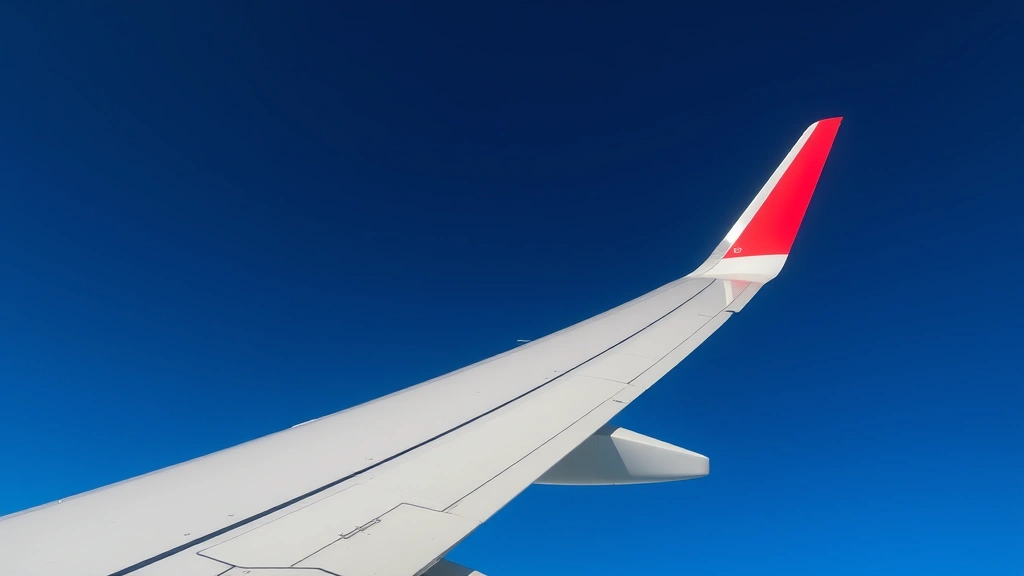
Flaps represent crucial secondary control devices that extend from the trailing edge of wings during takeoff and landing. By increasing wing surface area and camber, flaps generate additional lift at lower airspeeds. This allows aircraft to take off and land in shorter distances while maintaining safe control authority. Pilots carefully manage flap extension schedules throughout each flight phase, adjusting them as speed changes.
Slats work on the leading edge of wings, extending during low-speed flight to maintain smooth airflow over the wing surface. They prevent aerodynamic stalling by allowing the wing to maintain lift at higher angles of attack. Modern aircraft automatically extend slats when speed decreases below certain thresholds.
Spoilers and speed brakes serve the opposite function of flaps, reducing lift and increasing drag when needed. Spoilers extend from the wing upper surface to disrupt airflow and reduce lift generation. This proves essential during descent, allowing aircraft to lose altitude more rapidly without gaining excessive speed. Speed brakes function similarly, providing additional drag on demand.
Trim systems allow pilots to adjust control surfaces slightly without maintaining constant pressure on control inputs. Rather than continuously holding back pressure on the yoke to maintain level flight, pilots can trim the elevator to a neutral position, significantly reducing pilot fatigue during long flights. Understanding trim systems is essential before taking a discovery flight where you might handle controls.
Electronic Flight Management Systems
Contemporary aircraft incorporate sophisticated electronic flight management systems that dramatically enhance control precision and safety. These systems process vast amounts of data, making real-time adjustments to maintain optimal flight characteristics.
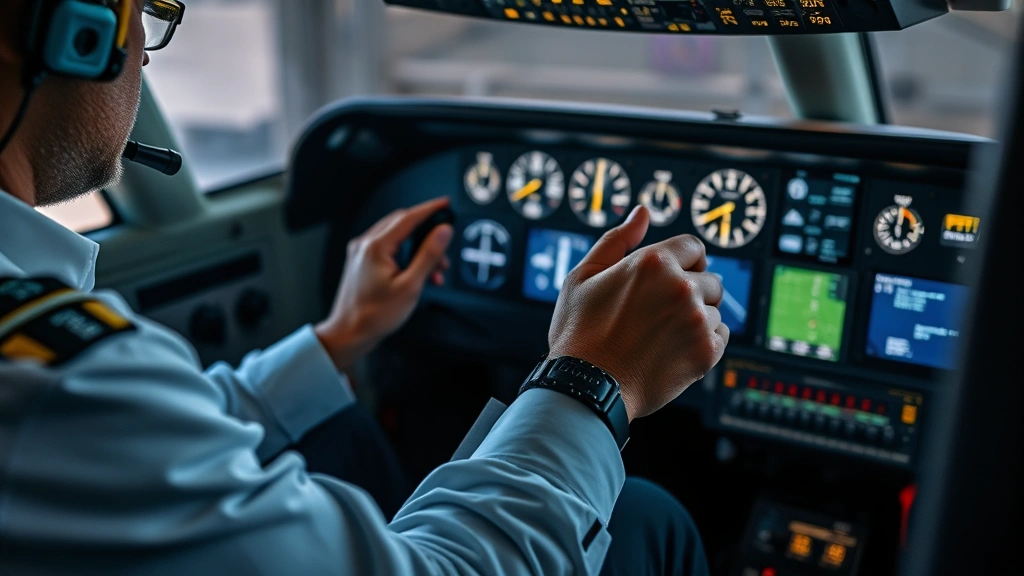
Autopilot systems represent the most visible electronic flight control technology. Modern autopilots can maintain altitude, heading, and airspeed with precision exceeding human capability. They can execute complex approaches, manage descent profiles, and even land aircraft under certain conditions. Rather than replacing pilots, autopilot systems reduce workload during cruise flight, allowing pilots to focus on monitoring systems and planning ahead.
Flight control computers continuously monitor aircraft attitude, airspeed, altitude, and environmental conditions. Using this data, they make thousands of micro-adjustments per second to control surfaces, maintaining stability and preventing dangerous flight attitudes. On modern fly-by-wire aircraft, computers actually mediate all control inputs, ensuring pilots cannot command maneuvers exceeding aircraft structural limits or aerodynamic capabilities.
Stability augmentation systems automatically counteract unwanted aircraft movement. If turbulence causes a wing to drop, these systems instantly apply aileron input to level the wings. This automation proves particularly valuable in severe weather, where manual control becomes exhausting and less effective.
Navigation systems work in concert with flight control to guide aircraft along planned routes. GPS, inertial navigation systems, and ground-based navigation aids provide position information that pilots and autopilot systems use to maintain course accuracy. Understanding modern navigation is crucial for anyone interested in booking airline tickets on modern aircraft with advanced capabilities.
Pilot Training and Flight Control Mastery
Becoming proficient with flight control systems requires extensive, structured training under qualified instruction. Professional pilots undergo thousands of hours of training before carrying passengers, ensuring they can handle any situation that might arise.
Initial flight training focuses on fundamental control inputs and aircraft response. Student pilots learn how aircraft respond to control movements, developing muscle memory and intuitive understanding of control relationships. This training occurs in forgiving environments with experienced instructors ready to intervene if necessary.
Advanced maneuver training teaches pilots how to recover from unusual attitudes, manage emergency situations, and execute precision approaches in challenging conditions. Pilots practice stalls, spins, crosswind landings, and emergency procedures until responses become automatic. This training proves invaluable when real emergencies occur, as pilots can respond from muscle memory rather than conscious thought.
Type rating training occurs when pilots transition to new aircraft models. Each aircraft type has unique control characteristics, system configurations, and handling qualities. Pilots must learn these specifics through dedicated training, often including simulator sessions before flying the aircraft with passengers. This ensures pilots understand exactly how their specific aircraft will respond to control inputs.
Continuing education remains mandatory throughout a pilot’s career. Pilots complete recurrent training annually, practicing emergency procedures, reviewing system updates, and maintaining proficiency in areas that might have become rusty. This commitment to continuous improvement ensures that commercial aviation maintains its exceptional safety record.
For those interested in experiencing flight control firsthand, many flight schools and tour operators offer discovery flights where you can actually handle the controls under professional supervision. These experiences provide invaluable insight into the complexity and rewarding nature of flight control.
Modern Aircraft Navigation Technology
Modern navigation systems work seamlessly with flight control systems to guide aircraft accurately from departure to destination. Understanding these technologies provides insight into how contemporary aviation achieves remarkable safety and reliability.
Global Positioning System (GPS) provides precise position information available worldwide. Modern aircraft receivers determine position to within meters, allowing pilots and autopilot systems to maintain course with exceptional accuracy. GPS integration with flight management systems enables efficient routing and fuel-optimal descent planning.
Inertial Navigation Systems (INS) operate independently of external signals, using accelerometers and gyroscopes to track aircraft position relative to a known starting point. While not as accurate as GPS alone, INS provides continuous navigation during GPS outages and complements GPS for improved overall accuracy.
Ground-based navigation aids including VORs (VHF Omnidirectional Range) and ILS (Instrument Landing System) remain important backup systems. VOR stations provide course guidance, while ILS provides precise guidance during low-visibility approaches. These systems function independently of satellites, providing essential redundancy.
Weather radar integration allows pilots to see precipitation and storm cells, enabling routing around dangerous weather. Modern weather radar displays integrate with navigation systems, showing both weather and terrain information simultaneously.
Safety Protocols in Flight Management
Safety represents the paramount concern in all flight control operations. Extensive protocols, redundant systems, and rigorous training ensure that aircraft operate safely even when systems fail.
Redundancy defines modern aircraft design. Critical systems including flight controls, hydraulics, and electrical systems feature multiple independent backups. If primary hydraulic systems fail, secondary systems maintain control authority. Multiple electrical generators ensure power availability even if engines fail. This redundancy means that single system failures rarely compromise aircraft safety.
Crosscheck procedures require pilots to verify critical information through multiple sources. Rather than trusting a single instrument, pilots compare altitude information from multiple altimeters, verify heading through multiple sources, and confirm airspeed through multiple indicators. This practice catches instrument failures before they cause problems.
Crew resource management emphasizes communication and teamwork in the cockpit. Both pilots maintain awareness of flight parameters, with the non-flying pilot monitoring the flying pilot’s inputs and challenging any actions that seem inappropriate. This structured teamwork has proven remarkably effective at preventing accidents.
Weather considerations significantly impact flight control operations. Turbulence requires constant small control inputs, while wind shear during takeoff and landing demands precise control authority. Pilots train extensively in crosswind techniques, understanding exactly how much wind their aircraft can safely handle. When planning flights, checking best airlines for long flights includes evaluating their safety records and operational procedures.
Emergency procedures cover every conceivable failure scenario. Pilots practice engine failures, hydraulic failures, electrical failures, and control surface damage. They learn how to operate aircraft with degraded control authority and how to land safely when normal procedures aren’t available. This comprehensive preparation ensures pilots can handle unexpected situations with confidence.
Understanding these safety protocols provides reassurance that modern aviation represents one of the safest transportation methods available. The combination of redundant systems, extensive training, and rigorous protocols creates an environment where accidents remain extraordinarily rare.
FAQ
What exactly is a flight controller in aviation?
A flight controller refers both to the physical control surfaces (ailerons, elevators, rudders) that manage aircraft movement and to the pilots or automated systems that operate these surfaces. In modern aircraft, electronic flight control computers mediate all control inputs, ensuring safe operation within aircraft limitations.
How do pilots maintain control during turbulence?
Pilots use small, smooth control inputs to counteract turbulence rather than fighting against it. Autopilot systems excel at this, making thousands of micro-adjustments per second. For manual flying, experienced pilots maintain light pressure on controls and avoid over-correcting, which would amplify oscillations.
Can commercial aircraft really land themselves?
Modern aircraft can execute automatic landings in certain conditions, though pilots remain in control and monitor the process. Autoland systems require specific conditions including proper instrument landing system availability and sufficient runway length. Pilots retain the ability to take manual control at any moment.
What happens if flight control systems fail?
Aircraft feature multiple independent flight control systems. Failure of one system still leaves others operational. In extreme cases where multiple systems fail, pilots can still control aircraft through alternative means, though with reduced capability. Modern redundancy design ensures that complete control loss is virtually impossible.
How long does it take to master flight control?
Becoming a commercial pilot requires 1,500+ flight hours plus extensive ground training. However, basic competence develops within 40-60 hours of instruction. Mastery continues throughout a pilot’s career, with each flight adding experience and refining technique. Many pilots find that after thousands of hours, they’re still learning subtle improvements.
Can I experience flight control firsthand?
Yes! Many flight schools offer discovery flights where you can handle the controls under professional instruction. These experiences provide invaluable insight into aircraft control dynamics and the rewarding nature of flying.
What’s the difference between autopilot and manual flying?
Autopilot systems maintain precise altitude, heading, and airspeed through continuous micro-adjustments. Manual flying requires pilot input to maintain these parameters. Both methods are safe and used appropriately depending on flight phase and conditions. Pilots must remain proficient at both methods.
How do pilots transition to different aircraft types?
Pilots undergo specific type rating training for new aircraft, learning unique control characteristics, system configurations, and handling qualities. Training includes simulator sessions and supervised flights before independent operation, ensuring complete competence before carrying passengers.
For more information about aviation and flight experiences, explore our Sky Voyage Hub Blog for comprehensive travel and aviation insights. Whether you’re planning your next trip or exploring aviation careers, understanding flight control fundamentals enriches your appreciation for modern aviation’s remarkable achievements.