How to Become a Flight Dispatcher: Expert Guide
Flight dispatchers are the unsung heroes of aviation, orchestrating complex flight operations from behind the scenes. These skilled professionals work in high-pressure environments, making critical decisions that ensure passenger safety, operational efficiency, and regulatory compliance. If you’re interested in flight dispatcher jobs and want to understand the pathway to this rewarding career, this comprehensive guide will walk you through every step of the process, from education requirements to landing your first position.
The role of a flight dispatcher has evolved significantly over the past decade. Modern dispatchers utilize advanced technology, real-time weather data, and sophisticated flight planning software to coordinate aircraft movements across global networks. Whether you’re passionate about aviation, enjoy problem-solving under pressure, or want a stable career with excellent benefits, becoming a flight dispatcher might be your ideal career choice. This guide explores the qualifications, training programs, certifications, and job market insights you need to succeed in this dynamic field.
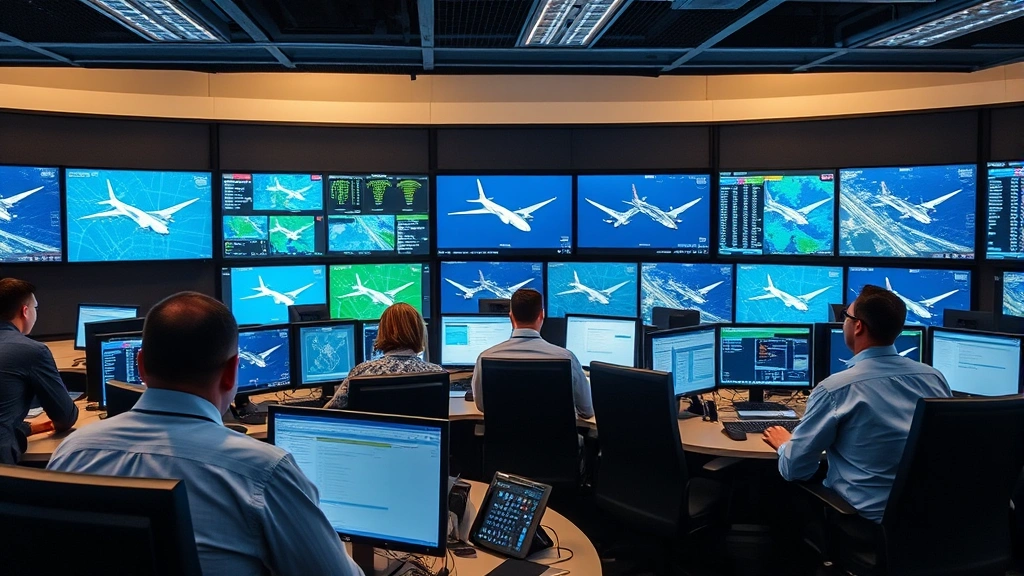
Understanding the Flight Dispatcher Role
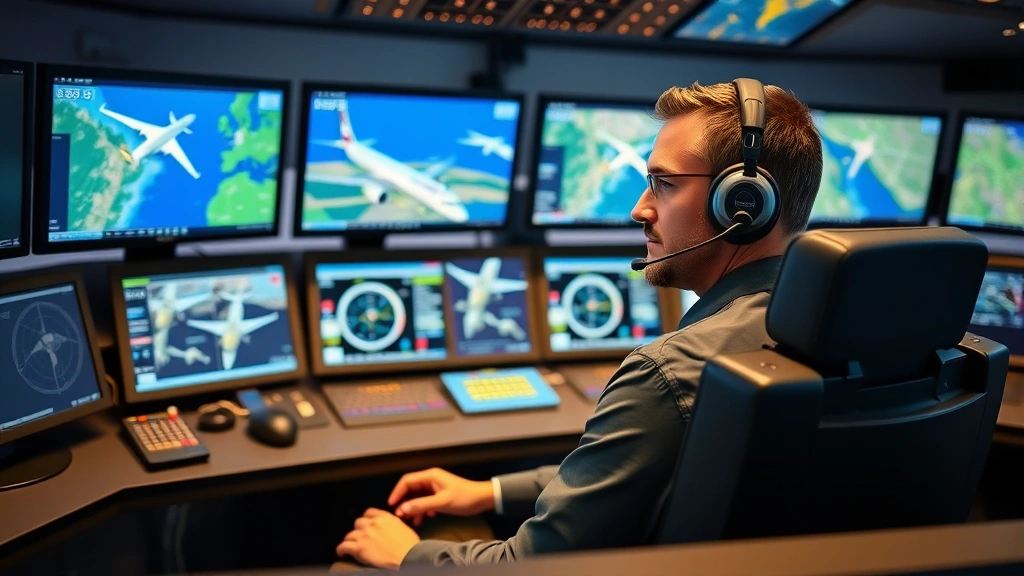
A flight dispatcher is a certified aviation professional responsible for planning and monitoring aircraft flights from departure to arrival. Unlike pilots who operate the aircraft, dispatchers work on the ground, managing the operational aspects of flight execution. They collaborate closely with pilots, maintenance teams, weather services, and air traffic control to ensure every flight operates safely and efficiently.
Flight dispatchers handle numerous critical responsibilities throughout a flight’s lifecycle. Before departure, they analyze weather conditions, calculate fuel requirements, determine optimal flight routes, and ensure the aircraft meets all maintenance requirements. During flight, they monitor progress, provide updates to pilots, and manage any unexpected situations that might arise. After landing, they document flight data and prepare reports for operational analysis. This role requires exceptional attention to detail, quick decision-making abilities, and the capacity to work effectively under pressure.
The position sits at the intersection of safety, efficiency, and regulatory compliance. Dispatchers must understand complex aviation regulations, including those established by the Federal Aviation Administration (FAA), and ensure all operations comply with these standards. They also work with various departments, from cabin crew to ground operations, making communication skills absolutely essential for success.
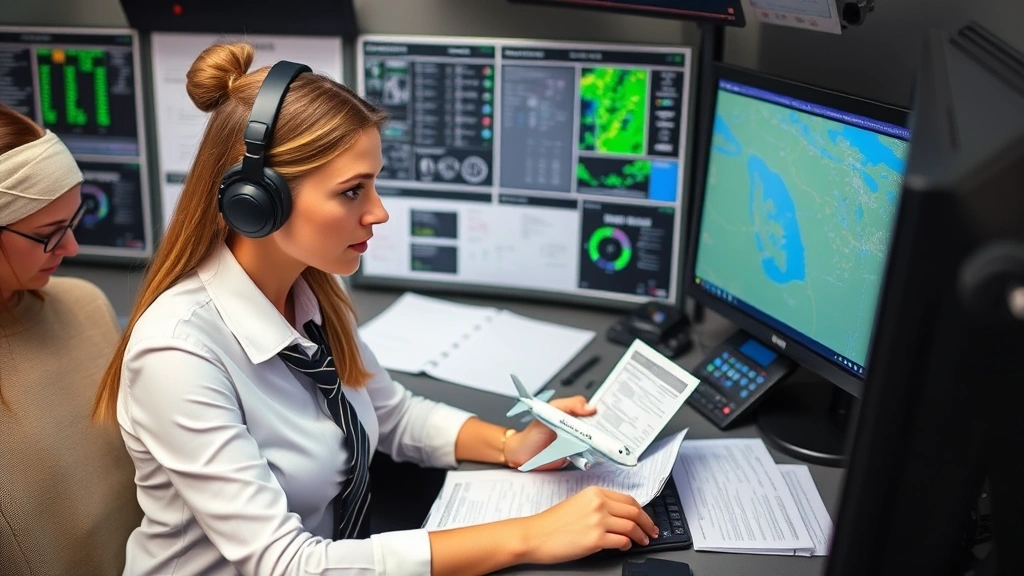
Educational Requirements and Prerequisites
Before pursuing flight dispatcher certification, you’ll need to meet several foundational requirements. Most airlines and employers require at least a high school diploma or equivalent GED. However, having some college coursework or an associate’s degree in aviation, meteorology, or a related field can give you a competitive advantage in the job market.
While formal prerequisites are relatively modest, successful dispatcher candidates typically possess strong foundational knowledge in several areas. You should be comfortable with mathematics, particularly calculations involving time, distance, fuel consumption, and weight distribution. Understanding basic physics and meteorology helps you comprehend weather patterns and their impact on flight operations. Many aspiring dispatchers benefit from taking courses in meteorology, aviation regulations, and navigation before pursuing official certification.
Some candidates gain valuable experience by working in related aviation positions first. Working as a ground crew member, flight attendant, or in airport operations provides insight into how airlines function and helps you understand the broader context of dispatch operations. This experience, while not mandatory, demonstrates your commitment to aviation and can make your application more competitive when seeking dispatcher training programs. Additionally, familiarity with computer systems and software is increasingly important, as modern dispatch operations rely heavily on sophisticated technology platforms.
Flight Dispatcher Certification Process
The FAA administers the official flight dispatcher certification in the United States. To obtain your dispatcher certificate, you must complete a structured pathway that includes formal training, practical experience, and successful examination. The certification process is rigorous by design, ensuring that only qualified individuals manage critical flight operations.
The first step involves completing an FAA-approved flight dispatcher course. These courses cover essential topics including aviation regulations, weather interpretation, flight planning, aircraft performance, and emergency procedures. You’ll learn about discovery flights and operational planning, understanding how dispatch decisions impact the entire flight experience. The coursework typically requires 200 hours of classroom instruction, though some programs may require additional hours depending on their specific curriculum design.
After completing your approved course, you must pass the FAA written examination. This comprehensive test evaluates your knowledge across multiple domains of aviation operations. The exam typically covers regulations, weather analysis, flight planning, aircraft systems, and emergency procedures. Many candidates spend several weeks studying intensively to prepare for this challenging assessment.
Following the written exam, you’ll need to pass an oral examination administered by an FAA examiner. This practical test assesses your ability to apply knowledge in realistic dispatch scenarios. You’ll demonstrate your understanding of weather analysis, flight planning, and decision-making in various operational situations. The oral exam is particularly important because it evaluates your ability to think critically and solve problems under the pressure that characterizes actual dispatch work.
Once you’ve successfully completed both written and oral examinations, the FAA issues your official Flight Dispatcher Certificate. This certification is valid indefinitely, though you must maintain current knowledge through recurrent training and stay informed about regulatory changes. Many dispatchers pursue additional certifications in specialized areas, such as international operations or specific aircraft types, to advance their careers.
Training Programs and Schools
Numerous institutions across the United States offer FAA-approved flight dispatcher training programs. These programs vary in format, duration, and specialization, allowing you to choose an option that fits your circumstances and learning style.
University-based programs offer comprehensive aviation education, often combining dispatcher training with broader aviation studies. Schools like Embry-Riddle Aeronautical University, Arizona State University, and the University of North Dakota provide rigorous, well-established programs that prepare students for certification and career success. These programs typically run 4-6 months full-time or can be completed part-time over a longer period. The advantage of university programs is access to experienced instructors, comprehensive facilities, and networking opportunities with other aviation professionals.
Specialized flight dispatcher schools focus exclusively on dispatcher training, offering intensive programs that can be completed in 8-16 weeks. Schools such as the Academy of Aeronautics and similar institutions provide targeted, practical training specifically designed for dispatcher certification. These programs often offer flexible scheduling, including evening and weekend classes, making them ideal for working professionals transitioning into aviation careers.
Online and hybrid programs have become increasingly popular, allowing students to complete theoretical coursework remotely while attending in-person sessions for practical training and examinations. These flexible options make dispatcher training accessible to people with work commitments or geographic constraints. However, ensure any program you choose is FAA-approved, as this certification is mandatory for employment as a dispatcher.
When selecting a training program, consider factors such as class size, instructor qualifications, facility resources, job placement assistance, and tuition costs. Many reputable programs offer career counseling and help connecting graduates with potential employers. Some airlines partner with specific training institutions, potentially creating pathways to employment after graduation.
Skills and Qualities You Need
Beyond formal education and certification, successful flight dispatchers possess specific skills and personal qualities that enable them to excel in this demanding role. Understanding these competencies helps you assess your readiness for the career and identify areas for personal development.
Decision-making under pressure is perhaps the most critical skill for flight dispatchers. You’ll regularly face situations requiring quick, accurate decisions with significant consequences. Developing the ability to analyze complex information rapidly, consider multiple variables, and make sound judgments is essential. This skill develops through training and experience but also reflects your natural temperament and ability to remain calm in high-stress situations.
Technical proficiency is increasingly important in modern aviation. You’ll work with sophisticated flight planning software, weather analysis tools, and communication systems. Comfort with technology and the ability to learn new software systems quickly is essential. Many dispatchers also benefit from understanding basic programming concepts and data analysis, as these skills enhance efficiency and decision-making.
Communication abilities are vital for coordinating with pilots, crew members, maintenance personnel, and air traffic control. You must convey information clearly, concisely, and accurately, often in high-pressure situations. Written communication is equally important, as dispatchers prepare detailed reports and documentation. Strong interpersonal skills help you build the collaborative relationships necessary for effective operations.
Meteorological knowledge extends beyond passing an exam. Successful dispatchers develop intuitive understanding of weather patterns and their operational implications. This knowledge helps you anticipate problems, plan efficient routes, and make proactive decisions that enhance safety and efficiency. Continuing education in meteorology throughout your career strengthens this crucial competency.
Attention to detail is non-negotiable in dispatch operations. Small errors in fuel calculations, weight distribution, or route planning can have serious consequences. Developing systems and habits that catch mistakes before they become problems is essential. This quality often reflects your personal approach to work and can be cultivated through conscious effort and practice.
Physical and mental stamina matters because dispatch work often involves long shifts, irregular hours, and sustained concentration. Dispatchers frequently work nights, weekends, and holidays. Maintaining your physical health through exercise and good sleep habits, combined with mental resilience developed through experience, helps you sustain performance throughout your career. Understanding your own stress management needs and developing healthy coping strategies is important for long-term success.
Job Market and Career Prospects
The job market for qualified flight dispatchers remains strong, with consistent demand from airlines, charter operators, and cargo companies. The aviation industry continues to grow globally, creating opportunities for dispatchers across various sectors and geographic regions. Understanding current market conditions and career pathways helps you make informed decisions about pursuing this profession.
Major airlines such as United Airlines, Delta Air Lines, and Southwest Airlines continuously recruit qualified dispatchers. Regional carriers, low-cost airlines, and international operators also hire dispatchers regularly. The expansion of air cargo operations, particularly post-pandemic, has created additional employment opportunities. Charter flight companies and medical helicopter services also employ dispatchers, offering diverse career options beyond traditional commercial airlines.
Career advancement opportunities exist for experienced dispatchers. Many move into supervisory roles, overseeing dispatch operations at specific airports or for entire regions. Some transition into management positions, such as Chief Dispatcher or Director of Flight Operations. Others specialize in areas like international operations, scheduling, or training new dispatchers. Understanding these advancement pathways helps you plan long-term career development and identify skills to develop for future growth.
The role has evolved with technology, and dispatchers increasingly engage with advanced systems like airline operations centers and integrated flight management platforms. Staying current with technological developments enhances your value to employers and opens doors to specialized positions. The integration of artificial intelligence and automation in dispatch operations is creating opportunities for dispatchers with technical expertise to shape the future of aviation operations.
Geographic flexibility is a significant advantage in this career. Dispatchers can work for airlines based in different regions, potentially relocating for career advancement or personal reasons. International opportunities exist with foreign carriers and aviation organizations, allowing for diverse career experiences and cultural exposure. This geographic flexibility makes dispatcher careers attractive to individuals seeking variety and adventure in their professional lives.
Salary and Benefits
Flight dispatcher compensation is competitive and reflects the responsibility and expertise required for the position. Understanding salary ranges and benefit packages helps you assess the financial viability of this career path and compare opportunities across different employers.
Entry-level flight dispatchers typically earn between $40,000 and $55,000 annually, depending on the employer, location, and specific position. As you gain experience, typically over 3-5 years, salary increases to the $55,000-$75,000 range. Experienced dispatchers at major airlines can earn $75,000-$100,000 or more, with senior positions and specialized roles potentially exceeding $100,000. These figures vary based on geographic location, with dispatchers in major aviation hubs typically earning more than those in smaller markets.
Beyond base salary, airline dispatcher positions typically include comprehensive benefits packages. Health insurance, dental coverage, and vision plans are standard. Retirement benefits, including 401(k) plans or defined benefit pensions, provide long-term financial security. Many airlines offer life insurance and disability coverage, protecting you and your family against unexpected circumstances.
Travel benefits are a significant perk of dispatcher careers at airlines. Most positions include free or heavily discounted airline passes for you and your family members, enabling affordable travel. Some airlines extend these benefits to spouse and dependent children, making this perk particularly valuable for families. The ability to travel affordably aligns well with a career in aviation and can significantly enhance quality of life.
Additional benefits often include paid time off, including vacation days, sick leave, and personal days. Many dispatchers also receive shift differentials for working nights, weekends, or holidays, which increases base compensation. Tuition reimbursement programs help dispatchers pursue continuing education and professional development. Some employers offer wellness programs, fitness center access, and mental health support services, recognizing the high-stress nature of dispatch work.
Scheduling flexibility varies by employer and seniority. Junior dispatchers may have limited control over schedules initially, but as you gain seniority, you typically gain more choice in shift preferences. Some dispatchers appreciate the variety of shift work, while others value the predictability that comes with seniority-based scheduling. Understanding scheduling practices at different employers helps you find a position that suits your lifestyle preferences.
FAQ
What is the main difference between a flight dispatcher and a pilot?
Flight dispatchers work on the ground, planning and monitoring flights from dispatch centers. Pilots operate the aircraft in the air. While dispatchers make critical operational decisions before and during flight, pilots handle the actual flying. Both roles are essential to safe, efficient flight operations, and they work collaboratively throughout each flight.
How long does it take to become a flight dispatcher?
The timeline varies depending on your starting point and the training program you choose. Most FAA-approved courses require 200+ hours of instruction, typically completed in 8-16 weeks of full-time study or 4-6 months of part-time study. Including prerequisite education, exam preparation, and the application process, plan for 6-12 months from starting training to obtaining your dispatcher certificate.
Do I need previous aviation experience to become a flight dispatcher?
No, previous aviation experience is not required. However, some background in aviation or related fields can be advantageous. Many successful dispatchers come from non-aviation backgrounds and learn everything they need through formal training programs. Your commitment to learning and your natural aptitude for the work matter more than prior experience.
What certifications do I need to work as a flight dispatcher?
The primary certification is the FAA Flight Dispatcher Certificate, obtained by completing an approved course and passing written and oral examinations. Some employers may require additional certifications, such as Hazmat knowledge certifications for cargo operations. Continuing education requirements vary by employer but typically include recurrent training every 2-3 years to maintain current knowledge and skills.
Are flight dispatcher jobs secure and stable?
Yes, flight dispatcher positions are generally stable and secure. Airlines require dispatchers for all operations, creating consistent demand for qualified professionals. The aviation industry has demonstrated resilience historically, and dispatchers are essential personnel who maintain employment even during challenging economic periods. Union representation at many airlines provides additional job security and protection.
Can I work as a flight dispatcher internationally?
Yes, international opportunities exist for flight dispatchers. However, requirements vary by country and aviation authority. Your FAA certification is recognized internationally, but you may need additional certifications or training to work for foreign carriers or in specific countries. International dispatchers often earn competitive salaries and gain valuable experience with diverse operations and aircraft types.
What skills are most important for flight dispatcher success?
Decision-making under pressure, attention to detail, and strong communication abilities are the most critical skills. You also need technical proficiency with dispatch software, solid understanding of meteorology and aviation regulations, and the ability to work effectively with pilots and crew members. Physical and mental stamina for irregular schedules is also important for long-term success.