
Flight nursing represents one of the most dynamic and rewarding careers in aviation healthcare, combining emergency medical expertise with the unique challenges of providing care at altitude. These specialized nurses work aboard commercial and medical aircraft, responding to in-flight medical emergencies, assisting with patient transport, and ensuring passenger safety during flights. The role demands exceptional clinical skills, quick decision-making abilities, and the ability to remain calm under pressure while operating in a confined space thousands of feet above ground.
The aviation healthcare sector has experienced significant growth over the past decade, driven by increased air travel, aging populations, and the expansion of medical evacuation services. Flight nurse positions offer competitive salaries, diverse work environments, and the opportunity to make a tangible difference in critical situations. Whether you’re interested in commercial airline operations, medical transport services, or air ambulance programs, understanding the landscape of flight nurse jobs is essential for launching or advancing your aviation healthcare career.

What Do Flight Nurses Do?
Flight nurses perform a diverse range of medical and safety duties that extend far beyond traditional bedside nursing. Their primary responsibility involves responding to medical emergencies that occur during flight, which can range from passenger fainting and cardiac events to severe trauma and childbirth complications. These professionals must rapidly assess situations, provide emergency interventions, and make critical decisions about diverting flights or coordinating with ground medical personnel.
In commercial aviation settings, flight nurses work alongside cabin crew to maintain passenger safety and comfort. They conduct pre-flight briefings, monitor passenger health throughout the journey, and coordinate with pilots and other crew members during emergencies. Many flight nurses also participate in patient transport services, accompanying individuals requiring medical supervision to their destinations. This might include post-operative patients, individuals with chronic conditions requiring monitoring, or critically ill patients being transferred between medical facilities.
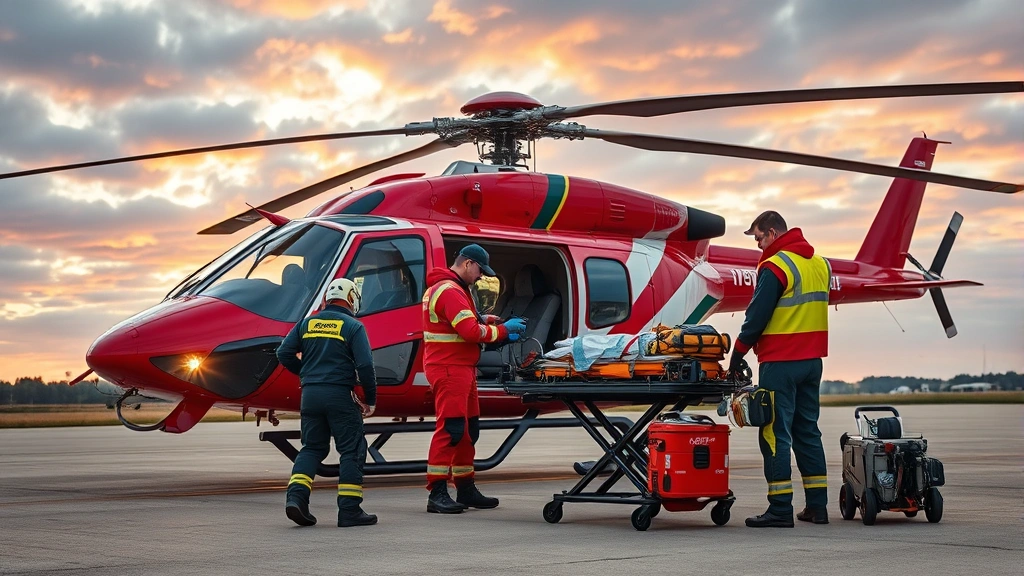
Medical evacuation services represent another significant employment sector for flight nurses. These professionals respond to emergencies in remote locations, offshore platforms, and international destinations where ground medical services may be unavailable or inaccessible. They work on helicopters and fixed-wing aircraft, often in challenging environmental conditions, providing stabilization and transport for injured or severely ill individuals. Understanding flight emergency landing procedures is crucial for professionals in this field.
- Emergency medical response and stabilization
- Patient assessment and vital sign monitoring
- Medication administration and IV therapy
- Coordination with ground-based medical teams
- Medical equipment operation and maintenance
- Documentation and incident reporting
- Passenger communication and reassurance
- Collaboration with flight crew and pilots
Educational Requirements and Certifications
Becoming a flight nurse requires a solid foundation in nursing education and specialized training in aviation healthcare. The minimum educational requirement is a Bachelor of Science in Nursing (BSN) from an accredited program, though many employers prefer candidates with a BSN over an Associate Degree in Nursing (ADN). Your nursing degree must be from a program accredited by the Accreditation Commission for Education in Nursing (ACEN) or the Commission on Collegiate Nursing Education (CCNE).
After completing your nursing degree, you must obtain a Registered Nurse (RN) license by passing the National Council Licensure Examination (NCLEX-RN). Most flight nursing positions require at least two to five years of critical care experience before you can apply. This experience should include work in emergency departments, intensive care units, trauma centers, or critical care transport settings. The clinical foundation you develop during these years is invaluable for handling the unique demands of aviation healthcare.
Specialized certifications significantly enhance your qualifications and career prospects. The Certified Flight Nurse (CFN) credential, offered by the Board of Certification for Emergency Nursing (BCEN), is highly regarded in the industry. To qualify for CFN certification, you typically need at least 1,000 hours of flight nursing experience and current certification in Advanced Cardiac Life Support (ACLS), Pediatric Advanced Life Support (PALS), and Advanced Trauma Life Support (ATLS).
Additional certifications that strengthen your candidacy include:
- Certified Emergency Nurse (CEN): Demonstrates expertise in emergency nursing care
- Certified Critical Care Nurse (CCRN): Validates critical care competency
- Certified Trauma Registered Nurse (CTRN): Specializes in trauma patient management
- Certified Nurse Midwife (CNM): Beneficial for patient transport services
- Certified Flight Paramedic (FP-C): Useful for expanding your scope of practice
- Wilderness First Responder (WFR): Valuable for remote location operations
Many employers require or strongly prefer candidates to complete specialized flight nursing education programs. Organizations like the Air & Surface Transport Nurses Association (ASTNA) offer comprehensive training covering altitude physiology, aircraft systems, emergency procedures, and medical protocols specific to aviation environments.
Flight Nurse Job Market and Salary
The job market for flight nursing has remained robust, with consistent demand across multiple sectors of the aviation industry. According to the U.S. Bureau of Labor Statistics, registered nurses overall are expected to see steady growth, and specialized positions like flight nursing continue to attract increasing numbers of qualified candidates. The competitive nature of these positions means that strong credentials, relevant experience, and demonstrated commitment to aviation healthcare are essential for success.
Salary expectations for flight nurses vary significantly based on several factors including geographic location, employer type, experience level, and specific role. Entry-level flight nurses in commercial airline settings typically earn between $55,000 and $70,000 annually. With experience and additional certifications, salaries can increase to $80,000 to $120,000 per year. Flight nurses working for air ambulance services, medical evacuation companies, or in specialized transport roles often command higher compensation, ranging from $75,000 to $140,000 annually.
Several factors influence flight nurse compensation:
- Experience Level: Advanced experience commands premium salaries
- Employer Type: Air ambulance and medical transport services typically pay more than commercial airlines
- Geographic Location: Urban areas and regions with higher costs of living offer increased compensation
- Certifications: Additional credentials like CFN and CCRN justify higher pay
- Shift Patterns: Night flights, weekend work, and on-call positions often include premium pay
- Benefits Package: Health insurance, retirement plans, and flight privileges add significant value
Beyond base salary, flight nursing positions often include comprehensive benefits packages. Many employers offer health insurance, dental and vision coverage, life insurance, and retirement plans with matching contributions. Flight privileges allowing discounted or free travel for you and family members represent substantial additional benefits. Some positions include hazard pay, on-call bonuses, and overtime compensation that can significantly increase annual earnings.
Working Conditions and Challenges
Flight nursing presents unique working conditions that differ substantially from traditional healthcare settings. The aircraft environment itself presents challenges including limited space, reduced cabin pressure, temperature fluctuations, and motion that can affect both your performance and patient care. Understanding how to work effectively in these constraints requires specialized training and experience. When examining best airlines for long flights, flight nurses should consider cabin configurations and medical equipment accessibility.
The unpredictability of flight nursing work represents both a challenge and an attraction for many professionals. You cannot anticipate which emergencies will occur or when they will develop during your shift. This demands exceptional clinical judgment, the ability to improvise with limited resources, and calm decision-making under extreme pressure. Some flights pass without incident, while others present multiple medical challenges requiring rapid intervention and coordination with flight crew.
Physical and mental demands of flight nursing include:
- Irregular schedules including early morning departures and late night arrivals
- Time away from family and home, often with overnight stays in unfamiliar cities
- Physical demands of moving through narrow aircraft aisles with medical equipment
- Exposure to communicable diseases and biological hazards
- Emotional stress from managing critical situations and potential patient loss
- Fatigue from jet lag and irregular sleep patterns
- Altitude-related physiological effects including dehydration and reduced oxygen saturation
Despite these challenges, many flight nurses report high job satisfaction. The variety of work, the ability to travel, and the knowledge that you’re making a critical difference in emergencies create meaningful career fulfillment. The professional autonomy and the opportunity to work with diverse populations worldwide appeal to nurses seeking non-traditional healthcare careers.
Finding and Applying for Positions
Locating available flight nurse positions requires a strategic approach combining multiple job search channels. Major airlines maintain dedicated career websites where they post open positions. Companies like Delta Air Lines, United Airlines, American Airlines, and Southwest Airlines regularly recruit flight nurses for their medical operations. Visit their official careers pages directly to find current openings and understand their specific requirements and application procedures.
Air ambulance and medical transport services represent another significant employment sector. Companies such as Air Methods, PHI Air Medical, and Critical Care America frequently hire flight nurses. These organizations often have more flexible hiring timelines than major airlines and may provide more opportunities for career growth within their organizations. Specialized medical transport networks and helicopter emergency medical services (HEMS) also employ flight nurses and paramedics in integrated roles.
Professional organizations provide valuable resources for job searching. The Air & Surface Transport Nurses Association (ASTNA) maintains a job board where member organizations post openings. The Emergency Nurses Association (ENA) also lists flight nursing opportunities through their career center. These professional networks often provide advance notice of positions before they’re publicly advertised.
When applying for flight nurse positions, tailor your resume and cover letter to emphasize relevant experience and certifications. Highlight specific emergency situations you’ve managed, critical care experience, and any flight-related training you’ve completed. Include all relevant certifications prominently, as these are often initial screening criteria. Many applications require you to describe scenarios where you’ve demonstrated the qualities essential for flight nursing: quick thinking, teamwork, communication skills, and the ability to remain calm under pressure.
The interview process for flight nursing positions typically includes multiple rounds. Initial screenings assess your clinical knowledge and aviation safety understanding. Subsequent interviews may include scenario-based questions where you describe how you’d handle specific in-flight emergencies. Some employers conduct group interviews or simulations where you demonstrate your decision-making and interpersonal skills. Prepare thoroughly by researching the organization, understanding their fleet and medical equipment, and practicing responses to common aviation emergency scenarios.
Career Advancement Opportunities
Flight nursing careers offer numerous pathways for professional growth and advancement. Many flight nurses transition into leadership roles, becoming chief flight nurses or directors of in-flight medical services. These positions involve managing teams of flight nurses, developing medical protocols, conducting training programs, and overseeing quality assurance and compliance with aviation medical regulations.
Some flight nurses pursue additional education and move into specialized roles. Advanced practice positions such as flight nurse practitioner or clinical nurse specialist in aviation medicine represent higher-level opportunities. These roles typically require a Master’s degree in nursing or a related field, but they offer increased autonomy, higher compensation, and the opportunity to shape aviation healthcare policy and practice standards.
Teaching and training represent another advancement avenue. Experienced flight nurses often become instructors for flight nursing certification programs, airline crew resource management training, or emergency response workshops. This allows you to share expertise while maintaining flexible schedules and often commanding premium compensation for specialized training delivery.
Some flight nurses transition into aviation safety and regulatory roles. Organizations like the Federal Aviation Administration (FAA) and international aviation authorities employ nurses in advisory and compliance positions. These roles involve developing medical standards for aviation, reviewing incidents, and ensuring that aviation healthcare practices meet regulatory requirements and safety standards.
Consulting and independent contracting represent another career path. Experienced flight nurses with strong credentials often work as consultants for airlines, medical transport services, and aviation safety organizations. This allows maximum flexibility, diverse project work, and the opportunity to influence aviation healthcare practices across multiple organizations.
Choosing the Right Flight Nursing Role
The aviation healthcare sector encompasses diverse employment settings, each offering different advantages and challenges. Understanding these variations helps you select positions aligned with your professional goals, lifestyle preferences, and clinical interests. Evaluating factors like airline ticket policies and benefits packages becomes important when considering different employers.
Commercial Airline Flight Nurses work for major carriers, providing medical response on scheduled passenger flights. This role offers stability, structured schedules, excellent benefits including flight privileges, and exposure to diverse medical situations. However, commercial airline positions are highly competitive and typically require more experience than other flight nursing roles. The work is less medically intensive than air ambulance positions, with most flights proceeding without medical incidents.
Air Ambulance and Medical Transport Flight Nurses work for specialized medical transport services, responding to critical care transports, medical evacuations, and emergency retrievals. This role offers more intensive medical work, greater clinical autonomy, and often higher compensation. The schedule is typically unpredictable with on-call shifts, and you may experience more irregular work patterns and travel schedules. This position appeals to nurses seeking maximum clinical challenge and the most intense emergency medicine experience.
Helicopter Emergency Medical Services (HEMS) Flight Nurses work on emergency response helicopters, responding to trauma scenes, accidents, and critical medical emergencies. This role combines flight nursing with prehospital emergency medicine, requiring strong trauma management skills and the ability to work in austere environments. HEMS positions demand high clinical competency and offer significant professional challenge, though they also carry increased physical and emotional demands.
Corporate and Private Aviation Flight Nurses work for companies operating private aircraft or corporate aviation departments. These positions offer excellent compensation, stable schedules, and often serve executive and high-profile clientele. The work is typically less emergency-focused and more prevention-oriented, appealing to nurses seeking predictable schedules with premium compensation.
International and Remote Location Flight Nurses work for organizations providing medical services in developing nations, remote locations, and international settings. These positions offer significant professional challenge, cultural immersion, and the opportunity to provide medical services where access is limited. They appeal to nurses with strong cultural competency, adaptability, and commitment to underserved populations.
Consider your priorities when evaluating flight nursing opportunities. Do you prefer predictable schedules or embrace unpredictability? Are you drawn to intense clinical work or prefer lower-acuity medical situations? Do you value geographic stability or enjoy frequent travel? Does maximum compensation drive your decision, or are other benefits like professional growth and meaningful work more important? Answering these questions helps you identify positions that align with your values and professional aspirations.
FAQ
What is the minimum experience required to become a flight nurse?
Most flight nursing positions require a minimum of 2-5 years of critical care or emergency nursing experience. This foundation ensures you have the clinical judgment and emergency response skills necessary for the unique demands of aviation healthcare. Some air ambulance services may consider candidates with 1-2 years of relevant experience, but major airlines typically require more extensive backgrounds.
How much do flight nurses earn annually?
Flight nurse salaries vary widely based on employer type, location, and experience. Commercial airline flight nurses typically earn $55,000-$120,000 annually, while air ambulance and medical transport flight nurses often earn $75,000-$140,000 or more. Additional benefits including flight privileges, health insurance, and retirement contributions significantly increase total compensation packages.
Is the Certified Flight Nurse (CFN) credential required for employment?
While not always required for initial employment, CFN certification significantly enhances your competitiveness and career prospects. Most experienced flight nurses pursue this credential, and many employers prefer or require it for advancement. The credential requires 1,000 hours of flight nursing experience and current ACLS, PALS, and ATLS certifications.
What happens during an in-flight medical emergency?
When a passenger experiences a medical emergency, flight nurses conduct rapid assessment, provide appropriate medical interventions, coordinate with cabin crew and pilots, and determine whether the aircraft should divert to the nearest airport. The flight nurse communicates with ground-based medical personnel, documents the incident, and ensures continuity of care upon landing.
Can flight nurses work part-time or choose their schedules?
Schedule flexibility varies by employer and position type. Commercial airlines typically offer structured schedules that may include part-time options, while air ambulance services usually operate on on-call rotation systems. Some organizations offer reserve positions where you maintain availability while potentially having more predictable time off. Discuss scheduling options during the application and interview process.
What training do flight nurses receive about aircraft and altitude?
Flight nursing education includes comprehensive training on aircraft systems, cabin pressurization, altitude physiology, oxygen systems, and emergency procedures. Employers typically provide this training before your first flight. Professional organizations like ASTNA offer detailed curriculum covering these topics, and many flight nurses pursue additional aviation medical certifications beyond basic requirements.
How does altitude affect patient care and medical practice?
Altitude reduces atmospheric oxygen availability, affecting both patient physiology and medical equipment function. Cabin pressurization typically maintains altitude equivalents of 6,000-8,000 feet, which can exacerbate conditions like hypoxemia, dehydration, and gas expansion. Flight nurses must understand these effects and adjust treatment approaches accordingly. Certain medical conditions may contraindicate air travel, requiring assessment before flight.
What is the job outlook for flight nursing positions?
The job outlook for flight nursing remains positive, with consistent demand across commercial airlines, air ambulance services, and medical transport organizations. Increased air travel, aging populations requiring medical transport, and expansion of medical evacuation services contribute to ongoing demand. However, competition for positions remains strong, particularly with major airlines.
Explore more about aviation careers through the SkyVoyage Hub Blog, featuring insights on travel industry opportunities and aviation trends. For specific flight routes and airline information, check out resources like Denver to New York flights and airline ticket price trends.
External Resources: Visit the Federal Aviation Administration (FAA) for aviation safety regulations and medical standards. The Air & Surface Transport Nurses Association (ASTNA) provides professional development and career resources. Check the American Nurses Association (ANA) for nursing career guidance. The Board of Certification for Emergency Nursing (BCEN) offers flight nurse certification information. For international opportunities, consult International Air Transport Association (IATA) resources on aviation healthcare standards.