Life as a Flight Paramedic? Firsthand Insights
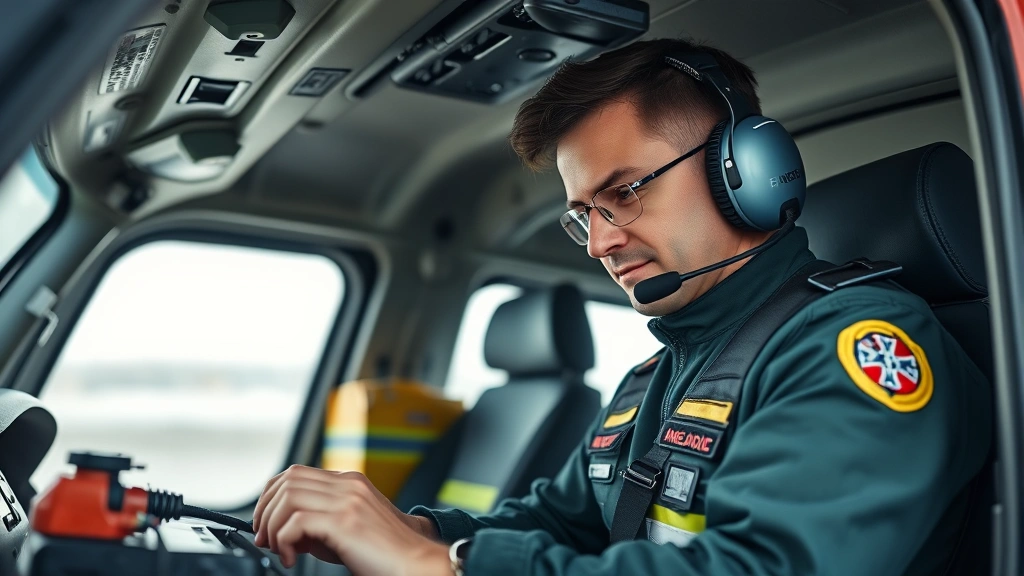
The rotor blades spin to life as you secure your gear, knowing that within minutes you’ll be airborne responding to a critical medical emergency. Flight paramedics operate in one of aviation’s most demanding and rewarding professions, where split-second decisions directly impact patient survival. Unlike typical ambulance paramedics working on the ground, flight paramedics combine advanced medical expertise with the unique challenges of providing emergency care in a dynamic, altitude-affected environment.
This comprehensive guide explores the realities of working as a flight paramedic, from daily responsibilities and training requirements to the mental and physical demands that define this extraordinary career. Whether you’re considering this path or simply curious about what happens when medical emergencies occur at 5,000 feet, discover the insights that reveal why flight paramedics consider themselves part of an elite aviation community.
What Flight Paramedics Actually Do
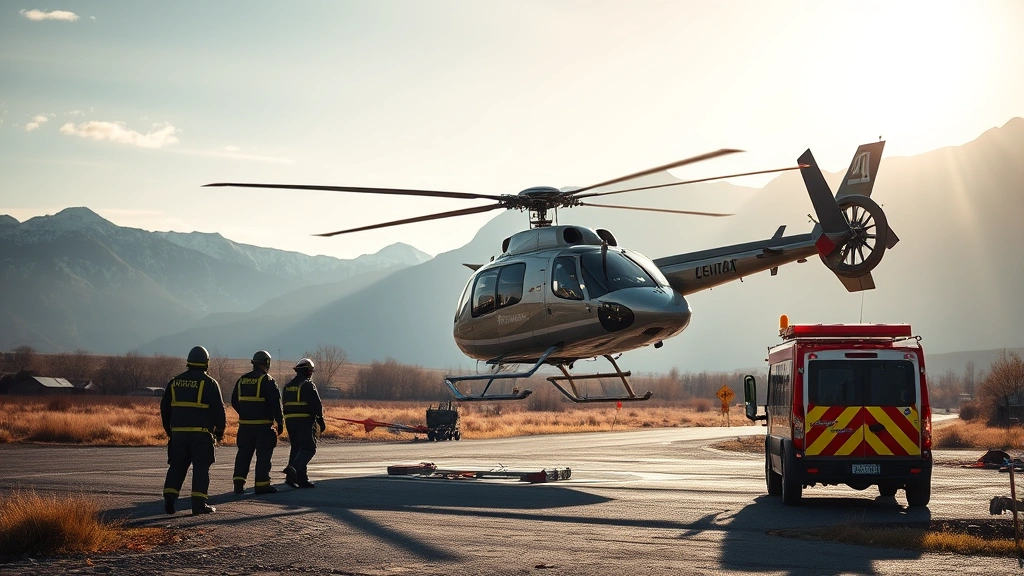
Flight paramedics are highly trained emergency medical professionals who provide critical care during helicopter or fixed-wing aircraft transport. Unlike ground-based paramedics who work within established hospital networks, flight paramedics operate in a three-dimensional environment where traditional protocols must be adapted for altitude, weather, and limited equipment access. Their primary mission involves rapid response to trauma scenes, inter-hospital transfers of critically ill patients, and search-and-rescue operations.
The scope of practice for flight paramedics extends significantly beyond what ground paramedics can provide. They manage airway emergencies, administer advanced medications, perform needle decompression for tension pneumothorax, and stabilize patients for transport in conditions that would ground most traditional ambulances. Many flight programs operate 24/7 across diverse terrain—mountains, rural areas, highways, and urban environments—requiring paramedics to adapt their skills constantly.
A typical shift involves multiple phases: standby periods at the base, rapid response to emergency calls, scene assessment and patient stabilization, transport decisions, en-route medical management, and hospital handoff. Flight paramedics work as part of a coordinated team that includes pilots, nurses, and occasionally physicians, depending on the program structure. The collaborative nature of flight medicine means paramedics must communicate effectively with aviation crew members while maintaining focus on patient care.
What distinguishes flight paramedics from their ground-based counterparts is the ability to bypass traditional hospital routing. They can transport patients directly to trauma centers, specialized facilities, or tertiary care hospitals, potentially bypassing closer facilities when clinical judgment indicates the patient requires specialized care. This decision-making authority carries significant responsibility and requires mature clinical judgment.
Training and Certification Requirements
Becoming a flight paramedic requires a multi-stage educational pathway that typically spans 2-4 years before you’re ready for your first flight. The journey begins with paramedic certification, which demands completion of a paramedic program (typically 1,200+ hours) and passing the National Registry of Emergency Medical Technicians (NREMT) examination. Most flight programs require a minimum of 2-3 years of ground paramedic experience before accepting applicants, ensuring candidates understand fundamental emergency medicine principles in stable environments first.
Once hired by a flight program, paramedics undergo specialized flight medicine training that addresses altitude physiology, aircraft safety, scene operations, and specialized procedures unique to aerial transport. This training typically lasts 4-12 weeks and covers critical topics including hypoxia recognition, decompression sickness, and how altitude affects medication efficacy and patient physiology. Paramedics learn to work in confined aircraft spaces with limited equipment access while managing patients in motion.
Additional certifications strengthen a flight paramedic’s qualifications. Many programs require or strongly encourage Certified Flight Paramedic (FP-C) certification through the Board for Critical Care Transport Paramedic Certification. This credential demonstrates mastery of flight-specific medical knowledge and is recognized across the industry. Other valuable certifications include Advanced Cardiac Life Support (ACLS), Pediatric Advanced Life Support (PALS), Trauma Nurse Core Course (TNCC) or equivalent trauma training, and Prehospital Trauma Life Support (PHTLS).
Ongoing education requirements remain substantial throughout a flight paramedic’s career. Most programs mandate 40-60 hours of continuing education annually, with monthly in-service training sessions covering protocol updates, equipment changes, and case reviews. This commitment to continuous learning reflects the dynamic nature of emergency medicine and aviation safety standards. Flight paramedics must maintain current knowledge in areas like critical care procedures, drug interactions, and emerging treatment protocols.
Physical fitness requirements are rigorous and ongoing. Paramedics must pass annual fitness evaluations, maintain current CPR certification, and demonstrate the physical capability to perform their duties in demanding conditions. The job requires lifting patients in awkward positions, working in extreme weather, and maintaining composure during high-stress situations—all while potentially experiencing altitude effects on your own physiology.
Daily Operations and Call Patterns
A flight paramedic’s day begins with thorough preparation. Morning briefings include weather assessment, aircraft maintenance verification, equipment checks, and communication with ground dispatch systems. Paramedics inspect medical equipment, verify medication supplies, check oxygen systems, and ensure all backup equipment functions properly. This pre-flight routine typically requires 30-60 minutes and is non-negotiable—lives depend on complete readiness.
Standby periods vary dramatically depending on call volume and seasonal factors. Rural programs might average 2-4 calls per shift, while busy urban programs can generate 8-12 calls. During standby, paramedics maintain physical conditioning, review protocols, conduct training sessions, and stay mentally prepared for immediate activation. The psychological challenge of waiting for emergencies while maintaining peak readiness shouldn’t be underestimated—paramedics describe it as controlled anticipation.
Call activation initiates a coordinated response. Dispatch provides preliminary information while pilots prepare the aircraft and paramedics gather initial equipment. From dispatch to takeoff typically occurs within 5-10 minutes. En route to the scene, paramedics review available information, anticipate potential complications, and mentally prepare for what they might encounter. This mental rehearsal is critical for optimal performance when arriving at chaotic emergency scenes.
Scene operations present unique challenges compared to ground-based paramedics. Flight paramedics must assess scene safety with aviation considerations—landing zones must be secure, weather must be manageable, and potential hazards must be identified. Ground personnel often defer to flight paramedics for scene management and patient stabilization. The paramedic must work efficiently in unfamiliar environments, frequently in darkness, rain, or difficult terrain, while maintaining focus on clinical assessment and treatment.
Transport decisions represent a crucial responsibility. Flight paramedics determine whether patients require air transport, ground transport, or can be managed at the scene. This decision requires balancing clinical urgency, weather conditions, aircraft availability, and hospital capabilities. Some patients benefit from rapid transport despite relatively stable conditions, while others might be better served by ground transport with less risk. These decisions carry significant liability implications and require confident clinical judgment.
Post-transport responsibilities include documentation, equipment restocking, aircraft cleaning, and debriefing. Flight paramedics must complete detailed patient care reports meeting legal standards and hospital requirements. Equipment inventory is verified and restocked to ensure readiness for the next call. Aircraft must be cleaned and prepared, and the flight crew debriefs on call outcomes and potential improvements. This attention to detail maintains the program’s operational excellence.
The Physical and Mental Demands
Flight paramedics operate in an environment that constantly challenges both body and mind. The physical demands extend beyond typical paramedicine. Paramedics work in confined aircraft cabins, often managing patients in motion during turbulent conditions. They must perform medical procedures while maintaining balance, work in extreme temperatures (heated aircraft interiors contrasting with cold night air), and physically carry patients and equipment across varied terrain.
Altitude exposure presents physiological challenges that ground paramedics never encounter. Most helicopter operations occur below 5,000 feet, minimizing altitude effects, but fixed-wing programs may operate at 10,000+ feet where oxygen availability decreases. Flight paramedics must understand how altitude affects their own physiology and patient conditions. Symptoms of hypoxia—confusion, impaired judgment, reduced coordination—can develop insidiously, and paramedics must remain vigilant about their own condition while managing patient care.
The mental and emotional demands distinguish flight paramedics from other healthcare workers. They regularly witness traumatic injuries, pediatric emergencies, and fatal outcomes. The high acuity of transported patients means flight paramedics frequently manage dying patients or perform futile resuscitations. Cumulative exposure to human suffering can contribute to compassion fatigue, post-traumatic stress, and moral injury—psychological wounds from situations that violate deeply held values.
Sleep disruption significantly impacts flight paramedic wellbeing. Many programs operate 24-hour shifts or 12-hour shifts with irregular scheduling. Night calls require rapid awakening and immediate peak performance. The circadian rhythm disruption from shift work contributes to fatigue, reduced cognitive function, and increased error risk. Experienced paramedics develop strategies for managing sleep deprivation, but it remains a persistent challenge throughout careers.
Crew dynamics add psychological complexity. Unlike ground paramedics who might work with rotating partners, flight paramedics work with the same pilots and nurses repeatedly. These relationships can be intensely supportive or occasionally strained. The interdependence of flight crews means personality conflicts have nowhere to hide. Paramedics who don’t establish positive relationships with their crews face significant stress and potential job dissatisfaction.
Critical incident stress is inevitable in flight paramedicine. Pediatric deaths, line-of-duty fatalities of fellow emergency responders, mass casualty incidents, and unsuccessful resuscitations of patients the paramedic couldn’t save all contribute to cumulative stress. Progressive programs provide critical incident stress management, peer support, and mental health resources. Many paramedics benefit from regular counseling and stress management training, though accessing these resources sometimes requires overcoming stigma.
Equipment and Technology
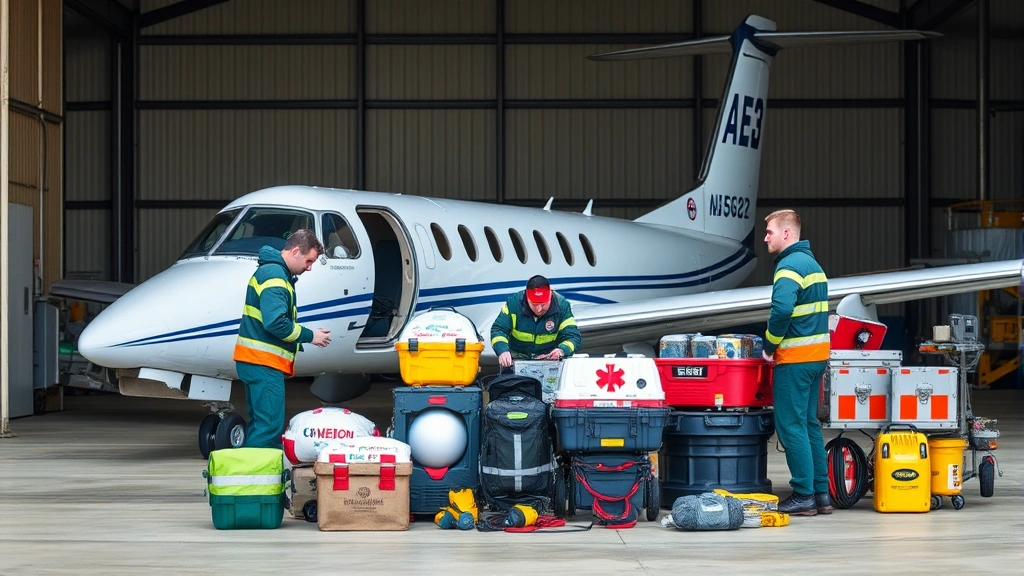
Flight paramedics operate with sophisticated medical equipment adapted for aerial environments. Unlike ground ambulances with extensive supply options, aircraft carry carefully selected equipment optimized for critical care transport. Standard equipment includes advanced airway management devices, cardiac monitors with defibrillation capability, mechanical ventilators, infusion pumps, and portable ultrasound systems in some advanced programs.
Medication availability differs from ground paramedics, often including expanded options like vasopressors, sedatives for rapid sequence intubation, and specialized medications for specific conditions. Flight programs typically authorize advanced procedures like needle decompression, chest tube placement, and emergency resuscitative hysterotomy that ground paramedics might not perform. This expanded scope reflects the flight environment’s isolation from immediate hospital resources.
Technology integration continues evolving in flight medicine. Many programs now utilize portable ultrasound for trauma assessment, telemedicine consultations with physicians during transport, and real-time data transmission to receiving hospitals. GPS tracking allows dispatch optimization, and weather radar integration improves safety. Some advanced programs employ point-of-care lab testing, reducing transport delays for critical diagnostic information.
Weight and space constraints require careful equipment selection. Unlike ground ambulances with unlimited carrying capacity, aircraft weight affects fuel consumption and performance. Every piece of equipment represents weight trade-offs. This reality means flight paramedics must prioritize essential equipment and master improvisation with limited resources—a skill that distinguishes them from ground-based colleagues.
Equipment maintenance and familiarity demand constant attention. Flight paramedics must understand every piece of equipment intimately, recognize malfunctions immediately, and perform emergency repairs or substitutions. Monthly equipment checks, regular training on new devices, and equipment evolution keep paramedics current. Some programs rotate equipment annually, requiring paramedics to master new systems continuously.
Career Advancement Opportunities
Flight paramedic careers offer diverse advancement pathways. Some paramedics transition into flight dispatcher roles, leveraging their operational knowledge to coordinate responses and manage aviation resources. Others pursue management positions within flight programs, overseeing training, protocols, and personnel. These administrative roles allow experienced paramedics to shape program excellence while reducing physical demands.
Clinical advancement opportunities include specialization in specific populations. Some programs employ paramedics with additional training in neonatal transport, pediatric critical care, or specialized trauma management. These specialists command higher compensation and develop expertise in specific patient populations. Flight nurses often work alongside paramedics, and some paramedics pursue nursing degrees to expand clinical capabilities and career options.
Educational advancement attracts many experienced flight paramedics. Becoming a flight medicine instructor, developing training curricula, or teaching at paramedic programs allows paramedics to influence the next generation. Universities increasingly employ flight paramedics as adjunct faculty, and some paramedics earn advanced degrees in healthcare administration, public health, or related fields. The SkyVoyage Hub Blog regularly features career development insights for aviation healthcare professionals.
Lateral moves within aviation healthcare provide alternatives to flight operations. Some paramedics transition to airline medical response teams, aerospace medicine, or aviation safety positions. Others establish independent consulting practices advising flight programs on protocol development or training optimization. The skills developed as flight paramedics—critical decision-making, performance under pressure, advanced clinical knowledge—transfer well to diverse healthcare and aviation roles.
International opportunities exist for experienced flight paramedics. Some programs operate internationally, and paramedics with flight experience find employment with international air ambulance services, military aeromedical programs, or humanitarian organizations. These positions often require additional certifications but offer unique professional experiences and cultural exposure unavailable in domestic programs.
Compensation and Benefits
Flight paramedic compensation varies significantly based on geographic location, program type, experience level, and employer. Typically, flight paramedics earn 20-40% more than ground paramedics in comparable markets. Entry-level positions average $45,000-$55,000 annually in many regions, while experienced paramedics in major metropolitan areas or specialized programs earn $70,000-$95,000 or more. Some private programs and international positions offer significantly higher compensation.
Benefits packages often exceed typical paramedicine offerings. Comprehensive health insurance, retirement plans with employer matching, and life insurance are standard. Many programs offer tuition reimbursement for continuing education and advanced certifications. Paid time off varies but often includes generous vacation allowances, recognizing the demanding nature of the work. Some programs provide mental health benefits, fitness facility access, and wellness programs addressing the unique stressors of flight medicine.
Shift flexibility differs from ground paramedicine. Many programs employ paramedics on 24-hour shifts, often working 10-14 days monthly. This schedule allows extended time off for personal pursuits, second jobs, or recovery from the demanding work. Some programs offer 12-hour shifts or flexible scheduling options. The concentrated work schedule appeals to paramedics seeking significant time away from emergency operations, though others find extended shifts exhausting.
Continuing education support represents a significant benefit. Progressive programs reimburse certification costs, conference attendance, and advanced training. Some programs mandate continuing education, then fund paramedics’ participation. This investment in professional development benefits both paramedics and programs through improved clinical knowledge and staff retention.
Career longevity varies in flight paramedicine. Some paramedics work 30+ year careers, while others transition after 5-10 years due to physical demands, emotional toll, or desire for different work environments. Programs that emphasize wellness, mental health support, and career development retain experienced paramedics longer. As major airlines increasingly employ medical professionals, lateral moves from flight operations to airline medicine provide alternative career paths with reduced physical demands.
Real-World Challenges and Rewards
Flight paramedics confront unique challenges that test their character. Weather represents an ever-present constraint. Storms, fog, high winds, and low visibility frequently prevent flights or force paramedics to make difficult decisions about transport appropriateness. Patients waiting for helicopter transport during marginal weather conditions may deteriorate while paramedics standby, unable to launch. This helplessness—knowing a patient needs your expertise but weather prevents departure—creates moral distress that accumulates over careers.
Scene safety presents constant vigilance requirements. Unlike ground paramedics arriving with law enforcement, flight paramedics sometimes land in active scenes with potential hazards. Unstabilized vehicles, downed power lines, hazardous materials, and violence require rapid assessment and sometimes difficult decisions to delay patient care until scene safety is established. Paramedics must balance patient urgency with personal safety—a responsibility that carries lifelong weight if decisions go wrong.
Pediatric emergencies profoundly impact flight paramedics. Injured children, drowning victims, and critically ill infants trigger emotional responses even in seasoned professionals. The combination of high acuity and innocent victims creates particularly challenging cases. Many paramedics describe pediatric calls as the most difficult aspects of their work, and progressive programs provide extra support following these cases.
Despite these challenges, flight paramedics consistently report profound job satisfaction. They describe the privilege of entering patients’ lives during critical moments and potentially altering outcomes through their expertise. Successful resuscitations, trauma patients who walk away from accidents that should have been fatal, and knowing families’ gratitude create meaning that sustains careers. Flight paramedics often describe their work as a calling rather than employment.
The camaraderie among flight crews creates bonds distinct from most professions. Shared experiences in life-or-death situations, mutual dependence for safety, and the exclusive nature of the profession create tight-knit teams. Many flight paramedics describe their crews as extended family, and long-term relationships often extend beyond professional contexts. This sense of belonging and purpose resonates as a primary reward alongside financial compensation and clinical advancement.
Personal growth through flight paramedicine extends beyond medical knowledge. Paramedics develop resilience, emotional intelligence, and perspective that transforms their entire lives. Exposure to human fragility, mortality, and resilience fundamentally changes how paramedics view existence. Many report that flight paramedicine deepens their appreciation for family, health, and life’s precious nature. These intangible rewards often surpass any financial compensation in long-term career satisfaction.
FAQ
What’s the difference between flight paramedics and flight nurses?
Flight paramedics are emergency medicine specialists trained in paramedicine, while flight nurses hold nursing degrees and licenses. Flight programs employ both roles, with different clinical focuses. Paramedics typically manage acute trauma and emergency scenes, while nurses often specialize in critical care transport. Many programs employ paramedic-nurse teams, each bringing distinct expertise. Some programs employ paramedics exclusively, while others prefer nurse-paramedic combinations.
How often do flight paramedics actually use advanced procedures?
Frequency varies dramatically by program and geography. Busy trauma programs might perform needle decompression monthly, while rural programs might perform the same procedure quarterly. Most flight paramedics spend the majority of their time on patient stabilization and transport rather than dramatic procedures. The advanced procedures represent tools available when needed, not routine activities. This reality sometimes disappoints newly hired paramedics expecting constant action.
Can you work as a flight paramedic part-time?
Most flight programs employ paramedics full-time due to training requirements, certification maintenance, and crew coordination needs. Some programs offer per-diem or casual positions with reduced hours, but these typically require significant experience and flexibility. Part-time flight paramedicine remains rare, though some paramedics work part-time with ground services while maintaining flight certifications.
What happens if you have a medical condition affecting your ability to work?
Flight paramedics maintain medical certification requirements similar to pilots. Certain conditions—uncontrolled hypertension, cardiac arrhythmias, vision problems, or hearing loss—can affect certification. Paramedics with developing medical conditions should consult their program medical director early. Some conditions allow accommodation through modified duties or temporary leaves. Progressive programs work with paramedics to maintain careers when possible, though safety standards sometimes necessitate transitions to ground-based or administrative roles.
How do flight paramedics handle patient refusal of transport?
Flight paramedics follow protocols similar to ground paramedics but with additional considerations. If a patient refuses transport and appears competent, paramedics document the refusal and inform the patient of risks. However, the significant resources committed to flight operations means programs often encourage transport once launched. Paramedics must balance respecting patient autonomy with program efficiency, and this balance sometimes creates ethical tension.
What’s the most challenging aspect of being a flight paramedic?
Most paramedics identify the emotional toll as most challenging. Cumulative exposure to human suffering, inability to save every patient, and moral distress from system limitations create psychological burdens. The physical demands, sleep disruption, and family separation matter significantly, but emotional resilience separates successful long-term paramedics from those who transition to other careers. Programs increasingly recognize mental health as critical to retention and effectiveness, though accessing support sometimes requires overcoming cultural stigma within paramedicine.