Pilot Outage Impact: Expert Insights on Flight Delays and What You Need to Know
A recent US pilot messaging outage has sent shockwaves through the aviation industry, affecting thousands of flights and leaving passengers scrambling for answers. When communication systems fail in aviation, the ripple effects extend far beyond a single airport or airline—they impact scheduling, crew coordination, and ultimately, your travel plans. This comprehensive guide breaks down what happened, why it matters, and what you can do to protect your journey.
The outage highlighted a critical vulnerability in modern aviation infrastructure. Pilots rely on sophisticated messaging systems to receive flight assignments, weather updates, maintenance alerts, and crew coordination information. When these systems go down, even for a few hours, the domino effect can cause delays cascading across the entire network. Understanding this incident helps you make better decisions about your travel and prepare for potential disruptions.
What Happened During the Pilot Messaging Outage
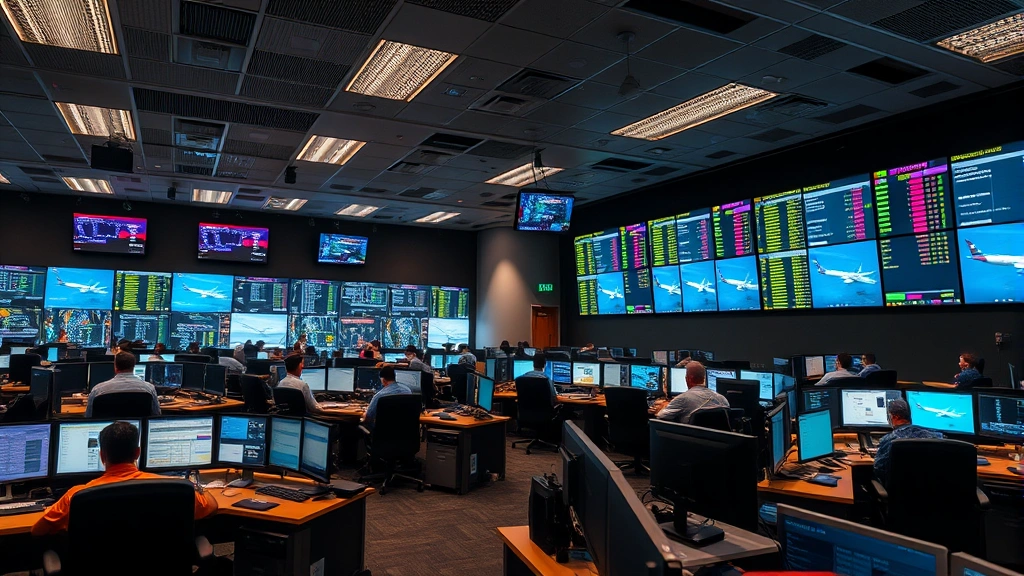
The pilot messaging outage occurred when a critical communication platform used by major US carriers experienced a technical failure. This system, essential for transmitting flight information, crew assignments, and operational updates directly to pilot tablets and cockpit displays, went offline during peak operational hours. The outage lasted several hours and affected multiple airlines simultaneously, creating unprecedented coordination challenges across the industry.
During the outage, pilots couldn’t receive real-time updates about gate assignments, passenger counts, weight-and-balance calculations, or last-minute weather warnings. Ground crews faced similar communication breakdowns, unable to coordinate with flight decks efficiently. Airlines were forced to rely on backup communication methods—phone calls, radio transmissions, and manual paperwork—systems designed for emergencies but not optimized for managing hundreds of simultaneous flights.
The root cause traced back to a software update that inadvertently created a cascading system failure. What should have been a routine maintenance procedure became a cautionary tale about the complexity of interconnected aviation systems. Even redundancies designed to prevent such failures couldn’t prevent the complete outage, exposing gaps in backup protocols that the industry thought were adequately protected.
How Outages Affect Flight Operations
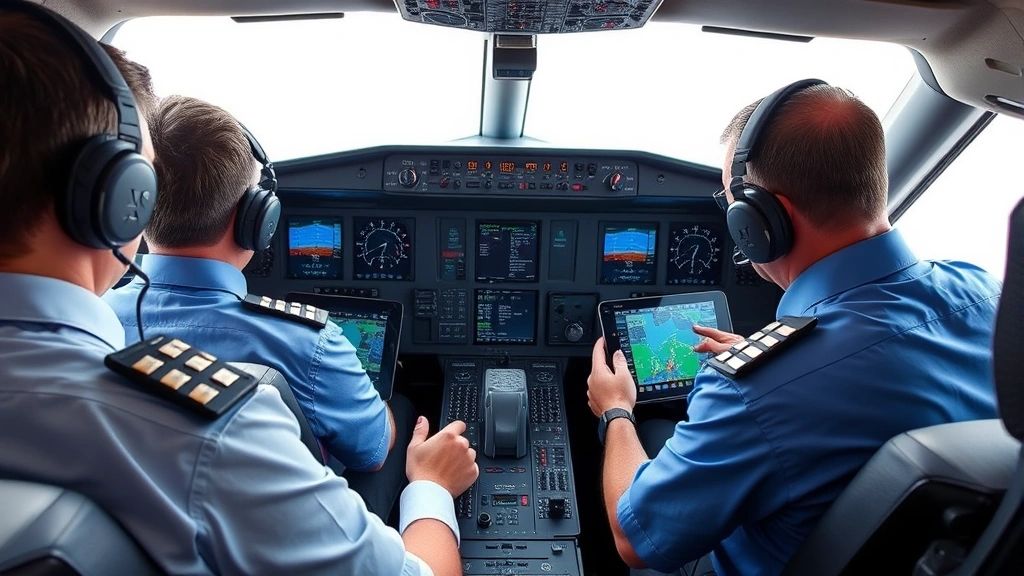
Understanding how a messaging outage impacts flight operations requires knowing the modern cockpit’s dependence on digital systems. Today’s commercial aircraft rely on Electronic Flight Bags (EFBs)—essentially sophisticated tablets loaded with flight plans, weather data, performance calculations, and operational procedures. When the systems feeding information to these devices fail, pilots must revert to older, more time-consuming methods.
The cascade of delays begins immediately. Ground crews cannot confirm that pilots have received updated passenger counts, potentially delaying departure while manual verification occurs. Weight-and-balance calculations, critical for safe flight, must be recalculated and transmitted through alternative channels. Runway assignments and gate information, normally updated automatically, require manual communication. Each of these steps takes exponentially longer when done manually rather than through automated systems.
Crew scheduling becomes particularly problematic during outages. Flight attendants need to know passenger counts and special requirements. Pilots need assignment confirmations and weather briefings. Mechanics need maintenance directives. When the central messaging system fails, coordinating these interdependent functions becomes a logistical nightmare. Airlines must make decisions about whether to delay flights for proper coordination or depart with incomplete information—neither option is ideal.
The domino effect extends throughout the day. A two-hour delay on a morning flight means that aircraft and crew are misaligned for subsequent flights. A plane that should arrive in Denver at 10 AM now arrives at noon, pushing back every subsequent flight that aircraft operates. By afternoon, the entire network shows cascading delays. Passengers booked on flights from Denver to Los Angeles might experience unexpected delays even though the outage occurred in a different region, simply due to aircraft rotation disruptions.
Additionally, the outage forces airlines to make difficult decisions about crew legality. Pilots and flight attendants have strict duty-time limitations for safety reasons. When flights are delayed significantly, crews approach their maximum allowable duty hours. Rather than risk violating regulations, airlines must cancel some flights or call in reserve crew members, further complicating operations.
Impact on Major US Airlines
The outage affected virtually every major US airline, though the severity varied depending on their reliance on the affected system and their backup capabilities. Some carriers had more robust redundancy measures and recovered faster, while others struggled for hours. Understanding which airlines were most affected helps you assess their preparedness for future incidents.
Airlines with older backup systems recovered more quickly because their crews were more practiced with manual procedures. Conversely, carriers that had modernized extensively and reduced manual backup procedures faced steeper challenges when digital systems failed. This created an ironic situation where newer, more advanced systems proved more fragile during failure scenarios. The industry recognized that over-reliance on automation without adequate manual backup procedures creates dangerous vulnerabilities.
The outage prompted rapid response from airline operations centers. Dispatchers worked frantically to communicate with pilots through alternative channels. Some airlines used satellite phones, others relied on radio frequencies, and many resorted to calling pilots directly on personal cell phones. These workarounds worked but were inefficient and prone to miscommunication. A pilot might receive contradictory information from different sources, requiring additional verification time.
Recent aviation incidents, like the United Flight Hawaii Denver door alert, demonstrate how communication failures can create safety risks. When systems fail, the potential for dangerous miscommunications increases significantly. The pilot outage, while not resulting in safety incidents, highlighted the fragility of systems we depend on for safe, efficient operations.
For passengers, the impact varied dramatically. Some experienced minor delays of 30-60 minutes. Others missed connections or had flights canceled entirely. Frequent flyers and elite passengers sometimes received priority rebooking, while economy passengers faced longer waits for alternative flights. The outage revealed how airlines’ responses to system failures often depend on passenger status—a reality that frustrates many travelers.
Passenger Rights During System Failures
When flights are delayed or canceled due to airline operational issues like system outages, passenger rights vary depending on whether the outage qualifies as an “act of God” or airline responsibility. The Department of Transportation has specific regulations, though interpretation remains somewhat flexible. Generally, if an airline’s internal system fails, they bear responsibility for passenger accommodation and compensation.
Under DOT regulations, passengers on delayed flights are entitled to specific accommodations. For delays exceeding three hours, airlines must provide rebooking on the next available flight to your destination, whether on their own aircraft or a competing carrier. Airlines must also provide meals, beverages, and hotel accommodations for overnight delays, plus ground transportation. These requirements apply when the airline caused the delay, which messaging system outages typically do.
Compensation beyond accommodations is more complex. The US doesn’t have automatic compensation for domestic delays like Europe does. However, passengers can file complaints with the DOT, and persistent operational issues create liability. Some passengers have successfully pursued compensation claims through small claims court or credit card chargebacks for significant inconveniences caused by airline system failures.
Documentation is crucial when seeking compensation. Keep all receipts for meals, transportation, and accommodations purchased during delays. Take screenshots of flight statuses and delays. Save confirmation numbers and correspondence with airline representatives. Document the reason the airline gave for delays. This evidence supports claims if you pursue compensation later. Many passengers don’t realize they have recourse because airlines don’t volunteer compensation information.
Travel insurance becomes particularly valuable during system outages. Comprehensive travel insurance policies cover delays caused by airline operational failures, providing reimbursement for meals, hotels, and missed events. If you’re considering a trip where delays would significantly impact your plans, travel insurance offers peace of mind and financial protection. Review policies carefully to ensure they cover airline operational issues.
How to Monitor Flight Status
During and after system outages, monitoring flight status becomes critical for protecting your travel plans. Relying solely on airline apps or websites is risky when those systems are affected by outages. Smart travelers use multiple sources to get comprehensive, real-time flight information.
Third-party flight tracking apps like FlightAware, FlightRadar24, and Plane Finder provide data independent of airline systems. These apps track aircraft transponder signals, showing actual location, altitude, and speed. They often show delays and cancellations before airlines officially announce them, giving you advance warning to make alternative arrangements. Many travelers check these apps before checking official airline information.
Sign up for text and email alerts through airline apps, but supplement with alerts from third-party services. When a system outage occurs, airlines’ own notification systems might be compromised, but third-party services continue functioning. This redundancy ensures you receive information regardless of which systems fail.
Follow relevant airlines and airports on social media. Twitter, in particular, is where airlines post real-time operational updates during crises. Ground staff and customer service representatives often provide information on social media before official channels are updated. During the recent outage, Twitter showed passenger complaints and airline responses within minutes, often before official press releases.
Call the airline directly during major disruptions rather than relying solely on digital communication. Phone representatives have access to information systems that might not be available through apps or websites. They can provide rebooking options, explain delays, and sometimes offer compensation information. While hold times are longer during system outages, phone contact often yields better results than digital channels.
Check weather services independently. Sometimes airlines blame weather for delays caused by system failures. Verifying actual weather conditions at departure and arrival airports helps you assess whether delays have legitimate weather causes. If weather is clear but flights are delayed, the delay likely stems from operational issues rather than safety concerns.
Preparing for Future Disruptions
The pilot messaging outage serves as a reminder that aviation disruptions happen and will continue to happen. Smart travelers prepare for potential disruptions rather than hoping they won’t occur. Taking proactive steps significantly reduces the impact of delays and cancellations on your travel plans.
Build buffer time into your itineraries. Rather than booking a connection 90 minutes after landing, book 3-4 hours when possible. This buffer accommodates delays without forcing you to miss connections. While this means longer travel days, it dramatically reduces stress and the likelihood of missed flights. The essential tips for long haul flights include building in adequate connection time to handle unexpected delays gracefully.
Purchase travel insurance that covers airline operational failures. Comprehensive policies reimburse meals, hotels, and other expenses incurred due to delays. This protection is particularly valuable on expensive trips or time-sensitive travel. Review policies carefully to ensure they cover the specific scenarios you’re concerned about.
Pack essential medications, chargers, and important documents in carry-on bags. If checked luggage is delayed due to flight disruptions, having essentials in your carry-on prevents significant hardship. Medications especially cannot be replaced quickly, making carry-on backup critical for anyone with health needs.
Keep flexible booking options when possible. Direct flights cost more but eliminate connection risks. If connection risks are unavoidable, booking with airlines that have better operational reliability and backup procedures reduces disruption likelihood. The best airlines for long flights include carriers with strong operational records and customer service, factors that help during disruptions.
Understand luggage policies before traveling. Knowing airline luggage size restrictions and policies prevents frustrating gate-check situations that compound delays. Additionally, if your flight is canceled or significantly delayed, understanding what airlines must do regarding luggage helps you advocate for your rights.
Maintain realistic expectations about compensation. While passenger rights exist, airlines often interpret them narrowly. Getting compensation requires persistence, documentation, and sometimes legal action. Many passengers accept airline vouchers rather than pursuing cash compensation, even when they have valid claims. Understanding your rights helps you make informed decisions about pursuing compensation versus accepting offered alternatives.
Connect with other passengers experiencing delays. During major disruptions, passenger groups sometimes form and collectively pursue compensation or media attention. While this doesn’t guarantee results, it increases pressure on airlines to address systemic issues. The Sky Voyage Hub Blog covers aviation incidents and passenger rights, providing resources for travelers navigating disruptions.
FAQ
How long do pilot messaging outages typically last?
Outages vary significantly depending on the cause and complexity of fixes required. The recent incident lasted several hours, but some outages resolve in minutes while others persist for a full day. Airlines maintain backup systems designed to minimize outage duration, but complete restoration requires thorough testing to ensure no residual problems exist.
Can pilots fly without digital messaging systems?
Yes, pilots can operate flights using manual procedures and radio communication, as they have for decades. However, modern operations rely heavily on digital systems for efficiency and safety. Flying without these systems is possible but significantly slower and more prone to miscommunication. This is why outages create cascading delays rather than immediate cancellations.
Do airlines get fined for system outages?
The FAA can levy fines against airlines for operational failures, but system outages themselves don’t automatically trigger penalties unless they create safety risks. However, if outages repeatedly disrupt operations, regulatory scrutiny increases. The DOT can also investigate service failures, potentially leading to enforcement actions or required improvements.
Should I avoid flying during peak travel times to reduce outage risk?
While outages can happen anytime, they cause more disruption during peak travel periods when more flights are scheduled. Flying during off-peak times reduces your exposure to cascading delays. However, outages are unpredictable, so avoiding peak times offers only marginal risk reduction. Building buffer time into itineraries provides more reliable protection.
How do airlines prevent future outages like this?
Airlines are implementing redundant systems, better backup procedures, and more rigorous testing protocols. However, completely eliminating outage risk is impossible with complex digital systems. The industry focus shifts toward faster recovery and better manual procedures when outages occur, accepting that failures will happen while minimizing their impact.
Can I get compensation if my flight was delayed due to the pilot outage?
Possibly, depending on delay duration and your airline. Delays exceeding three hours entitle you to accommodations and rebooking. Compensation beyond accommodations is less certain and varies by airline and circumstances. Document everything and file complaints with the DOT if you believe you’re entitled to compensation.