China Airlines Cancellations? Expert Insights on Flight Disruptions
Flight cancellations can be frustrating for any traveler, and when a major carrier like China Airlines experiences widespread disruptions, it raises immediate questions about what went wrong. Whether you’re a frequent flyer or planning your first trip to Taiwan or across Asia, understanding the reasons behind China Airlines cancellations helps you prepare better and know your passenger rights. This comprehensive guide explores the common causes of flight cancellations, how China Airlines handles disruptions, and what you should do if your flight is affected.
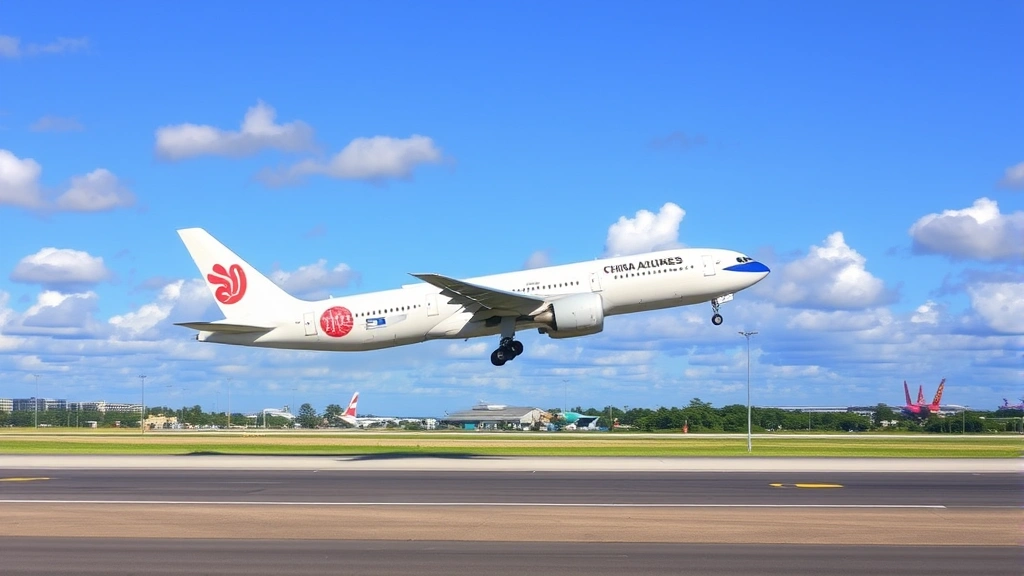
China Airlines, officially China Airlines Ltd., is Taiwan’s largest international airline and a crucial carrier for travelers heading to East Asia, North America, and beyond. When multiple flights are cancelled on the same day, the impact ripples across the aviation industry, affecting thousands of passengers and their travel plans. From weather-related issues to operational challenges, several factors can trigger significant cancellations that require immediate attention and passenger communication.
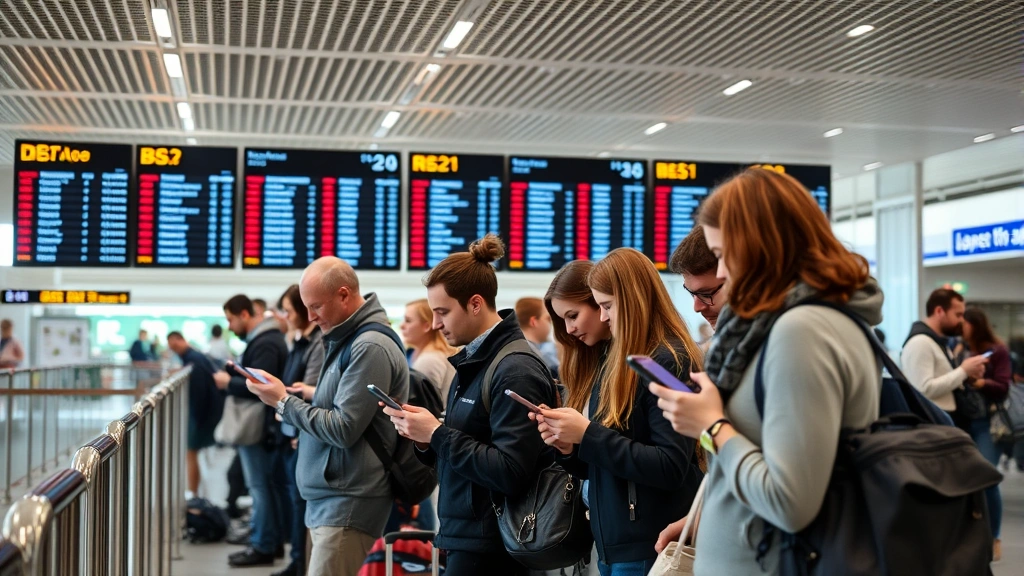
Weather-Related Flight Cancellations
Severe weather is one of the most common reasons for flight cancellations across all airlines, including China Airlines. Typhoons, heavy thunderstorms, and extreme wind conditions in Taiwan and across Asia’s flight corridors can force carriers to ground aircraft for passenger safety. During typhoon season (typically June through September), cancellations increase significantly as the airline prioritizes protecting both passengers and crew.
China Airlines operates extensively across the Asia-Pacific region, where tropical weather systems develop rapidly and unpredictably. When weather warnings are issued, the airline must make difficult decisions about whether to proceed with flights or cancel them. These decisions aren’t made lightly—they involve coordination with meteorological services, airport authorities, and aviation regulators. Low visibility, severe turbulence forecasts, and runway flooding can all trigger cascading cancellations throughout the day.
Winter weather also impacts China Airlines operations, particularly on routes to North America and Northern Asia. Ice accumulation, heavy snowfall, and winter storms can require extended de-icing procedures, fuel diversions, and schedule adjustments. When weather affects major hub airports like Taipei Taoyuan International Airport, the consequences multiply as connecting flights throughout the network face delays and cancellations.
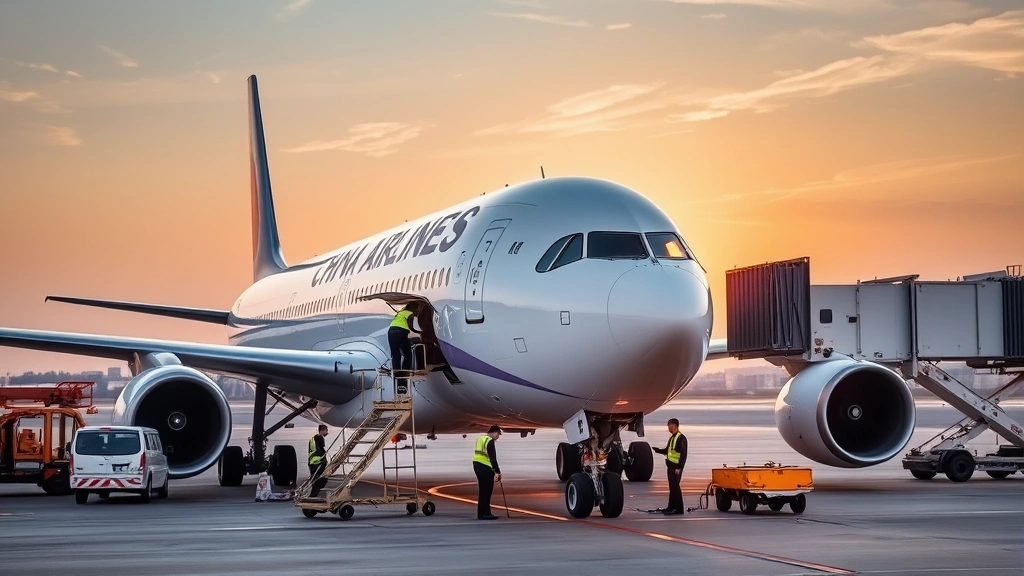
Operational and Technical Factors
Beyond weather, mechanical and technical issues represent another significant category of cancellations. Aircraft require rigorous maintenance checks before every flight, and when inspectors discover problems during pre-flight maintenance, the airline must cancel that flight rather than risk passenger safety. These issues can range from minor component replacements to more serious engine or avionics problems requiring extensive repair work.
China Airlines maintains a modern fleet, but like all airlines, occasionally encounters unexpected technical issues. A single aircraft being grounded for repairs can trigger multiple cancellations if that plane was scheduled for several flights throughout the day. The airline must then scramble to reassign other available aircraft, which may not be positioned correctly or may already be committed to other routes.
System failures also disrupt operations. Booking systems, flight management computers, and crew scheduling software all play critical roles in daily operations. When these systems experience outages or glitches, they can cascade into cancellations and delays as the airline struggles to coordinate flights, crew assignments, and passenger bookings manually.
Additionally, fuel supply issues, catering problems, or ground equipment failures can force flight cancellations. When China Airlines cannot source adequate supplies or when ground handling equipment malfunctions, continuing with the flight may be impossible without compromising service quality or safety standards.
Staff and Resource Constraints
Pilot and crew availability significantly impacts China Airlines’ cancellation rates. Flight crew members are subject to strict duty-time regulations enforced by aviation authorities worldwide. If crew members exceed their maximum flight hours or rest requirements, they cannot legally operate flights, forcing cancellations. During periods of high demand or when unexpected crew absences occur (illness, family emergencies), the airline may lack sufficient trained personnel to staff all scheduled flights.
Ground staff shortages also contribute to cancellations. When ramp agents, ground handlers, baggage handlers, or customer service representatives are unavailable, the airline cannot properly service aircraft or process passengers. This is particularly problematic at hub airports like Taipei, where China Airlines manages numerous simultaneous operations.
The aviation industry has struggled with staffing challenges since the pandemic. Many workers left the industry, and recruitment and training take considerable time. When China Airlines cannot fill positions quickly enough, operational efficiency suffers, leading to cancellations or consolidations where multiple flights are combined into single flights.
Resource allocation decisions also factor into cancellations. If China Airlines projects lower demand on certain routes, it may consolidate flights, cancelling one flight and moving passengers to another. While this improves load factors and reduces operating costs, it results in cancellations that affect passenger plans.
Airport Infrastructure and Congestion
Major airports where China Airlines operates, including Taipei Taoyuan International Airport, often experience congestion during peak hours. When airports reach capacity, they implement slot restrictions that limit the number of flights allowed to depart or land. These restrictions can force China Airlines to cancel flights that don’t have available slots.
Runway closures for maintenance or construction, taxiway congestion, and gate availability issues all impact flight operations. When Taipei airport undergoes maintenance on runways or taxiways, the reduced capacity creates bottlenecks that ripple throughout the day. China Airlines flights may be cancelled to make room for flights from other carriers or to accommodate runway work schedules.
Air traffic control delays and restrictions also trigger cancellations. When en route airspace experiences congestion or when neighboring airports experience disruptions, air traffic control may implement ground stops or flow restrictions. These system-wide measures force airlines like China Airlines to cancel flights to manage demand and ensure safe spacing between aircraft.
Ground handling capacity at connecting airports presents another challenge. If China Airlines cannot secure adequate ground handling services at destination airports, it may cancel flights rather than risk service failures. This is particularly relevant for flights to smaller regional airports with limited ground support infrastructure.
Your Rights and Compensation Options
When China Airlines cancels your flight, you have specific rights depending on the circumstances and regulations applicable to your flight. Understanding these rights helps you navigate the situation and potentially receive compensation you’re entitled to.
Under EU Regulation 261/2004 (applicable to flights departing from EU airports or operated by EU carriers), passengers are entitled to compensation up to €600 for flight cancellations, depending on flight distance and circumstances. However, airlines can avoid paying compensation if they prove extraordinary circumstances—weather events, air traffic control strikes, or security risks—made cancellation unavoidable.
China Airlines must provide affected passengers with alternative transportation or a full refund of unused ticket portions. The airline must also cover accommodation and meal expenses if you’re stranded overnight due to a cancellation. For cancellations notified less than two weeks in advance, you may be entitled to additional compensation beyond just rebooking.
When contacting China Airlines about a cancelled flight, request written confirmation of the cancellation reason. This documentation is crucial if you later pursue compensation claims. Keep all receipts for expenses incurred due to the cancellation—hotels, meals, ground transportation—as these may be reimbursable.
For flights within Taiwan or to Taiwan from other countries, check Taiwan’s Civil Aeronautics Administration (CAA) regulations. Taiwan has specific passenger protection rules that may provide additional compensation rights. International flights may fall under different regulations based on departure and destination countries.
Travel insurance becomes invaluable when flight cancellations occur. Comprehensive travel insurance covers cancellation losses, allowing you to recover costs when airlines cancel flights. Before purchasing tickets, review what insurance coverage is available and whether it protects against cancellations.
How to Avoid Cancellation Disruptions
While you cannot prevent all cancellations, strategic planning reduces your vulnerability to disruptions. First, monitor weather forecasts before your travel dates. If typhoon season approaches or severe weather is predicted, consider flexible booking options or travel insurance that covers weather-related cancellations.
Book flights during off-peak times when possible. Early morning and late evening flights often have fewer cascading delays because they’re less affected by earlier disruptions. Mid-day flights suffer more from compounding delays throughout the day. Additionally, booking direct flights rather than connections minimizes cancellation risk—if your first flight is cancelled, your entire itinerary collapses.
When booking with China Airlines, consider purchasing refundable or flexible ticket options. These cost more upfront but provide valuable protection if cancellations occur. Standard non-refundable fares offer limited options if your flight is cancelled.
Arrive at the airport earlier than required. When cancellations occur, airlines prioritize rebooking passengers who are already present and checked in. Arriving early increases your chances of securing seats on alternative flights before they fill up.
Build buffer time into your itinerary, particularly on connecting flights. If you have a tight connection and your first flight is cancelled, you’ll miss your second flight. Building in at least a two-hour buffer between flights provides flexibility if disruptions occur.
For business travelers, consider reviewing Sky Voyage Hub Blog regularly for airline updates and industry news. Staying informed about airline performance and common disruption patterns helps you make better booking decisions.
Register for China Airlines’ notification services and mobile app alerts. The airline sends real-time updates about schedule changes, cancellations, and gate assignments. Receiving notifications immediately allows you to respond quickly and potentially secure alternative arrangements before other passengers.
Maintain flexibility in your travel plans when possible. If your schedule allows, book flights with longer layovers or consider traveling a day earlier or later than your preferred dates. This flexibility dramatically reduces stress when cancellations occur.
FAQ
How do I find out if my China Airlines flight is cancelled?
Check the China Airlines website, your booking confirmation email, or call the airline directly. The China Airlines mobile app provides real-time flight status updates. You can also contact your travel agent or check flight tracking websites like FlightRadar24 or airport departure boards.
Can I get a refund if China Airlines cancels my flight?
Yes, you’re entitled to a full refund of your ticket price if you choose not to accept rebooking. Alternatively, China Airlines will rebook you on the next available flight to your destination. The airline must also provide accommodation and meals if cancellation requires an overnight stay.
What compensation am I entitled to for a cancelled flight?
Compensation depends on your flight’s departure point and applicable regulations. For flights departing from EU airports, you may receive €250-600 depending on flight distance. For other flights, compensation varies by country and regulation. Check your flight’s specific regulations to determine your entitlements.
Are weather-related cancellations exempt from compensation?
Yes, airlines are not required to pay compensation for cancellations caused by extraordinary circumstances like severe weather. However, the airline must still provide alternative transportation, refunds, and care (meals, accommodation) regardless of the cancellation reason.
How can I check if China Airlines has a history of cancellations?
Review flight statistics on websites like FlightStats or AirlineRatings. These sites provide historical on-time performance data and cancellation rates. You can also read passenger reviews on travel forums and review sites. For comparison, check our guide on the best airlines for long flights to see how China Airlines compares to competitors.
Should I purchase travel insurance to protect against cancellations?
Travel insurance is highly recommended, particularly for expensive flights or during high-risk seasons. Comprehensive policies cover cancellation costs, allowing you to recover expenses if the airline cancels your flight. Review policy details carefully to ensure cancellation coverage is included.
What should I do if I’m stranded due to a China Airlines cancellation?
Contact China Airlines immediately and request rebooking on the next available flight. Keep all receipts for accommodation, meals, and transportation. Request written confirmation from the airline about the cancellation and your rebooking. Document everything for potential compensation claims.
Can I claim compensation for a cancelled connecting flight?
If you miss a connecting flight due to an airline-caused cancellation on your first flight, you may be entitled to compensation. Contact the airline that cancelled your first flight and explain the situation. For guidance on booking multiple passengers, review our article about how to book flight for multiple people.
How does China Airlines handle crew scheduling issues?
When crew scheduling problems arise, China Airlines works to reassign crew members from other flights or calls in reserve crew. If adequate crew cannot be sourced, the airline cancels flights. This is why crew availability often impacts flight schedules, particularly during peak travel periods.
Are there specific times of year when China Airlines cancellations increase?
Yes, cancellations typically increase during typhoon season (June-September) when severe weather is common in the Asia-Pacific region. Winter months also see increased cancellations due to snow and ice at Northern Hemisphere destinations. Holiday periods experience higher cancellation rates due to increased demand and resource constraints.
For official information about China Airlines operations, visit the China Airlines official website. For passenger rights information, consult the Civil Aeronautics Administration of Taiwan. For weather-related flight information, check the Central Weather Bureau Taiwan. For international aviation safety standards, reference the International Civil Aviation Organization. Additional travel guidance is available from Taiwan Tourism Bureau.