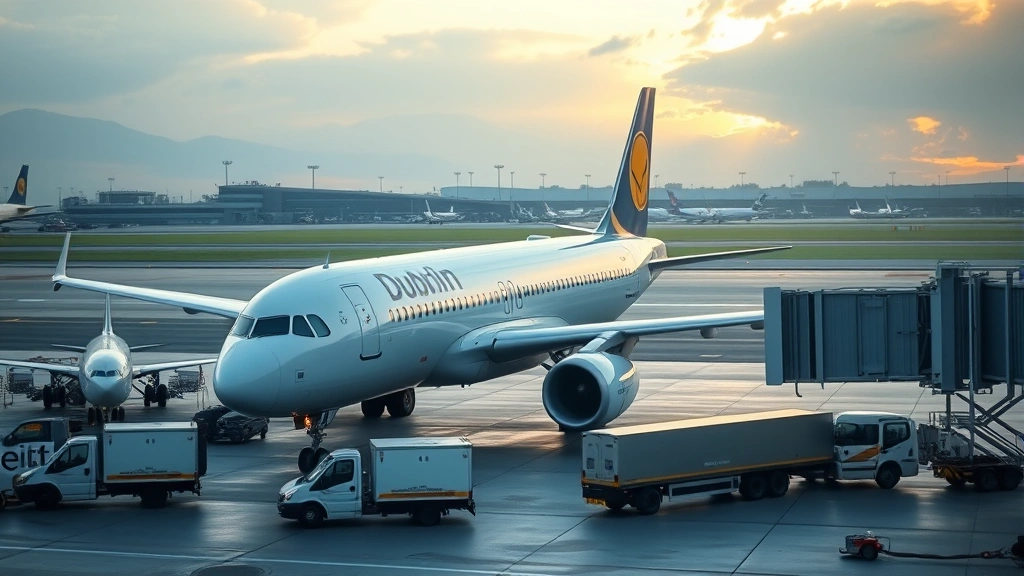
How Advanced Flight Systems Enhance Travel? Expert View
Modern aviation has undergone a revolutionary transformation in recent years, with advanced flight systems becoming the backbone of contemporary air travel. These sophisticated technologies work seamlessly behind the scenes to ensure that millions of passengers reach their destinations safely, efficiently, and comfortably every single day. From cockpit automation to real-time weather monitoring, advanced flight systems represent decades of engineering innovation and continuous improvement designed specifically to enhance your travel experience.
As a frequent traveler and aviation enthusiast, I’ve witnessed firsthand how these technological advancements have fundamentally changed the way airlines operate and how passengers experience their journeys. Whether you’re booking your next trip or curious about what happens during your flight, understanding these systems provides valuable insight into modern air travel. The integration of cutting-edge technology in aviation doesn’t just make flights safer—it also optimizes routes, reduces delays, improves fuel efficiency, and ultimately makes traveling more convenient and enjoyable for everyone aboard.
Modern Avionics and Navigation Systems
The avionics suite in modern aircraft represents one of the most sophisticated technological achievements in transportation. These integrated systems provide pilots with comprehensive information about aircraft performance, navigation, weather conditions, and environmental factors in real-time. Advanced avionics have replaced traditional mechanical instruments with digital displays that offer unprecedented clarity and accuracy, allowing pilots to make informed decisions quickly and confidently.
Glass cockpits, as they’re commonly known in aviation circles, have become the standard in commercial aviation. These fully digital flight decks integrate multiple data streams into intuitive displays that pilots can customize based on their specific needs. The benefits extend far beyond aesthetics—modern avionics reduce pilot workload during critical phases of flight, minimize human error, and provide redundancy through multiple independent systems. When you’re booking your next best times to book airline tickets, you can take comfort knowing that the aircraft you’ll fly operates with some of the most advanced navigation technology available.
GPS and Inertial Navigation Systems (INS) work together to provide precise positioning information that enables airlines to optimize flight paths with remarkable accuracy. Modern aircraft can navigate within meters of their intended course, which contributes directly to fuel savings and reduced flight times. This precision navigation technology also enables approaches and landings in challenging weather conditions that would have been impossible just two decades ago.
Flight Management Systems and Automation
Flight Management Systems (FMS) represent the central nervous system of modern aircraft, orchestrating every aspect of flight operations from pre-flight planning through landing. These powerful computers calculate optimal flight paths based on current weather patterns, wind conditions, fuel loads, and air traffic constraints. The sophistication of FMS technology means that modern flights are planned and executed with a level of precision that continuously improves safety margins and operational efficiency.
The automation capabilities provided by advanced FMS systems allow aircraft to fly themselves for the majority of flight time, with pilots monitoring systems and intervening only when necessary. This isn’t about removing pilots from the equation—rather, it’s about allowing them to focus on strategic decision-making while the aircraft handles routine control tasks. Pilots remain actively engaged and ready to take control instantly if needed, but automation handles the repetitive, precision-critical tasks that human operators might struggle with during long flights or challenging conditions.
When considering best airlines for long flights, the quality of their flight management systems plays a crucial role in passenger comfort. Modern FMS systems can predict and smooth turbulence before it affects passengers by adjusting altitude or flight path slightly. They continuously optimize fuel consumption throughout the flight, resulting in reduced operating costs that airlines often pass along to passengers through competitive pricing.
Advanced Safety and Collision Avoidance
Safety represents the paramount concern in aviation, and advanced flight systems have elevated safety standards to unprecedented levels. Traffic Collision Avoidance Systems (TCAS) continuously monitor the airspace around aircraft, tracking other aircraft and providing pilots with real-time alerts and guidance to maintain safe separation. These systems operate independently from ground-based air traffic control, providing an additional layer of protection that has prevented countless potential incidents.
Terrain Awareness and Warning Systems (TAWS) protect aircraft from inadvertent descent toward terrain, particularly critical during approaches and landings in mountainous regions or poor visibility conditions. By providing advance warning and visual representation of nearby terrain, these systems have dramatically reduced controlled flight into terrain (CFIT) accidents, which were once a significant cause of aviation accidents. The technology essentially gives pilots a three-dimensional awareness of their surroundings that human vision alone cannot provide.
Weather radar systems have evolved from simple precipitation detection to sophisticated systems that can identify wind shear, turbulence, and hail. Modern weather avoidance systems integrate ground-based weather data, satellite information, and onboard radar to create a comprehensive picture of weather conditions along the flight path. This allows pilots to navigate around severe weather while maintaining schedule efficiency, reducing delays and passenger discomfort.

Real-Time Communication and Data Integration
Modern aircraft maintain constant communication with ground systems through multiple independent channels, ensuring that critical information flows seamlessly throughout the flight. Aircraft Communications Addressing and Reporting System (ACARS) provides two-way digital communication between aircraft and airlines, enabling real-time status updates, maintenance alerts, and operational coordination. This continuous data flow has transformed aviation from an industry where communication gaps existed during flight to one where transparency and information sharing are constant.
Automatic Dependent Surveillance-Broadcast (ADS-B) technology transmits aircraft position, altitude, and velocity information to both ground stations and other aircraft in the vicinity. This technology has fundamentally improved air traffic management and collision avoidance, particularly in areas where traditional radar coverage is limited. The transparency provided by ADS-B has made aviation tracking visible to the public, with websites and apps now allowing anyone to monitor aircraft movements in real-time, further enhancing the perception of safety and accountability in aviation.
Data integration systems consolidate information from dozens of aircraft systems into actionable intelligence for pilots and maintenance teams. Rather than isolated systems providing fragmented information, modern aircraft operate as integrated platforms where data flows seamlessly between navigation, propulsion, hydraulics, electrical, and environmental systems. This holistic approach to system management enables earlier detection of anomalies and more informed decision-making by flight crews.
Fuel Efficiency and Route Optimization
Advanced flight systems have made aviation significantly more fuel-efficient, reducing both operating costs and environmental impact. Continuous Descent Approaches (CDA) enabled by modern navigation systems allow aircraft to descend gradually from cruise altitude to landing rather than following traditional step-down procedures, saving thousands of pounds of fuel per flight. When multiplied across thousands of daily flights globally, these savings represent millions of gallons of fuel conserved annually.
Real-time wind optimization systems continuously analyze upper-level wind patterns and adjust flight paths to take advantage of favorable winds while avoiding headwinds. Airlines now routinely file flight plans that differ significantly from the standard airways, following optimal wind patterns that might be 100 miles or more off the direct route but result in substantial fuel savings due to favorable winds. This technology requires sophisticated weather analysis and flight planning systems that would be impossible without advanced computing power.
Weight and balance optimization has become increasingly precise with modern systems that account for fuel consumption during flight, passenger distribution, and cargo placement. Airlines can now optimize aircraft loading to within inches of the center of gravity, improving aerodynamic efficiency and reducing fuel consumption. When you’re planning how to book flight for multiple people, the airline’s loading systems work behind the scenes to ensure optimal aircraft balance and efficiency.
Enhanced Passenger Experience Technology
Beyond the technical aspects of flight operations, advanced systems significantly enhance the passenger experience in ways both obvious and subtle. In-flight entertainment systems now offer hundreds of entertainment options, connectivity services, and real-time flight information displays that keep passengers informed and entertained throughout their journey. Modern systems integrate with personal devices, allowing passengers to control their entertainment experience from their own phones and tablets.
Cabin management systems automatically adjust temperature, humidity, and pressure in different cabin zones, creating a more comfortable environment for passengers throughout the flight. These systems respond to external conditions and passenger feedback, continuously optimizing cabin comfort. The pressurization systems in modern aircraft can maintain cabin altitude equivalent to 6,000 feet even at cruise altitudes above 40,000 feet, reducing the physiological stress of high-altitude flight and helping passengers arrive feeling fresher and less fatigued.
Passenger information systems provide real-time updates about flight status, gate changes, connecting flights, and baggage information. When flights experience delays or cancellations, modern systems enable rapid communication to passengers, allowing them to make informed decisions about rebooking or alternative travel arrangements. The transparency provided by these systems, while sometimes frustrating when delivering bad news, represents a significant improvement over the information gaps that characterized earlier eras of aviation.
Predictive Maintenance Systems
Advanced flight systems continuously monitor aircraft health, collecting thousands of data points during each flight that help maintenance teams identify potential issues before they become problems. Predictive maintenance uses machine learning algorithms to analyze historical data and identify patterns that precede component failures, enabling maintenance teams to replace components proactively rather than reactively. This approach has reduced unscheduled maintenance events and unexpected aircraft out-of-service situations.
Health monitoring systems track engine performance, hydraulic system integrity, electrical system status, and structural condition throughout each flight. Airlines can now download detailed maintenance reports after every flight, identifying components that show signs of degradation so they can be monitored closely or replaced during scheduled maintenance. This proactive approach has extended component life, reduced maintenance costs, and improved schedule reliability.
The integration of maintenance data with flight operations systems enables mechanics to review flight data when investigating reported discrepancies, providing them with objective information rather than relying solely on pilot reports. This has improved troubleshooting accuracy and reduced unnecessary component replacements, contributing to both safety and cost efficiency. Understanding how SkyVoyage Hub Blog discusses aviation topics can provide additional insight into how these systems impact your travel experience.
Weather Monitoring and Avoidance
Weather represents one of the most significant variables affecting flight operations, and advanced systems have given airlines unprecedented ability to predict, monitor, and avoid adverse weather conditions. Integration of multiple weather data sources—including ground radar, satellite imagery, pilot reports, and atmospheric models—creates a comprehensive picture of weather conditions across the flight path and beyond. This information allows pilots and dispatchers to make decisions that enhance safety while maintaining schedule efficiency.
Convective weather avoidance systems analyze thunderstorm development patterns and predict where storms will move, allowing flight paths to be adjusted proactively rather than reactively. Modern aircraft can now safely navigate around severe weather that would have required significant diversions or delays in previous decades. The ability to avoid weather-related delays has improved schedule reliability, which directly benefits passengers who depend on making connections or arriving at specific times.
Wind shear detection systems warn pilots of dangerous wind conditions during approach and landing, the most critical phases of flight. These systems have been particularly valuable at airports prone to wind shear, such as those near mountains or in areas with complex terrain. The advance warning provided by modern wind shear detection systems has prevented accidents and enabled approaches to continue safely in conditions that would have required go-arounds in earlier eras of aviation.

FAQ
What are the main components of advanced flight systems?
Advanced flight systems comprise multiple integrated subsystems including avionics and navigation systems, flight management computers, safety and collision avoidance systems, communication systems, weather monitoring equipment, and maintenance monitoring systems. These components work together as an integrated platform, sharing data and coordinating operations to optimize safety, efficiency, and passenger experience.
How do advanced flight systems improve safety?
Modern systems improve safety through redundancy, automation of routine tasks, real-time monitoring of aircraft systems and surrounding airspace, early warning of potential hazards, and continuous data collection that enables predictive maintenance. The combination of these technologies creates multiple layers of protection that address hazards from different angles, significantly reducing accident risk.
Do pilots still control the aircraft with all this automation?
Absolutely. Pilots remain in full control and are trained to take manual control instantly if needed. Advanced automation handles routine tasks during stable flight phases, allowing pilots to focus on strategic decision-making, monitoring systems, and managing the overall flight operation. Pilots must understand and be able to override any automated system at any time.
How do advanced systems reduce flight delays?
These systems reduce delays through optimized flight planning that avoids weather and traffic congestion, more efficient use of airspace, faster and more reliable aircraft systems that require less maintenance, and better communication that enables rapid decision-making when issues arise. The cumulative effect of these improvements has significantly enhanced schedule reliability across the aviation industry.
Are advanced flight systems expensive to maintain?
While the initial cost of advanced systems is significant, the long-term maintenance costs are often lower than older systems because of predictive maintenance capabilities, reduced unscheduled maintenance events, and improved component reliability. Airlines can optimize maintenance timing and reduce emergency repairs, ultimately lowering total cost of ownership.
How do passengers benefit from advanced flight systems?
Passengers benefit through enhanced safety, more comfortable cabin environments, reduced flight times, improved schedule reliability, fewer delays, better entertainment and connectivity options, and more transparent information about flight status. These benefits combine to create a more pleasant and reliable travel experience from booking through arrival.
What’s the future of advanced flight systems?
Future developments will include even greater levels of automation, artificial intelligence integration for decision-making support, enhanced connectivity for passengers, more sustainable operations through better fuel optimization, and eventual integration with autonomous flight capabilities. The trajectory suggests continued evolution toward safer, more efficient, and more environmentally responsible aviation.
For additional information about flight operations and booking considerations, check out our guide on why flights are canceled and learn about when Southwest releases flights to better plan your travel.