What is Flight Following? Expert Guide to Aviation Safety Tracking
Flight following is a critical aviation safety procedure that allows pilots and ground personnel to maintain continuous communication and position tracking throughout a flight. Whether you’re a private pilot, commercial aviator, or simply curious about how modern aviation works, understanding flight following is essential to appreciating the sophisticated systems that keep millions of passengers safe in the skies every day.
This comprehensive guide explores everything you need to know about flight following, from its fundamental principles to its practical applications in today’s airspace. We’ll examine how this system works, why it matters, and how it integrates with broader aviation safety protocols that protect everyone in the air and on the ground.
Definition and Basic Principles of Flight Following
Flight following is a service provided by air traffic control (ATC) facilities that enables continuous radar and radio communication with an aircraft throughout its flight. It’s essentially a safety net that ensures pilots are never truly alone in the sky. Unlike instrument flight plans, which require strict adherence to predetermined routes and altitudes, flight following offers more flexibility while maintaining essential communication links.
The fundamental principle behind flight following is simple yet powerful: constant awareness. Air traffic controllers monitor your aircraft’s position using radar systems, and pilots maintain regular radio contact with control centers. This mutual awareness creates a protective bubble around your flight, enabling rapid response to any emergencies or conflicts with other traffic.
Flight following serves multiple purposes simultaneously. It provides navigation assistance, weather updates, traffic advisories, and emergency support. The service is particularly valuable for visual flight rules (VFR) operations, where pilots navigate primarily by reference to landmarks rather than instruments. When you’re booking a flight for multiple people or planning your travel, understanding the safety systems protecting your journey adds peace of mind.
This service operates on the principle of shared responsibility. Pilots remain ultimately responsible for their aircraft’s safety and navigation, but they benefit from the expertise and technological advantages of ground-based ATC professionals. The system creates a collaborative environment where information flows constantly in both directions.
How Flight Following Works in Practice
The mechanics of flight following involve several coordinated steps and systems working together seamlessly. When a pilot requests flight following from an ATC facility, they’re essentially asking for enhanced situational awareness and support throughout their flight.
The process begins when a pilot contacts the appropriate ATC facility—typically a flight service station or approach control—and requests flight following. The pilot provides essential information including their aircraft type, current location, intended destination, altitude, and expected route. The controller inputs this information into their radar system and begins tracking the aircraft.
Once established, flight following maintains continuous communication through radio contact. Pilots check in periodically with their assigned controller, who provides updates on traffic, weather, and any necessary course corrections. Modern radar systems provide controllers with real-time position data, allowing them to identify potential conflicts with other aircraft and issue traffic advisories.
Controllers use standardized phraseology and procedures to communicate with pilots, ensuring clarity and reducing misunderstandings. They might say something like “traffic 2 o’clock, 5 miles, altitude unknown” to alert a pilot to nearby aircraft. This information allows pilots to maintain separation and avoid potential collisions.
The system operates continuously throughout the flight until the pilot either requests termination of flight following or arrives at their destination. Even during this process, pilots benefit from the expertise and resources of professional air traffic controllers who can provide navigation guidance, recommend altitude changes for smoother flying, and offer critical weather information.
Equipment and Technology Requirements
Modern flight following relies on sophisticated technology that has evolved dramatically over the past few decades. Understanding these systems helps explain why flight following is so effective at enhancing aviation safety.
The backbone of flight following is radar technology. Primary radar works by transmitting radio waves that bounce off aircraft and return to ground stations, revealing position and altitude information. Secondary surveillance radar (SSR) is even more effective because it relies on aircraft-mounted transponders that actively transmit identification and altitude data to ground receivers.
Aircraft must be equipped with appropriate communication and navigation equipment to participate in flight following. At minimum, this includes a VHF radio for communication with ATC and a transponder that transmits the aircraft’s identity and altitude. Modern aircraft often carry more advanced equipment like GPS receivers and terrain awareness systems that enhance safety further.
Ground infrastructure includes radar facilities, radio towers, and control centers staffed by trained professionals. These facilities are networked together, allowing seamless transitions as aircraft move from one controller’s airspace to another. The system is incredibly redundant, with backup facilities and procedures ensuring that service continues even if primary systems fail.
Automatic Dependent Surveillance-Broadcast (ADS-B) technology represents the latest advancement in flight tracking. This system allows aircraft to broadcast their position derived from GPS satellites to ground stations and other aircraft, providing even more accurate and comprehensive tracking capabilities. The Federal Aviation Administration (FAA) has mandated ADS-B installation on most aircraft, recognizing its importance for safety and efficiency.
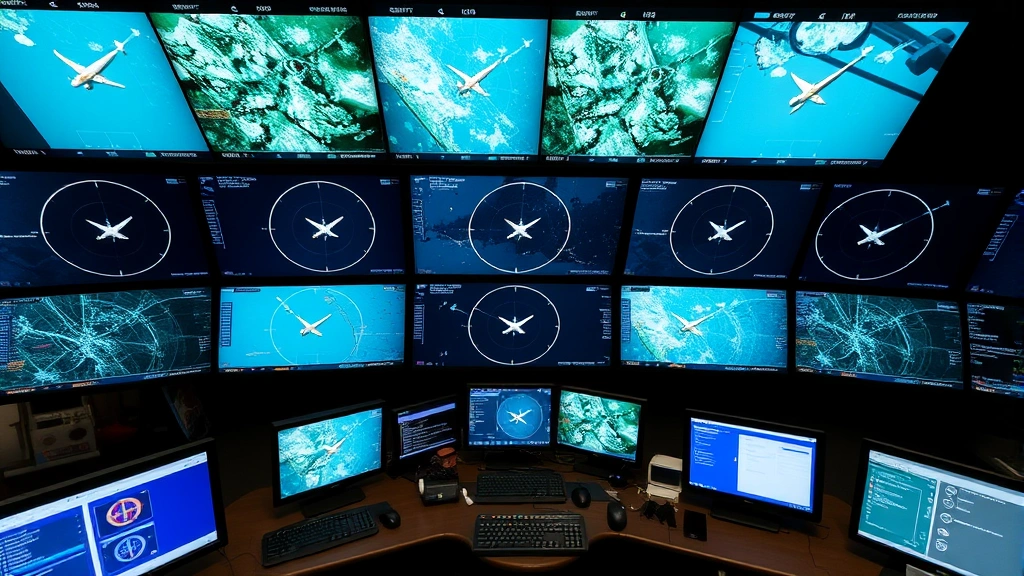
” alt=”Air traffic control center with multiple radar screens showing aircraft positions and altitude data in real-time”> The safety advantages of flight following cannot be overstated. This service has saved countless lives by preventing accidents and enabling rapid emergency response. One of the primary benefits is traffic awareness. Controllers can identify potential conflicts between aircraft and issue timely warnings. This is especially valuable in busy airspace where multiple aircraft operate simultaneously. Without flight following, pilots would rely solely on their own vision to spot other aircraft—a significant limitation, particularly in instrument conditions or at night. Weather information represents another critical safety benefit. Controllers have access to real-time weather data from radar and reporting stations. They can advise pilots about thunderstorms, turbulence, icing conditions, and other hazards that might not be visible from the cockpit. This information allows pilots to adjust their routes or altitudes to avoid dangerous weather. Emergency response capabilities are dramatically enhanced through flight following. If an aircraft experiences an emergency, the controller already knows the aircraft’s location and can immediately coordinate rescue operations, divert the flight to the nearest suitable airport, or clear airspace to ensure safe landing. This immediate support can be life-saving in critical situations. Flight following also provides navigation assistance, particularly valuable when pilots are unfamiliar with an area or flying in challenging conditions. Controllers can provide vectors (headings) to guide aircraft along efficient routes or toward safe landing sites. This reduces pilot workload and the likelihood of navigation errors. The psychological benefit of constant contact with ATC professionals should not be underestimated. Knowing that trained controllers are monitoring your flight and available to help creates an additional layer of security and confidence, particularly during challenging flights. Flight following operates according to well-established procedures developed through decades of aviation experience and continuous refinement based on safety data and operational lessons learned. The initial request for flight following typically occurs shortly after takeoff. Pilots contact the appropriate facility—usually departure control for flights departing from busy airports or a flight service station for flights from smaller airports. They provide their aircraft identification, type, current position, and intended destination. Controllers assign transponder codes (squawk codes) that uniquely identify each aircraft on radar displays. Pilots enter this code into their transponder, and controllers can immediately identify and track them. This system allows controllers to manage dozens or even hundreds of aircraft simultaneously without confusion. Throughout the flight, pilots maintain regular radio contact with ATC, checking in at predetermined intervals or whenever controllers request position reports. These check-ins serve multiple purposes: they confirm that the aircraft is still operating safely, update controllers on the flight’s progress, and allow pilots to request assistance or updated information. When transitioning between different ATC sectors, pilots are handed off to the next controller. This handoff process is choreographed carefully, with the departing controller briefing the receiving controller about the aircraft before transferring radio contact. This ensures continuity of service and situational awareness. Flight following terminates when the pilot requests cancellation or when the aircraft lands. Many pilots cancel flight following shortly before landing to reduce radio congestion in busy terminal areas, though some controllers may request cancellation proactively. While flight following principles apply across all aviation operations, the implementation differs somewhat between private and commercial flying, reflecting different operational requirements and regulatory frameworks. Private pilots flying under visual flight rules frequently use flight following, particularly when flying cross-country or in unfamiliar areas. The service is voluntary for VFR operations, but most experienced pilots recognize its tremendous value and request it regularly. Private pilots benefit from the same traffic advisories, weather information, and navigation assistance as commercial operators. Commercial airlines operate under instrument flight rules (IFR) and maintain mandatory communication with ATC throughout their flights. While technically different from the optional flight following available to VFR pilots, IFR operations provide even more comprehensive ATC monitoring and control. Airlines like those mentioned in our guide to Delta Airlines flight attendant operations operate under strict IFR procedures that exceed basic flight following requirements. Corporate and charter operators typically file IFR flight plans and maintain continuous ATC contact, similar to commercial airlines. However, some charter operations use flight following for VFR flights, particularly for shorter routes where IFR procedures would be unnecessary. The availability of flight following varies by geographic region. Busy metropolitan areas have excellent radar coverage and dedicated ATC facilities providing continuous service. Remote areas may have limited coverage, with pilots needing to rely more heavily on their own navigation and situational awareness. Understanding these regional differences is important for flight planning. Training and certification requirements also differ. Commercial and airline pilots receive extensive training in ATC procedures and communication as part of their certification. Private pilots learn about flight following during their training, but the depth of instruction varies. Many private pilots benefit from additional training focused specifically on effective communication with ATC and maximizing the benefits of flight following.
Safety Benefits and Why Flight Following Matters
Standard Procedures and Protocols
Flight Following in Private vs. Commercial Aviation
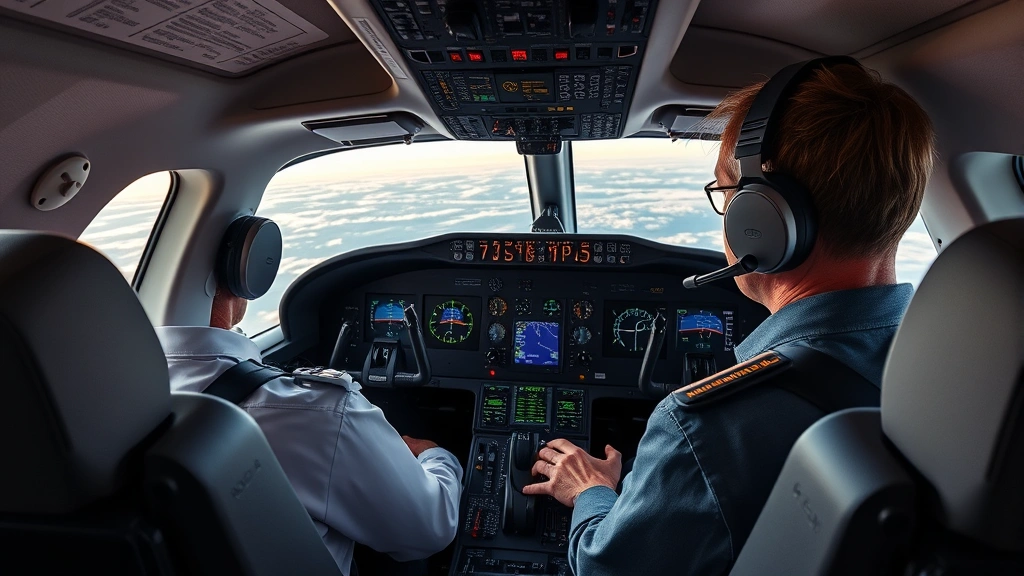
” alt=”Pilot in cockpit communicating via radio headset with air traffic control while monitoring instruments and aircraft systems”> While flight following is an incredibly valuable service, it operates within certain constraints and faces ongoing challenges that pilots and controllers must manage. Radar coverage limitations represent a significant challenge in certain areas. Remote regions, particularly over mountains, deserts, or oceans, may lack adequate radar coverage. In these areas, pilots must rely on other navigation methods and cannot receive the same level of ATC monitoring. This limitation has driven development of satellite-based surveillance systems like ADS-B, which provide coverage in previously underserved areas. Workload is a constant challenge for air traffic controllers. During peak traffic periods, controllers manage numerous aircraft simultaneously while maintaining safety standards. High workload can occasionally result in delayed responses to pilot requests or less frequent traffic updates. The system includes safeguards to prevent workload from compromising safety, including position limits on controllers and mandatory rest periods. Communication challenges can arise from radio congestion, background noise, or language barriers. Pilots and controllers use standardized phraseology specifically designed to minimize misunderstandings, but communication errors still occasionally occur. Continuous training and protocol updates help mitigate these risks. Equipment failures present another challenge. When radar systems malfunction, controllers lose the ability to provide radar-based flight following and must rely on pilot position reports. Modern facilities include redundant systems and backup procedures to maintain service during equipment failures, but temporary disruptions occasionally occur. Pilot error and non-compliance with ATC instructions can compromise the effectiveness of flight following. Pilots must follow controller instructions, report their positions accurately, and maintain situational awareness. When pilots fail to do so, the safety benefits of flight following are diminished. Proper training and adherence to procedures are essential for safe operations. Flight following is mandatory for instrument flight rules (IFR) operations but voluntary for visual flight rules (VFR) operations. However, most experienced VFR pilots request flight following whenever available because of its significant safety benefits. The service is free and available on request. Contact your local flight service station or departure control shortly after takeoff. Provide your aircraft identification, type, current position, altitude, and intended destination. Controllers will assign you a transponder code and begin tracking your flight. Maintain regular radio contact as instructed. Yes, you can request to cancel flight following at any time by simply notifying your controller. However, most pilots maintain flight following throughout their entire flight to maximize safety benefits. Cancellation is most commonly done shortly before landing to reduce radio congestion in terminal areas. Flight following provided by ATC facilities is completely free. There are no fees or charges for this essential safety service, whether you’re flying a small private aircraft or a large commercial airliner. Flight following is an optional service for VFR pilots that provides ATC monitoring and assistance. An IFR flight plan is mandatory for instrument operations and includes detailed route planning, altitude assignments, and continuous ATC control throughout the flight. IFR operations are more structured and restrictive but provide additional safety layers. Modern radar systems provide position accuracy within a few hundred feet and altitude accuracy within several hundred feet. Newer ADS-B technology provides significantly better accuracy—often within 100 feet or less. This precision allows controllers to provide effective traffic advisories and separation services. Yes, flight following actually becomes more valuable in bad weather. Radar systems penetrate most weather conditions, allowing controllers to track your aircraft even in instrument conditions. Controllers can also provide weather information and guidance around hazardous areas, which is particularly valuable when flying in poor visibility or thunderstorms. Continue flying your assigned heading and altitude while attempting to restore radio communication. Controllers will see your radar target continuing and will not immediately be alarmed. Try different frequencies, check your radio equipment, and attempt to establish contact with other facilities. Most modern aircraft have backup communication systems to prevent complete radio loss. For more information about aviation safety and flight operations, explore our comprehensive guides on flight attendant uniforms and professional standards, which reflect the professionalism throughout the aviation industry. If you’re planning travel, check our resources on flights to Yellowstone and best travel pillows for long flights to enhance your journey. Visit the Federal Aviation Administration website for official regulations and safety information. The International Civil Aviation Organization provides global aviation standards. For pilots seeking advanced training, the Aircraft Owners and Pilots Association offers excellent resources. The National Transportation Safety Board investigates aviation accidents and publishes safety recommendations. For real-time flight tracking and understanding ADS-B technology, visit Flightradar24. Return to our Sky Voyage Hub Blog for more aviation insights and travel information.
Challenges and Limitations of Flight Following
Frequently Asked Questions About Flight Following
Is flight following mandatory for all flights?
How do I request flight following as a private pilot?
Can I cancel flight following if I change my mind?
Does flight following cost anything?
What’s the difference between flight following and an IFR flight plan?
How accurate is radar tracking during flight following?
Can flight following work in bad weather?
What should I do if I lose radio contact during flight following?
Additional Resources and Information