The phrase “Flight of Phoenix cast” often sparks curiosity among aviation enthusiasts and film buffs alike. While the 1965 survival film and its 2004 remake showcase dramatic aviation scenarios, the real world of commercial aviation involves a fascinating ensemble of professionals working behind the scenes. This comprehensive guide explores the intricate dynamics of airline crews, their training protocols, and the genuine expertise that keeps modern aviation operating safely and efficiently.
Understanding the cast of characters in aviation—from pilots and flight attendants to ground crew and air traffic controllers—reveals a complex ecosystem of teamwork and precision. Whether you’re a frequent flyer or planning your next journey, discovering how these aviation professionals operate provides valuable context for your travel experience. We’ll uncover the secrets of crew coordination, safety procedures, and the human elements that define modern flight operations.
The Flight Crew Hierarchy
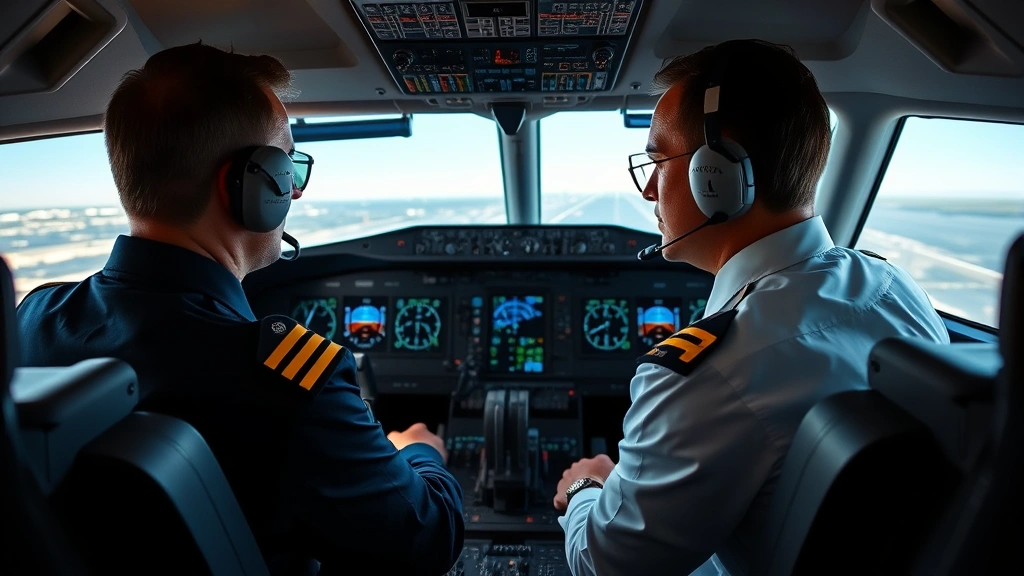
Every commercial flight operates under a clearly defined chain of command that ensures safety and efficiency. The captain holds ultimate responsibility for the aircraft and all personnel aboard. The first officer, also known as the co-pilot, serves as the second-in-command and assists with navigation, communication, and aircraft systems management. This hierarchical structure isn’t arbitrary—it’s designed through decades of aviation safety research and international regulations.
Beyond the cockpit, the flight information handbook outlines how cabin crew members organize themselves. The lead flight attendant, or purser, coordinates all cabin activities and serves as the primary liaison between the flight deck and passenger area. This organizational structure becomes critical during emergencies or complex flight situations requiring immediate, coordinated action.
The dynamics between crew members reflect years of standardized training and professional protocols. During pre-flight briefings, crew members review their specific roles, emergency procedures, and passenger manifest details. This ritualistic preparation ensures everyone understands their responsibilities before the aircraft leaves the gate. Understanding these hierarchies helps passengers appreciate the coordinated effort involved in every flight.
Pilot Training and Certification
Becoming a commercial airline pilot requires an extraordinary commitment to education and training. Aspiring pilots must earn a commercial pilot license, instrument rating, and multi-engine rating before they can legally command an aircraft. These certifications demand hundreds of flight hours, typically between 1,500 and 3,000 hours depending on the training pathway and airline requirements.
The training process begins with ground school, where future pilots learn aerodynamics, meteorology, aviation regulations, and aircraft systems. They then progress to flight training in single-engine aircraft, building fundamental skills before advancing to multi-engine aircraft similar to commercial airliners. Many pilots attend structured airline pilot programs or earn degrees from aviation universities that combine theoretical knowledge with practical flight experience.
Once hired by an airline, pilots undergo additional type-rating training specific to the aircraft they’ll operate. A pilot certified on Boeing 777s must complete separate training before flying Airbus A350s. This specialized training includes simulator sessions where pilots practice normal operations and emergency procedures in a controlled environment. The best airlines for long flights employ pilots who maintain proficiency through recurrent training every six to twelve months.
Regulatory bodies like the Federal Aviation Administration (FAA) establish stringent requirements for pilot certification and ongoing training. Pilots must pass written exams, practical flying tests, and regular medical examinations. Age limits, duty time restrictions, and mandatory retirement ages all reflect the aviation industry’s commitment to safety through experienced, well-rested pilots.
Flight Attendant Responsibilities
Flight attendants represent far more than a friendly face serving beverages. These safety professionals complete comprehensive training programs covering emergency procedures, first aid, security protocols, and passenger management. In the United States, the FAA requires all flight attendants to complete approved training programs before their first flight. International regulations through the International Civil Aviation Organization (ICAO) establish similar standards worldwide.
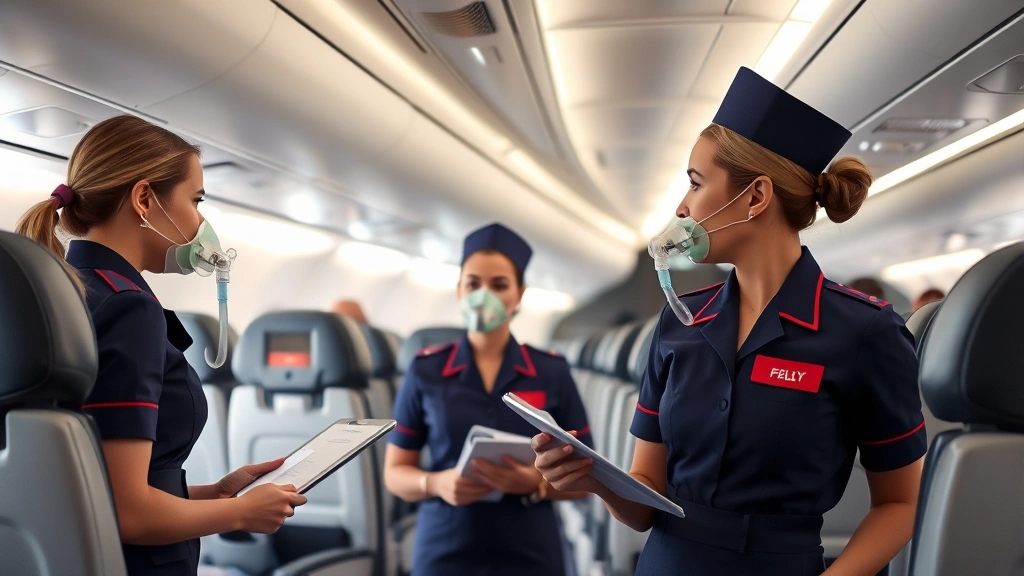
During normal flight operations, flight attendants conduct safety briefings, monitor cabin conditions, assist passengers, and respond to medical emergencies. They’re trained to operate emergency equipment including evacuation slides, oxygen masks, and life vests. In crisis situations, flight attendants must make split-second decisions affecting hundreds of lives. Their training emphasizes remaining calm under pressure while executing procedures precisely.
The role demands excellent customer service skills combined with genuine concern for passenger welfare. Flight attendants notice when passengers appear ill, intoxicated, or suspicious. They report safety concerns to the flight deck and coordinate with ground personnel. When booking your next flight, understanding these responsibilities helps you appreciate the professionalism of your cabin crew and respect their authority regarding safety matters.
Career progression for flight attendants varies by airline. Many begin with regional carriers before advancing to major airlines. Some pursue supervisory roles or specialized positions in training, safety auditing, or international operations. The airline carry-on baggage restrictions that flight attendants enforce reflect safety standards, not arbitrary rules.
Ground Crew Operations
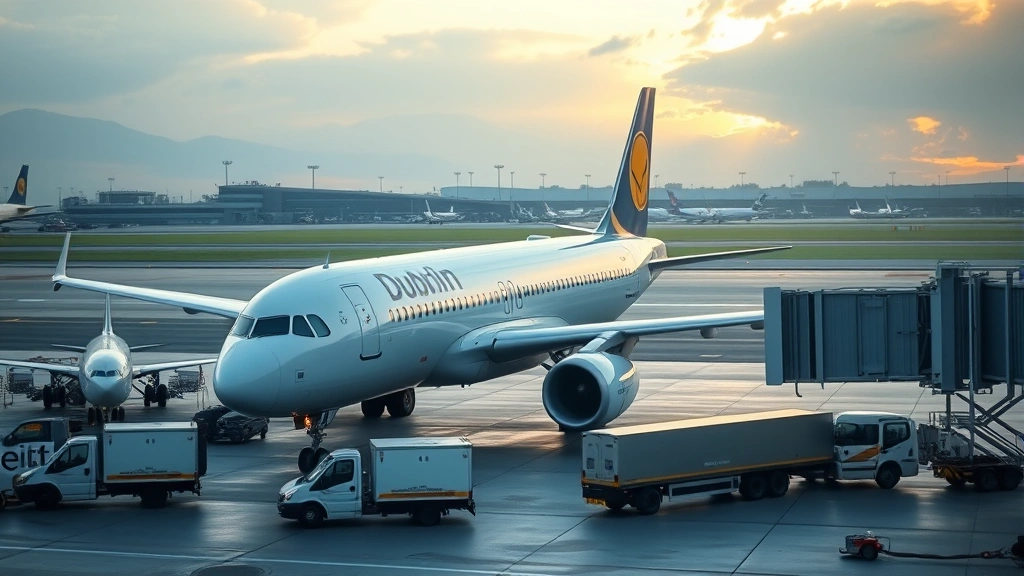
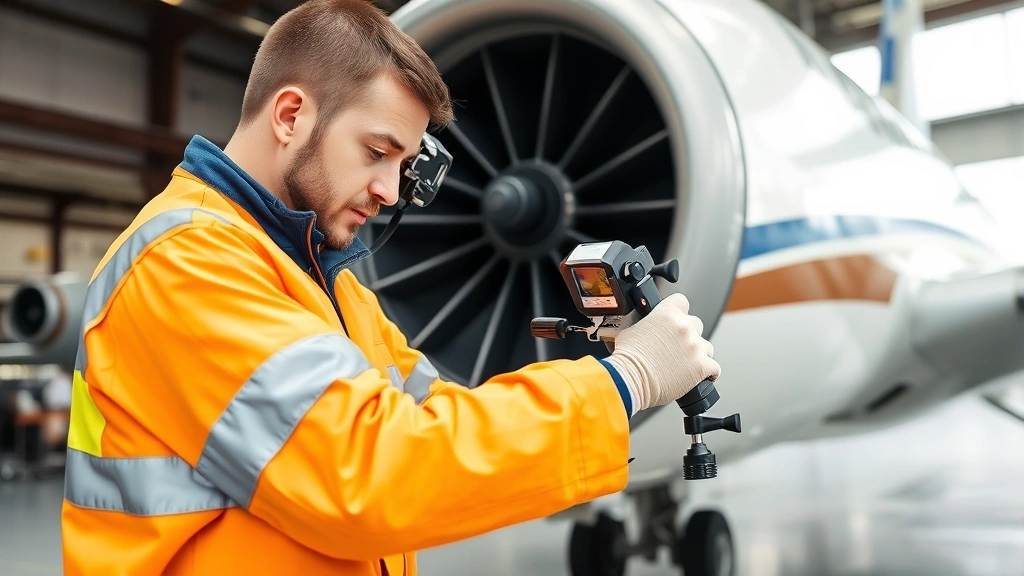
The aircraft you board represents the culmination of work by dozens of ground personnel. Ramp agents load baggage, cargo, and catering supplies while ensuring proper weight distribution. Mechanics perform pre-flight inspections, checking everything from tire pressure to engine performance. Fueling specialists calculate precise fuel quantities based on route distance, weather, and aircraft weight.
Aircraft maintenance follows strict schedules established by manufacturers and regulatory agencies. Daily checks occur before each flight, while more comprehensive inspections happen at regular intervals. Major overhauls may require removing engines, inspecting internal structures, or replacing entire systems. This meticulous maintenance ensures aircraft reliability and safety throughout their operational lives.
Ground support coordinators manage the complex choreography of aircraft turnaround operations. They schedule catering, cleaning, maintenance, fueling, and boarding to meet departure times. During delays or mechanical issues, ground personnel troubleshoot problems and coordinate repairs. The efficiency of these operations directly impacts flight schedules and passenger experience.
When you book flight for multiple people, your reservation triggers a chain of ground crew activities. Passenger service agents check baggage, issue boarding passes, and manage special requests. They interact with pilots regarding weight and balance calculations. The seamless coordination between all these ground personnel enables smooth flight operations.
Safety Protocols and Procedures
Modern aviation operates under comprehensive safety management systems developed over decades of accident investigation and continuous improvement. Every airline maintains detailed procedures for normal operations and emergency situations. Pilots and flight attendants train extensively on these procedures through classroom instruction, simulator sessions, and regular recurrent training.
Safety briefings before each flight aren’t optional theater—they represent critical information about emergency equipment, evacuation procedures, and oxygen mask deployment. Flight attendants deliver these briefings using prescribed language to ensure consistency and clarity. Passengers who pay attention during safety briefings gain knowledge that could prove life-saving in rare emergencies.
The Federal Aviation Administration and equivalent authorities worldwide establish minimum safety standards. Airlines often exceed these minimums through additional training and equipment. Accident investigation agencies like the National Transportation Safety Board (NTSB) analyze incidents and issue recommendations that improve safety across the industry. The result is commercial aviation’s remarkable safety record—statistically safer than driving.
Risk management extends beyond emergency procedures. Airlines conduct threat and error management training where crews practice recognizing and mitigating problems before they escalate. Crew resource management training emphasizes communication, decision-making, and assertiveness. These behavioral training components complement technical skills to create well-rounded aviation professionals.
Communication Systems
Clear, standardized communication represents the foundation of aviation safety. Pilots use specific phraseology when communicating with air traffic control, reducing misunderstandings despite language barriers or radio interference. The International Civil Aviation Organization mandates English as the standard international aviation language, though pilots in many countries speak their native language plus English.
Inside the cockpit, pilots and flight engineers use standard callouts and checklists to verify aircraft status and confirm critical actions. One pilot calls out an action while another confirms completion. This cross-check system prevents oversights that could compromise safety. Cabin crew members use interphone systems to communicate with the flight deck and coordinate activities throughout the aircraft.
Radio frequency management prevents interference and ensures clear communication with air traffic control. Controllers manage complex airspace, vectoring dozens of aircraft safely around each other. Modern aircraft equipped with advanced navigation systems reduce some communication workload, but clear radio communication remains essential, particularly during approaches and landings.
The flight from New York to Paris exemplifies international communication challenges. Pilots transition between U.S. air traffic control, oceanic controllers, and eventually European controllers. Each transition requires clear communication of aircraft position, altitude, and flight plan modifications. Language proficiency testing ensures pilots can communicate effectively in these complex environments.
International Flight Operations
Operating across borders introduces complexity beyond domestic flights. Pilots must understand different airspace rules, navigation procedures, and communication protocols. International flights require compliance with regulations in departure, arrival, and transit countries. Crew members often deal with customs, immigration, and security procedures that vary significantly between nations.
Time zone changes affect crew fatigue management and scheduling. Airlines employ sophisticated crew scheduling systems that comply with duty time regulations while minimizing fatigue. Flight attendants may work multiple sectors across many time zones within a single pairing. Pilots receive specific rest requirements between flights, with longer rest periods after particularly demanding routes.
Weather considerations span continental distances on international flights. Meteorologists at airline operations centers monitor weather systems and recommend optimal flight paths balancing fuel efficiency, weather avoidance, and air traffic constraints. Dispatchers file flight plans considering weather forecasts, winds aloft, and potential diversions if weather deteriorates.
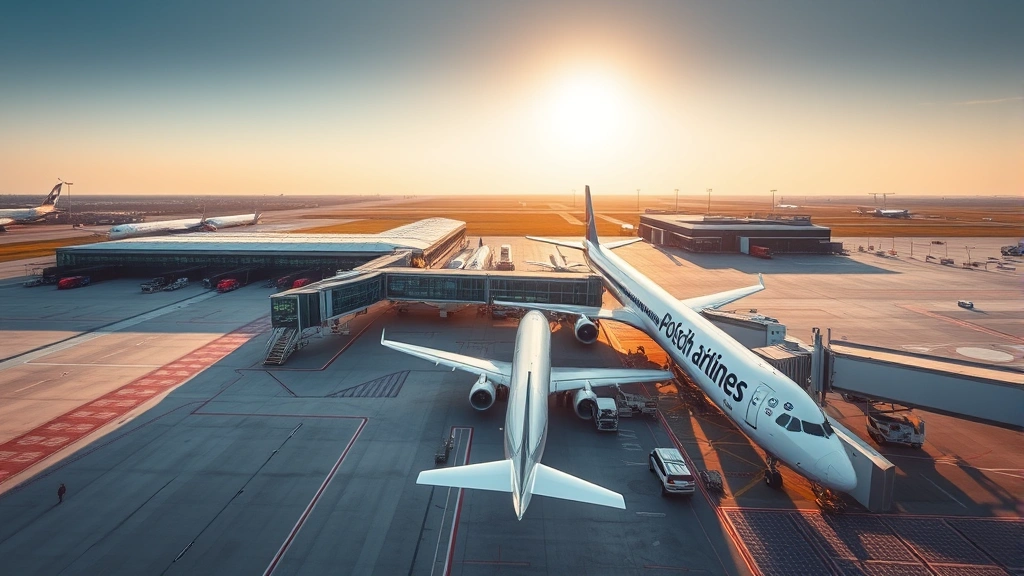
Catering, ground handling, and maintenance services must meet international standards at foreign airports. Airlines contract with ground service providers ensuring their aircraft receive proper care regardless of location. Medical emergencies on international flights may require diversion to the nearest suitable airport, regardless of flight plan. Crew training includes procedures for international medical emergencies and passenger health situations.
The International Air Transport Association (IATA) coordinates standards across airlines and nations. Safety, security, environmental protection, and operational efficiency all benefit from harmonized international standards. Visit the SkyVoyage Hub Blog for more insights into international travel and aviation operations.
FAQ
What qualifications must commercial pilots possess?
Commercial pilots require a commercial pilot license, instrument rating, and multi-engine rating. They need 1,500+ flight hours and must pass written exams and practical tests. Airlines provide additional type-rating training for specific aircraft models. Pilots must maintain current medical certifications and complete recurrent training every six to twelve months.
How are flight attendants trained for emergencies?
Flight attendants complete FAA-approved training programs covering emergency procedures, first aid, security protocols, and aircraft systems. Training includes evacuation procedures, oxygen system operation, and passenger communication during emergencies. Airlines conduct recurrent training annually to maintain proficiency and update procedures based on regulatory changes.
What happens during aircraft maintenance inspections?
Daily pre-flight checks verify basic aircraft systems and safety equipment. Regular inspections occur at defined intervals, examining engines, structural integrity, hydraulic systems, and avionics. Major overhauls involve comprehensive teardowns and component replacement. All maintenance follows manufacturer specifications and regulatory requirements, documented in detailed maintenance records.
How do pilots communicate with air traffic control?
Pilots use standardized phraseology and radio frequencies assigned by air traffic control. They report position, altitude, and flight plan information at regular intervals. Controllers provide vectors for navigation and separation from other aircraft. Pilots must acknowledge all clearances and confirm understanding of instructions to prevent miscommunication.
What role does the captain have beyond flying the aircraft?
The captain holds ultimate responsibility for aircraft, crew, and passengers. Beyond piloting duties, captains make decisions regarding flight safety, passenger welfare, and operational matters. They coordinate with dispatchers, ground personnel, and air traffic control. Captains represent the airline and make judgment calls during unusual situations or emergencies.