Denver to Seattle Flights: Top Deals Explained
The Denver to Seattle route is one of the most traveled corridors in the western United States, connecting Colorado’s vibrant Mile High City with the Pacific Northwest’s tech hub and natural beauty. Whether you’re traveling for business, visiting friends and family, or planning a weekend getaway to explore Pike Place Market and the Space Needle, finding the best deals on flights from Denver to Seattle requires understanding seasonal pricing patterns, booking strategies, and airline options. This comprehensive guide breaks down everything you need to know to secure top deals on this popular route.
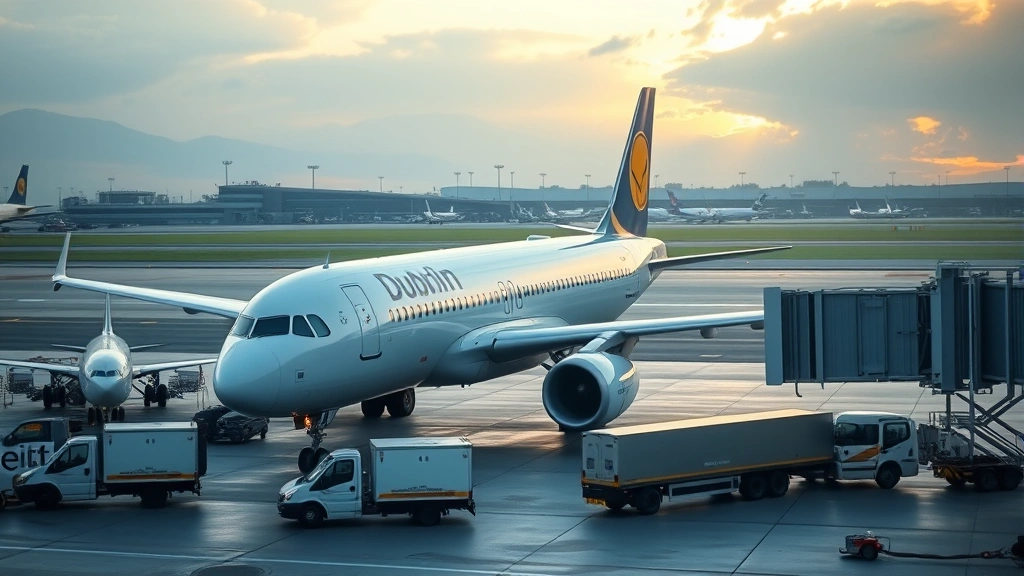
Flying between Denver International Airport (DEN) and Seattle-Tacoma International Airport (SEA) typically takes around 2.5 to 3 hours of flight time, making it an ideal distance for both quick business trips and leisure travel. The route is served by multiple major carriers and budget airlines, which means competitive pricing and frequent flight options throughout the day. By learning how to navigate these options strategically, you can save significantly on your airfare while enjoying a smooth travel experience.
Best Airlines for Denver to Seattle Routes
When booking flights from Denver to Seattle, you’ll encounter several major carriers that dominate this route. United Airlines operates the most frequent service between these two cities, with multiple daily flights that often include direct options. United’s hub at Denver International gives them a competitive advantage on this route, and frequent flyer members can accumulate miles quickly on this short-haul flight.
Southwest Airlines is another excellent option, known for their customer-friendly policies including free checked bags and no change fees. Southwest’s point-to-point network means you’ll typically find competitive fares, and their open seating policy gives you flexibility once onboard. Alaska Airlines, which has significant presence in the Pacific Northwest, also offers competitive pricing on Denver-Seattle flights and often provides better service amenities on this route.
For budget-conscious travelers, Frontier Airlines frequently operates on this route with ultra-low fares, though their basic economy fares come with restrictions on baggage and seat selection. Delta and American Airlines also serve this corridor, though they may require connections depending on the specific flight you choose.
When comparing airlines, consider not just the base fare but also what’s included: baggage fees, seat selection costs, and frequent flyer benefits. Reading our guide on best airlines for long flights can help you understand the nuances of each carrier’s offerings, even though this Denver-Seattle route is relatively short.
Seasonal Pricing Patterns and Peak Travel Times
Understanding when prices fluctuate is crucial for scoring the best deals on Denver to Seattle airfare. Summer months (June through August) represent peak travel season in the Pacific Northwest, with tourists flocking to Seattle’s attractions and outdoor destinations in the surrounding mountains and national parks. During these months, expect to pay premium prices—often 40-60% higher than off-season rates.
Winter travel (December through February) also sees elevated prices, particularly around the winter holidays and skiing season when Denver residents head to the mountains and Seattle visitors arrive for holiday festivities. The weeks between Christmas and New Year’s are especially expensive, with fares sometimes doubling from typical rates.
The sweet spots for deals are typically shoulder seasons: April through May (spring) and September through October (fall). During these periods, weather is pleasant in both cities, schools are in session, and business travel slows down. You can often find fares 20-35% cheaper than peak season prices. Late January through March also offers opportunities for deals, though winter weather in Seattle can be unpredictable.
Mid-week flights (Tuesday, Wednesday, Thursday) consistently offer lower fares than weekend flights. If your schedule allows flexibility, avoiding Friday through Sunday departures can save you $50-150 per ticket. Early morning and late evening flights also tend to be cheaper than convenient mid-day options.
How to Book and Find the Cheapest Fares
To consistently find the best deals on Denver to Seattle flights, employ a multi-pronged booking strategy. Start by using flight comparison websites like Google Flights, Kayak, and Skyscanner, which aggregate prices from multiple airlines and booking platforms. Set up price alerts on these sites for your preferred travel dates—they’ll notify you when prices drop, helping you catch deals within minutes of them appearing.
Booking timing matters significantly. Research shows that fares are generally lowest 1-3 months in advance for domestic flights like Denver to Seattle. However, if you’re flexible, last-minute deals can appear 1-2 weeks before departure when airlines try to fill remaining seats. For the best combination of availability and price, aim to book 6-8 weeks ahead of your travel date.
Clear your browser cookies or use incognito mode when searching for flights—some websites track your searches and may increase prices if they see you repeatedly looking at the same route. This simple step can sometimes save you $20-50 per ticket.
Consider booking directly with airlines’ websites rather than through third-party booking sites. While prices are typically the same, booking directly gives you more flexibility if you need to modify your reservation and often provides better customer service. Many airlines also offer exclusive deals to their email subscribers, so sign up for United, Southwest, and Alaska Airlines newsletters to catch flash sales.
If you’re a frequent traveler on western routes, check our comprehensive guide on how to find cheap airline tickets for advanced strategies that apply across routes. Additionally, visiting our Sky Voyage Hub Blog regularly keeps you updated on current flight deals and travel trends.
Don’t overlook airline loyalty programs. If you fly United, Southwest, or Alaska Airlines regularly, their frequent flyer programs can provide free or heavily discounted flights on Denver-Seattle routes. Even if you don’t fly frequently, signing up for these programs is free and you’ll earn miles on every ticket purchase.
Flight Duration and Airport Information
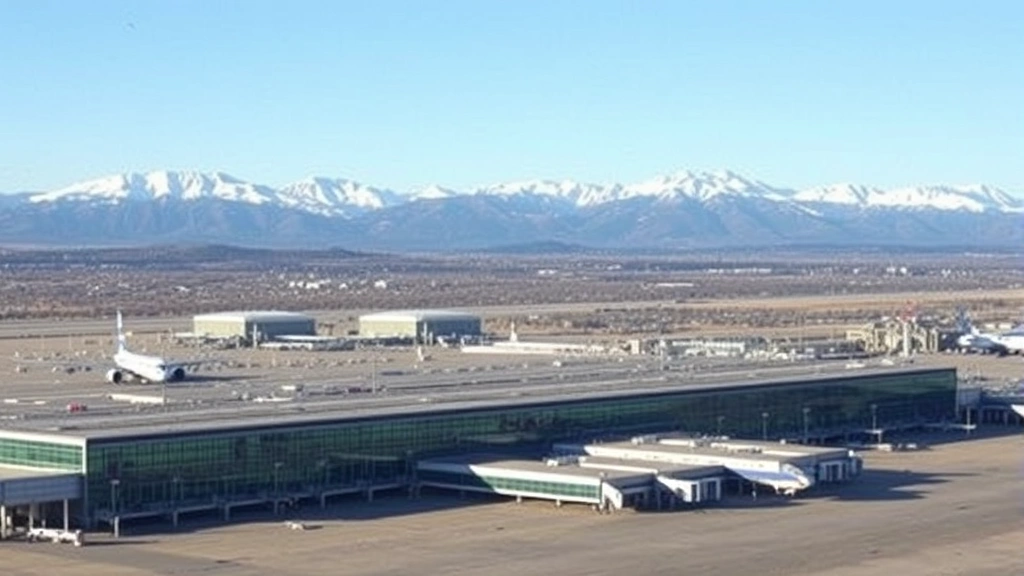
Denver International Airport (DEN) is located about 23 miles northeast of downtown Denver and is one of the busiest airports in North America. It’s modern, well-organized, and generally has shorter security lines than many major hubs. Plan to arrive 2 hours before domestic departure times. The airport offers numerous dining and shopping options, and has excellent ground transportation including RTD light rail that connects to downtown Denver.
Seattle-Tacoma International Airport (SEA), commonly called Sea-Tac, sits between Seattle and Tacoma, about 14 miles south of downtown Seattle. It’s a medium-sized airport that’s usually less crowded than major hubs, meaning shorter security lines and a more relaxed atmosphere. Ground transportation to Seattle is excellent, with light rail (Link) providing a quick 37-minute journey to downtown Seattle for just $3.25.
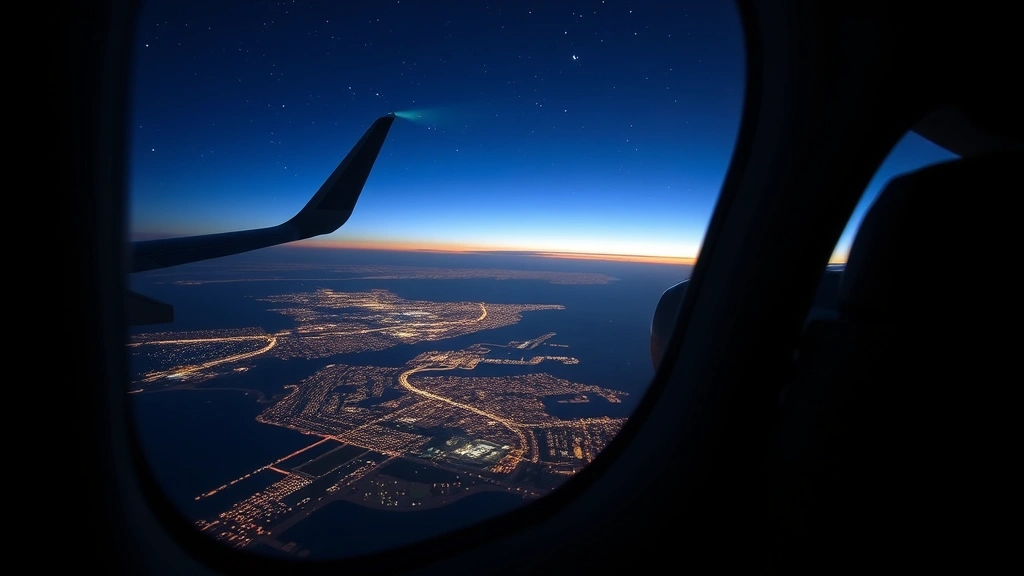
Direct flights from Denver to Seattle typically take 2 hours and 45 minutes to 3 hours, depending on winds and routing. The flight path generally heads northwest, crossing the high desert of eastern Washington before descending into the Puget Sound region. If your flight includes a connection (usually in cities like Portland, San Francisco, or Salt Lake City), total travel time will be 4-6 hours depending on the layover length.
For detailed airport information and travel guidelines, visit the TSA website for current security requirements and FAA resources for aviation safety information.
Alternative Routes and Money-Saving Tips
While direct flights from Denver to Seattle are usually the best option, sometimes flying with a connection can yield significant savings. Connecting through Portland International Airport (PDX), Salt Lake City International (SLC), or San Francisco International (SFO) occasionally results in cheaper total fares, especially during peak season. The trade-off is added travel time and potential connection hassles, but the savings can be substantial—sometimes $100-200 per person.
If you’re flexible on your Seattle destination, consider flying into nearby Spokane International Airport (GEG), which is about 280 miles east. While you’d need to arrange ground transportation, occasional deals to Spokane are significantly cheaper, and a rental car for the scenic 4.5-hour drive to Seattle might still result in total cost savings.
Another money-saving strategy is to book one-way flights separately rather than round-trip if you’re seeing better prices on individual segments. Sometimes airlines price one-way flights competitively to fill specific flights, and booking two separate one-way tickets can be cheaper than a round-trip fare.
Consider adjusting your travel dates by even one day—Friday to Saturday or Sunday to Monday—as this can significantly impact pricing. If you’re visiting Seattle for an event or meeting, arriving a day earlier or departing a day later might unlock cheaper fares that more than offset the extra hotel night.
For those planning multiple trips, look into open-jaw tickets where you fly into Seattle but depart from another city (or vice versa), potentially accessing better pricing and adding more value to your journey. Exploring flights from Denver to San Diego or flights from Denver to New York occasionally reveals pricing patterns that inform your Seattle bookings.
What to Expect During Your Journey
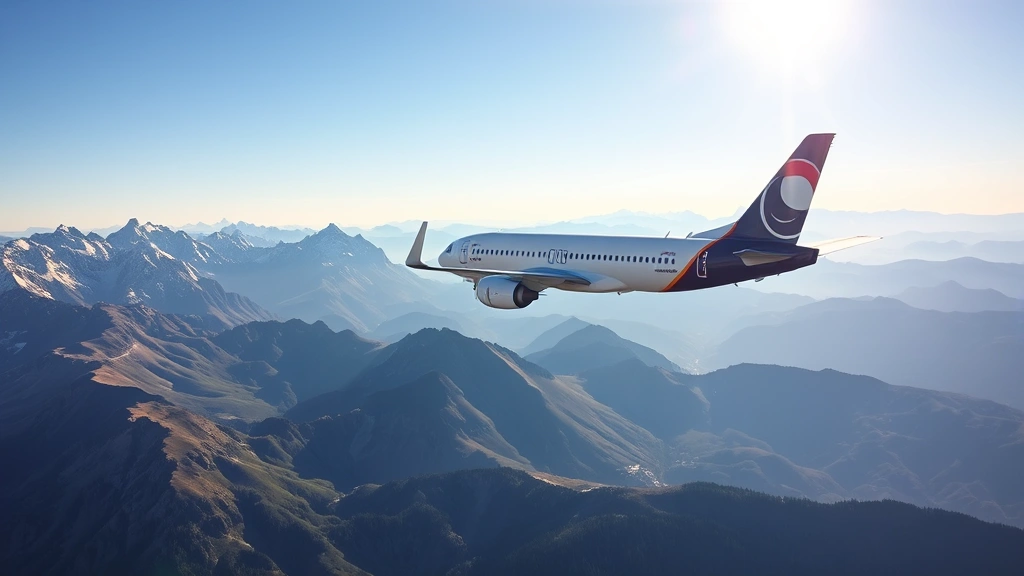
The Denver to Seattle flight experience is generally smooth and straightforward. Once you’ve boarded your flight, you’ll climb out of Denver’s high elevation (5,280 feet) and head northwest. The flight path offers beautiful views of the Colorado Front Range, the high plains of eastern Colorado and Wyoming, and eventually the Cascade Mountains as you approach Seattle.
Most flights on this route are served with beverage service and, depending on your airline, light snacks. Bring a reusable water bottle (fill it after security) to stay hydrated at Denver’s altitude before departure. The cabin pressure during flight is comfortable for most passengers, though those sensitive to air pressure might experience mild ear discomfort—chewing gum or using the Valsalva maneuver helps.
Weather considerations are important year-round. Denver summers are generally clear, making for smooth flights, while winter can bring occasional delays due to snow. Seattle’s weather is unpredictable—the famous Seattle drizzle can affect visibility, and occasional winter storms can cause delays. Check weather forecasts before departure and download your airline’s app for real-time flight status updates.
Upon arrival at Sea-Tac, you’ll deplane and proceed through the terminal. If you’re checking baggage, allow 20-30 minutes to collect it. The airport is compact and easy to navigate. Ground transportation options include the aforementioned light rail, rental cars, rideshare services (Uber, Lyft), and taxis. Light rail is the most economical option at $3.25 and runs every 10-15 minutes.
For a more detailed understanding of what to expect on flights, read our guide on essential tips for long haul flights, which covers comfort strategies applicable even to shorter routes like this one.
Once in Seattle, you’ll discover a city rich with attractions. Pike Place Market is the iconic must-see destination, famous for its fish-throwing vendors and fresh local produce. The Space Needle offers panoramic views of the city and surrounding mountains. For outdoor enthusiasts, nearby Mount Rainier National Park, the San Juan Islands, and the Olympic Mountains provide world-class hiking and natural beauty.
FAQ
What’s the cheapest time to fly from Denver to Seattle?
Spring (April-May) and fall (September-October) offer the best prices, typically 20-35% cheaper than summer and winter peaks. Mid-week flights (Tuesday-Thursday) are consistently cheaper than weekend flights. Booking 6-8 weeks in advance generally provides the best combination of availability and pricing.
How long is the flight from Denver to Seattle?
Direct flights take approximately 2 hours and 45 minutes to 3 hours. Flights with connections add 4-6 hours of total travel time depending on the layover duration and connecting airport.
Which airline is best for Denver to Seattle flights?
United Airlines offers the most frequent service with a Denver hub, Southwest Airlines provides customer-friendly policies and competitive pricing, and Alaska Airlines offers excellent service on Pacific Northwest routes. Budget-conscious travelers can choose Frontier for ultra-low fares, though with fewer amenities included.
Can I save money by booking a one-way flight?
Sometimes yes. Occasionally, booking two one-way flights separately is cheaper than a round-trip fare. Always compare both options before purchasing, as prices fluctuate frequently.
What should I pack for a Denver to Seattle flight?
Pack light layers as cabin temperatures vary. Bring a reusable water bottle, travel pillow for comfort, and entertainment for the 3-hour flight. Seattle’s weather is rainy, so pack an umbrella or rain jacket if you’re checking baggage.
Are there direct flights from Denver to Seattle?
Yes, multiple airlines operate direct flights on this route throughout the day. United, Southwest, Alaska Airlines, and Frontier all offer direct service between Denver (DEN) and Seattle (SEA).
How early should I arrive at Denver airport?
Plan to arrive 2 hours before domestic flight departure. Denver’s TSA security is generally efficient, but arriving early provides buffer time for unexpected delays.
What ground transportation is available at Seattle airport?
Light rail (Link) to downtown Seattle ($3.25), rental cars, rideshare services (Uber/Lyft), and traditional taxis are all available. Light rail is the most economical and reliable option for reaching downtown Seattle.