Hawaii Flight Duration? Expert Breakdown of Flight Times from Across the US
Planning a tropical getaway to Hawaii? One of the first questions travelers ask is: “How long is the flight to Hawaii?” The answer isn’t as straightforward as you might think. Flight duration to the Hawaiian Islands varies dramatically depending on your departure city, the specific island you’re visiting, weather conditions, and whether you’re taking a direct flight or connecting through a hub. Understanding these variables will help you plan your journey more effectively and set realistic expectations for your travel day.
Hawaii’s remote location in the Pacific Ocean makes it one of America’s most distant domestic destinations. While the islands are geographically isolated, modern aviation has made reaching them relatively accessible from the mainland. Whether you’re departing from the East Coast, West Coast, or somewhere in between, we’ve compiled a comprehensive guide to help you understand exactly what to expect when flying to Hawaii.
Flight Times by Departure City
The duration of your flight to Hawaii depends primarily on where you’re flying from. The continental United States spans nearly 3,000 miles from coast to coast, and Hawaii sits approximately 2,400 miles off the West Coast. Here’s what you can expect from major US cities:
From the West Coast: If you’re departing from California cities like Los Angeles or San Francisco, expect flight times of approximately 5.5 to 6 hours to Honolulu. These are typically the shortest mainland flights to Hawaii. Seattle flights run slightly longer at 6 to 6.5 hours, while flights from San Diego average around 5.5 hours.
From the Mountain West: Denver and Phoenix flights to Hawaii typically range from 6 to 7 hours, depending on wind patterns and specific routing. Las Vegas, being closer to California, offers flights around 5.5 to 6.5 hours. If you’re interested in comparing other long-distance flights, check out our guide on flights from Denver to Las Vegas for additional perspective on transcontinental travel.
From the Midwest: Chicago flights to Hawaii average 7 to 8 hours, while Dallas and Houston flights typically last 7 to 7.5 hours. Minneapolis flights are generally in the 8 to 8.5-hour range.
From the East Coast: This is where distances become significant. New York to Hawaii flights typically last 11 to 12 hours with a connection, though direct flights (when available) take approximately 10 to 11 hours. Boston, Philadelphia, and Washington DC all require connections, extending total travel time to 12 to 14 hours including layovers. For comparison, see our detailed analysis of flights to Miami from Philadelphia to understand East Coast flight patterns.
From Florida: Miami and Fort Lauderdale flights average 9 to 10 hours with connections, while direct flights (when available) take approximately 9 to 9.5 hours.
Direct Flights vs. Connections
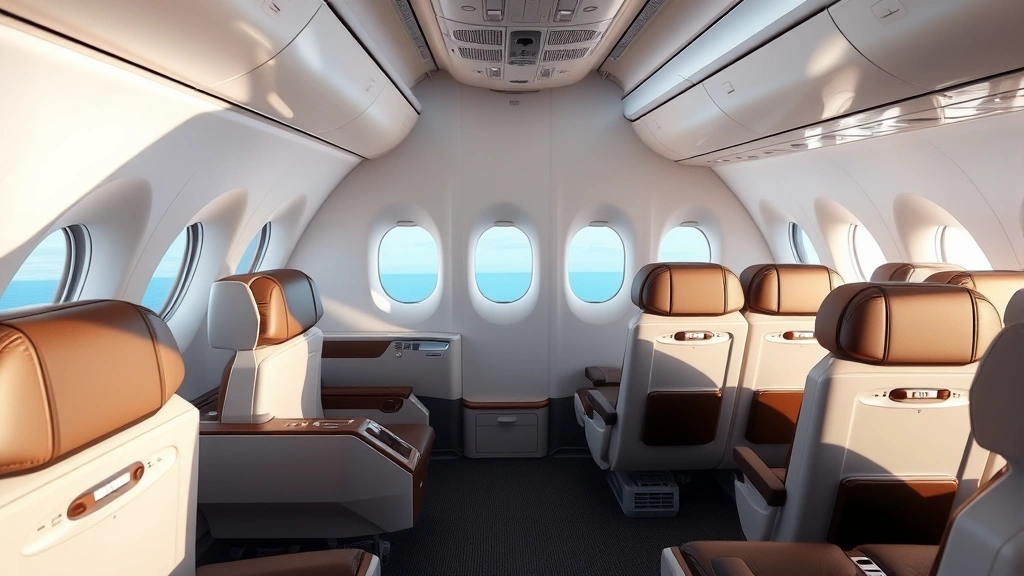
The choice between direct flights and connections significantly impacts your total travel time. Direct flights are faster but not always available from every city. Most major airlines operate direct flights from West Coast hubs to Honolulu, but East Coast travelers almost always require at least one connection.
Direct Flight Advantages: Direct flights eliminate layover time and reduce fatigue from multiple airport visits. A direct flight from Los Angeles to Honolulu takes about 5.5 hours of actual flight time. You board once, and you’re in Hawaii. This simplicity appeals to many travelers, especially those with families or extensive luggage.
Connection Considerations: Connecting flights often offer lower fares but extend your total travel time significantly. A connection through a hub city like Los Angeles or San Francisco can add 3 to 6 hours to your journey, depending on layover length. However, if you’re flexible with timing, connections sometimes allow you to explore different routing options that might include better pricing or more convenient departure times.
When evaluating connections, consider hub cities like Los Angeles, San Francisco, Phoenix, Denver, and Dallas. These major aviation hubs offer frequent connections to Hawaii. The quality of your layover experience depends on the airport and your connection time, so always book with at least 2 hours between flights for domestic connections.
Factors Affecting Flight Duration
Several variables influence actual flight times beyond the simple distance calculation. Understanding these factors helps explain why two flights on the same route might have different durations.
Jet Stream and Wind Patterns: The jet stream significantly impacts Hawaii flights, particularly those from the mainland. Eastbound flights (returning to the mainland) typically fly faster because they’re assisted by the jet stream, while westbound flights (heading to Hawaii) often encounter headwinds, extending flight time by 30 minutes to an hour. Seasonal variations also affect wind patterns, with winter months sometimes showing more pronounced jet stream effects.
Aircraft Type: Modern aircraft like the Boeing 787 Dreamliner and Airbus A350 are more fuel-efficient and can cruise at optimal speeds, potentially reducing flight time compared to older narrow-body aircraft. However, airlines sometimes schedule flights conservatively to account for weather variables and ensure on-time arrivals.
Air Traffic Control Routing: The specific flight path assigned by air traffic control can vary based on traffic, weather systems, and airspace congestion. Controllers might route aircraft around storm systems or through different corridors depending on conditions, affecting total flight duration.
Weather Conditions: Severe weather can cause delays or require alternative routing. While pilots typically navigate around major weather systems, significant storms might force longer flight paths. Conversely, clear conditions allow for optimal routing and potentially faster flights.
Time Zone Changes: Hawaii operates on Hawaii-Aleutian Standard Time (HST), which is 10 hours behind Eastern Standard Time and 3 hours behind Pacific Standard Time. This time zone advantage means you arrive at roughly the same local time you departed, despite hours of flight time elapsed. This unique benefit makes Hawaii feel closer than it actually is.
Island-Specific Flight Variations
While Honolulu International Airport (HNL) on Oahu is the primary hub, Hawaii includes eight major islands. Your final destination affects overall travel time if you’re not staying on Oahu.
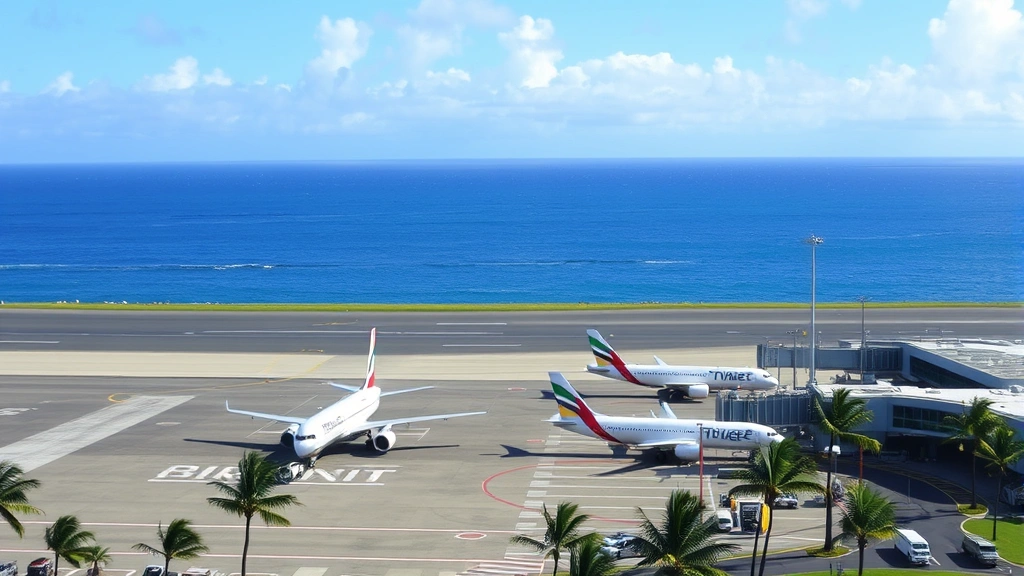
Oahu (Honolulu): Most direct flights arrive here. It’s the main hub with the most flight options and competitive pricing. The flight duration to Hawaii when heading to Honolulu is your baseline reference.
Maui (Kahului): Inter-island flights from Honolulu take approximately 40 minutes to 1 hour. If you’re flying directly from the mainland to Maui, expect similar flight times to Honolulu, plus approximately 1 hour for the inter-island leg. Total mainland to Maui time typically ranges from 6.5 to 13 hours depending on your departure city.
Big Island (Kona/Hilo): Direct flights from some West Coast cities serve Kona International Airport. From Los Angeles, expect about 6.5 hours. From the mainland generally, figure mainland flight time plus 1 hour for connections to Kona or Hilo.
Kauai (Lihue): Most travelers connect through Honolulu. The inter-island flight takes about 55 minutes. Total time from the mainland varies from 7 to 14 hours depending on your origin.
Molokai and Lanai: These smaller islands require connections through Honolulu or Maui, typically adding 1 to 2 hours to your overall journey.
Tips for Long-Haul Hawaii Flights
Flying to Hawaii, especially from the East Coast, involves extended flight times. Preparation makes the journey more comfortable.
Pre-Flight Preparation: Start adjusting your sleep schedule several days before departure to align with Hawaii time. Stay hydrated before boarding—airplane cabins are exceptionally dry. Eat a light meal before flying to avoid digestive discomfort during the flight. For more travel preparation insights, explore our comprehensive Sky Voyage Hub Blog for additional travel tips.
In-Flight Comfort: Wear loose, comfortable clothing and bring compression socks to promote circulation. Many travelers find neck pillows, eye masks, and noise-canceling headphones invaluable for long flights. Download entertainment options before boarding, including movies, podcasts, and audiobooks. Most Hawaii flights offer in-flight entertainment, but having backup options ensures you won’t run out of content.
Seat Selection: For long flights, consider premium economy or business class if your budget allows. If flying economy, select seats with extra legroom or near windows to minimize disruptions. Aisle seats offer easier bathroom access, while window seats provide privacy and a place to lean against the fuselage for sleeping.
Hydration and Nutrition: Drink water consistently throughout the flight, avoiding excessive caffeine and alcohol, which promote dehydration. Accept the airline’s beverage service frequently. Bring your own snacks if you’re concerned about meal timing or dietary preferences.
Movement and Stretching: Stand and walk the aisles every 1 to 2 hours on long flights to prevent deep vein thrombosis and muscle stiffness. Perform simple stretches at your seat, including neck rolls, shoulder shrugs, and leg lifts.
Airlines and Flight Options
Several major carriers operate flights to Hawaii, each offering different scheduling and amenities.
Hawaiian Airlines: As Hawaii’s primary carrier, Hawaiian Airlines operates the most extensive network to the islands from mainland cities. They typically offer competitive pricing and frequent flyer benefits for repeat visitors. Their official website provides real-time flight information and booking options.
United Airlines: United operates numerous flights to Hawaii from hub cities including San Francisco, Denver, and Chicago. They offer various service classes and frequent flyer benefits. Visit their official website for scheduling and reservations.
American Airlines: American serves Hawaii from several mainland hubs with connections through their network. Their official website offers booking and flight status information.
Southwest Airlines: Southwest operates flights to Hawaii, particularly from California, Nevada, and Arizona. They’re known for customer-friendly policies and frequent service. Check their official website for current schedules.
Delta Air Lines: Delta offers Hawaii flights with connections through Atlanta and other hubs. For flight information and booking, visit their official channels. If you’re interested in airline operational details, read about recent Delta flight operations for context on airline safety and procedures.
When booking, compare not just flight time but also total journey duration including connections, layover quality, and included amenities. Sometimes a slightly longer flight with better connections and more comfortable seating offers superior overall value.
FAQ
What’s the shortest flight time to Hawaii from the mainland?
The shortest flights are from Southern California cities like Los Angeles and San Diego to Honolulu, taking approximately 5.5 to 6 hours. These West Coast departures offer the fastest access to Hawaii due to proximity.
How long is a direct flight from New York to Hawaii?
Direct flights from New York to Honolulu take approximately 10 to 11 hours of flight time. However, most flights from New York require at least one connection, extending total travel time to 12 to 14 hours including layovers and ground time.
Do return flights from Hawaii take longer?
Return flights from Hawaii to the mainland typically take longer than westbound flights due to prevailing eastbound jet stream patterns. A return flight from Honolulu to Los Angeles might take 6 to 6.5 hours, compared to 5.5 to 6 hours westbound. This difference can vary seasonally.
What’s the best time to book Hawaii flights to minimize flight time?
Actual flight time doesn’t vary significantly based on booking time. However, booking in advance allows you to select optimal flights with better connections and schedules. Generally, booking 6 to 8 weeks ahead offers the best selection of flight times.
Are there red-eye flights to Hawaii?
Yes, several carriers operate red-eye flights departing the mainland in the evening and arriving in Hawaii early morning. These overnight flights help maximize your Hawaii vacation time by arriving refreshed in the morning. Red-eye flight duration matches standard flight times but arrives early the next day due to time zone differences.
How does the time zone affect arrival times?
Hawaii is 10 hours behind Eastern Time and 3 hours behind Pacific Time. A flight departing Los Angeles at 2 PM (Pacific) arrives in Honolulu at approximately 8 PM Hawaiian Time, despite only 5.5 hours of flight time. This time zone advantage makes the journey feel shorter than actual flight duration.
What’s the longest possible flight time to Hawaii?
With connections and layovers, flights from East Coast cities can take 14 to 16 hours total travel time from departure to arrival. A flight from Boston with a connection through a hub city and a 2 to 3-hour layover could realistically consume most of a full day.
Do weather conditions significantly delay Hawaii flights?
Weather rarely causes major delays on Hawaii routes, as the Pacific corridor is well-established and pilots skillfully navigate around weather systems. However, severe conditions at departure or arrival cities might cause delays. The most common delays result from connections at hub cities rather than weather over the Pacific.
Can I get information about flight attendant schedules?
Flight crews on Hawaii routes typically operate on carefully managed schedules. For career information about becoming a flight attendant on these routes, check out our article on flight attendant salary information and career requirements.
Are there seasonal variations in flight times?
Seasonal jet stream patterns can cause minor variations in flight times, with winter months sometimes showing slightly longer westbound flights due to stronger eastbound jet streams. However, the differences are typically 15 to 30 minutes and rarely significantly impact overall journey planning.