
Southwest Cuts Lambert Flights: Expert Insights on What Travelers Need to Know
Southwest Airlines has announced significant reductions in flight operations at St. Louis Lambert International Airport, marking a notable shift in the carrier’s strategic focus across major U.S. hubs. This decision reflects broader industry trends and operational priorities that directly impact travelers relying on this route for business and leisure travel. Understanding the implications of these cuts requires examining the airline’s reasoning, alternative options, and how passengers can adapt their travel plans accordingly.
The reduction at Lambert represents one of several operational adjustments Southwest has implemented as part of its fleet optimization strategy. St. Louis, a traditionally important hub for Southwest, has seen diminishing capacity as the airline reallocates resources to higher-demand markets and focuses on operational efficiency. For frequent flyers and regular commuters, this shift necessitates exploring alternative carriers and adjusting booking strategies to maintain connectivity and value.
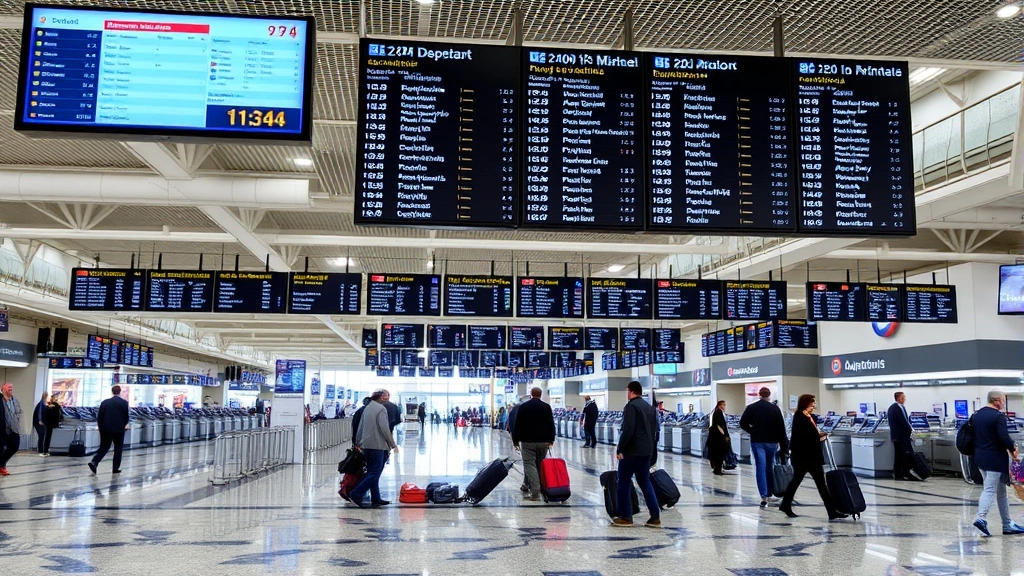
Understanding Southwest’s Strategic Decision
Southwest Airlines’ decision to reduce flights at Lambert International Airport stems from multiple interconnected factors affecting the airline industry. The carrier has been actively managing its capacity allocation across the network, prioritizing routes with stronger demand metrics and improved profitability potential. This strategic repositioning reflects changing travel patterns post-pandemic and the airline’s commitment to operational efficiency.
The airline industry has experienced significant transformations in recent years, with carriers reassessing their hub structures and route networks. Southwest’s move aligns with broader industry consolidation and optimization strategies. By reducing presence in certain markets, the airline can concentrate resources on routes where demand justifies increased frequency and service quality. This approach, while economically sound for the carrier, requires passengers to adapt their travel routines and explore alternatives.
Lambert International Airport serves as a crucial connection point for the St. Louis metropolitan area and surrounding regions. Southwest’s historical presence at this airport made it a preferred choice for many travelers. However, competitive pressures, fuel costs, and labor considerations have prompted the airline to reassess its commitment to this market. Understanding these underlying factors helps travelers anticipate future industry changes and plan accordingly.
According to Federal Aviation Administration data, airport slot allocations and operational capacity constraints also influence airline decisions. Southwest’s reduction at Lambert may reflect strategic choices about where to deploy its growing fleet and focus maintenance operations. The airline’s emphasis on point-to-point service rather than hub-and-spoke models continues to shape its network architecture.
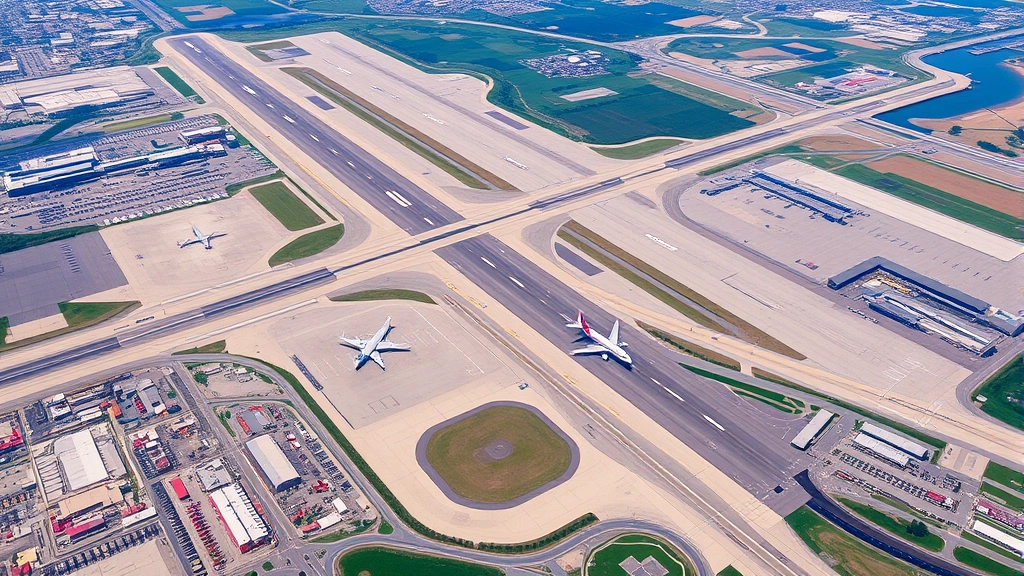
Impact on St. Louis Lambert Airport Operations
The reduction in Southwest flights at Lambert creates a noticeable shift in the airport’s competitive landscape. Lambert, officially known as St. Louis Lambert International Airport, has traditionally benefited from Southwest’s significant presence and frequent service. The airline’s cutbacks affect not only direct passenger volume but also the airport’s commercial viability and competitive positioning within the regional aviation market.
Airport authorities and economic development organizations have expressed concerns about reduced connectivity and potential impacts on business travel. Companies headquartered in the St. Louis area rely on consistent air service for executive travel and client meetings. When a major carrier reduces capacity, these organizations may experience increased travel costs and reduced scheduling flexibility. However, this situation also creates opportunities for competing airlines to expand their presence at Lambert.
The ripple effects extend beyond immediate passenger counts. Reduced flight frequency can impact ground support services, including baggage handling, catering, and maintenance operations. These ancillary services depend on consistent traffic volumes to maintain economic viability. Airport employees and service providers may face scheduling adjustments or reduced hours as operations scale down.
For travelers accustomed to Southwest’s service quality and pricing, the reduction presents challenges in maintaining comparable fares and flight times. However, increased competition from other carriers attempting to fill the void may ultimately benefit consumers through competitive pricing and improved service offerings. Airlines such as American, United, and Delta have opportunities to strengthen their Lambert presence through expanded schedules or improved connections.
Alternative Airlines and Routes from Lambert
As Southwest reduces its footprint at Lambert, several alternative carriers offer viable options for travelers. American Airlines maintains a significant presence at Lambert and operates multiple daily flights to major hubs including Dallas, Chicago, and Phoenix. These connections provide reliable options for reaching nationwide destinations and international gateways.
United Airlines serves Lambert with consistent service to Denver, Houston, and Chicago, offering competitive pricing and frequent departure times. United’s hub-focused network strategy ensures reliable connections to most major U.S. destinations. Frequent flyers may find value in United’s frequent flyer program benefits and elite status opportunities.
Delta Air Lines provides service from Lambert to Atlanta and other key hubs, maintaining competitive capacity and scheduling flexibility. The airline’s extensive network and partnership agreements offer travelers numerous connection options to domestic and international destinations. Delta’s emphasis on customer service and operational reliability appeals to business travelers seeking consistency.
Regional carriers and low-cost airlines have also expanded service at Lambert, creating additional alternatives. Spirit Airlines and Frontier Airlines offer budget-friendly options for price-sensitive travelers willing to accept basic service levels. These carriers provide value for leisure travelers and cost-conscious commuters seeking the lowest available fares.
Beyond traditional carriers, consider exploring alternative airports within reasonable driving distance. St. Louis area travelers can access services at nearby airports, though this requires weighing additional ground transportation costs and time commitments against potential fare savings. Understanding your specific travel needs and flexibility will determine whether alternative airports warrant consideration.
How to Adjust Your Travel Strategy
Travelers accustomed to Southwest service at Lambert should begin evaluating alternatives immediately. Start by reviewing your typical travel patterns and identifying which routes you use most frequently. This analysis helps determine which alternative carriers best serve your specific needs and destination preferences. Consider whether your regular routes remain well-served by other carriers or if you need to adjust travel plans.
When evaluating airline alternatives, examine factors beyond base fares. Review baggage policies, seat selection fees, and frequent flyer earning potential. Southwest’s famous free baggage allowance and lack of seat selection fees represent significant value compared to legacy carriers. Understanding these differences helps you calculate true travel costs and identify airlines that provide comparable value propositions.
Timing your bookings strategically can offset some challenges created by reduced Southwest capacity. Learning optimal booking windows for airline tickets remains essential, particularly as you transition to new carriers. Different airlines employ different pricing strategies, and understanding these patterns helps you secure competitive fares even with reduced supply from Southwest.
Consider establishing relationships with multiple airline loyalty programs. Rather than concentrating all frequent flyer activity with a single carrier, diversifying your loyalty program memberships reduces vulnerability to service disruptions. Elite status benefits with multiple airlines provide flexibility and backup options when your preferred carrier experiences capacity constraints.
Evaluate whether alternative airports serve your travel needs. Some travelers may find that driving to a larger hub airport provides access to more flight options and competitive pricing. Calculate total travel costs including ground transportation, parking, and additional time commitment to determine whether alternative airports represent viable options.
Booking Tips During Airline Transitions
During periods of airline service changes, booking practices require particular attention to protect your interests. Always verify current flight schedules through airline websites rather than relying on outdated information. Southwest’s flight reductions may have occurred gradually, and some routes may have already been eliminated while others remain intact.
When comparing fares across carriers, use multiple booking platforms to ensure you’re accessing current pricing and availability. Travel search engines like Kayak and Google Flights allow simultaneous comparison across carriers. These tools help identify the most competitive options and reveal pricing patterns across alternative airlines.
Understand refundable airline ticket options and booking strategies to protect your travel investment. Given the current transition period, booking refundable fares provides flexibility if your travel plans require adjustment. While refundable tickets typically cost more, the insurance value may justify the additional expense during unstable market conditions.
Pay close attention to luggage allowances and baggage fee structures when evaluating alternative carriers. Legacy airlines charge for checked bags while Southwest includes them, creating significant cost differences for travelers with substantial baggage needs. Factor these fees into your total travel costs when comparing competing fares.
Set up airline alerts and notifications to track price fluctuations and schedule changes. Most carriers offer email notifications when fares drop or schedules change for your booked flights. Proactive monitoring helps you identify opportunities to rebook at better prices or adjust travel plans before significant schedule changes occur.
Frequent Flyer Program Considerations
Southwest’s flight reductions at Lambert may impact frequent flyer earning potential and elite status qualification. Passengers who relied on regular Southwest flights to accumulate points may need to reassess their loyalty program strategy. Understanding how your frequent flyer points and status transfer between carriers helps minimize disruption to your loyalty program benefits.
If you’ve accumulated significant Southwest points, consider redeeming them strategically before further service reductions occur. Points may become less valuable if fewer routes serve your home airport, reducing redemption flexibility. Transferring points to partner programs when possible provides alternative redemption options and preserves your loyalty program value.
Evaluate whether maintaining elite status with Southwest remains practical given reduced service at Lambert. If you’ve achieved elite status through flying Southwest from your home airport, the carrier’s reduced presence may make status qualification more difficult in future years. Transitioning elite status focus to airlines with stronger Lambert presence may better align with your actual travel patterns.
Legacy carriers offer competitive frequent flyer programs with similar benefits to Southwest’s offerings. Comprehensive guides to airline frequent flyer programs help you evaluate which carriers offer elite benefits matching your preferences. Consider which programs provide the most value based on your typical travel routes and spending patterns.
Partner airline networks provide additional value within frequent flyer programs. Airlines partnering with international carriers, hotel chains, and credit card companies expand redemption opportunities. Evaluating these partnership networks helps you maximize frequent flyer program value even if your primary carrier reduces service at your home airport.
Credit card partnerships offer another avenue for loyalty program value. Airline-branded credit cards typically provide sign-up bonuses, annual benefits, and accelerated earning rates. These benefits can offset some challenges created by reduced Southwest capacity while helping you achieve elite status with alternative carriers.
FAQ
Why is Southwest reducing flights at St. Louis Lambert Airport?
Southwest has reallocated capacity to higher-demand markets and implemented operational efficiency strategies. This reflects industry-wide trends toward network optimization and reflects changing travel patterns post-pandemic. The airline prioritizes routes with stronger demand metrics and improved profitability.
What airlines serve Lambert as Southwest alternatives?
American Airlines, United Airlines, Delta Air Lines, Spirit Airlines, and Frontier Airlines all operate service from Lambert. Each carrier offers different route networks, pricing strategies, and service levels. Evaluate which airline best serves your specific travel needs and destination preferences.
Will Southwest eventually restore service at Lambert?
While industry conditions remain dynamic, no official announcements indicate planned service restoration at Lambert. Travelers should plan for long-term reduced Southwest capacity and develop alternative travel strategies accordingly. Monitor airline announcements for potential future changes.
How can I minimize travel costs during this transition?
Compare fares across multiple carriers, set up price alerts, and consider alternative airports if practical. Book refundable fares when possible to maintain flexibility. Evaluate baggage fees and other ancillary charges when comparing total travel costs between carriers.
Should I switch my frequent flyer loyalty to another airline?
Consider your actual travel patterns and which airlines best serve your destinations. Rather than abandoning Southwest completely, diversifying your loyalty program memberships across multiple carriers provides flexibility. Evaluate which airlines offer elite benefits most valuable to your specific travel needs.
Can I still book connecting flights through Southwest at Lambert?
Yes, Southwest continues operating at Lambert with reduced frequency. Verify current schedules through the airline website. However, with limited capacity, you may face reduced schedule flexibility and higher fares compared to historical patterns.