Air France Diversion: Expert Pilot Insights on Emergency Madrid Landing
Flight diversions represent some of the most critical moments in aviation, requiring split-second decisions and years of specialized training. When Air France flights require emergency diversions, particularly to Madrid, the coordination between pilots, air traffic control, and ground crews demonstrates the sophisticated safety systems protecting modern air travel. Understanding these procedures provides valuable insight into how aviation professionals handle unexpected challenges at 35,000 feet.
An Air France flight emergency diversion to Madrid showcases the precision and expertise embedded within commercial aviation operations. These situations, while rare, highlight why airlines maintain rigorous safety protocols and why pilots undergo continuous emergency training. The decision to divert requires evaluating multiple factors: fuel reserves, weather conditions, aircraft system status, and available airfields. Madrid’s Adolfo Suárez Airport, as one of Europe’s major hubs, frequently serves as a diversion point for transatlantic and continental flights experiencing difficulties.
Understanding Emergency Diversion Protocols
Emergency diversion protocols form the backbone of modern aviation safety systems. When an Air France flight encounters a situation requiring immediate landing, pilots follow established procedures documented in the aircraft’s operations manual. These protocols address mechanical failures, medical emergencies, security threats, and weather-related hazards. The decision tree pilots follow accounts for aircraft weight, remaining fuel, distance to suitable airports, and runway availability.
For an Air France flight emergency diversion to Madrid, pilots must assess whether the aircraft can safely reach the destination airport. Fuel calculations include required reserves for holding patterns, potential missed approaches, and diversion to an alternate airfield. Modern aircraft like the Airbus A350 and Boeing 787 provide pilots with real-time fuel consumption data, allowing precise calculations. Air Traffic Control centers coordinate with multiple agencies to prepare the receiving airport, including emergency services positioning equipment and personnel.
The Federal Aviation Administration (FAA) and European Union Aviation Safety Agency (EASA) mandate specific training frequencies for emergency diversion scenarios. Pilots must demonstrate proficiency in handling system failures, navigation challenges, and communication breakdowns. The FAA maintains comprehensive regulations governing emergency procedures that Air France operations must exceed. These standards ensure that regardless of the crisis type, pilots possess the knowledge and muscle memory to respond appropriately.
Expert Pilot Decision-Making in Crisis
Pilot decision-making during emergencies separates adequate responses from exceptional ones. Captain-level pilots at Air France undergo advanced training in aeronautical decision-making, a structured approach to evaluating options under pressure. When facing an Air France flight emergency requiring diversion, the pilot in command must rapidly assess the situation’s severity, available resources, and time constraints.
Expert pilots employ the OODA loop—Observe, Orient, Decide, Act—a decision-making framework developed for high-stakes environments. During an emergency diversion, pilots observe instrument readings and system warnings, orient themselves within the operational context and procedures, decide on the appropriate course of action, and act decisively. This framework prevents analysis paralysis while ensuring decisions remain grounded in training and regulations.
Air France captains with extensive experience recognize that communication with their first officer (co-pilot) and flight engineer remains critical. Modern cockpit resource management emphasizes that the pilot in command doesn’t work in isolation. The crew cross-checks decisions, verifies calculations, and ensures no critical information falls through the cracks. This team-based approach has dramatically improved safety outcomes across commercial aviation. Understanding how airlines manage operational excellence includes appreciating the human factors that make diversion procedures effective.
Psychological factors influence emergency decision-making. Pilot training includes scenario-based exercises designed to build confidence while preventing overconfidence. Fatigue, stress, and cognitive biases can impair judgment, which is why flight time regulations limit consecutive duty periods. Air France implements fatigue risk management systems that account for circadian rhythm disruptions and accumulated fatigue across multiple flight segments.
Madrid as a Strategic Diversion Airport
Adolfo Suárez Madrid-Barajas Airport (MAD) serves as one of Europe’s most critical aviation hubs, making it an ideal diversion destination for Air France flights experiencing emergencies. Located approximately 13 kilometers northeast of Madrid’s city center, the airport features four parallel runways and sophisticated air traffic management systems. This infrastructure capacity allows Madrid to accommodate unexpected arrivals without disrupting scheduled operations significantly.
Madrid’s geographic position makes it strategically valuable for flights crossing the Atlantic or traveling between northern Europe and southern destinations. When Air France flights operating transatlantic routes encounter emergencies, Madrid offers a well-equipped facility with extensive maintenance capabilities, comprehensive medical facilities, and multilingual ground staff. The airport handles over 50 million passengers annually, maintaining highly trained emergency response teams.
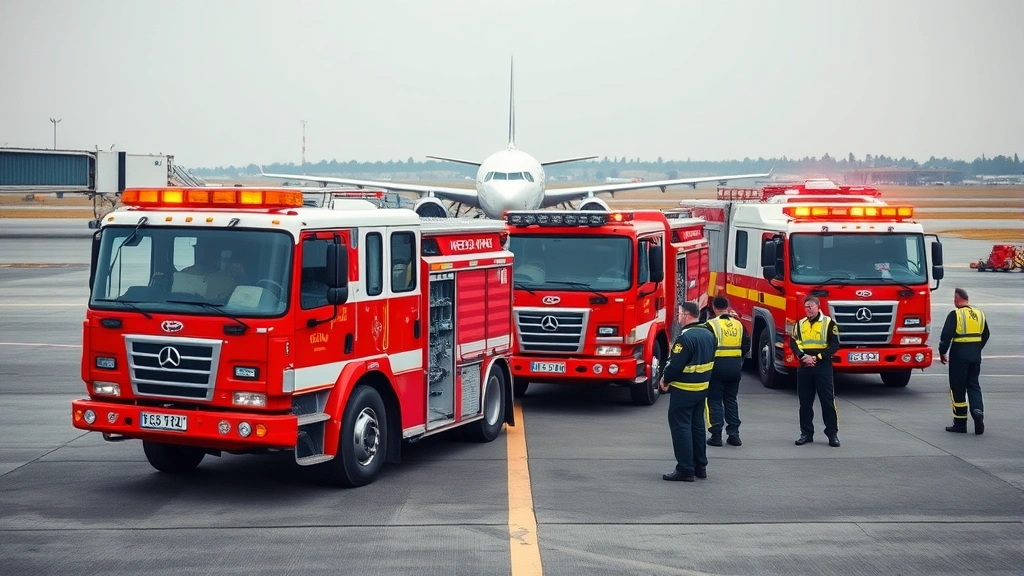
The airport’s emergency response capabilities include dedicated fire and rescue services equipped with specialized aircraft firefighting equipment. Madrid’s airport authority coordinates closely with aviation authorities across Spain and the European Union. When a diversion occurs, ground personnel activate predetermined procedures, positioning emergency vehicles and clearing runway approaches. This coordination ensures that pilots can focus entirely on safely bringing their aircraft to the ground.
Madrid’s runway infrastructure supports the full spectrum of commercial aircraft, from regional turboprops to the largest widebody jets. Runway 32-L (now designated 32-R) and 32-R (now 32-L) accommodate simultaneous operations, while runways 01-L/19-R and 01-R/19-L provide additional capacity. For an Air France flight emergency requiring immediate landing, air traffic controllers can vector the aircraft to the most suitable runway based on wind conditions, aircraft weight, and available landing distance.
Communication and Coordination Systems
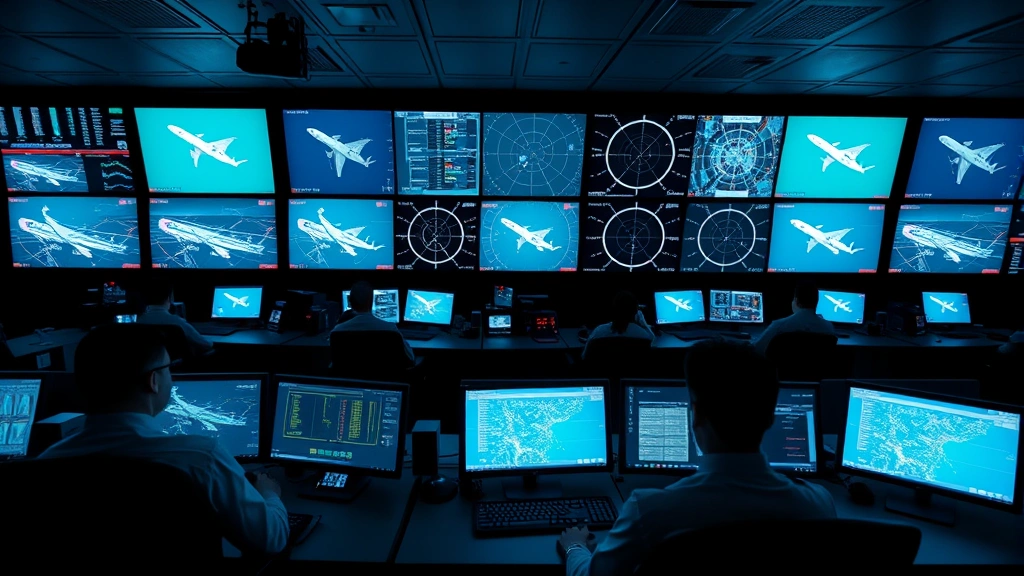
Effective communication forms the foundation of successful emergency diversions. When an Air France flight declares an emergency and requires diversion to Madrid, pilots transmit a “Mayday” or “Pan Pan” call to air traffic control, clearly stating the nature of the emergency. This call triggers a cascade of coordinated responses across multiple agencies. Air traffic controllers immediately assign priority handling, clear the flight’s path, and coordinate with Madrid approach control to prepare for the arrival.
The pilot’s initial distress call includes essential information: aircraft type, current position, nature of the emergency, number of souls on board, and fuel remaining. This information allows air traffic control to make informed decisions about routing and available airports. Controllers speak with pilots using standardized phraseology developed internationally, ensuring clarity despite language differences. Air France crews, operating across multiple European countries, train extensively in English-language aviation communications.
Madrid’s air traffic control facility maintains continuous contact with inbound Air France flights, providing vectors toward appropriate runways and maintaining safe separation from other traffic. Controllers receive weather information, runway status updates, and emergency services positioning in real-time. They communicate landing clearances, wind information, and any hazards pilots should anticipate during approach and landing.
Ground-to-air communication extends beyond the control tower. Airline operations centers maintain contact with aircraft throughout flights, receiving regular position reports and weather updates. When an emergency occurs, airline dispatchers coordinate with airport operations, maintenance crews, medical personnel, and catering services. This comprehensive communication network ensures that the receiving airport can respond appropriately to the aircraft’s specific needs.
Passenger Safety During Diversions
Passenger safety remains the paramount concern during any emergency diversion. Air France flight attendants, trained extensively in emergency procedures, brief passengers on the situation when appropriate. The decision regarding passenger communication reflects a balance between keeping passengers informed and preventing panic. Flight attendants ensure all passengers are securely seated, overhead bins are secured, and emergency equipment is accessible.
When an Air France flight requires emergency diversion, flight attendants prepare the cabin for potential emergency landing procedures. This preparation includes securing galleys and securing any loose items that could become projectiles during a hard landing. Attendants verify that all passengers understand brace positions and emergency exit procedures. Passengers with mobility challenges receive specific guidance, and unaccompanied minors receive additional support.
Modern aircraft feature advanced safety systems that protect passengers during emergency landings. Seats are designed to absorb impact energy, protecting occupants even during high-deceleration events. Aircraft fuselages contain fire-resistant materials, and evacuation slides deploy automatically or manually, providing rapid egress if needed. The pressurization systems maintain cabin pressure even if the aircraft experiences external damage, protecting passengers from hypoxia.
Medical emergencies frequently trigger Air France flight diversions. The airline carries onboard medical kits and works with ground-based medical professionals who can advise pilots and crew about appropriate treatment. If a passenger requires urgent medical attention available only on the ground, diverting to the nearest suitable airport takes precedence over schedule maintenance. Madrid’s hospitals provide world-class emergency medical care, making it an ideal diversion destination for medical emergencies.
Passenger communication continues after landing. Air France ground personnel provide accurate information about the diversion reason, expected timeline for continuing to the original destination, and available accommodations if overnight stays become necessary. Understanding airline operations and passenger rights helps travelers appreciate the complexity of managing diversions professionally.
Post-Diversion Recovery Operations
After an Air France flight successfully lands following an emergency diversion, recovery operations commence immediately. Maintenance technicians board the aircraft to assess the situation that triggered the diversion. Some issues prove relatively minor—a warning light caused by a sensor malfunction—while others require substantial repairs. The maintenance assessment determines whether the aircraft can continue to its original destination or requires extended servicing.
Air France dispatchers coordinate with aircraft maintenance teams to develop recovery plans. If repairs can be completed within a reasonable timeframe, the airline schedules continuation of the flight once maintenance clearance is obtained. If extensive repairs become necessary, Air France arranges alternative aircraft or rebooking passengers on subsequent flights. Passengers receive accommodations, meals, and communication throughout the process.
From a technical standpoint, maintenance engineers examine all systems affected by the emergency. They review flight data recorders—the “black boxes” that record aircraft performance parameters—to understand what occurred during the emergency. This analysis informs maintenance decisions and contributes to the airline’s continuous safety improvement processes. Any systemic issues discovered trigger notifications to other Air France aircraft operating similar equipment.
Air France also conducts a post-incident review involving pilots, dispatchers, maintenance personnel, and safety specialists. This review examines decision-making processes, communication effectiveness, and any factors that contributed to the emergency. The goal remains identifying lessons that improve future operations and prevent similar incidents. Air France’s safety culture emphasizes learning from every operational event, regardless of severity.
Pilot Training and Certification Standards
Air France pilots undergo rigorous training that extends far beyond initial certification. Captains commanding Air France flights complete approximately 20,000 flight hours before reaching command positions. Throughout their careers, pilots participate in recurrent training every six to twelve months, including emergency procedure reviews and simulator-based training. Understanding the expertise behind airline operations includes recognizing the extensive training pilots complete.
Emergency diversion training specifically addresses scenarios pilots might encounter. Simulator sessions replicate system failures, weather challenges, medical emergencies, and navigation problems. Pilots practice handling emergencies while maintaining situational awareness, communicating effectively with crew and air traffic control, and making sound decisions under pressure. This training occurs in full-motion simulators that replicate the aircraft’s actual handling characteristics and system behavior.
The European Union Aviation Safety Agency (EASA) establishes training standards that all European airlines, including Air France, must meet or exceed. EASA regulations require specific training frequencies and competency demonstrations. Pilots must pass written exams, practical flying tests, and oral examinations administered by qualified examiners. This comprehensive testing ensures pilots possess both theoretical knowledge and practical skill.
Air France maintains its own training organization that develops airline-specific procedures and scenarios. Training captains, experienced pilots with additional instructor qualifications, conduct line training where new pilots operate with experienced captains on actual revenue flights. This mentoring approach ensures that training translates effectively to real-world operations. Pilots receive feedback on their performance and guidance for continuous improvement.
Fatigue management training addresses the human factors affecting pilot performance. Pilots learn to recognize fatigue symptoms in themselves and colleagues, understand circadian rhythm disruptions, and apply strategies to maintain alertness. Air France schedules flights and crew rest periods based on fatigue risk management principles, recognizing that well-rested pilots make better decisions during emergencies.
FAQ
How often do Air France flights require emergency diversions?
Emergency diversions remain statistically rare events in commercial aviation. Air France’s modern fleet and comprehensive maintenance programs minimize unexpected in-flight emergencies. When diversions do occur, they typically result from medical emergencies, mechanical issues discovered during flight, or severe weather. The exact frequency varies by year but represents a tiny fraction of Air France’s annual flight operations.
What determines whether a flight diverts to Madrid versus another airport?
Pilots and dispatchers select diversion airports based on multiple factors: distance from the aircraft’s current position, available runway length, weather conditions, maintenance capabilities, and medical facilities. Madrid often emerges as the optimal choice for flights operating over central Europe due to its excellent infrastructure, geographic position, and available runways suitable for all commercial aircraft types.
Are passengers compensated for flight diversions?
Compensation depends on the diversion cause and applicable regulations. EU Regulation 261/2004 provides compensation for flight delays exceeding three hours caused by airline operational factors, though emergencies may exempt airlines from compensation requirements. Passengers receive accommodations, meals, and communication assistance regardless of compensation eligibility. Learning about passenger rights during disruptions helps travelers understand their entitlements.
How long does an aircraft remain on the ground after an emergency diversion?
Duration varies significantly based on the issue’s severity. Minor problems resolved quickly might allow the flight to resume within two to three hours. Major mechanical failures could require overnight stays or aircraft substitution. Air France prioritizes passenger comfort and safety over schedule, ensuring thorough maintenance assessment before resuming operations.
What happens to luggage during a diverted flight?
Luggage remains on the aircraft throughout the diversion. When the flight continues to its original destination, luggage travels with the aircraft. If the aircraft cannot continue and passengers are reboked on alternative flights, baggage handling becomes more complex. Air France ground personnel coordinate luggage transfer to connecting flights or arrange delivery to final destinations, ensuring passengers receive their belongings promptly.
Can pilots refuse to divert even if an emergency occurs?
No. The pilot in command possesses ultimate authority and responsibility for flight safety. If an emergency threatens aircraft safety, the pilot must take appropriate action, which may include diversion. Regulations explicitly authorize and require pilots to deviate from flight plans, air traffic control instructions, and normal procedures when necessary to protect the aircraft and occupants.
How does air traffic control prioritize diverted flights?
Air traffic control provides immediate priority to aircraft declaring emergencies. Diverted flights receive direct vectors to suitable runways, precedence over scheduled traffic, and continuous radar monitoring. Controllers clear airspace as needed and coordinate with ground services to prepare for emergency arrivals. This prioritization reflects aviation’s fundamental principle that safety overrides all other considerations.
Air France’s commitment to safety excellence ensures that pilots, crew, and systems work harmoniously during emergencies. From initial recognition of a problem through successful diversion to Madrid or alternative airports, every element of the operation reflects decades of aviation experience and continuous improvement. Passengers entrusting Air France with their travel can be confident that expert professionals manage any challenges that arise during flight operations.
Understanding the complexity behind flight diversions deepens appreciation for modern aviation’s safety achievements. The expertise pilots demonstrate, the infrastructure supporting operations, and the coordinated responses from multiple agencies combine to protect millions of travelers annually. Exploring various aspects of air travel helps travelers understand the sophisticated systems enabling safe, reliable transportation. For those interested in aviation operations, visiting SkyVoyage Hub’s comprehensive blog provides additional insights into airline operations and travel safety.