Boston Logan Flight Delays? Expert Solutions for Return Issues
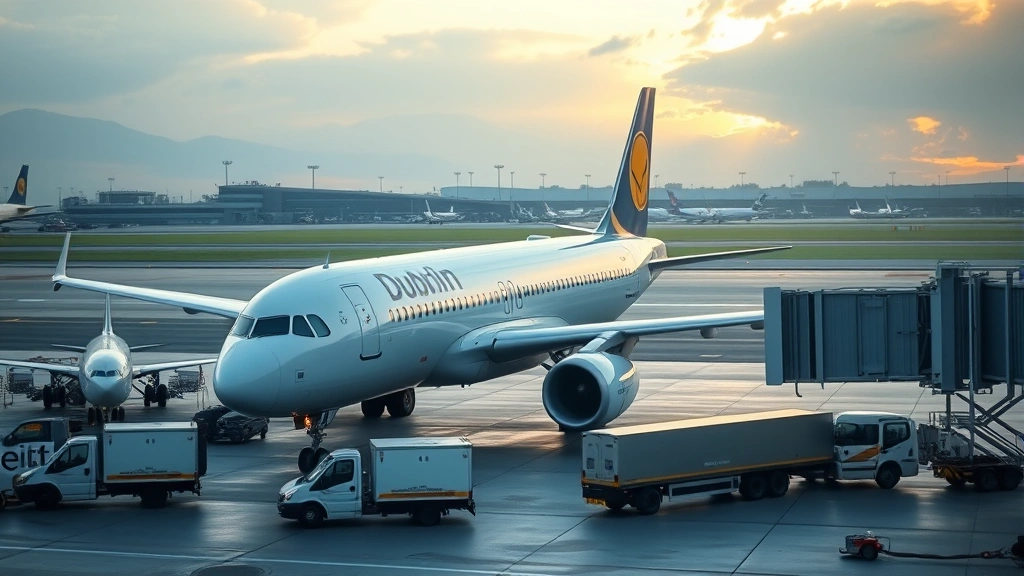
Boston Logan International Airport (BOS) serves as a major hub for Northeast travel, connecting millions of passengers annually to domestic and international destinations. However, like most major airports, Boston Logan experiences occasional flight delays and return issues that can disrupt travel plans. Whether you’re a frequent flyer or an occasional traveler, understanding the common causes of delays and knowing how to navigate return complications can significantly reduce travel stress and help you reclaim valuable time.
Flight delays at Boston Logan stem from various factors including weather conditions, air traffic congestion, mechanical issues, and staffing challenges. Return flight problems—such as cancellations, rebookings, and compensation claims—require specific knowledge to resolve effectively. This comprehensive guide provides expert solutions to help you manage delays at Boston Logan and understand your rights when return flights encounter problems.
Understanding Boston Logan Flight Delays
Boston Logan International Airport handles approximately 130,000 passengers daily across multiple terminals and runways. This high volume makes the airport susceptible to cascading delays when any system experiences disruption. Flight delays are officially defined as departures or arrivals occurring 15 or more minutes after scheduled times. However, minor delays rarely qualify for compensation, while significant delays lasting several hours create substantial passenger impact.
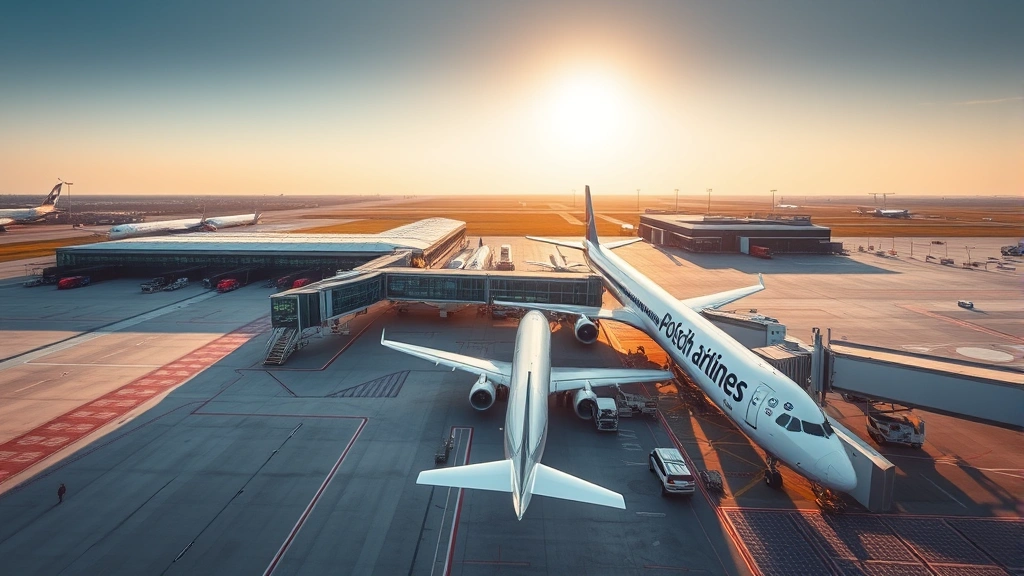
The airport operates with four runways handling both domestic and international traffic. During peak hours—typically 6-9 AM and 4-7 PM—the runway capacity reaches maximum utilization. When delays occur during these windows, they often compound throughout the day, affecting dozens of subsequent flights. Understanding this structural reality helps travelers make informed decisions about booking times and flight selections.
Return flights from Boston Logan face particular challenges because they must account for inbound aircraft availability. If your incoming flight arrives late, the aircraft designated for your return flight may not be ready, creating a domino effect. This situation frequently occurs during summer travel season and winter holiday periods when passenger volumes peak.
Common Causes of Delays at Boston Logan
Weather Conditions: New England weather patterns create significant delay risks. Winter snowstorms, spring nor’easters, summer thunderstorms, and fall fog all impact flight operations. Boston experiences an average of 15-20 days annually with weather-related delays affecting multiple flights. Visibility restrictions particularly impact runway operations, reducing departure and arrival capacity by up to 50%.
Air Traffic Control: Boston Logan operates under Boston Air Traffic Control Center oversight. During peak travel periods, ground stops may occur to manage capacity. These temporary flight halts prevent departures until the airport reduces congestion, affecting all airlines equally. Strategic delays at Boston Logan sometimes prevent downstream congestion at other northeastern airports.
Mechanical and Maintenance Issues: Aircraft requiring maintenance checks or repairs must be removed from service. Airlines maintain strict safety protocols, prioritizing mechanical integrity over schedule adherence. Unexpected mechanical discoveries during pre-flight inspections can delay departures 1-3 hours while technicians complete repairs.
Staffing Challenges: Flight crews, ground personnel, and maintenance technicians operate under strict rest requirements mandated by federal aviation regulations. When crew members exceed duty time limits or require mandatory rest breaks, airlines must delay flights or cancel services rather than violate safety regulations.
Operational Issues: Gate availability, baggage handling system malfunctions, catering delays, and fuel delivery problems create operational disruptions. These internal airport factors sometimes delay flights 20-45 minutes while ground crews resolve issues.
Managing Return Flight Issues
Return flight complications require different problem-solving approaches than outbound delays. When your return flight experiences issues, you’re typically away from home with limited immediate options. Understanding your airline’s policies and having backup plans proves essential.
Flight Cancellations: If your return flight gets cancelled, contact your airline immediately through their customer service line or mobile app. Airlines must offer either rebooking on the next available flight or a full refund. Request rebooking on competing airlines if your airline has no available flights within 24 hours. Major Boston Logan carriers including American Airlines, JetBlue Airways, and Southwest Airlines maintain reciprocal agreements for stranded passengers.
Missed Connections: If your inbound flight delay causes you to miss your return connection, the airline bears responsibility for rebooking. Request hotel accommodations and meal vouchers if your rebooking requires overnight stay. Document all expenses for potential reimbursement claims. Airlines typically cover reasonable expenses for passenger-caused delays, though policies vary.
Overbooking Situations: When flights are oversold, airlines request voluntary rebooking with compensation incentives. Evaluate offers carefully—compensation may include travel vouchers, cash, or upgrades. If insufficient volunteers accept, airlines involuntarily deny boarding to selected passengers, providing compensation of $400-$1,350 depending on flight length and delay duration.
Learn about airline key information and travel tips to better understand your carrier’s specific policies before departure. Different airlines handle return issues with varying levels of customer service and compensation generosity.
Passenger Rights and Compensation
U.S. Department of Transportation regulations establish clear passenger rights for flight delays and cancellations. Understanding these rights empowers you to claim entitled compensation.
Compensation for Cancellations: When airlines cancel flights, passengers receive either rebooking on the next available flight or full refund of ticket cost. If rebooking requires overnight stay, the airline must provide hotel accommodations and meals. This applies regardless of cancellation cause unless the airline can prove extraordinary circumstances beyond their control.
Tarmac Delay Rules: Airlines must not keep passengers on tarmac longer than three hours for domestic flights or four hours for international flights without returning to the gate. Violations result in $27,500 per passenger fines. If tarmac delays exceed these limits, passengers may legally deplane and rebook on other airlines at the airline’s expense.
Denied Boarding Compensation: When passengers are involuntarily denied boarding due to overbooking, compensation ranges from $400 (for delays under two hours) to $1,350 (for delays over four hours). Passengers additionally receive rebooking or refund options.
For EU-originating flights or flights operated by European carriers, EU Regulation 261/2004 provides enhanced passenger protections. These regulations often provide compensation even when U.S. rules do not, making them valuable for transatlantic travelers.
Explore best airlines for frequent flyers to understand which carriers maintain superior customer service records during disruptions. Frequent flyer status often provides enhanced benefits during travel complications.
Prevention Strategies for Smooth Travel
Book Strategic Flight Times: Early morning flights (6-8 AM) experience fewer delays because preceding-day aircraft are positioned correctly and crews are fresh. Avoid late afternoon departures (3-5 PM) when earlier delays cascade through the schedule. Red-eye flights (11 PM-5 AM) offer reliable schedules due to reduced airport congestion.
Build Connection Buffers: When connecting through Boston Logan, allow minimum 90 minutes for domestic connections and 120 minutes for international connections. This buffer absorbs moderate delays without causing missed connections. Direct flights eliminate connection risk entirely.
Monitor Weather Forecasts: Check weather predictions 5-7 days before travel. If significant storms are forecasted for your travel dates, consider rebooking if possible. Summer thunderstorm season (June-August) brings afternoon delay risks, while winter presents morning delay potential. National Weather Service Boston provides detailed forecasts.
Select Reliable Airlines: Historical data shows certain carriers maintain superior on-time performance at Boston Logan. Research airline reliability through Bureau of Transportation Statistics data. Understand the difference between best times to book airline tickets and best airlines for reliability—these factors differ significantly.
Arrive Early: Reach Boston Logan 2 hours before domestic departures and 3 hours before international flights. This buffer provides time for unexpected security delays or check-in complications without flight stress.
Purchase Travel Insurance: Comprehensive travel insurance covers flight cancellations, delays exceeding specific thresholds, and missed connections. Policies typically cost 5-10% of total trip cost but provide valuable protection for expensive flights or time-sensitive trips.
Technology Solutions and Tools
Modern technology offers powerful tools for managing Boston Logan flight complications.
Airline Mobile Apps: Download your airline’s official app before travel. These apps provide real-time delay notifications, rebooking options, and gate information. Push notifications alert you immediately when flight changes occur, enabling rapid response.
Flight Tracking Applications: Flightradar24, FlightAware, and similar services display real-time aircraft positions, historical delay patterns, and weather impacts. These tools help you understand delay causes and predict potential complications before they affect your travel.
Airport Information Systems: Boston Logan’s official website and mobile app provide runway status, weather conditions, and ground stop information. Check these resources during weather events to understand airport-wide impacts.
Compensation Claim Services: Services like AirHelp and Flightright automatically calculate compensation eligibility and file claims with airlines. These services work on contingency, taking 25-30% of recovered compensation. For EU-regulated flights, these services prove particularly valuable.
Alert Services: Set up price alerts and delay notifications through Google Flights, Kayak, and airline apps. These tools notify you of schedule changes immediately, enabling quick problem-solving.

Pre-Travel Preparation Checklist
Implement these preparation steps to minimize return flight issues:
- Download airline app and enable push notifications
- Photograph your boarding pass and itinerary
- Save airline customer service numbers in your phone
- Check baggage allowances and fees before arriving at airport
- Verify your return flight 24 hours before departure
- Review airline policies on delays, cancellations, and rebooking
- Understand your long-haul flight preparation requirements if traveling internationally
- Purchase travel insurance if trip cost exceeds $2,000
- Arrange ground transportation before arrival at Boston Logan
- Confirm hotel reservations and notify them of potential delays
What to Do During Flight Delays
Immediate Actions: When delays are announced, immediately contact your airline through the app or phone to understand the cause and expected departure time. Request meal vouchers and accommodation if delays exceed 3-4 hours. Document the delay with photos of departure boards and timestamps.
Communication Strategy: Notify your destination contacts of expected delay. If your delay affects ground transportation or reservations, contact those providers immediately to reschedule. Hotels and car rental agencies appreciate advance notice, often waiving change fees for legitimate flight delays.
Resource Management: Locate airport restaurants, lounges, and rest areas. Use delay time productively—work, read, or rest depending on your next departure. Charge electronic devices fully before boarding.
Rebooking Negotiations: If offered rebooking on a less convenient flight, negotiate for better alternatives. Request flights on competing airlines, premium cabin upgrades, or travel vouchers. Airline agents possess flexibility to improve rebooking offers when passengers ask respectfully.
Documentation: Maintain records of all delay-related expenses including meals, accommodation, ground transportation, and incidentals. Keep receipts and photos. These documents support compensation claims and potential reimbursement requests.

FAQ
What counts as a flight delay for compensation purposes?
In the United States, delays must exceed 3 hours for domestic flights to potentially qualify for compensation under certain circumstances. However, EU regulations provide compensation for delays exceeding 3 hours on EU-originating flights or European carrier flights regardless of delay cause, with limited exceptions for extraordinary circumstances.
Can I get compensation for a delayed return flight?
Yes, return flights receive the same compensation protections as outbound flights. If your return flight is cancelled or significantly delayed due to airline responsibility, you’re entitled to rebooking, refunds, and meal/hotel accommodations. For EU-regulated flights, you may also claim monetary compensation.
What should I do if I miss my return connection?
Immediately contact your airline’s customer service at the airport or through the app. The airline is responsible for rebooking you on the next available flight and providing meals and accommodation if overnight stay is required. Document all expenses for potential reimbursement. If the airline cannot accommodate you within 24 hours, request rebooking on a competing airline at the original airline’s expense.
How far in advance should I arrive for return flights from Boston Logan?
Arrive 2 hours before domestic return departures and 3 hours before international return flights. This timing provides buffer for unexpected security delays or check-in complications without rushing.
Which airlines have the best on-time performance at Boston Logan?
Historical data shows that early morning flights and flights during off-peak hours maintain better reliability. Specific airline performance varies by route and season. Check recent Bureau of Transportation Statistics reports for current airline reliability rankings.
Can I change my return flight if delays are forecasted?
Most airlines allow free rebooking if you proactively change your flight before cancellation or significant delay occurs, though policies vary. Contact your airline directly if weather forecasts suggest travel complications. Understanding travel planning strategies from SkyVoyageHub helps you navigate these situations effectively.
What compensation can I claim for a cancelled return flight?
For cancelled flights, you receive either rebooking on the next available flight or full ticket refund. If rebooking requires overnight stay, the airline covers hotel and meals. Under EU regulations, you may also claim €250-€600 in monetary compensation depending on flight distance and rebooking delay.
How do I file a flight delay compensation claim?
For EU-regulated flights, file claims directly with the airline within 2-3 years or use third-party claim services. For U.S. domestic flights, compensation options are limited unless specific DOT regulations apply. Document all delay details, expenses, and communications with the airline to support any claim.
What technology tools help prevent return flight problems?
Download your airline’s official app, enable push notifications, and monitor flight status through Flightradar24 or FlightAware. Set up price and delay alerts through Google Flights and Kayak. These tools provide advance warning of potential complications, enabling proactive problem-solving before delays significantly impact your travel.