Dallas to Denver Flights: Expert Booking Tips for Smart Travelers
Flying from Dallas to Denver is one of the most popular regional routes in the United States, connecting two vibrant cities with excellent connectivity and competitive pricing. Whether you’re traveling for business, visiting family, or planning a Rocky Mountain adventure, understanding how to book Dallas to Denver flights strategically can save you hundreds of dollars and ensure a smoother travel experience. This comprehensive guide covers everything you need to know about this route, from optimal booking strategies to airline selection and practical travel tips.
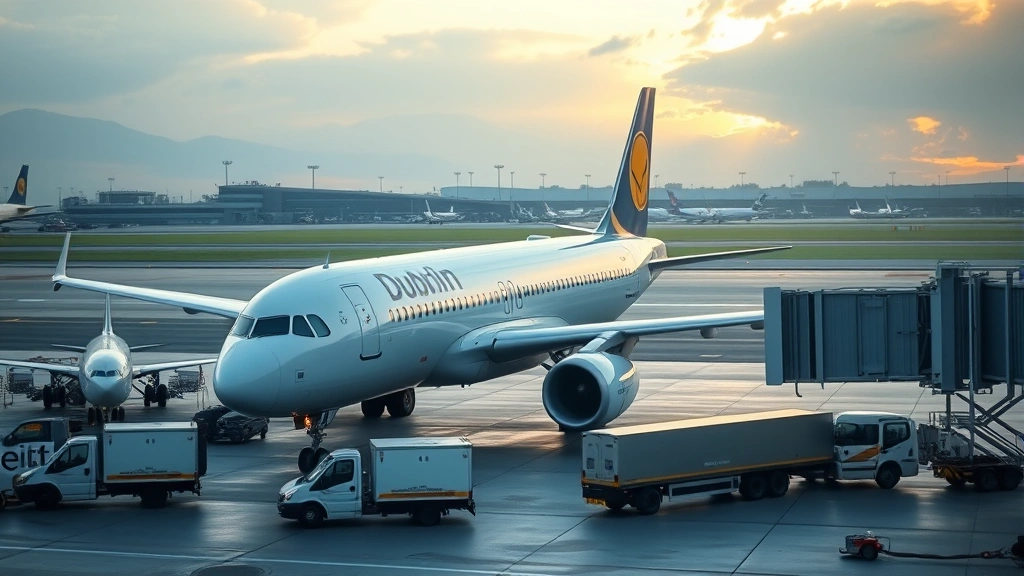
The Dallas-Denver corridor sees hundreds of daily flights operated by major carriers including Southwest Airlines, United Airlines, American Airlines, and Delta Air Lines. With flight times typically ranging from two to three hours, this is an ideal route for both leisure and business travelers. The distance of approximately 900 miles makes it a perfect medium-haul flight where smart booking decisions can significantly impact your travel costs and overall experience.
Understanding the Dallas to Denver Route
The Dallas to Denver corridor is served by two major Dallas airports: Dallas/Fort Worth International Airport (DFW) and Dallas Love Field Airport (DAL). Denver International Airport (DEN) is the primary hub for the Rocky Mountain region, making it a major connecting point for flights throughout the western United States. This route’s popularity stems from Denver’s status as a gateway to Colorado’s ski resorts, outdoor recreation areas, and thriving downtown business district.
When searching for flights on this route, you’ll typically find multiple daily departures from both Dallas airports. Southwest Airlines, which operates a significant hub at Denver International Airport, offers the most frequent service on this route, often with multiple daily flights. This competition benefits travelers through competitive pricing and flexible scheduling options. The route is also served by major carriers that use Denver as a connection point for flights heading west to California, Utah, and beyond.
Understanding the route’s characteristics helps you make informed booking decisions. The flight is short enough that it’s rarely overbooked with connecting passengers, meaning better availability for direct bookings. The altitude change from Dallas (approximately 450 feet) to Denver (approximately 5,280 feet) is significant, so acclimatization tips matter for some travelers. Most flights depart in the morning or late afternoon, with fewer midday options, which affects pricing patterns throughout the week.
Best Times to Book Your Flight
Timing your booking is crucial for securing the best fares on Dallas to Denver flights. According to travel industry research, the optimal booking window for this domestic route is typically 1-3 months in advance. Booking too early rarely saves money on this route, as airlines use dynamic pricing and adjust fares based on demand. Conversely, booking within 2-3 weeks of departure often results in premium pricing as seat inventory tightens.
Midweek flights (Tuesday through Thursday) consistently offer lower fares compared to weekend travel. If you have flexibility, flying on a Tuesday or Wednesday can result in savings of 15-30% compared to Friday or Sunday departures. Early morning flights (departing before 7 AM) and late evening flights typically offer better pricing than mid-morning and afternoon slots, though they may not suit all travelers’ schedules.
Seasonal variations significantly impact Dallas to Denver flight pricing. Winter months (November through March) see higher fares due to ski season demand and holiday travel. Summer months offer moderate pricing with increased flight frequency. Spring and fall represent shoulder seasons with some of the best value, particularly September and early October. Checking historical pricing data through tools like Google Flights and Kayak can help identify patterns for your specific travel dates.
For the best results, utilize the best times to book airline tickets guide to understand fare trends. Setting up price alerts on multiple booking platforms ensures you don’t miss deals when fares drop unexpectedly. Many travelers successfully save money by being flexible with their exact travel dates by just one or two days.
Comparing Airlines on This Route
Southwest Airlines operates as the dominant carrier on this route with the most frequent departures and competitive pricing. The airline’s point-to-point network model and Denver hub make it an excellent choice for Dallas to Denver flights. Southwest includes two free checked bags with every ticket, a significant advantage over competitors, and offers flexible rebooking policies that provide valuable peace of mind.
United Airlines offers multiple daily flights, particularly from Dallas/Fort Worth International, leveraging its major hub status at DFW. United’s frequent flyer program, MileagePlus, provides excellent benefits for regular travelers on this route. The airline’s premium cabin options (First Class and Business Plus) offer enhanced comfort for those willing to pay for upgrades.
American Airlines, with its primary hub at Dallas/Fort Worth, provides excellent connectivity and competitive fares on this route. The airline’s AAdvantage frequent flyer program offers solid benefits, and its partnership with other carriers provides additional flexibility for multi-leg journeys.
Delta Air Lines operates fewer flights on this specific route but maintains a presence through its broader network strategy. When comparing airlines, consider the best airlines for long flights analysis, which provides insights into service quality, reliability, and customer satisfaction across carriers. While this route is technically medium-haul rather than long-haul, the principles of airline comparison remain valuable.
When evaluating airlines, review their on-time performance records through the Department of Transportation, which publishes detailed airline performance metrics. Check baggage policies, seat selection fees, and included amenities before booking, as these factors significantly impact total travel costs.
Money-Saving Strategies
Several proven strategies can dramatically reduce your Dallas to Denver flight costs. First, consider flying from Dallas Love Field (DAL) instead of Dallas/Fort Worth (DFW) if Southwest operates your preferred flight times. Love Field is closer to downtown Dallas, reducing ground transportation costs, and frequently offers competitive fares. However, DFW provides more flight options across all carriers, so compare both airports for your specific dates.
Utilizing airline loyalty programs provides tangible savings for frequent travelers. Southwest’s Rapid Rewards, United’s MileagePlus, and American’s AAdvantage all offer accelerated earning on this route, allowing you to accumulate miles toward future free flights. If you don’t currently have a preference, opening a credit card with a specific airline can provide signup bonuses worth 50,000+ miles, equivalent to 1-2 free flights on this route.
The how to find cheap airline tickets to Europe guide contains principles applicable to domestic routes as well, including the value of flexible booking and multi-city search strategies. Setting up price alerts across multiple platforms (Google Flights, Kayak, Hopper) ensures you capture deals within seconds of posting.
Consider booking one-way tickets separately rather than round-trip bookings when fares suggest this approach. While this requires more research, it can occasionally yield savings, particularly when booking outside typical travel windows. Bundle your flight with hotel accommodations through package deals offered by major booking sites, which sometimes provide savings exceeding 10-15% compared to booking separately.
Red-eye flights and early morning departures typically offer 10-20% discounts compared to convenient midday times. If your schedule permits, these flights represent excellent value, and you’ll likely sleep through most of the short two-hour flight. Avoiding peak travel times (holidays, major events, spring break) provides obvious savings but requires schedule flexibility.
Flight Duration and Schedules
Dallas to Denver flights typically last between 2 hours and 2 hours 45 minutes of actual flight time, depending on wind conditions and routing. Flights heading north and west (Dallas to Denver) benefit from the jet stream, occasionally arriving ahead of schedule. Return flights (Denver to Dallas) heading south and east typically take slightly longer, sometimes reaching 2 hours 50 minutes.
Most airlines operate multiple daily flights on this route, with typical schedules including early morning departures (5:00-7:00 AM), mid-morning flights (8:00-11:00 AM), afternoon departures (12:00-3:00 PM), and evening flights (4:00-7:00 PM). Southwest Airlines, operating the most frequent service, often provides 6-8 daily flights from each Dallas airport. This frequency provides exceptional flexibility for business travelers requiring same-day connections.
Flight schedules vary seasonally, with more frequent service during peak travel periods and reduced frequency during shoulder seasons. Checking the Federal Aviation Administration website provides insights into any route-specific operational considerations or seasonal adjustments.
The short flight duration means in-flight service is minimal. Most airlines serve beverages and light snacks rather than full meals. Southwest provides complimentary drinks and snacks, while other carriers may charge for food items. Given the flight’s brevity, many travelers skip purchasing food and instead grab meals before boarding or after arrival.
Airport Information
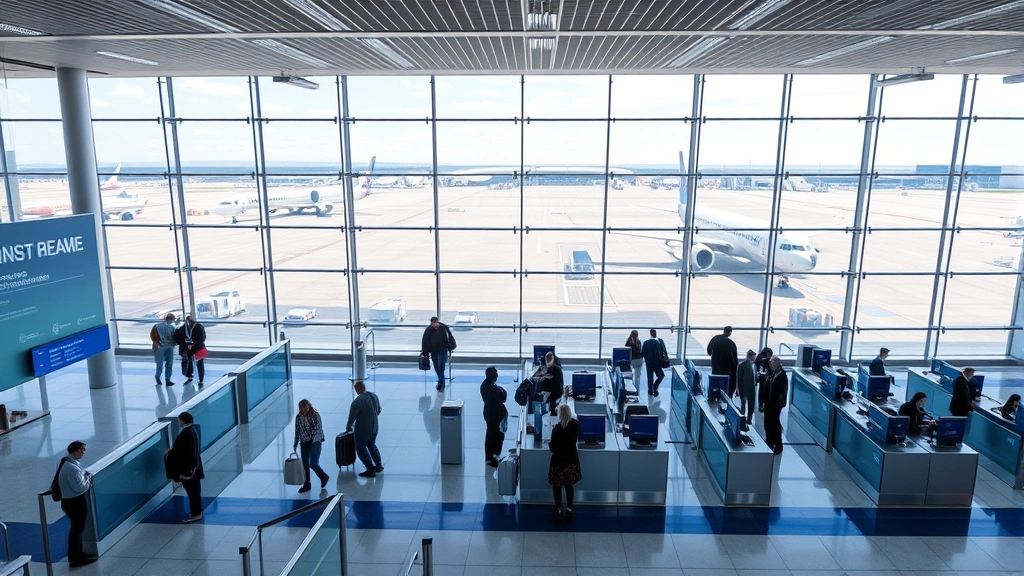
Dallas/Fort Worth International Airport (DFW) is one of the largest airports in the United States, located approximately 18 miles northeast of downtown Dallas. The airport features five terminals with extensive dining, shopping, and service options. DFW offers convenient ground transportation including DART rail service, rental cars, rideshare services, and traditional taxis. Arriving 2 hours before domestic flights is standard practice at DFW given its size.
Dallas Love Field Airport (DAL) is a smaller, more convenient airport located just 6 miles from downtown Dallas. Southwest Airlines operates a major hub here, making it an attractive option for Southwest passengers. Love Field features fewer crowds and shorter security lines than DFW, allowing for tighter check-in windows. Ground transportation from Love Field is simpler, with shorter taxi distances reducing travel times to downtown Dallas by 15-20 minutes compared to DFW.
Denver International Airport (DEN) serves as a major hub for Southwest Airlines and a significant connection point for United and other carriers. The airport is located 23 miles northeast of downtown Denver, approximately 30-45 minutes by ground transportation depending on traffic and time of day. Denver’s airport features excellent dining, shopping, and service options. The RTD rail system connects Denver International to downtown Denver for approximately $10 per ticket, providing excellent value compared to rideshare or rental car options.
When arriving at Denver, be aware of the significant altitude increase from Dallas. Denver sits at 5,280 feet elevation (the “Mile High City”), while Dallas is at approximately 450 feet. Some travelers experience mild altitude effects including slight shortness of breath or headaches. Drinking plenty of water and avoiding alcohol for the first few hours helps mitigate these effects.
Luggage and Baggage Policies
Baggage policies vary significantly among carriers serving this route, making policy review essential before booking. Southwest Airlines includes two free checked bags with every ticket, a major advantage over competitors. This policy is particularly valuable for longer trips or families traveling with multiple checked bags. Southwest also allows free carry-on luggage plus a personal item, standard across all carriers.
United Airlines, American Airlines, and Delta charge $30-$35 for the first checked bag and $40-$50 for the second checked bag on this route. However, elite frequent flyer members and premium cabin passengers receive free checked baggage, as do passengers with specific credit cards. Understanding your eligibility for baggage waiver benefits can significantly impact total trip costs.
All carriers allow one free carry-on bag and one personal item (purse, laptop bag, or small backpack). Checked bag dimensions are standardized at 62 inches maximum (length + width + height combined), with weight limits typically set at 50 pounds. Oversized or overweight bags incur additional fees of $100-$200 per item.
For detailed baggage policy information, consult the airline luggage size restrictions guide, which provides comprehensive details on policies across major carriers. Special items including sports equipment, musical instruments, and pet carriers have specific policies varying by airline. Reviewing these policies before booking prevents unexpected charges and baggage rejection at the airport.

Travel Tips for Success
Arriving at the airport 90 minutes before domestic flight departure is standard practice for most airports, though Love Field can accommodate 60-minute arrival times given its smaller size and typically shorter security lines. Early arrival reduces stress and provides buffer time for unexpected delays.
Check-in online 24 hours before departure to secure boarding positions and reduce airport processing time. Southwest’s open seating system rewards early check-in with better seat selection, while other carriers’ assigned seating eliminates this advantage, though online check-in still streamlines airport procedures.
Packing efficiently for this short flight optimizes comfort and convenience. Wear comfortable clothing appropriate for temperature variations—Dallas typically runs 20-30 degrees warmer than Denver depending on season. Bring a light jacket for Denver’s cooler climate and potential altitude-related temperature sensitivity. Pack any medications in carry-on luggage, as checked bag availability can’t be guaranteed.
Stay hydrated throughout your flight and for several hours after arrival at Denver’s elevation. The combination of cabin air dryness and altitude effects makes hydration especially important. Avoid alcohol on arrival and limit caffeine consumption, as both exacerbate altitude adjustment challenges.
If you’re experiencing altitude effects in Denver, move slowly, rest, and continue drinking water. Most mild symptoms resolve within 24 hours. Consult the essential tips for long haul flights guide for additional strategies applicable to medium-haul flights like this one, including movement strategies and comfort optimization.
Utilize airport lounges if available through your frequent flyer status, credit card benefits, or paid day passes. Lounge access provides complimentary beverages, snacks, comfortable seating, and shower facilities in some cases. For the Dallas to Denver route, lounge access at Dallas airports provides particularly good value given the short flight duration and early morning departure times.
Monitor weather conditions, particularly during winter months when both Dallas and Denver can experience disruptions. Check weather forecasts before departure and monitor airline communications for any schedule adjustments. Winter storms can cause significant delays on this route, so building flexibility into your travel plans during winter months is prudent.
For business travelers flying this route regularly, consider frequent flyer benefits and airline partnerships carefully. Status with Southwest provides exceptional benefits on this route given the carrier’s dominance, while United status provides benefits through its extensive partnership network. The SkyVoyage Hub Blog provides regular updates on airline benefits and frequent flyer program changes affecting this route.
FAQ
How far is Dallas to Denver by plane?
The distance between Dallas and Denver is approximately 900 miles. Flight time typically ranges from 2 hours to 2 hours 45 minutes depending on wind conditions and routing.
How much does a Dallas to Denver flight typically cost?
Ticket prices vary seasonally and based on booking timing. Expect to pay $100-$200 for economy flights booked in advance during shoulder seasons, $150-$300 during peak periods, and occasionally $80-$120 for deeply discounted fares booked 6-8 weeks ahead.
Which airline is best for Dallas to Denver flights?
Southwest Airlines dominates this route with the most frequent service and includes free checked bags. For premium comfort or specific frequent flyer benefits, United or American Airlines may be preferable depending on your membership status.
What’s the best day to fly Dallas to Denver?
Tuesday through Thursday typically offer the lowest fares. Avoiding Friday, Saturday, and Sunday departures can result in savings of 15-30% on average.
Can I get a same-day flight Dallas to Denver?
Yes, this route operates multiple daily flights, making same-day bookings possible. However, expect premium pricing for last-minute bookings compared to advance purchases.
Do I need a passport for Dallas to Denver flights?
No, a valid government-issued photo ID (driver’s license or passport) is sufficient for domestic flights within the United States.
What’s the altitude at Denver International Airport?
Denver International Airport sits at approximately 5,280 feet elevation, significantly higher than Dallas. Stay hydrated and move slowly to adjust to the altitude.
Which Dallas airport is better for Denver flights?
Dallas Love Field (DAL) offers convenience and shorter lines, while Dallas/Fort Worth (DFW) provides more flight options. Southwest dominates Love Field, while all carriers operate from DFW.