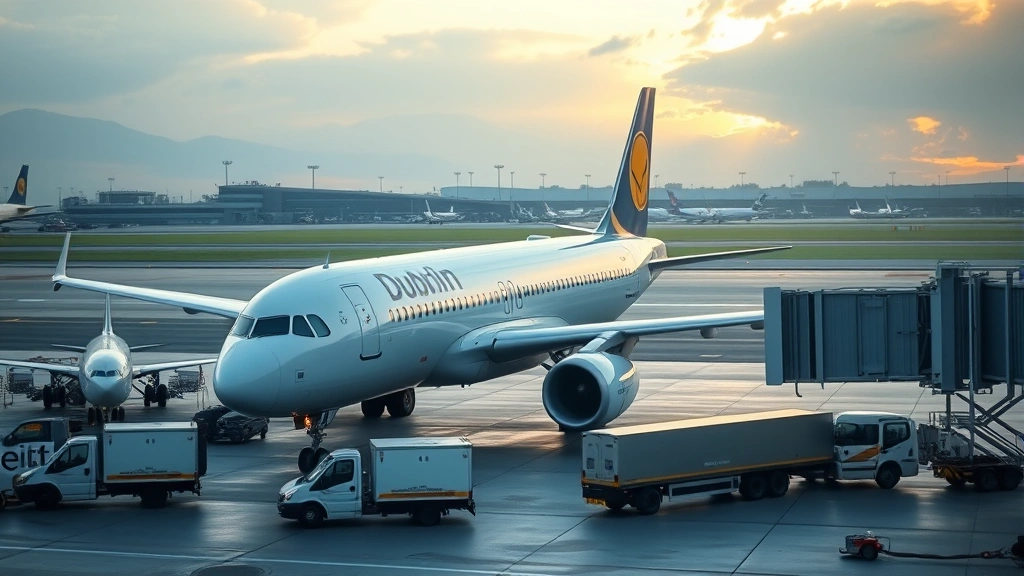
Flying from Houston, Texas to Las Vegas, Nevada is one of the most popular routes in the Southwest, connecting Texas’s bustling hub with America’s entertainment capital. Whether you’re planning a weekend getaway, a business trip, or a special celebration, understanding how to book the best flights from Houston Texas to Las Vegas Nevada can save you hundreds of dollars and ensure a smooth travel experience. This comprehensive guide breaks down everything you need to know about securing affordable, convenient flights on this well-serviced route.
The Houston to Las Vegas corridor sees consistent daily service from multiple carriers, making it an ideal route for travelers seeking flexibility and competitive pricing. With flight times hovering around 3.5 to 4 hours, this is a manageable journey that doesn’t require the extensive preparation of longer international flights. However, applying strategic booking techniques can dramatically impact your final ticket price and seat selection options.
From understanding seasonal pricing patterns to leveraging airline loyalty programs, we’ll explore the insider strategies that savvy travelers use to maximize savings on this route. Whether you fly through Houston’s primary airport or prefer alternative terminals, this guide equips you with actionable intelligence for your next Vegas adventure.
Understanding the Houston to Las Vegas Route
The Houston to Las Vegas corridor represents a significant travel lane connecting two major metropolitan areas with distinct purposes. Houston serves as a major business and energy hub, while Las Vegas attracts leisure travelers, convention attendees, and entertainment seekers from across the country. This dual-purpose nature means flight availability remains consistently strong throughout the year, with peak demand during weekends and holidays.
Flight duration typically ranges from 3 hours 45 minutes to 4 hours 15 minutes, depending on wind conditions and specific routing. Direct flights dominate this route, eliminating the frustration and additional costs associated with connections. The distance of approximately 1,200 miles makes this an ideal regional flight where airlines can efficiently deploy their mid-size aircraft, resulting in competitive pricing and frequent departures.
Understanding the competitive landscape on this route is essential. Multiple carriers compete aggressively, which benefits consumers through lower fares and better service standards. The route’s popularity means you’ll have numerous daily departure options, typically ranging from early morning to late evening, allowing flexibility in scheduling around your preferences and budget constraints.
Best Times to Book Your Flight
Timing your ticket purchase correctly can result in savings of 20-40% compared to booking at the wrong time. Travel data consistently shows that booking 3-6 weeks in advance typically yields the best prices for this domestic route. This window provides enough advance notice for airlines to offer competitive pricing while remaining close enough that you capture early-booking discounts.
Avoid booking flights during peak demand windows, particularly Friday afternoons and Sunday evenings when business travelers and weekend tourists dominate the market. Instead, consider flying on Tuesday, Wednesday, or Thursday, when demand drops significantly and airlines offer lower fares to fill seats. Early morning departures (6-9 AM) and late evening flights (8 PM onward) generally command lower prices than mid-day options.
Seasonal patterns dramatically affect pricing on this route. Summer months (June-August) and holiday periods see peak pricing due to increased leisure travel demand. Conversely, January, February, and September typically offer the lowest fares as demand drops post-holiday. If your travel dates are flexible, targeting these shoulder seasons can substantially reduce your ticket costs.
Day-of-the-week pricing variations are pronounced on this route. Monday and Tuesday flights often feature the lowest fares, while weekend flights (Friday-Sunday) command premium pricing. If your schedule permits, shifting your travel by just one or two days can yield significant savings, sometimes exceeding $100 per ticket.
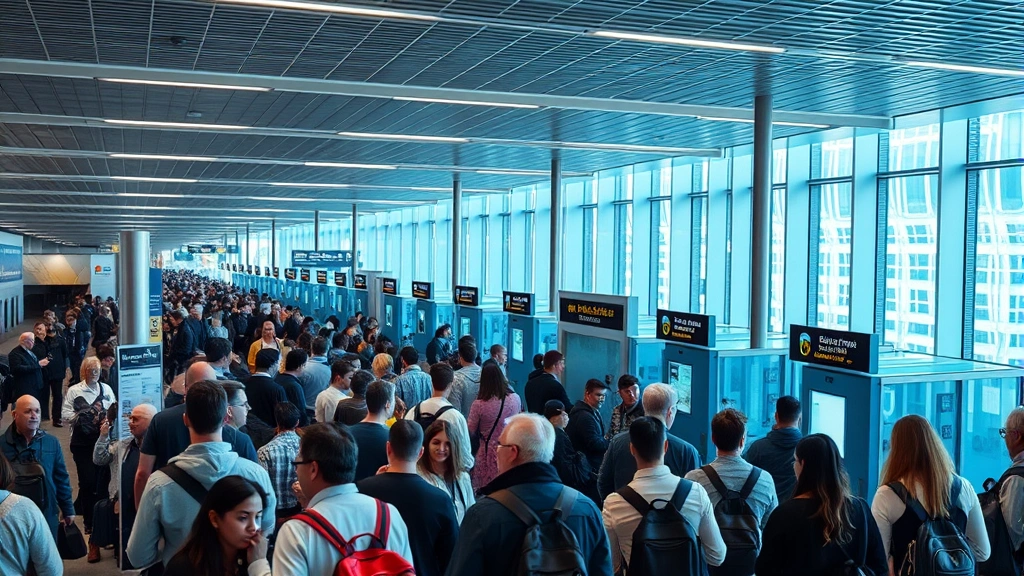
Airlines Serving This Route
Southwest Airlines dominates the Houston to Las Vegas market, operating the most frequent flights and maintaining a significant schedule advantage. As a major carrier at Houston’s Hobby Airport, Southwest offers competitive pricing and frequent promotions specific to this route. Their loyalty program benefits can provide meaningful savings for repeat travelers.
United Airlines provides substantial service through Houston’s Intercontinental Airport (IAH), competing directly with Southwest on price and frequency. United’s broader international network may offer advantages if you’re connecting to other destinations, and their premium cabin options provide luxury alternatives for special occasions.
Delta Air Lines maintains a competitive presence on this route, offering multiple daily departures and competitive pricing. Delta’s partnership agreements and long-flight expertise ensure quality service despite the route’s relatively short duration.
Spirit Airlines and Frontier Airlines occasionally serve this route with ultra-low-cost offerings, though their limited schedule and restrictive baggage policies require careful evaluation. Budget carriers can offer exceptional value for travelers without checked luggage or premium seat preferences, but hidden fees can quickly erode apparent savings.
Comparing airline options involves more than just base ticket price. Consider your baggage requirements, seat selection preferences, and loyalty program membership status. Evaluate whether baggage allowances align with your packing plans, as checked bag fees can eliminate budget carrier savings.
Airport Options in Houston
Houston offers three commercial airports, each serving the Houston to Las Vegas route with different advantages. Hobby Airport (HOU) is Southwest Airlines’ primary hub, offering the most frequent departures and competitive pricing due to high competition. Hobby’s closer proximity to downtown Houston (10 miles) provides convenience advantages and typically lower ground transportation costs.
George Bush Intercontinental Airport (IAH), located 23 miles north of downtown, serves as United Airlines’ major hub with strong Las Vegas service. IAH’s extensive international operations mean better connecting opportunities if you’re combining this flight with other destinations. The airport’s newer facilities and expanded amenities provide comfortable pre-flight experiences.
William P. Hobby Airport remains the preferred choice for most Houston to Las Vegas travelers due to Southwest’s dominance, shorter ground transportation times, and generally simpler airport navigation. The airport’s size makes security lines more manageable than IAH, potentially reducing arrival time requirements.
Consider ground transportation costs when evaluating airport options. Hobby Airport’s closer location may save $20-40 in rideshare costs compared to IAH, which can offset minimal fare differences. Parking costs also favor Hobby for long-term travelers, with daily rates typically $5-10 cheaper than IAH.
Money-Saving Booking Strategies
Mastering booking strategies separates savvy travelers from casual bookers. Use incognito mode when searching for flights to prevent airlines from tracking your search history and potentially raising prices based on increased interest. Clear your browser cookies before each search, or use private browsing windows to ensure you’re seeing genuine pricing without manipulation.
Price tracking tools monitor flight costs across weeks and months, alerting you when prices drop significantly. Set up alerts on Google Flights, Kayak, or Hopper for your specific route and dates, then book when prices reach your target threshold. This passive approach captures deals without requiring constant manual checking.
Flexibility maximizes savings significantly. Searching for flights departing a day earlier or later can reveal 30-50% price differences. Similarly, comparing afternoon versus evening departures often shows dramatic price variations. If your schedule permits, this flexibility transforms into tangible financial benefits.
Consider connecting through alternative Las Vegas airports in specific scenarios. Harry Reid International Airport (formerly McCarran’s North Terminal) occasionally features different pricing, though most Houston flights use the main terminals. Research all options, but recognize that connections rarely justify the time investment on this short route.
Booking round-trip tickets often yields better pricing than separate one-way fares, even if you’re flexible on return dates. Airlines frequently price round-trip options more aggressively than individual segments, sometimes saving $40-80 per traveler on this route.
Baggage and Seat Selection Tips
Understanding baggage policies prevents expensive surprises at the airport. Southwest includes two free checked bags, a significant advantage over competitors charging $30-35 per bag. This policy alone justifies Southwest consideration for travelers with substantial luggage needs.
Seat selection strategies balance comfort with cost. Premium seat options (exit rows, forward cabin positions) cost $15-30 extra, but provide tangible comfort benefits on this 4-hour flight. Evaluate whether the investment aligns with your priorities and budget constraints. Luggage size and weight restrictions vary by carrier, so verify limits before packing to avoid gate-check surprises.
Strategic seat selection can provide free upgrades in specific scenarios. Booking middle seats sometimes triggers automatic upgrades to better positions when flights near capacity. While not guaranteed, this tactic occasionally yields premium seating without additional cost.
Carry-on optimization eliminates checked baggage fees entirely. Most airlines allow one standard carry-on and one personal item free, enabling baggage-free travel if you pack strategically. For weekend Vegas trips, carry-on travel is entirely feasible, saving $60-70 in baggage fees for round-trip journeys.
Loyalty Programs and Rewards
Airline loyalty programs transform frequent travelers into elite status members enjoying substantial benefits. Southwest Rapid Rewards, United MileagePlus, and Delta SkyMiles all reward Houston to Las Vegas flights with points redeemable for future travel. Even occasional travelers accumulate points across multiple trips, eventually enabling free flights.
Maximizing loyalty program benefits requires strategic enrollment and strategic redemption. Focus your flying on a single carrier to reach elite status thresholds faster, unlocking priority boarding, seat upgrades, and fee waivers. On this route’s frequent flights, accumulating status quickly is achievable.
Credit card partnerships amplify loyalty program benefits dramatically. Airline-branded credit cards earn bonus miles on flights and everyday purchases, accelerating point accumulation. Sign-up bonuses often cover entire round-trip tickets to Las Vegas, effectively providing free flights through strategic credit card selection.
Free checked bag benefits for elite members and credit cardholders provide recurring value exceeding annual membership costs. For regular Houston to Las Vegas travelers, these benefits alone justify program participation and credit card enrollment.

Flight Day Preparation
Preparation begins days before departure. Check Federal Aviation Administration updates and weather forecasts for both Houston and Las Vegas to anticipate potential delays. Download your airline’s mobile app for real-time flight status, gate assignments, and boarding notifications.
Arrive at Houston airports 2 hours before domestic departure, allowing adequate time for check-in, security screening, and gate navigation without stress. Hobby Airport typically processes passengers faster than IAH due to lower volume, potentially reducing required arrival time by 15-20 minutes.
TSA PreCheck enrollment streamlines security screening significantly, particularly valuable during peak travel periods. The $78 five-year investment pays for itself through time savings alone, not counting convenience benefits on frequent travel.
Pack strategically for Vegas weather. Even in winter, Las Vegas daytime temperatures exceed 60°F, while nights drop significantly. Layer clothing to adapt to hotel air conditioning and evening temperature variations. Sun protection (sunscreen, sunglasses, hat) is essential given the desert environment and intense UV exposure.
Hydration during flight is critical in the desert environment. Carry an empty water bottle through security and fill it after screening, or purchase beverages post-security to avoid dehydration effects that intensify jet lag and fatigue.
FAQ
What’s the cheapest day to fly from Houston to Las Vegas?
Tuesday and Wednesday flights typically offer the lowest fares, with early morning or late evening departures commanding the best prices. Avoid Friday through Sunday travel if budget is your primary concern, as weekend demand drives prices 30-50% higher than weekday options.
How far in advance should I book Houston to Las Vegas flights?
Booking 3-6 weeks in advance typically yields optimal pricing. This window balances early-booking discounts against last-minute deals, though 3-6 weeks consistently provides the best average fares on this domestic route.
Which Houston airport is best for Las Vegas flights?
Hobby Airport (HOU) offers the most frequent departures, shortest ground transportation times, and lowest parking costs. Southwest Airlines’ hub status at Hobby makes it the preferred option for most travelers, though IAH serves those with United loyalty or connecting flight requirements.
Can I save money with budget airlines on this route?
Spirit and Frontier occasionally offer competitive base fares, but baggage fees and seat charges often eliminate apparent savings. Compare all-in pricing including bags and seats before choosing budget carriers, as traditional airlines sometimes prove cheaper when fees are factored in.
What’s the flight duration from Houston to Las Vegas?
Direct flights typically require 3 hours 45 minutes to 4 hours 15 minutes, depending on wind conditions and specific routing. This relatively short duration makes the route ideal for day trips or weekend getaways.
Should I book round-trip or one-way tickets?
Round-trip bookings typically offer better pricing than separate one-way fares, even with flexible return dates. Airlines frequently price round-trip options more competitively, often saving $40-80 per traveler on this route.
How can I track price drops for this route?
Use price tracking tools like Google Flights, Kayak, or Hopper to monitor fares across weeks and months. Set alerts for your specific dates and receive notifications when prices drop significantly, enabling strategic booking decisions.
Are there direct flights from Houston to Las Vegas?
Yes, direct flights dominate this route with multiple daily options from both Hobby and Intercontinental airports. Connections are rarely necessary and typically result in longer travel times and higher costs, making direct flights the optimal choice.
For current travel advisories and airport information, visit Transportation Security Administration, Southwest Airlines official website, and Las Vegas tourism board for comprehensive travel planning resources and real-time updates.