Tokyo to Doha Flights: Latest Cancellation Updates and Travel Solutions
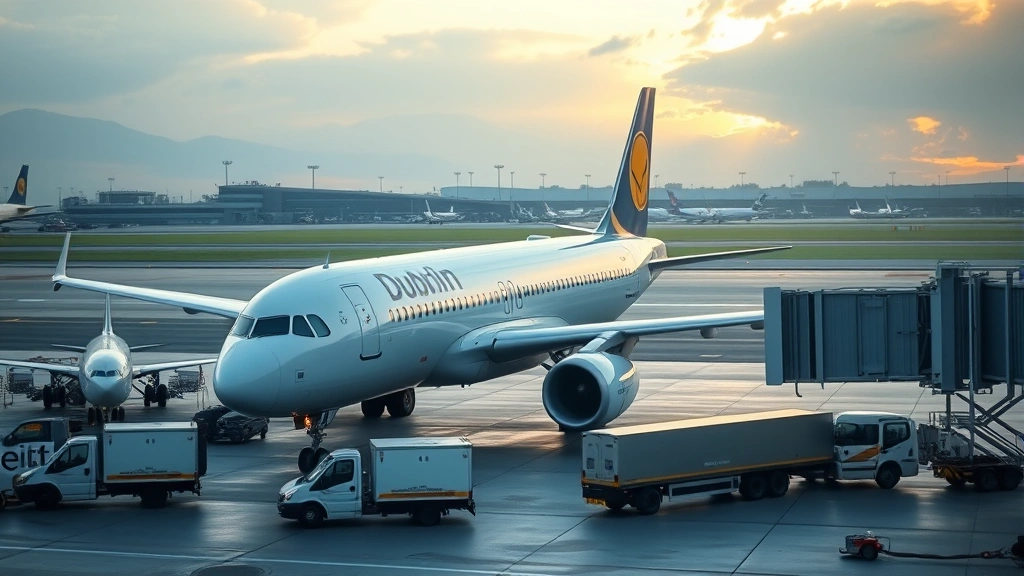
The Tokyo Haneda to Doha route represents one of Asia’s most critical aviation corridors, connecting Japan’s largest metropolitan area with Qatar’s Middle Eastern hub. Recent months have brought significant operational challenges, with flight cancellations affecting thousands of passengers traveling between these two major international destinations. Understanding the current situation, your rights as a passenger, and available alternatives is essential for anyone planning this journey.
Flight disruptions on this popular route stem from multiple factors including aircraft maintenance schedules, crew availability issues, and occasional weather-related complications. Qatar Airways operates the majority of direct flights from Tokyo Haneda (HND) to Doha Hamad International Airport (DOH), making their operational status the primary concern for most travelers. This comprehensive guide provides the latest information on cancellations, passenger protections, and practical solutions for your travel plans.
Current Flight Cancellation Status
As of the latest updates, Tokyo Haneda to Doha flights experience intermittent cancellations affecting approximately 2-4% of scheduled departures weekly. Qatar Airways maintains their primary daily service, though specific flight numbers may experience delays or cancellations due to operational requirements. The most affected timeframe typically occurs during peak summer travel season (June-August) and occasional winter weather events.
Passengers should monitor their airline’s official website and contact customer service 24-48 hours before departure to confirm flight status. Qatar Airways official website provides real-time flight information and allows passengers to manage bookings directly. Airlines are required to notify passengers of significant schedule changes, though advance notice varies depending on cancellation timing and circumstances.
The Hamad International Airport maintains excellent operational standards and rarely experiences facility-related cancellations. Most disruptions originate from airline-specific maintenance programs, crew scheduling adjustments, or aircraft reassignments to other profitable routes. Understanding these dynamics helps travelers prepare contingency plans and manage expectations appropriately.
Why Are Flights Being Cancelled?
Multiple interconnected factors contribute to flight cancellations on the Tokyo Haneda-Doha corridor. Aircraft maintenance represents the primary cause, as modern long-haul aircraft require scheduled inspections and component replacements to maintain safety standards and operational efficiency. Qatar Airways’ fleet undergoes regular maintenance cycles that occasionally necessitate removing aircraft from service during peak travel periods.
Crew availability issues also impact flight operations significantly. Long-haul flights from Tokyo to Doha require multiple crew members, and fatigue management regulations limit consecutive flight hours. Crew illness, scheduling conflicts, or international crew coordination challenges can force flight cancellations when replacement crews aren’t immediately available. This becomes particularly acute during holiday periods when crew time-off requests concentrate.
Weather-related factors, though less frequent on this route, occasionally cause disruptions. Typhoon season in Japan (June-October) can impact Tokyo Haneda operations, while rare weather events in the Middle East may affect Doha arrivals. Additionally, operational efficiency considerations influence scheduling—airlines sometimes consolidate flights during lower-demand periods to maximize aircraft utilization and crew efficiency.
Fuel price fluctuations and demand variations also play indirect roles in cancellation decisions. Airlines may adjust schedules based on booking loads, economic conditions, and operational costs. Understanding these underlying causes helps passengers recognize that cancellations often reflect complex operational realities rather than arbitrary decisions, though this doesn’t diminish passenger inconvenience.
Your Passenger Rights and Compensation
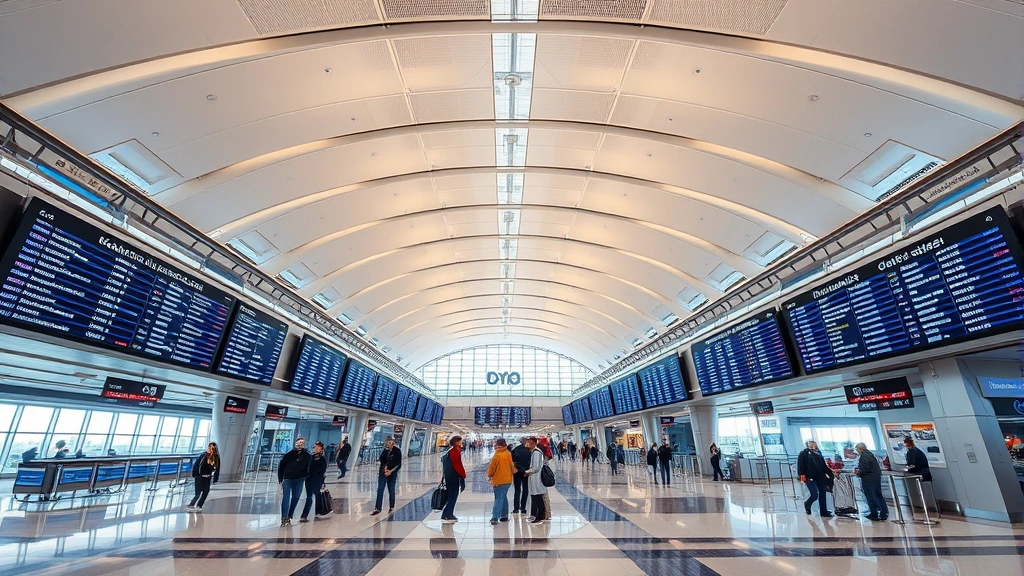
International air passengers traveling from Japan enjoy substantial legal protections under Japanese aviation law and international conventions. The Montreal Convention establishes minimum compensation standards for flight cancellations, denied boarding, and baggage issues on international flights. Passengers are entitled to compensation up to approximately 600,000 Japanese Yen (roughly USD 4,000-5,000) for death or injury claims.
For flight cancellations specifically, passengers must receive either rebooking on alternative flights or a full refund of unused ticket portions. Airlines must provide this choice without penalty, though timing requirements apply—you must request rebooking or refund within specific timeframes. Additionally, passengers are entitled to care and assistance including meals, accommodation if overnight delay occurs, and communication expenses (phone calls, emails) to notify contacts about delays.
EU Regulation 261/2004 applies to flights departing from EU airports, though Tokyo-Doha flights originating from Japan fall under Japanese jurisdiction and Montreal Convention protections. However, if your journey includes EU-based connections or if you’re an EU resident, additional protections may apply. Consulting aviation consumer protection resources provides jurisdiction-specific guidance.
Documentation preservation is critical for compensation claims. Retain all booking confirmations, cancellation notices, receipts for expenses incurred due to cancellation, and communication records with the airline. Many passengers successfully claim compensation through specialized aviation claim services that handle the complex bureaucratic processes, typically charging 25-30% contingency fees on successful claims.
Consider purchasing refundable airline tickets when booking Tokyo-Doha flights, as they provide maximum flexibility if cancellations occur. While refundable tickets cost more, they eliminate financial loss if your plans change or cancellations happen unexpectedly.
Alternative Routes and Airlines
Several viable alternatives exist for travelers unable to secure Tokyo Haneda to Doha direct flights. Emirates operates flights from Tokyo Narita (NRT) to Dubai (DXB) with onward connections to Doha, typically requiring 2-4 hour layovers. This routing adds 3-5 hours total travel time but often provides better availability and competitive pricing compared to direct services.
Turkish Airlines offers Tokyo-Istanbul-Doha routings with convenient connection times at Istanbul’s modern Atatürk Airport. This Middle Eastern hub provides excellent connectivity and Turkish Airlines maintains strong operational reliability. The routing typically requires 4-6 hours in Istanbul but provides comfortable facilities and abundant amenities during layover periods.
Singapore Airlines connects Tokyo with Singapore (SIN), offering onward flights to Doha through their Middle East network. While adding significant travel time (12-16 hours total), this routing provides excellent service quality and often competitive pricing, particularly during off-peak travel periods. Singapore’s Changi Airport ranks among world’s best, making layovers pleasant rather than burdensome.
Etihad Airways operates Abu Dhabi-Tokyo services with Doha connections, providing another multi-stop alternative. Their Abu Dhabi hub offers excellent facilities and reasonable connection times. These alternative routings require advance planning but provide passenger protection benefits and often include superior customer service compared to experiencing last-minute cancellations.
When selecting alternative routes, consider consulting reviews of best airlines for long flights to ensure comfortable journey experiences across multiple flight segments. Longer journeys become more tolerable when airlines provide quality service, comfortable seating, and excellent onboard amenities.
Rebooking Strategies and Tips
Proactive rebooking significantly improves outcomes when flight cancellations occur. Immediately contact your airline’s customer service upon learning of cancellations rather than waiting for airline-initiated rebooking. Airlines typically prioritize their own rebooking systems first, potentially leaving you with less desirable alternative flights if you delay requesting changes.
Request rebooking on the next available flight to your destination, even if it requires routing through different hubs than your original booking. Airlines frequently accommodate passengers on competitors’ flights when unable to provide their own services within reasonable timeframes. This flexibility often results in faster travel than waiting for the airline’s next available service.
Maintain detailed records of all communications, including dates, times, customer service representative names, and confirmation numbers for rebooking requests. These records prove invaluable if compensation disputes arise later. Email confirmations whenever possible, as written records provide stronger evidence than phone conversations.
Check your airline’s mobile application for real-time updates and rebooking options. Many carriers now enable passengers to rebook flights directly through apps, bypassing phone queues and customer service wait times. This self-service approach often provides faster resolution and allows you to select preferred alternative flights immediately.
Consider purchasing travel insurance covering flight cancellation and change fees. Comprehensive policies reimburse expenses incurred due to airline-caused disruptions, effectively providing insurance against cancellation-related financial losses. When combined with strategic booking timing, insurance provides complete financial protection for important journeys.
Preparation Before Your Journey
Several practical steps minimize cancellation impacts and ensure smooth travel experiences. Book flights departing early in the day (6:00-10:00 AM) when possible, as morning flights typically experience fewer cascading delays from overnight maintenance or previous-day disruptions. Early departures also provide full business days for resolving issues if cancellations occur.
Select flights operated by airlines with strong loyalty programs, as frequent flyer members often receive priority rebooking, complimentary hotel accommodations during disruptions, and meal vouchers. Loyalty status also provides direct customer service access, bypassing standard phone queues during crisis situations.
Understand your airline’s baggage policies before traveling, particularly regarding luggage size restrictions and carry-on allowances. If cancellations force rebooking on different airlines, baggage policies may differ, potentially affecting what you can transport. Packing strategically with essential items in carry-on luggage protects against checked baggage complications during rebooking scenarios.
Purchase comprehensive travel insurance covering trip cancellation, flight delays exceeding 12 hours, and medical emergencies. Policies from reputable providers like World Nomads or Insure and Go provide financial protection and emergency assistance during disruptions. Insurance costs typically represent 3-5% of total trip value but provide invaluable peace of mind.
Monitor weather forecasts 7-10 days before departure, particularly during typhoon season (June-October). While airlines manage weather-related cancellations, advance awareness allows you to arrange alternative travel plans before disruptions occur. Weather services like Japan Meteorological Agency provide detailed forecasts for Tokyo Haneda operations.
Verify your passport validity extends at least 6 months beyond your intended return date, as cancellations sometimes force travel date changes. Additionally, confirm visa requirements for Qatar and any connecting countries haven’t changed. These verifications prevent document-related complications if rebooking requires date modifications.
Register with your embassy or consulate before traveling internationally. In disruption scenarios requiring extended stays or emergency assistance, embassy registration ensures government support availability. Most countries provide simple online registration processes requiring minimal personal information.
Frequently Asked Questions
What should I do immediately if my Tokyo Haneda to Doha flight is cancelled?
Contact your airline immediately through their customer service line, mobile app, or website. Request rebooking on the next available flight to your destination. Document all communications including confirmation numbers, representative names, and timestamps. Request written confirmation of rebooking arrangements and any compensation eligibility. If the airline cannot rebook you within 24 hours, request hotel accommodation, meals, and communication expense reimbursement as required by international aviation regulations.
Am I entitled to compensation for flight cancellations?
Yes, under the Montreal Convention and Japanese aviation law, passengers are entitled to compensation for flight cancellations unless the airline proves extraordinary circumstances beyond their control. Compensation levels depend on flight distance and delay duration. For Tokyo-Doha flights (approximately 5,500 kilometers), compensation typically ranges from 400,000 to 600,000 Japanese Yen. However, airlines can deny compensation if they prove the cancellation resulted from weather, mechanical failures discovered during maintenance (in some circumstances), or air traffic control decisions.
How far in advance should I book Tokyo to Doha flights to avoid cancellations?
Booking 2-3 months in advance provides optimal balance between price competitiveness and flight availability. Earlier bookings don’t significantly reduce cancellation risk, as airline maintenance schedules and crew assignments remain unpredictable. However, advance booking provides time to arrange alternative travel plans if cancellations occur. Avoid booking within 2 weeks of departure during peak travel seasons, as last-minute rebooking options become severely limited.
Can I switch to a different airline if my flight is cancelled?
Yes, airlines must rebook you on alternative flights to your destination when unable to provide their own service within reasonable timeframes. This includes competitors’ flights when necessary. However, airlines typically prioritize their own flights first. Requesting specific alternative airlines during rebooking conversations often succeeds, particularly if their flights depart earlier or provide more convenient schedules than the airline’s own alternatives.
What expenses can I claim if my flight is cancelled?
You can claim meal expenses, hotel accommodation if overnight delay occurs, transportation to/from airports, communication expenses (phone calls, internet), and essential purchases necessitated by the cancellation. Keep all receipts and submit expense claims to the airline within specified timeframes (typically 30-90 days). Airlines often dispute claims lacking documentation, so preserve all receipts and proof of expense.
Is travel insurance necessary for Tokyo to Doha flights?
While not legally required, travel insurance provides valuable financial protection against cancellation-related expenses. Comprehensive policies cover trip cancellation, flight delays exceeding 12 hours, medical emergencies, and baggage loss. For international flights on potentially unreliable routes, insurance typically costs 3-5% of trip value and protects against losses far exceeding that amount. Insurance becomes particularly valuable for non-refundable bookings or time-sensitive business travel.