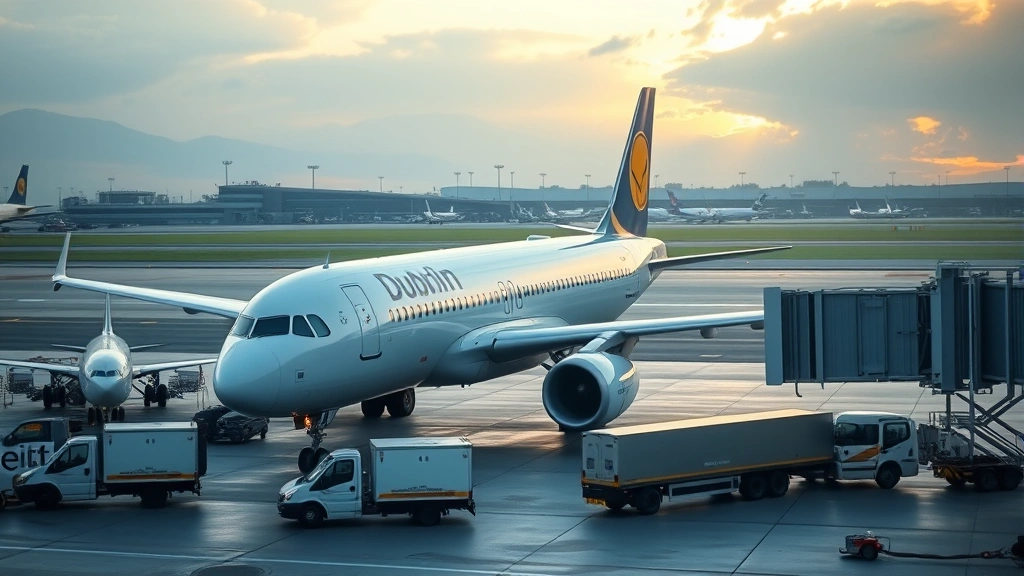
Allegiant Takeoff Aborted: Safety Expert Insights from Orlando Sanford
When an Allegiant flight takeoff was aborted at Orlando Sanford International Airport, it raised important questions about aviation safety protocols and what passengers should understand about emergency procedures. Takeoff aborts, while uncommon, are a critical safety mechanism that pilots use to prevent potential disasters. This incident highlights why rigorous pre-flight checks and pilot training remain essential in modern commercial aviation.
Understanding the reasons behind a takeoff abort—and knowing what to expect if you’re a passenger on a flight that experiences one—can help demystify aviation safety procedures. Whether you’re a frequent flyer or planning your first trip, learning about these protocols provides valuable peace of mind. We’ll explore the technical aspects of takeoff aborts, examine what happened during the Allegiant incident at Sanford, and provide expert insights into why these safety measures protect every passenger aboard.

Understanding Takeoff Abort Procedures
A takeoff abort is a controlled decision by the flight crew to stop the aircraft before it leaves the ground. This procedure is one of aviation’s most important safety mechanisms, designed to prevent accidents by identifying and addressing problems before the aircraft becomes airborne. When pilots detect an issue during the takeoff roll—the acceleration phase down the runway—they have seconds to make a critical decision: continue or abort.
The abort decision is never taken lightly. Pilots train extensively for these scenarios, learning to recognize warning signs and understand when continuing might be more dangerous than stopping. The Federal Aviation Administration (FAA) establishes strict guidelines for when aborts are appropriate, and modern aircraft are equipped with sophisticated systems that assist pilots in making these determinations.
Every commercial aircraft has a calculated maximum speed called V1, or “decision speed.” Below this speed, the pilot can safely stop the aircraft using the runway available. Above V1, the pilot must continue the takeoff because stopping might result in running off the runway. This critical speed is calculated before every flight based on factors including aircraft weight, runway length, weather conditions, and aircraft performance data.
What Happened: Allegiant Flight at Orlando Sanford
The Allegiant flight takeoff abort at Orlando Sanford International Airport occurred when the flight crew detected an issue during the initial acceleration phase. While specific technical details depend on the investigation’s findings, Allegiant crews follow the same rigorous FAA protocols as all U.S. carriers. The decision to abort was made well within safe parameters, allowing the aircraft to decelerate and return to the gate without incident.
Orlando Sanford International Airport, located approximately 20 miles northeast of downtown Orlando, serves as a major hub for Allegiant Air and other budget carriers. The airport features multiple runways capable of handling aborts safely, with sufficient runway length for even the largest aircraft Allegiant operates. The airport’s emergency response teams were positioned and ready, as they are for every flight departure.
Passengers on the flight experienced the abort as a sudden deceleration after the aircraft had begun rolling down the runway. This sensation can be startling for those unfamiliar with the procedure, but it represents exactly what the system is designed to do: protect everyone aboard by stopping safely when necessary. The crew’s quick decision-making and the aircraft’s robust braking systems ensured a controlled stop.
Following the abort, Allegiant’s maintenance team conducted thorough inspections of the aircraft to identify the specific issue. Depending on the nature of the problem, repairs were either completed at Sanford or the aircraft was taken out of service. Passengers were rebooked on subsequent flights or offered alternative arrangements, consistent with Allegiant’s policies and Department of Transportation regulations.
Technical Reasons Behind Aborted Takeoffs
Takeoff aborts can result from various technical issues detected by the aircraft’s sophisticated monitoring systems. Understanding these reasons demonstrates why aborting is sometimes the safest choice, even though it causes inconvenience and delays.
Engine Problems: Engine performance anomalies are among the most common reasons for aborts. Modern engines have multiple sensors monitoring parameters like temperature, pressure, vibration, and fuel flow. If any sensor indicates abnormal conditions—even slightly outside normal ranges—the flight management system alerts the crew. Continuing with uncertain engine performance could compromise safety at altitude.
Hydraulic System Issues: Aircraft rely on hydraulic systems for flight controls, landing gear, and brakes. If pressure drops or sensors detect leaks, the crew must abort. These systems are redundant and heavily monitored precisely because they’re so critical to safe flight.
Flight Control Anomalies: The autopilot, stability augmentation systems, and flight control computers must all function perfectly. Any malfunction detected during preflight checks or the takeoff roll triggers an abort decision.
Instrumentation Failures: Pilots depend on accurate airspeed, altitude, and navigation data. If critical instruments malfunction or provide conflicting information, continuing becomes unsafe.
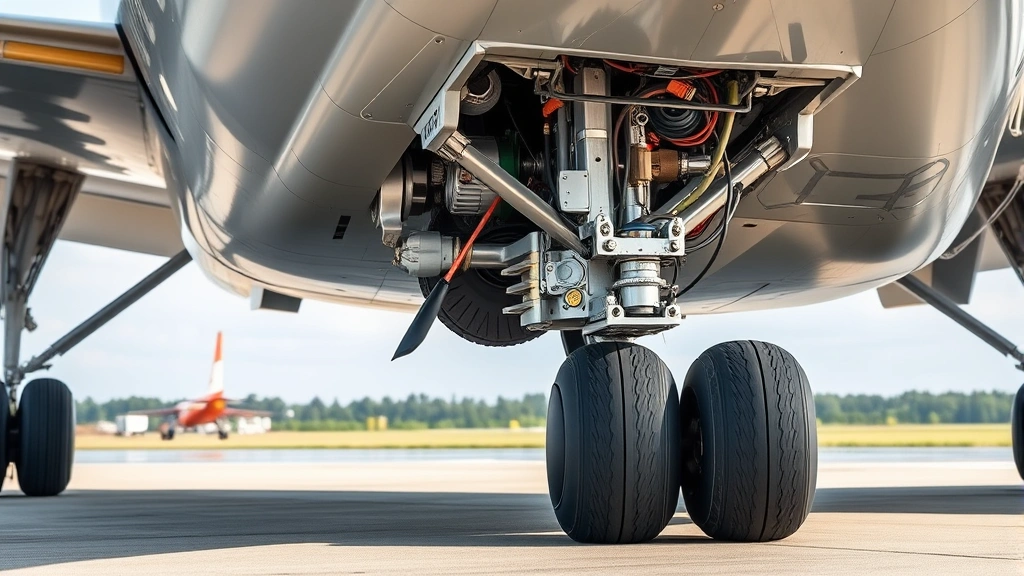
Landing Gear Issues: If the landing gear doesn’t retract properly or shows indication problems, pilots abort to avoid potential problems at altitude or landing.
Weather Factors: Severe wind shear, microbursts, or sudden weather changes detected by onboard weather radar can prompt abort decisions, particularly if the aircraft hasn’t yet achieved a safe climbing speed.
Safety Systems That Detect Issues
Modern aircraft like those in Allegiant’s fleet are equipped with incredibly sophisticated systems that continuously monitor aircraft health and performance. These systems work in the background, processing thousands of data points per second.
The Aircraft Condition Monitoring System (ACMS) tracks engine performance, hydraulic pressures, electrical systems, and countless other parameters. This system compares real-time data against baseline values for that specific aircraft, alerting crews to deviations that might indicate developing problems.
The Onboard Maintenance System logs every anomaly and automatically generates maintenance alerts. Pilots review these before flight, and if anything concerning appears, the aircraft doesn’t depart until resolved.
The Ground-Based Flight Management System receives continuous data from the aircraft via satellite or radio links, allowing maintenance teams at Allegiant’s operations centers to monitor fleet health in real time. If they detect an issue developing, they can communicate with the flight crew to recommend precautions or abort.
The Terrain Awareness and Warning System (TAWS) and Traffic Collision Avoidance System (TCAS) provide additional safety layers, alerting pilots to potential hazards even during the critical takeoff phase.
Pilot Training and Decision-Making
Allegiant pilots undergo extensive training in abort procedures, far beyond what the FAA minimally requires. This training includes both classroom instruction and full-motion flight simulator sessions where pilots practice abort scenarios repeatedly until responses become instinctive.
Pilot training emphasizes that aborting is never a failure—it’s a success. The culture in modern aviation strongly supports abort decisions when warranted. Pilots know their careers won’t be jeopardized by aborting; instead, failing to abort when necessary would be a serious violation.
During simulator training, pilots practice aborts at various decision speeds, with different failure scenarios, and under various weather conditions. They learn to recognize the subtle warning signs that precede major failures. They practice making abort decisions under time pressure, understanding that hesitation can be as dangerous as poor judgment.
When you fly with Allegiant or any airline, you’re trusting pilots who have invested thousands of hours in training, including specific preparation for emergency situations. The captain on your flight has demonstrated competence through rigorous testing and continuous evaluation. Their judgment to abort, when made, reflects professional expertise and commitment to passenger safety.
Passenger Experience During Aborts
If you’re a passenger during a takeoff abort, expect several distinct sensations and experiences. Understanding what’s happening helps reduce anxiety during an already stressful moment.
As the aircraft begins rolling down the runway, you’ll feel acceleration similar to normal takeoff. The engines will be at high power, and you may hear increased noise. If an abort is initiated, you’ll suddenly feel strong deceleration as the pilots apply maximum braking. This sensation can be surprising if you’re not expecting it—it’s far more forceful than normal braking.
The aircraft will slow significantly, and you may hear or feel the landing gear remaining extended (it hasn’t retracted yet since the aircraft never became airborne). The pilots will typically announce something like, “Cabin crew, be seated. We’re returning to the gate” or similar communication.
Once safely stopped, the pilots will explain what happened. They might report a technical issue, weather concern, or other factor. Flight attendants will provide information about next steps—whether maintenance will address the issue, whether you’ll depart on another aircraft, or whether you’ll be rebooked on a later flight.
Most importantly: an abort means the safety systems worked perfectly. The issue was detected before it could become dangerous. You were never in true danger; the system prevented danger from developing.
Aviation Authority Response and Investigations
When an Allegiant takeoff abort occurs at Orlando Sanford, multiple agencies become involved, depending on the circumstances. The National Transportation Safety Board (NTSB) monitors aviation incidents and investigates serious ones. The FAA also reviews incident reports to identify patterns or systemic issues.
Allegiant is required to file detailed incident reports documenting exactly what happened, what systems detected the problem, what actions the crew took, and what was found during maintenance investigation. These reports become part of the aviation safety database, contributing to continuous improvement across the industry.
If the abort resulted from a maintenance issue, Allegiant’s maintenance team investigates thoroughly. If a manufacturing defect is suspected, information is shared with the aircraft manufacturer and potentially with the FAA, which might issue an Airworthiness Directive requiring inspections or modifications across the entire fleet.
This system of reporting, investigation, and continuous improvement has made commercial aviation extraordinarily safe. Every incident—even minor ones—contributes to collective learning that benefits all passengers.
Frequency and Statistics
Takeoff aborts are relatively uncommon at major U.S. airports like Orlando Sanford, occurring roughly once per 2,000 to 3,000 takeoff attempts. However, they’re common enough that every pilot expects to perform at least several aborts during their career.
The rarity of aborts reflects how well modern aircraft and systems function. The vast majority of flights depart normally and complete their journey without incident. When aborts do occur, they typically result from issues that, while minor in isolation, could potentially develop into more serious problems if unaddressed.
Statistics consistently show that commercial aviation—including budget carriers like Allegiant—maintains an excellent safety record. The U.S. commercial aviation accident rate is approximately 0.0003 accidents per 100,000 departures, making flying statistically safer than driving. Takeoff aborts contribute to this safety by catching problems before they become accidents.
How This Affects Your Travel Plans
If you’re booked on an Allegiant flight from Orlando Sanford or any other airport, understanding takeoff aborts helps you prepare mentally and practically for travel.
First, recognize that if your flight experiences an abort, you’re witnessing aviation safety working as designed. The inconvenience of a delay or rebooking is far preferable to continuing with an unresolved technical issue. Accept this as part of flying and maintain perspective.
Second, arrive at the airport with adequate time built into your schedule. This buffer accommodates potential delays from aborts or other unforeseen circumstances. When reading about essential tips for long haul flights, remember that even short flights benefit from arriving early and having flexibility in your plans.
Third, review Allegiant’s policies regarding delays and rebooking. Allegiant’s website provides detailed information about their policies and procedures. Understanding what to expect helps you navigate disruptions more smoothly.
Fourth, consider travel insurance for important trips. While takeoff aborts are rare, travel insurance protects you against various disruptions. This becomes particularly valuable if you’re connecting to another flight or have tight scheduling.
Finally, maintain realistic expectations about budget airlines. Allegiant, like other low-cost carriers, operates with thin profit margins, which can mean less flexibility in rebooking and fewer amenities. However, they maintain the same safety standards as full-service carriers. When learning about best airlines for long flights, remember that safety standards are consistent across all commercial carriers.
If you’re planning frequent trips, explore strategies for finding cheap airline tickets while maintaining realistic expectations about service levels. Understanding what to expect from budget carriers helps you make informed decisions about which airline best serves your needs.
For passengers concerned about luggage during disruptions, review airline luggage size restrictions and Allegiant’s specific baggage policies. If your flight is delayed or rebooked, understanding baggage handling procedures prevents additional stress.
When booking flights, remember to check the best times to book airline tickets to find optimal prices. Building savings into your ticket cost provides flexibility to accommodate potential disruptions without breaking your budget.
Visit the Sky Voyage Hub Blog for ongoing travel tips and airline information that helps you prepare for every aspect of your journey, from booking through arrival at your destination.
FAQ
Is a takeoff abort dangerous?
No. A takeoff abort is a safety procedure designed to prevent danger. By stopping before becoming airborne, the aircraft avoids the risks of flying with an unresolved issue. The abort itself is controlled and safe; it means the system worked correctly.
Will I be compensated if my Allegiant flight is aborted?
Compensation depends on the reason for the abort and your specific circumstances. Technical issues typically don’t qualify for compensation under Department of Transportation regulations, as they’re considered extraordinary circumstances. However, Allegiant may rebook you on another flight at no charge. Review their specific policies or contact their customer service for details about your situation.
How long does it take to resume the flight after an abort?
This depends entirely on what caused the abort. If it’s a minor issue, maintenance might resolve it within an hour or two. If it’s more complex, the aircraft might be taken out of service and passengers rebooked on different flights. Always ask the flight crew for an estimated timeline.
Do budget airlines like Allegiant abort takeoffs more frequently?
No. All commercial airlines maintain identical FAA safety standards. Abort rates are similar across carriers. Budget airlines may have slightly different aircraft types or maintenance schedules, but safety procedures and decision-making are equally rigorous.
What should I do if I’m nervous about flying after experiencing an abort?
Remember that the abort demonstrates safety systems working perfectly. Consider speaking with the flight crew, who can explain exactly what happened and answer your questions. Many people find that understanding the technical details reduces anxiety. If flight anxiety persists, consider speaking with a mental health professional or exploring resources specifically designed for anxious flyers.
Can pilots see problems before they cause aborts?
Yes, frequently. Modern aircraft monitoring systems often detect issues during preflight checks, preventing the aircraft from departing at all. Aborts occur when something is detected during the takeoff roll that wasn’t apparent earlier, or when a condition develops rapidly.
Are Orlando Sanford’s runways long enough for safe aborts?
Absolutely. Orlando Sanford has multiple runways exceeding 10,000 feet, providing ample length for any aircraft to stop safely. Runway length is calculated into abort decision-making, ensuring adequate stopping distance regardless of aircraft size or weight.