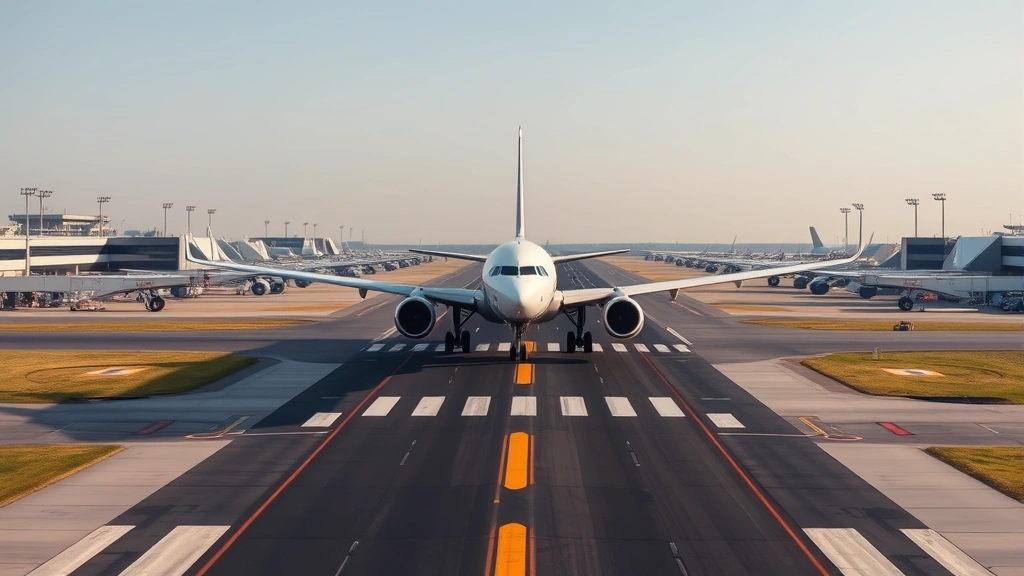
Why Was Flight Diverted? Pilot Insights on American Airlines Richmond Diversion
Flight diversions represent one of aviation’s most scrutinized operational decisions. When an American Airlines flight diverted to Richmond, passengers and aviation enthusiasts alike wondered about the circumstances that led pilots to change their destination mid-flight. Understanding the mechanics, regulations, and real-world factors behind these decisions provides valuable insight into modern air travel safety protocols and operational procedures. Whether you’re a frequent flyer concerned about American Airlines flight delays or simply curious about aviation operations, this comprehensive guide breaks down what happens when flights divert and why.
Flight diversions occur more frequently than most passengers realize, though they rarely make headlines unless weather conditions are severe or mechanical issues present safety concerns. The decision to divert involves multiple stakeholders—pilots, air traffic control, dispatch centers, and airline management—all working together to ensure passenger safety and operational efficiency. Richmond International Airport (RIC) has become an increasingly common diversion point for flights originally destined for major East Coast hubs, particularly during adverse weather or unforeseen operational challenges affecting primary airports.
Understanding Flight Diversions
A flight diversion occurs when an aircraft changes its destination from the originally planned airport to an alternate location. This operational decision represents a critical safety measure that ensures passenger protection and aircraft integrity. Diversions differ fundamentally from delays—while delays keep flights on the ground awaiting resolution, diversions redirect airborne aircraft to new destinations. The distinction matters significantly for passenger rights, compensation eligibility, and airline liability considerations.
The Federal Aviation Administration (FAA) and international aviation authorities recognize diversions as legitimate safety responses to operational challenges. Pilots receive extensive training on diversion scenarios during their certification process, and airlines maintain detailed contingency plans for various diversion situations. When an American Airlines flight diverted to Richmond, that decision reflected months or years of planning, crew training, and established protocols designed to handle unexpected situations safely and efficiently.
Richmond International Airport serves as a strategic diversion point along the East Coast corridor. Its location between major metropolitan areas, modern facilities, and comprehensive ground services make it ideal for accommodating diverted flights. The airport maintains fuel supplies, maintenance capabilities, and passenger amenities sufficient to handle unexpected aircraft arrivals while minimizing passenger inconvenience.
Common Reasons for Diverting to Richmond
Several compelling factors prompt pilots to divert flights to Richmond rather than continuing to their original destinations. Understanding these reasons helps passengers contextualize their travel experiences and recognize that diversions prioritize safety above scheduling convenience. The most frequent diversion catalysts include severe weather conditions affecting primary airports, medical emergencies requiring immediate ground access, mechanical issues necessitating maintenance inspection, and air traffic congestion creating safety hazards.
Severe weather represents the primary diversion trigger for most American Airlines flights on the East Coast. Thunderstorms, low visibility conditions, icing situations, and wind shear events can render primary airports temporarily unsuitable for landing operations. When destination airports close runways or implement ground stops, diverted aircraft must seek alternatives. Richmond’s location provides accessibility during weather events that isolate northern airports like those serving Washington DC or Philadelphia.
Medical emergencies constitute another significant category of diversions. When passengers experience serious health crises requiring immediate medical intervention, pilots have authority to divert to the nearest suitable airport. These situations demand urgency and coordination with ground medical services. Richmond’s proximity to major medical facilities and airport medical response capabilities make it an appropriate choice for health-related diversions.
Mechanical concerns occasionally necessitate diversions when pilots or maintenance crews identify issues requiring immediate attention. While modern aircraft operate with remarkable reliability, occasional technical matters—hydraulic anomalies, electrical issues, or instrument malfunctions—may prompt pilots to land at the nearest airport rather than continuing to the scheduled destination. These diversions prioritize crew and passenger safety by avoiding operations that might present risks during continued flight.
Pilot Decision-Making Process
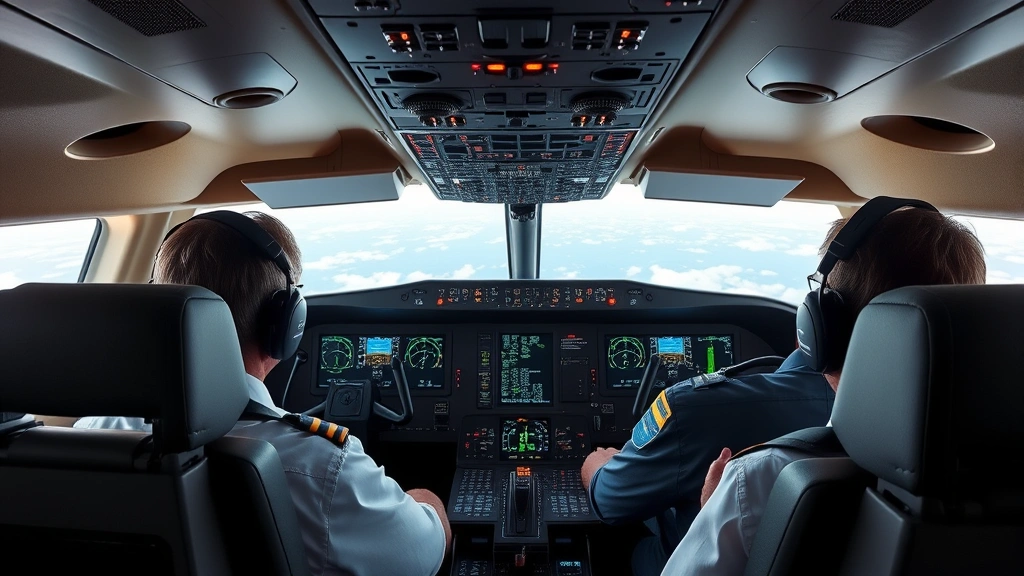
The decision to divert involves sophisticated judgment and adherence to established procedures. Pilots don’t make diversion decisions unilaterally; instead, they consult with multiple resources including dispatch centers, air traffic control, and airline operations teams. This collaborative approach ensures decisions reflect comprehensive information and align with company policies and regulatory requirements.
Captain authority remains paramount in diversion decisions. Pilots-in-command possess ultimate responsibility for flight safety and have legal authority to divert when they determine such action necessary. However, this authority functions within a framework of company procedures and regulatory guidelines. Before diverting, pilots typically communicate their concerns to dispatch and air traffic control, explaining the situation and requesting approval for the alternate destination.
Dispatch centers employ sophisticated tools to evaluate diversion feasibility. They assess alternate airport capabilities, fuel requirements, ground services availability, and passenger accommodations. When an American Airlines flight diverted to Richmond, dispatch had already analyzed whether Richmond possessed adequate facilities, runway conditions suitable for the aircraft type, and services necessary for passenger care during the unexpected stop.
Pilots consider multiple factors in real-time decision-making: fuel remaining, weather conditions at both current destination and alternates, passenger medical situations, mechanical status, and air traffic control recommendations. This information synthesis happens quickly, often within minutes, as crews evaluate options and commit to courses of action. Training and experience enable pilots to process complex information and make sound decisions under pressure.
Weather and Environmental Factors
Weather constitutes the most common external factor prompting diversions. East Coast weather patterns create particular challenges for aviation operations, especially during transitional seasons when conditions change rapidly. Thunderstorms develop with little warning, visibility deteriorates suddenly, and wind patterns shift unexpectedly. These meteorological realities make weather-related diversions routine occurrences on busy air corridors.
Thunderstorms present specific hazards that pilots actively avoid. Severe turbulence within storm systems can damage aircraft and injure passengers, while lightning poses electrical risks despite modern aircraft protection systems. Pilots consult weather radar and ground-based weather information to navigate around storm activity. When storms occupy the direct route or cluster around destination airports, diversions become the safest option.
Visibility conditions directly impact landing safety. Fog, precipitation, and atmospheric haze can reduce visibility below minimums required for safe landing operations at particular airports. Richmond’s location sometimes provides better visibility conditions than northern destinations during weather events. Pilots routinely check visibility forecasts and actual conditions at potential diversion airports, selecting destinations where landing operations remain safely within established limits.
Wind conditions affect landing and takeoff operations significantly. Strong crosswinds or gusts exceeding aircraft limitations prevent safe operations at affected airports. Wind shear—sudden wind speed or direction changes at low altitudes—creates additional hazards during approach and landing phases. Pilots monitor wind information continuously and divert when wind conditions at the destination exceed aircraft capabilities.
Winter weather patterns create particular challenges for East Coast operations. Ice accumulation on aircraft surfaces increases weight, reduces aerodynamic efficiency, and compromises handling characteristics. Icing conditions at altitude sometimes prompt diversions to airports where anti-icing procedures can be completed or where less severe icing exists. Snow and ice on runways also necessitate diversions to airports with better surface conditions and de-icing capabilities.
Mechanical and Technical Considerations
Modern aircraft operate with exceptional reliability, yet occasional mechanical issues require attention. Pilots and flight engineers monitor numerous systems throughout flights, watching for anomalies that might indicate developing problems. When issues arise, crews must decide whether to continue to the scheduled destination or divert for immediate inspection and maintenance.
Pressurization system anomalies sometimes prompt diversions. Aircraft cabins must maintain pressurization to provide safe, comfortable environments at cruise altitudes. If pressurization systems malfunction, pilots must descend to lower altitudes or divert to ensure passenger safety and comfort. Similarly, oxygen system concerns warrant immediate attention and potential diversions.
Hydraulic system issues occasionally necessitate diversions. Aircraft depend on hydraulic systems for flight control surfaces, landing gear operation, and braking systems. If hydraulic problems develop, pilots may divert to nearest suitable airports to have systems inspected and repaired before continuing operations. These diversions prevent potential safety risks associated with continued flight operations with compromised hydraulic capability.
Electrical system anomalies can prompt diversions when backup systems don’t function as expected. Modern aircraft have redundant electrical systems, but failures sometimes exceed redundancy capabilities. Pilots must evaluate whether continued flight operations remain safe with available electrical capability, and divert when concerns arise.
Engine performance issues, though rare, sometimes necessitate diversions. Modern engines operate reliably, but occasional performance degradation—unusual vibrations, temperature anomalies, or power fluctuations—may warrant landing at nearby airports for inspection. Pilots err on the side of caution, diverting rather than risking continued flight with potentially compromised engines.
Air Traffic Control Coordination
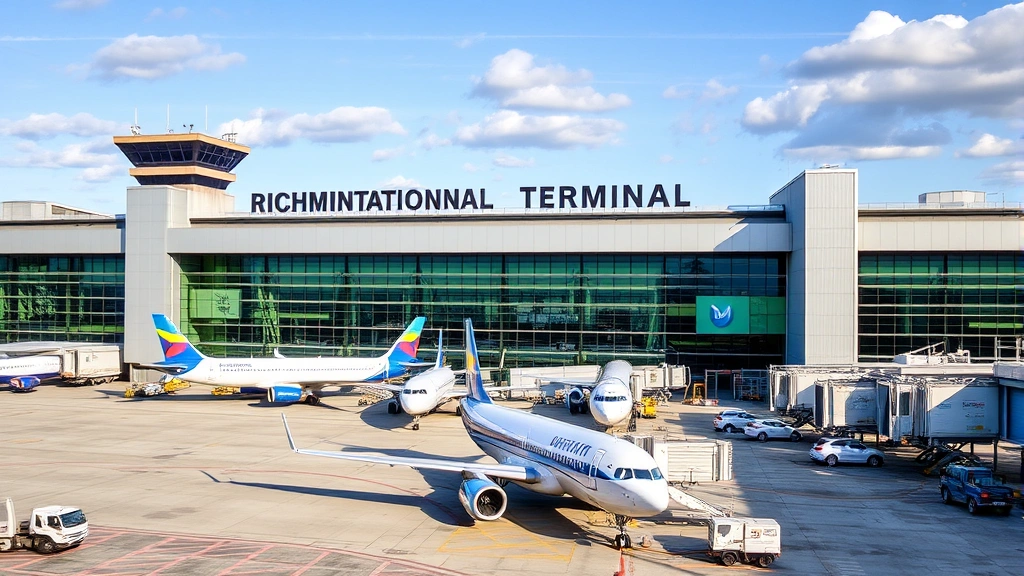
Air traffic control plays a crucial role in diversion operations. Controllers manage airspace, coordinate aircraft movements, and provide essential information to pilots. When diversions occur, controllers must coordinate with multiple facilities, update flight plans, and sequence diverted aircraft into the alternate airport’s arrival flow.
Controllers actively communicate with pilots about conditions at destination airports. They provide current weather information, runway status, and air traffic congestion data. This information directly influences pilot decisions about diversions. Controllers may recommend specific alternate airports based on their comprehensive view of regional conditions and traffic flows.
Flight plan modifications happen quickly when diversions occur. Controllers input new routing and destination information into radar systems, updating all facilities along the new flight path. This coordination ensures pilots receive appropriate guidance and clearances for the alternate destination. The process, though technically complex, occurs seamlessly in modern air traffic systems.
Controllers at the diversion airport prepare for incoming diverted aircraft. They sequence arrivals, assign gates or parking areas, and notify ground services about incoming flights. This preparation ensures smooth operations and minimizes delays associated with unexpected arrivals. When an American Airlines flight diverted to Richmond, controllers there coordinated with incoming crews and ground services to facilitate the most efficient possible operation.
Passenger Rights and Compensation
Understanding passenger rights during diversions matters significantly for travelers. Diversions don’t automatically entitle passengers to compensation under most airline policies, though specific circumstances sometimes warrant refunds or accommodations. The distinction between diversions caused by airline operational factors versus those caused by weather or other external factors affects passenger entitlements.
Weather-related diversions typically don’t qualify for compensation under U.S. Department of Transportation regulations. Weather represents an external factor beyond airline control, and regulations recognize this reality. However, airlines may provide accommodations like meals, hotels, or rebooking on alternative flights as customer service gestures, even when compensation isn’t legally required.
Mechanical diversions sometimes qualify for compensation, depending on whether maintenance issues resulted from airline negligence or standard operational concerns. Passengers should review airline flight delay compensation policies to understand their specific rights. Consulting official airline websites or contacting customer service directly provides clarity on compensation eligibility for specific incidents.
Passenger accommodations during diversions depend on diversion duration and airline policies. Most airlines provide meals, hotels, and ground transportation when diversions require overnight stays. Communication becomes critical—airlines should notify passengers promptly about diversions and explain anticipated timelines for continuing to final destinations.
Documentation preservation helps passengers pursuing compensation claims. Keeping boarding passes, receipts for expenses incurred, and communications from airlines supports compensation requests. Some passengers engage with third-party compensation services that handle claim processing in exchange for fees, though passengers can also file claims directly with airlines.
Richmond Airport Capabilities
Richmond International Airport serves as an excellent diversion destination due to its comprehensive facilities and strategic location. Understanding Richmond’s capabilities explains why pilots frequently select this airport as a diversion alternative. The airport maintains modern infrastructure, experienced ground personnel, and services necessary for handling unexpected aircraft arrivals.
Runway capabilities at Richmond support most commercial aircraft, including the Boeing 737, 757, and Airbus A320 family aircraft commonly operated by American Airlines. The airport maintains adequate runway length and surface conditions suitable for safe landing operations across most weather conditions. Multiple runways provide flexibility when weather or operational factors affect individual runway availability.
Fuel services at Richmond ensure diverted aircraft can refuel for continuing operations or remaining on the ground. The airport maintains adequate fuel supplies and experienced personnel to service aircraft quickly, minimizing time spent on the ground. This capability proves critical for flights requiring fuel replenishment before continuing to their original destinations.
Maintenance facilities at Richmond support basic aircraft inspections and repairs. When mechanical concerns prompt diversions, Richmond’s facilities enable crews to identify issues and implement repairs. For more complex maintenance requirements, aircraft may remain at Richmond longer while specialized technicians address problems.
Passenger amenities at Richmond include restaurants, retail shops, and comfortable seating areas. During extended diversions, these facilities help passengers remain comfortable while awaiting continuing flights. The airport’s modern terminal provides adequate space and services for accommodating unexpected passenger volumes.
Ground transportation services connect Richmond airport with local hotels and transportation services. When diversions require overnight stays, passengers access rental cars, taxis, and ride-sharing services. Airlines coordinate with local hotels to secure rooms for passengers requiring accommodations during extended diversions.
FAQ
What exactly causes flight diversions?
Flight diversions result from safety concerns that pilots determine warrant landing at alternate airports. Common causes include severe weather rendering destination airports unsuitable, medical emergencies requiring immediate ground access, mechanical issues requiring inspection, and air traffic congestion creating safety hazards. Pilots prioritize safety above scheduling convenience when making diversion decisions.
Do passengers receive compensation for diversions?
Compensation eligibility depends on diversion causes. Weather-related diversions typically don’t qualify for compensation under U.S. regulations, as weather represents external factors beyond airline control. Mechanical diversions may qualify depending on circumstances. Airlines often provide accommodations like meals and hotels as customer service gestures regardless of compensation requirements. Review specific airline policies or consult the U.S. Department of Transportation website for detailed compensation information.
How long do diversions typically last?
Diversion duration varies significantly based on circumstances. Weather-related diversions might last hours while destination airports clear weather and resume normal operations. Mechanical diversions could require hours or days depending on repair complexity. Passengers should expect diversions lasting anywhere from one to several hours, though extended diversions occasionally occur.
Why is Richmond a common diversion point?
Richmond’s location along the East Coast corridor, modern facilities, and comprehensive ground services make it an ideal diversion destination. The airport maintains adequate runways, fuel supplies, maintenance capabilities, and passenger amenities. Richmond’s strategic positioning between major metropolitan areas provides accessibility during weather events affecting northern airports.
Can pilots refuse to divert if passengers request it?
Pilots possess authority to divert when they determine such action necessary for safety, but they don’t divert based on passenger requests alone. However, medical emergencies initiated by passengers sometimes prompt diversions. Pilots make diversion decisions based on safety considerations, operational factors, and regulatory requirements, not passenger preferences for scheduling convenience.
How do airlines handle luggage during diversions?
Luggage handling during diversions depends on diversion circumstances and duration. If diversions are brief and flights continue to original destinations, luggage typically remains on aircraft. For extended diversions or when passengers require overnight accommodations, airlines arrange luggage delivery or provide access to luggage during layovers. Passengers should contact airline customer service for specific luggage information during diversions.
Are diverted flights considered delayed?
Yes, diverted flights are considered delayed since they don’t reach original destinations on scheduled timelines. However, delays resulting from diversions may not qualify for compensation under the same standards as regular delays. The distinction between delay causes (weather, mechanical, airline operational factors) affects compensation eligibility. Passengers should review American Airlines flight delays information for specific guidance on their situations.


