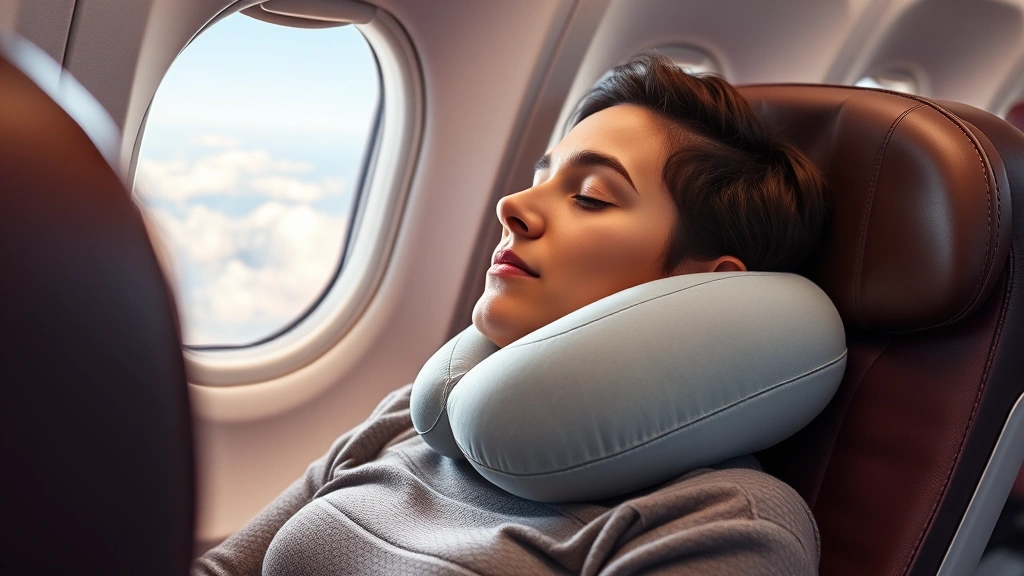
Top Neck Pillow for Flights? Expert Reviews & Buyer’s Guide
Long flights test your patience, your back, and especially your neck. Whether you’re flying from Austin to London or heading to Las Vegas, the right neck pillow can transform your travel experience from uncomfortable to surprisingly restful. After reviewing dozens of options and analyzing what frequent flyers actually use, we’ve compiled the most comprehensive guide to finding the best neck pillow for long flights.
A quality neck pillow isn’t just a luxury—it’s an investment in your health and comfort. During extended flights, your neck muscles work overtime to support your head as you drift in and out of sleep. Without proper support, you risk waking up with stiffness, soreness, or worse, long-term strain injuries. The difference between a mediocre pillow and an excellent one can mean the difference between arriving refreshed and arriving with a crick in your neck that lasts days.
This guide covers everything from memory foam innovations to inflatable designs, plus tips on how to use your pillow effectively and what to pack for maximum comfort.
Why Neck Support Matters on Long Flights
Your neck is vulnerable at 35,000 feet. When you’re sitting upright in a narrow airplane seat for 8, 12, or even 16+ hours, your cervical spine endures constant stress. The human head weighs between 10-12 pounds—roughly the weight of a bowling ball. Without proper support, your neck muscles must work continuously to prevent your head from dropping forward or to the side, leading to fatigue and strain.
According to aviation health experts, neck strain is one of the most common complaints among long-distance travelers. The problem intensifies when you’re trying to sleep in an awkward position. A dedicated neck pillow prevents your head from bobbing around and stabilizes your cervical spine, allowing muscles to relax and recover during flight.
When researching the best airlines for long flights, you’ll notice that premium carriers often provide better seat design and amenities—but even business class passengers benefit from their own neck pillow. The airline’s pillow is generic; your personalized pillow knows your neck’s specific needs.
Memory Foam vs. Inflatable: Which Type Wins?
The neck pillow market divides into two dominant categories, each with distinct advantages:
Memory Foam Pillows
Memory foam has revolutionized travel comfort. These pillows conform to your neck’s unique contours, providing customized support that improves with use as the foam learns your shape. Premium memory foam pillows offer superior comfort for extended wear and maintain their shape throughout your journey.
- Conform to individual neck anatomy
- Provide firm, consistent support
- Durable—last for years with proper care
- Heavier and bulkier to pack
- Can feel warm in tropical climates
- Some people find them too firm initially
Inflatable Pillows
Inflatable pillows offer maximum portability and adjustability. You control firmness by adjusting air pressure, and they compress to the size of a water bottle, making them ideal for travelers with limited luggage space.
- Extremely portable and lightweight
- Adjustable firmness levels
- Cool to the touch (no heat retention)
- Less support than quality memory foam
- Risk of punctures or leaks
- Can shift during sleep
Our verdict: For flights over 6 hours, memory foam wins. For casual travelers or those with strict luggage limits, inflatable offers better practicality.
Top-Rated Neck Pillows for Flights
1. Premium Memory Foam Champion
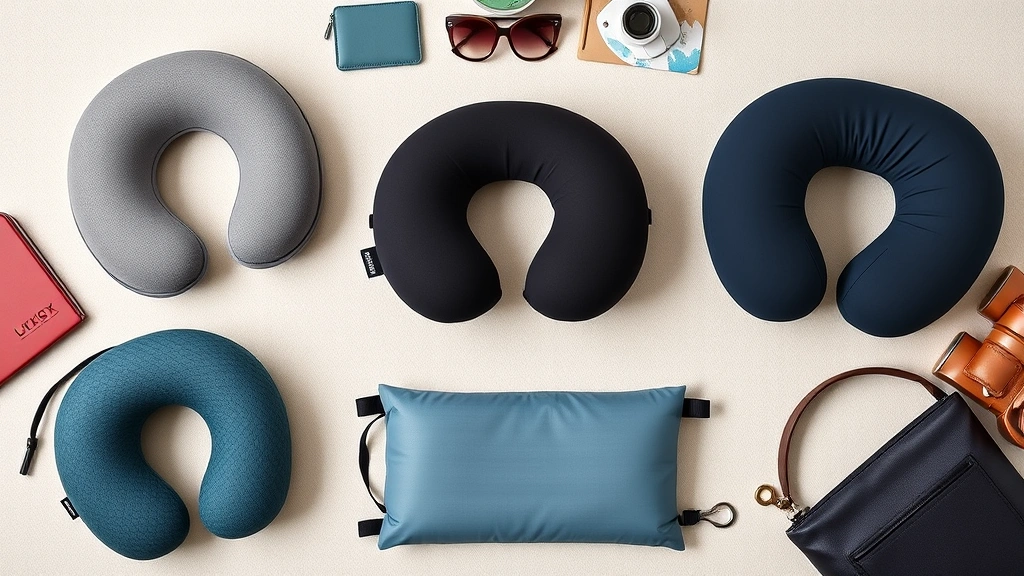
The best overall neck pillow combines high-density memory foam with ergonomic design. Look for pillows with a curved shape that supports both sides of your neck while keeping your head centered. Premium options feature cooling gel infusions to prevent heat buildup during long flights. Price range: $40-$80.
Key features to verify: Orthopedic design, machine-washable cover, hypoallergenic materials, and a carrying case. Many premium brands offer 30-night trial periods, allowing you to test comfort before committing.
2. Budget-Friendly Memory Foam
You don’t need to spend $80 to get quality support. Solid mid-range memory foam pillows ($25-$45) provide excellent value, especially if you travel 2-3 times annually. These typically use standard memory foam rather than gel-infused, but they still offer superior comfort compared to airline-provided pillows.
3. Compact Inflatable Option
For minimalist travelers, premium inflatable pillows ($15-$35) with double-chamber designs offer surprising support. The dual chambers prevent complete collapse if one section leaks, providing safety and reliability. These pack down to the size of a fist, fitting easily in personal items or backpacks.
4. Hybrid Design Pillow
Innovative hybrid pillows combine memory foam with adjustable air chambers, offering both comfort and customization. You get memory foam’s conforming support plus the adjustability of inflatable designs. Price: $50-$90. These represent the future of travel pillow technology.
Features to Look For
Ergonomic Design
The best neck pillow for long flights features an ergonomic shape that mirrors your neck’s natural curvature. Look for pillows with:
- Higher support on both sides (lateral support)
- Slightly lower center to prevent chin-to-chest positioning
- Adequate length to support from ears to shoulders
- Contoured sides that prevent tilting
Material Quality
Memory foam density matters tremendously. Higher density foam (typically 4-5 pounds per cubic foot) provides better support and lasts longer. Cooling gel infusions are valuable for warm climates or warm-sleepers. Ensure covers are:
- Machine washable
- Breathable (cotton or bamboo blends)
- Hypoallergenic and antimicrobial
- Durable enough for repeated washing
Weight and Portability
Most quality memory foam pillows weigh 12-18 ounces. Inflatable options weigh 3-6 ounces. Consider your travel style—if you’re flying frequently, weight matters less than comfort. If you’re a light packer, prioritize portability.
Carrying Case
Premium pillows come with dedicated carrying cases, essential for protecting your investment. A good case compresses the pillow and includes a handle for easy carrying. Some cases double as compression bags, further reducing bulk.
Warranty and Return Policy
Reputable manufacturers offer 1-3 year warranties covering manufacturing defects. Look for 30-night sleep trials allowing returns if you’re unsatisfied. This removes purchase risk and shows manufacturer confidence.
How to Use Your Pillow Effectively
Owning a quality neck pillow is only half the battle. Proper usage maximizes benefits:
Positioning
Position your pillow so it supports the natural curve of your cervical spine. The pillow should cradle your neck without pushing your chin down or tilting your head backward. Your ears should align with your shoulders when properly positioned.
Combining with Other Comfort Items
Layer your comfort strategy. Use your neck pillow along with a lumbar support cushion for your lower back and a lightweight blanket to maintain body temperature. This comprehensive approach prevents multiple pressure points.
Timing Your Sleep
Don’t save your neck pillow for sleep attempts only. Wear it whenever you’re sitting in your seat, even while reading or watching entertainment. This trains your muscles and provides consistent support throughout your flight.
Adjusting During Flight
Shift your pillow’s position every 2-3 hours to prevent pressure points from developing. If using an inflatable pillow, slightly adjust air pressure if you start feeling uncomfortable. Small adjustments prevent major discomfort later.
Packing and Portability Tips
When preparing for booking your airline tickets, add neck pillow packing to your preparation checklist:
- Attach to luggage: Use the carrying case’s handle to clip your pillow to your suitcase, keeping it accessible during airport transitions
- Personal item placement: Store your neck pillow in your personal item rather than checked baggage. This ensures it’s available when you board
- TSA compliance: Neck pillows are completely TSA-approved. They require no special documentation and pass through security without issues
- Compression: Vacuum compression bags can reduce pillow size by 50%, though this may affect initial fluffiness. Allow 1-2 hours for the pillow to re-expand after unpacking
- Multiple flights: If flying multiple segments, keep your pillow handy. It’s useful during layovers and connecting flights
Complementary Travel Comfort Products
While your neck pillow handles cervical support, other products enhance overall flight comfort:
Lumbar Support Cushions
Your lower back needs support as much as your neck. Compact lumbar pillows ($15-$40) prevent slouching and reduce lower back strain during long flights. Many travelers use both a neck and lumbar pillow for complete spinal support.
Eye Masks and Earplugs
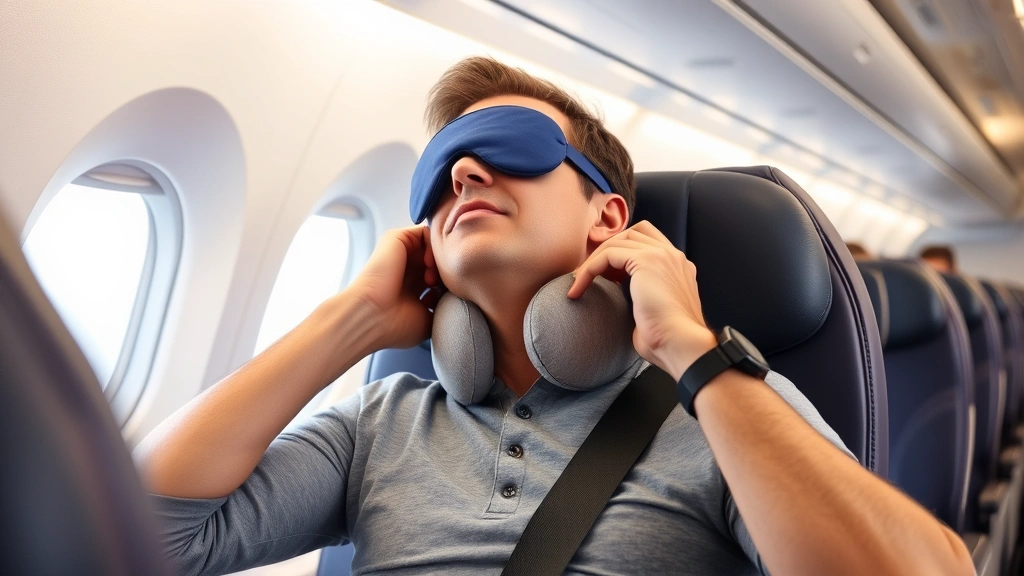
Quality sleep requires darkness and quiet. A silk eye mask ($10-$25) is gentler on skin than fabric alternatives, and premium noise-canceling earplugs ($30-$80) or foam earplugs ($5-$15) block disruptive sounds. Together, these create optimal sleeping conditions.
Compression Socks
Long flights increase blood clot risk. Graduated compression socks ($20-$50) improve circulation and reduce swelling, particularly important on transatlantic flights lasting 8+ hours. Medical professionals recommend compression socks for anyone with circulation concerns.
Travel Blankets
Airplane cabins are notoriously cold. A lightweight travel blanket ($20-$50) provides warmth without bulk. Weighted blankets ($40-$100) offer additional anxiety relief, though they’re heavier to pack.
Seat Extenders
If you’re taller than average, a seat extender ($30-$60) creates extra legroom. Combined with your neck pillow, this addresses both upper and lower body comfort.
FAQ
What if I’ve never used a neck pillow before?
Start with a mid-range memory foam option ($25-$45) rather than the most expensive model. This lets you test whether you prefer memory foam or inflatable designs without overspending. Many travelers find the adjustment period takes 2-3 flights before maximum comfort is achieved.
Can I use my neck pillow for non-flight travel?
Absolutely. Neck pillows work wonderfully for car trips, train journeys, and even office naps. A quality pillow becomes a versatile travel companion for any situation requiring neck support. Some travelers keep one at home for everyday use.
How often should I wash my neck pillow cover?
Wash the cover every 2-3 uses, or more frequently if you’re a sweaty sleeper. Most covers are machine washable on gentle cycles with cold water. Avoid bleach and fabric softener, which damage memory foam. The foam itself rarely needs cleaning but can be spot-cleaned with mild soap and water.
Will a neck pillow help me sleep better?
Significantly. Proper neck support reduces discomfort and allows you to sleep in healthier positions. Many travelers report sleeping 2-3 hours longer on flights when using quality neck pillows. The difference is most noticeable on flights exceeding 6 hours.
What’s the lifespan of a quality neck pillow?
Premium memory foam pillows last 3-5 years with proper care. Inflatable pillows typically last 2-3 years before materials degrade. Regular washing and proper storage extend lifespan. Avoid exposing pillows to direct sunlight for extended periods, which degrades foam and fabric.
Are expensive neck pillows worth the cost?
For frequent travelers (4+ flights annually), premium pillows ($60-$80) deliver exceptional value through durability and superior comfort. For occasional travelers (1-2 flights yearly), mid-range options ($30-$45) provide excellent comfort at lower cost. Occasional travelers should consider inflatable designs for maximum portability.
Can I use a neck pillow with airplane seats that recline?
Yes, though positioning changes slightly. When reclining, angle your pillow to maintain cervical spine alignment with your reclined position. Avoid extreme reclines that push your head too far back—this defeats the pillow’s purpose and can strain your neck further.
What about neck pillows for children?
Children’s neck pillows exist, but most experts recommend standard adult pillows for children over 8 years old. Smaller children may find adult pillows too large. Ensure any pillow supports your child’s specific neck anatomy. CDC travel health guidelines emphasize proper positioning for young travelers.
Do airlines provide neck pillows?
Most airlines provide basic pillows on international flights and premium cabin passengers. However, airline pillows are generic, often uncomfortable, and not available on domestic flights. Your personal neck pillow is almost always superior and ensures your preferred support level.
Should I consider what happens if you miss your flight when buying comfort items?
While missing your flight is stressful, your neck pillow is portable enough to accompany you on any rescheduled flight. Unlike bulky luggage, your pillow doesn’t complicate rebooking logistics. It’s one comfort item that remains useful regardless of travel disruptions.
Are memory foam pillows safe for people with latex allergies?
Memory foam is synthetic and latex-free, making it safe for latex-sensitive individuals. However, verify that pillow covers don’t contain latex. Most modern covers use cotton, polyester, or bamboo blends. Check product specifications and contact manufacturers if you have severe allergies.