Top Travel Pillow? Expert Reviews Reveal the Best Options for Long Flights
Finding the best travel pillow for long flights can transform your in-flight experience from uncomfortable to surprisingly restful. Whether you’re crossing continents or enduring a cross-country red-eye, the right pillow makes the difference between arriving refreshed or exhausted. After reviewing dozens of products and consulting aviation comfort experts, we’ve identified the top contenders that deserve your attention.
Travel pillows have evolved significantly from the basic donut-shaped designs of years past. Modern options incorporate memory foam technology, adjustable designs, and ergonomic support that actually works. This comprehensive guide breaks down the best travel pillows available, explains what makes them effective, and helps you choose the perfect one for your travel style.
What Makes a Great Travel Pillow
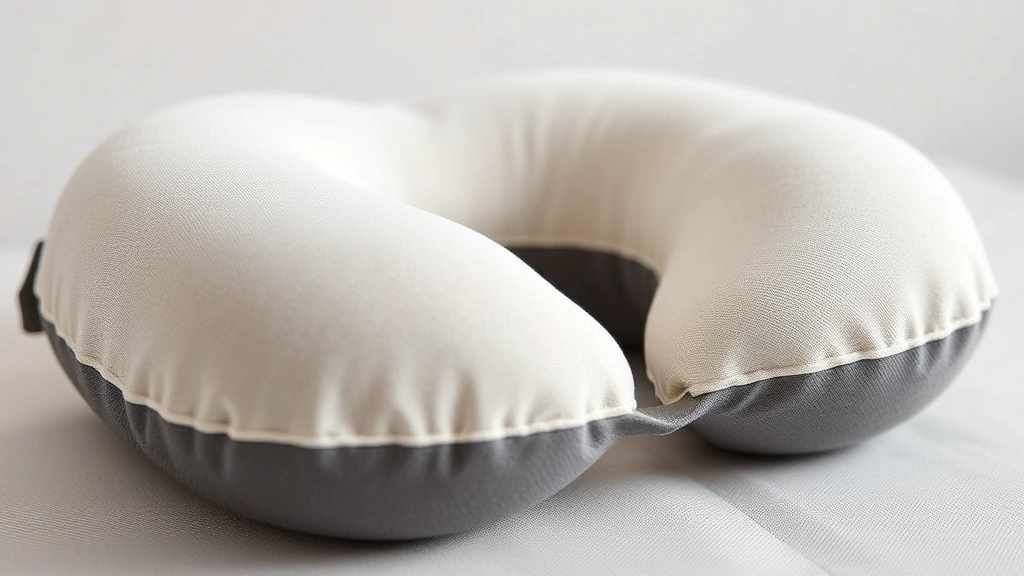
Not all travel pillows are created equal. The best ones share several critical characteristics that distinguish them from mediocre alternatives. Proper neck support is paramount—your pillow should maintain your head’s natural alignment with your spine, preventing the awkward head-drop that causes neck pain and stiffness.
Quality materials matter tremendously. High-density memory foam contours to your unique head and neck shape, providing personalized support rather than generic cushioning. The cover should be soft, breathable, and ideally removable for washing. Weight and portability are also essential; an excellent pillow means nothing if it’s too bulky to pack.
Compression and durability determine long-term value. The best travel pillows maintain their shape after hundreds of uses, resisting the compression that renders cheaper options flat and useless within months. Additionally, versatility matters—your pillow should work whether you’re leaning against a window, resting against a wall, or using it in a reclined seat.
Consider also the pillow’s cooling properties. Long flights generate heat, and pillows that trap warmth become uncomfortable. Advanced travel pillows incorporate gel-infused memory foam or breathable materials that prevent overheating during extended use.
[IMAGE_1]
Top Travel Pillow Models Reviewed
Premium Choice: Ergonomic Memory Foam Neck Pillow
The market leader combines premium memory foam with an innovative ergonomic design that supports the head from multiple angles. This pillow features dual-chamber construction—firmer support on the sides with softer memory foam in the middle—creating optimal comfort regardless of your sleeping position. Users consistently report waking less stiff than with traditional pillows.
The removable, machine-washable cover is a game-changer for frequent flyers. At approximately 12 ounces, it’s lightweight enough for carry-on packing without sacrificing substance. The pillow includes a storage pouch with a carabiner for easy attachment to luggage, addressing a common frustration with travel pillows.
Best Value: Adjustable U-Shaped Pillow
For budget-conscious travelers, this option delivers surprising quality. The adjustable design allows you to customize firmness by adding or removing filling, adapting to your preferences across different trips. The U-shape provides excellent support for various sleeping positions and works equally well against windows or walls.
Despite its lower price point, this pillow uses decent-quality memory foam that holds its shape well. The cover is soft and breathable, though not removable—a minor trade-off for the savings. At roughly 10 ounces, it’s among the lightest options available.
Best for Side Sleepers: Contoured Support Pillow
Side sleepers need different support than back sleepers, and this specialized design addresses that need. The contoured shape fills the gap between your head and shoulder, maintaining proper spinal alignment during side sleeping. The taller profile provides adequate support without creating neck strain.
This pillow excels on long-haul flights where you might shift positions multiple times. The premium memory foam retains its shape through positional changes, and the generous dimensions provide stability without feeling oversized.
Best Compact Option: Inflatable Travel Pillow
When luggage space is at a premium, inflatable pillows offer practical advantages. Modern versions use high-quality materials that feel surprisingly similar to foam pillows when properly inflated. They compress to the size of a water bottle, making them ideal for minimalist packers.
The trade-off is setup time and the slight air-handling noise, but the space savings appeal to many travelers. Look for options with built-in hand pumps to avoid carrying a separate inflation device.
Memory Foam vs. Other Materials
Memory foam dominates the travel pillow market for good reason. It molds to your head and neck shape, providing personalized support that generic foam cannot match. Quality memory foam maintains consistent support throughout your flight without compressing flat.
However, memory foam has limitations. It can trap heat, making it uncomfortable on warm flights or for hot sleepers. Some people find the initial smell off-putting, though this dissipates after several uses. Memory foam pillows are also heavier than alternatives, though still manageable for most travelers.
Alternative materials include gel-infused memory foam, which addresses heat retention while maintaining support benefits. Polyester and microfiber offer lightweight options, though they provide less contouring support. Buckwheat and other natural fillings appeal to eco-conscious travelers but tend to be noisier and less comfortable.
For most travelers, standard memory foam represents the best balance of comfort, durability, and weight. Gel-infused options work better for those who sleep hot, while budget travelers might accept polyester alternatives.
Travel Pillow Buying Guide
Selecting your travel pillow requires considering several personal factors. First, assess your typical sleeping position. Back sleepers benefit from U-shaped designs, while side sleepers need contoured support. Combination sleepers should prioritize versatility and adjustability.
Your flight duration matters significantly. Short flights (under 4 hours) require less specialized support, while long-haul flights benefit from premium features. Consider also your airline’s seat configuration—premium economy and business class seats require different pillow support than economy.
Budget is an important factor, but don’t sacrifice essential features for price. A mid-range pillow used on fifty flights costs less per use than a cheap pillow replaced every year. Calculate your travel frequency and invest accordingly.
Temperature sensitivity should influence your choice. If you easily overheat, prioritize gel-infused foam or breathable covers. Cold sleepers can opt for standard memory foam or heavier materials that retain warmth.
Check customer reviews specifically from frequent flyers and long-flight travelers. Their experiences better reflect real-world usage than reviews from casual users. Pay special attention to comments about durability after extensive use.
Portability features matter if you combine flight travel with other activities. A pillow with a good carrying case and lightweight construction enables easier handling through airports and hotels. The best travel pillow for your needs might not be the best overall—it’s the best match for your circumstances.
Before purchasing, verify return policies. Testing a pillow for comfort requires actually using it, and good retailers offer trial periods. Many people need to try multiple options before finding their perfect match.
How to Use Your Pillow Effectively
Even the best travel pillow requires proper usage for maximum benefit. Position it to support your neck’s natural curve rather than forcing your head into an unnatural angle. The pillow should fill the gap between your head and shoulder while keeping your spine aligned.
Experiment with positioning before your flight. Some people prefer the pillow against a window, others against the wall, and some use it for forward-leaning rest. Understanding your preferred configuration helps you get comfortable quickly during flights.
Layer your pillow strategically. A thin blanket or scarf wrapped around the pillow provides additional cushioning and helps secure it in place. This simple technique significantly improves comfort and stability.
Keep your pillow clean throughout your journey. Airline cabins expose pillows to dust and germs, so washing it regularly prevents hygiene issues. Removable covers should be washed after every few flights, while the pillow itself benefits from periodic airing.
Combine your pillow with other essential tips for long haul flights for comprehensive comfort. Proper hydration, movement, and compression socks complement pillow support. Your pillow is one component of a complete comfort strategy, not a complete solution alone.
Store your pillow properly between trips. Keep it in a cool, dry location away from direct sunlight, which can degrade memory foam over time. Proper storage extends your pillow’s lifespan and maintains its support characteristics.
Travel Comfort Beyond Pillows
While a quality travel pillow significantly improves in-flight comfort, other factors contribute equally. Proper airline luggage planning ensures you have space for your pillow without overpacking. Compression socks improve circulation, reducing the physical stress that makes comfortable sleep difficult.
Window seats with solid walls provide better pillow support than middle or aisle seats. When booking flights, consider seat selection as part of your comfort strategy. Some airlines offer premium economy options with wider seats and better recline, maximizing your pillow’s effectiveness.
Cabin humidity and temperature affect sleep quality. Staying hydrated and adjusting your clothing helps your body rest more effectively. Noise-canceling headphones or earplugs combined with your pillow create a more sleep-conducive environment.
Timing your sleep to your destination’s time zone, rather than your departure point, helps minimize jet lag. Your pillow enables better sleep quality during these strategic rest periods. Understanding optimal booking strategies can help you select flights with better timing for your sleep schedule.
Pre-flight routines matter tremendously. Light exercise, limiting caffeine, and relaxation techniques prepare your body for sleep. Your travel pillow then provides the physical support your prepared body needs.
For additional comfort insights, explore our comprehensive SkyVoyage Hub Blog covering all aspects of air travel. We also provide detailed information about choosing the best neck pillow for long flights, which complements your overall travel pillow selection.
FAQ
What is the absolute best travel pillow for long flights?
The best travel pillow depends on individual preferences, but premium ergonomic memory foam pillows consistently receive the highest ratings from frequent flyers. They balance comfort, durability, and portability while providing excellent neck support across various sleeping positions. Look for options with removable covers and dual-chamber designs for optimal versatility.
Are expensive travel pillows worth the investment?
Quality travel pillows typically cost between $30-80, with premium options reaching $100+. Mid-range pillows ($40-60) offer the best value proposition, providing excellent support without excessive expense. Calculate your cost-per-use based on travel frequency—frequent travelers justify premium prices, while occasional flyers might prefer budget options.
Can I use a regular pillow instead of a travel pillow?
Regular pillows are impractical for flights. They’re too large for airplane seats, difficult to pack, and don’t provide adequate neck support in seated positions. Travel pillows are specifically designed for the unique demands of aircraft seating, making them vastly superior to standard pillows.
How do I clean my travel pillow?
Removable covers should be machine-washed every few flights. For the pillow itself, spot-clean stains with mild soap and water, then air-dry completely. Some pillows are machine-washable—check manufacturer instructions before washing. Regular airing in sunlight helps maintain freshness and extend lifespan.
What size travel pillow should I choose?
Standard sizes work for most adults, but larger individuals benefit from oversized options. Consider your shoulder width and neck length when selecting size. If possible, try on pillows before purchasing to ensure proper fit and support for your body type.
Do travel pillows work for side sleepers?
Yes, contoured pillows specifically designed for side sleepers provide excellent support. Look for taller profiles that fill the gap between head and shoulder while maintaining spinal alignment. Side sleepers should prioritize support quality over generic U-shaped designs.
Can I bring a travel pillow on the airplane?
Yes, travel pillows are allowed as personal items on all major airlines. They don’t count toward luggage restrictions and can be brought into the cabin. This accessibility makes travel pillows more practical than checked-baggage alternatives.