Flying with Dogs? Expert Tips for Your Bordoodle
Traveling with your beloved bordoodle doesn’t have to be stressful. Whether you’re heading to visit family across the country or relocating to a new city, flying with your furry companion requires careful planning and preparation. Bordoodles, the delightful cross between a Border Collie and a Poodle, are intelligent, energetic dogs that can adapt well to air travel when their owners take the right precautions. This comprehensive guide will walk you through everything you need to know about flying with your bordoodle, from pre-flight preparations to in-flight comfort strategies.
Flying with dogs has become increasingly common, and airlines have developed specific policies to accommodate pet owners. Your bordoodle’s safety, comfort, and well-being should be your top priority when planning air travel. By understanding airline regulations, preparing your dog physically and mentally, and following expert recommendations, you can ensure a smooth journey for both you and your four-legged friend.
Understanding Airline Pet Policies
Different airlines have vastly different pet policies, and it’s crucial to understand these before booking your flight. Major carriers like United Airlines, Southwest Airlines, and Delta Air Lines all offer pet travel services, but with specific requirements and fees. Some airlines allow dogs in the cabin as long as they fit in a carrier under the seat, while others only permit pets in cargo hold areas. Your bordoodle’s size will significantly impact which options are available to you.
When researching best airlines for frequent flyers, consider their pet-friendly reputation alongside other benefits. Southwest, for example, charges a flat pet fee of $95 per pet for cabin travel, while United charges between $125 and $200 depending on the route. Most airlines require advance notice when traveling with pets, typically 24 to 48 hours before departure. Some carriers have weight restrictions—typically limiting in-cabin pets to 10-15 pounds—which may affect your bordoodle’s travel options depending on its size.
Check whether your preferred airline partners with any pet-specific travel services or offers special accommodations for anxious dogs. Some airlines provide climate-controlled cargo holds for pets traveling in the cargo area, which is important for your dog’s safety during the flight. Always confirm the specific requirements with your airline directly, as policies change frequently and may vary by route.
Health and Documentation Requirements
Before your bordoodle takes to the skies, veterinary health requirements must be met. Most airlines require a health certificate issued by a licensed veterinarian within 10 days of travel. This certificate confirms that your dog is healthy, up-to-date on vaccinations, and safe to fly. Schedule a pre-flight veterinary appointment at least two weeks before your trip to address any health concerns and obtain necessary documentation.
Your bordoodle should be current on all vaccinations, particularly rabies, which is required by most airlines and destinations. If you’re traveling internationally or to specific states, additional health certificates or permits may be necessary. Check the USDA Animal and Plant Health Inspection Service website for destination-specific requirements. Some states have strict quarantine periods for dogs arriving from out of state, so verify these regulations before booking your flight.
Discuss your travel plans with your veterinarian, especially if your bordoodle has anxiety issues or health conditions. Your vet may recommend calming supplements, anxiety medications, or other interventions to help your dog cope with air travel. Never give your dog sedatives without veterinary guidance, as they can pose serious health risks during flights, particularly in cargo holds where temperature and pressure changes occur.
Cabin vs. Cargo Travel Options
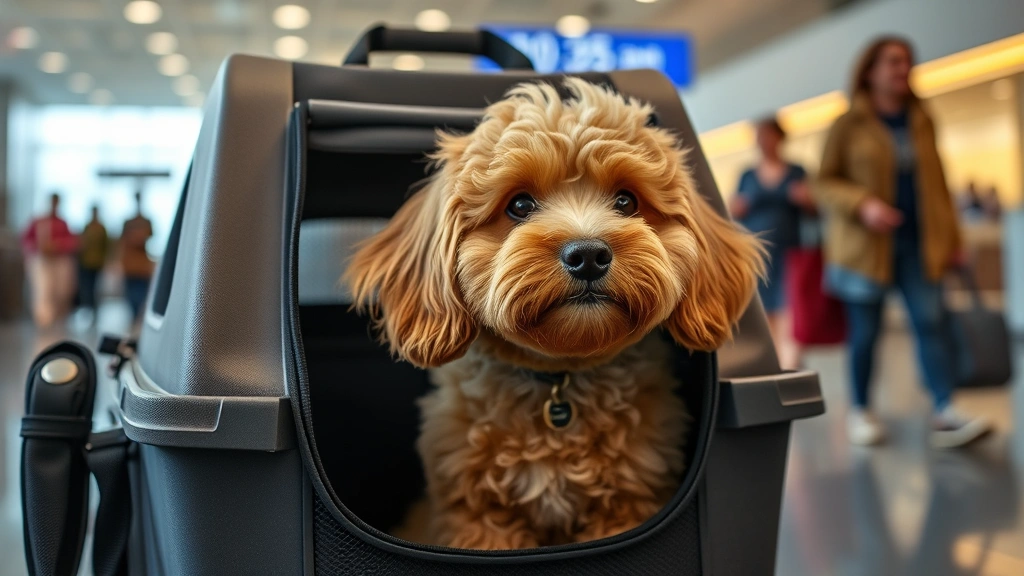
Deciding whether your bordoodle travels in the cabin or cargo hold is one of the most important decisions you’ll make. Cabin travel is generally preferable because your dog remains with you throughout the flight, experiences familiar surroundings, and avoids the stress of being separated. However, cabin travel requires your bordoodle to fit in an airline-approved carrier that fits under the seat in front of you, which may be challenging for larger bordoodles.
Cargo travel offers more space for your dog to move around during the flight, but it’s more stressful because your bordoodle will be separated from you in a pressurized cargo hold. The Pet Travel Center provides comprehensive information about cargo travel safety standards. Cargo holds are temperature-controlled on most modern aircraft, but the experience can be traumatic for anxious dogs. If you must use cargo, choose direct flights whenever possible to minimize your dog’s time in the hold.
Bordoodles are medium to large dogs, typically weighing between 30 and 55 pounds, which often makes cabin travel impossible due to weight and size restrictions. In these cases, cargo becomes your primary option. Some owners work with professional pet transportation services that specialize in safely moving dogs via air travel, which can reduce stress and ensure expert handling throughout the journey.
Pre-Flight Preparation Strategies
Successful air travel with your bordoodle begins weeks before your departure date. Start by acclimating your dog to the carrier or crate they’ll use during travel. Bordoodles are intelligent and can become anxious in confined spaces, so gradual introduction to the travel carrier is essential. Leave the carrier open in your home, place treats and toys inside, and let your dog explore at their own pace. Gradually increase the time your bordoodle spends in the carrier until they’re comfortable being enclosed for several hours.
Exercise is crucial in the weeks leading up to your flight. Bordoodles are active, intelligent dogs that require substantial daily exercise. A well-exercised dog is more likely to remain calm during travel. Increase your bordoodle’s exercise routine gradually, incorporating longer walks, runs, and play sessions. This physical conditioning helps your dog handle the stress of travel and reduces anxiety-related behaviors during the flight.
Mental enrichment is equally important. Puzzle toys, training sessions, and interactive games help tire out your bordoodle’s intelligent mind. A mentally stimulated dog is less likely to develop destructive behaviors or excessive anxiety during travel. Practice crate training specifically, using positive reinforcement to create positive associations with the travel carrier.
Visit your veterinarian for a pre-travel check-up to ensure your bordoodle is in optimal health for flying. Discuss any behavioral concerns, anxiety issues, or health conditions that might affect air travel. Your vet can provide recommendations specific to your dog’s individual needs and may suggest anxiety management strategies.
Packing Essentials for Your Bordoodle
Packing for your bordoodle requires thoughtful consideration of what will keep your dog comfortable and secure during travel. Essential items include a sturdy, airline-approved carrier or crate, a leash and collar with identification tags, food and water bowls, and an adequate supply of your dog’s regular food. Never switch your bordoodle’s diet before or during travel, as dietary changes can cause digestive upset during this stressful time.
Pack enough of your dog’s regular food for the entire trip, plus extra in case of travel delays. Include treats that your bordoodle loves, as these can be used for positive reinforcement and comfort during stressful moments. Bring collapsible water bowls that take up minimal space in your luggage. Hydration is critical during air travel, so ensure your bordoodle has access to fresh water regularly.
Bring comfort items that smell like home, such as a favorite blanket or toy. These familiar scents can significantly reduce anxiety during travel. Pack grooming supplies, including brushes and paw care products, as your bordoodle’s coat will need attention after travel. Include any medications your dog takes, along with documentation from your veterinarian describing the medications and dosage.
Don’t forget waste management supplies. Pack biodegradable poop bags, cleaning supplies for accidents, and puppy pads in case your bordoodle has bathroom accidents during travel. Include a recent photo of your dog in case of emergency separation, and carry copies of all health certificates, vaccination records, and airline documentation in an easily accessible folder.
Navigating the Airport with Your Dog
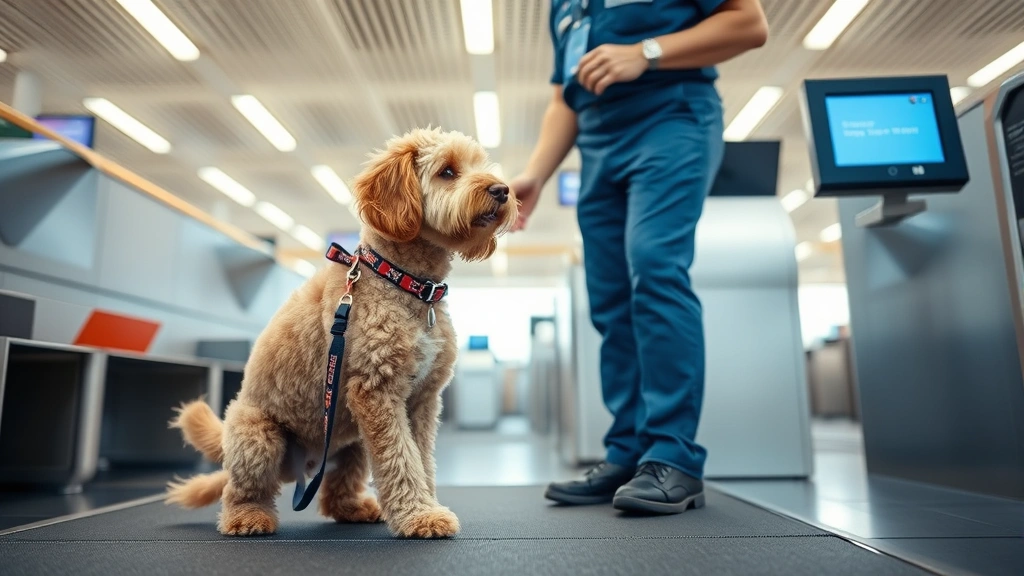
Airport navigation with your bordoodle requires planning and patience. Arrive at the airport extra early—at least three hours before domestic flights—to allow time for security screening with your dog. Transportation Security Administration (TSA) officers need time to inspect your bordoodle and carrier, and early arrival reduces stress for both you and your dog.
Keep your bordoodle on a short leash in the airport to maintain control. Airports are hectic, chaotic environments filled with unfamiliar people, loud noises, and strange smells that can overwhelm even well-adjusted dogs. Some airports have designated pet relief areas where your dog can take bathroom breaks before your flight. Locate these areas when you arrive and plan to use them before security screening.
When going through security, remove your bordoodle from the carrier and walk through the metal detector with your dog on a leash. Your carrier will be X-rayed separately. Some TSA officers may conduct additional hand screening of your dog, so be prepared for this and keep your bordoodle calm and cooperative. Practice walking through metal detectors with your dog before travel if possible.
Once you’ve cleared security, find a quiet area where your bordoodle can relax before boarding. Many airports have pet-friendly lounges or designated quiet areas. Let your dog get comfortable, take another bathroom break, and have some water before heading to the gate. Keep your bordoodle on a leash at all times in the airport, even in designated pet areas.
Flight Day Tips and Tricks
The morning of your flight, take your bordoodle for an extended walk or run to burn excess energy. A tired dog is much more likely to remain calm and sleep during the flight. Feed your dog a light meal several hours before departure to avoid digestive issues during travel. Avoid feeding your bordoodle right before the flight, as stress and motion can cause nausea.
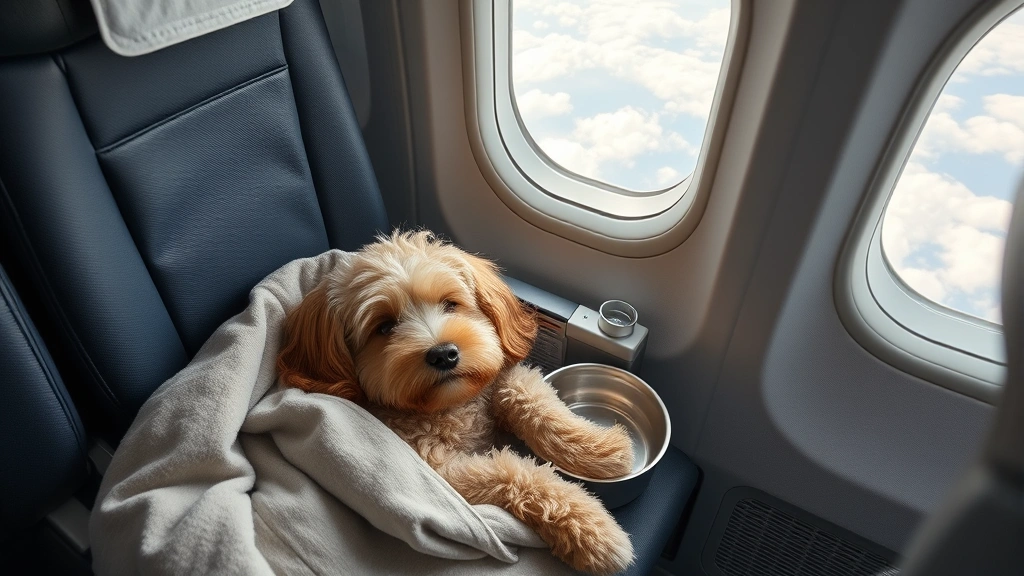
When boarding the aircraft, remain calm and confident. Dogs pick up on human anxiety, so your composed demeanor will help keep your bordoodle calm. If your dog is traveling in the cabin, get to your seat quickly and settle your bordoodle into the carrier with minimal fuss. Provide a comfort item like a blanket or toy, and speak to your dog in soothing, reassuring tones.
During the flight, keep your bordoodle in the carrier for safety, even if your dog becomes restless. The cabin is unpressurized during taxiing and turbulence, and your dog could be injured if the aircraft experiences sudden movements. Offer water from a collapsible bowl during the flight, and let your bordoodle take brief bathroom breaks if the flight is long enough and the seatbelt sign is off.
If your bordoodle becomes anxious during flight, resist the urge to coddle or give excessive attention, as this can reinforce anxious behavior. Instead, maintain a calm, normal demeanor and distract your dog with treats, chew toys, or puzzle toys if possible within the carrier. Some dogs benefit from background noise like music or white noise apps, which can mask cabin sounds.
When considering why flights are expensive, remember that pet fees contribute to the overall cost of air travel. Understanding the value of airline pet services and safety measures helps justify these additional expenses for your bordoodle’s well-being.
Post-Arrival Care and Adjustment
When you land and disembark the aircraft, immediately take your bordoodle to a designated pet relief area or outside for a bathroom break. Your dog will likely be stressed and may need to eliminate after being confined for several hours. Praise your bordoodle enthusiastically for successful bathroom breaks, as positive reinforcement helps your dog associate the flight with good outcomes.
Allow your bordoodle time to adjust to the new environment. The change in climate, altitude, and surroundings can be disorienting for dogs. Keep your dog’s routine as consistent as possible by maintaining regular feeding times, exercise schedules, and sleep patterns. This consistency helps your bordoodle adjust to the new location more quickly.
Watch for signs of stress or illness in the days following your flight. Some dogs experience mild digestive upset, appetite changes, or behavioral anxiety after air travel. These symptoms usually resolve within 24 to 48 hours. If your bordoodle shows signs of illness or extreme anxiety that persists beyond a few days, consult a veterinarian at your destination.
Gradually reintroduce your bordoodle to normal activity levels. If your dog was confined during travel, resist the urge to immediately engage in vigorous exercise. Instead, take several short walks and allow your bordoodle to adjust gradually to increased activity. This prevents injuries and helps your dog transition smoothly to your new location.
Consider your bordoodle’s emotional adjustment as well as physical recovery. Some dogs benefit from extra attention and reassurance after travel, while others need quiet time to decompress. Learn to read your individual dog’s needs and provide appropriate support. If you’re planning future trips, booking airline tickets strategically can help minimize travel frequency and associated stress for your pet.
FAQ
Can bordoodles fly in airplane cabins?
Most bordoodles are too large to fly in airplane cabins, as they typically weigh 30-55 pounds and airlines usually restrict cabin pets to 10-15 pounds. However, smaller bordoodles or puppies might qualify for cabin travel if they fit in an airline-approved carrier that fits under the seat. Check with your specific airline for weight and size restrictions.
What is the best way to calm an anxious bordoodle during flight?
Pre-flight exercise, familiarity with the carrier, and veterinary guidance are most effective. Your vet may recommend calming supplements or anxiety medications. During flight, maintain a calm demeanor, provide comfort items with familiar scents, and avoid excessive attention to anxious behaviors. Some dogs respond well to background noise or white noise apps.
How much does it cost to fly with a bordoodle?
Pet fees vary by airline but typically range from $95 to $200 for cabin travel. Cargo travel costs are usually higher, ranging from $200 to $500 or more depending on the airline and route. Additional costs include health certificates ($50-$150), carriers, and supplies. Check airline flight delay compensation information to understand your rights if travel is disrupted.
What documents do I need to fly with my bordoodle?
You’ll need a health certificate from a licensed veterinarian issued within 10 days of travel, proof of current vaccinations (especially rabies), and your airline’s pet travel documentation. If traveling internationally or to specific states, additional permits or health certificates may be required. Check destination-specific requirements well in advance.
Should my bordoodle travel in cabin or cargo?
Cabin travel is preferable if your dog meets airline size and weight requirements, as it keeps your bordoodle with you and reduces separation anxiety. However, most bordoodles exceed cabin pet size limits and must travel in cargo. Cargo holds are temperature-controlled, but the experience can be stressful. Direct flights minimize time in cargo.
How can I help my bordoodle adjust after flying?
Maintain consistent routines for feeding, exercise, and sleep. Allow gradual adjustment to increased activity. Provide extra attention and comfort if your dog seems stressed. Most dogs adjust within 24-48 hours. Watch for signs of illness or extreme anxiety and consult a veterinarian if concerns persist beyond a few days.