
Cheap Boston to Austin Flights: Complete Price Comparison Guide
Finding affordable Boston to Austin flights requires strategy, timing, and knowledge of the market. The route between Boston Logan International Airport (BOS) and Austin-Bergstrom International Airport (AUS) is serviced by multiple carriers, creating competitive pricing opportunities for savvy travelers. Whether you’re visiting Austin’s vibrant live music scene, tech industry conferences, or exploring the Texas Hill Country, understanding how to secure the best fares can save you hundreds of dollars on your airfare.
This comprehensive guide breaks down everything you need to know about booking cheap flights from Boston to Austin, including price trends, best times to book, airline comparisons, and insider tips that frequent travelers use to maximize their savings. We’ll explore the various factors affecting ticket prices on this 1,600-mile route and provide actionable strategies to help you find the lowest fares available.
Understanding the Boston to Austin Flight Route
The Boston to Austin corridor represents a popular domestic travel route connecting two major metropolitan areas with distinct characteristics. Boston, home to historic New England charm and world-class institutions, sits on the East Coast, while Austin, known as the “Live Music Capital of the World,” anchors Texas’s tech and entertainment scene. The flight distance of approximately 1,600 miles typically translates to a flight time of 4 to 5 hours for direct flights, though connecting flights can add several hours depending on the layover location.
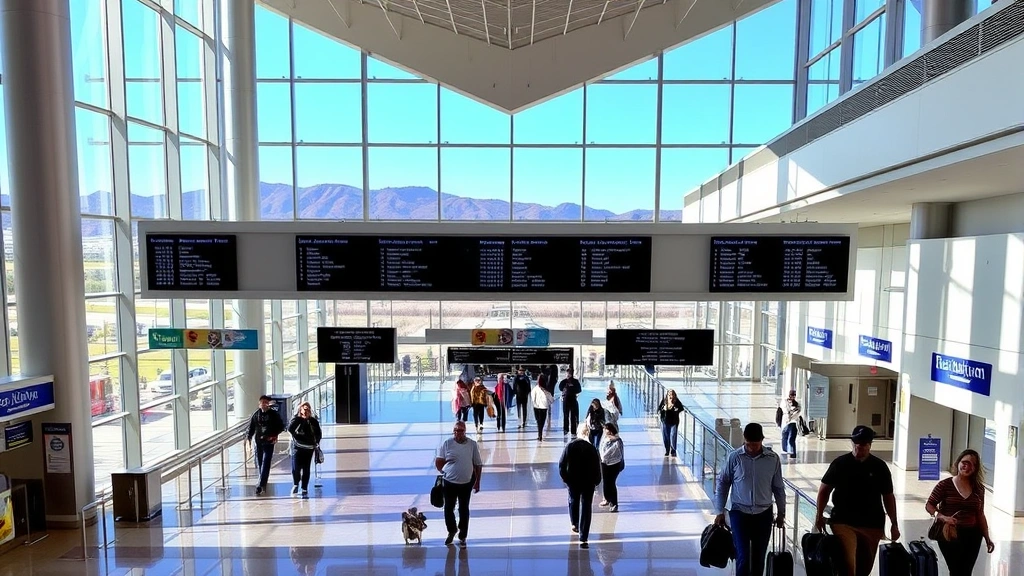
Boston Logan International Airport serves as New England’s primary hub, offering extensive connectivity through major carriers including American Airlines, Delta Air Lines, Southwest Airlines, and JetBlue Airways. Austin-Bergstrom International Airport has experienced significant growth in recent years, attracting new airlines and increasing flight frequency on popular routes. Understanding the airports’ structures, available airlines, and terminal configurations helps you make informed booking decisions and potentially reduce ground transportation costs.
The route typically operates with a mix of direct and one-stop flights, with the latter often providing cheaper fares. Most connecting flights route through major hubs like Charlotte (CLT), Dallas-Fort Worth (DFW), or Atlanta (ATL). While direct flights offer convenience and less travel time, connecting flights frequently undercut direct pricing, sometimes by $100 or more per ticket.
Average Flight Prices and Current Market Trends
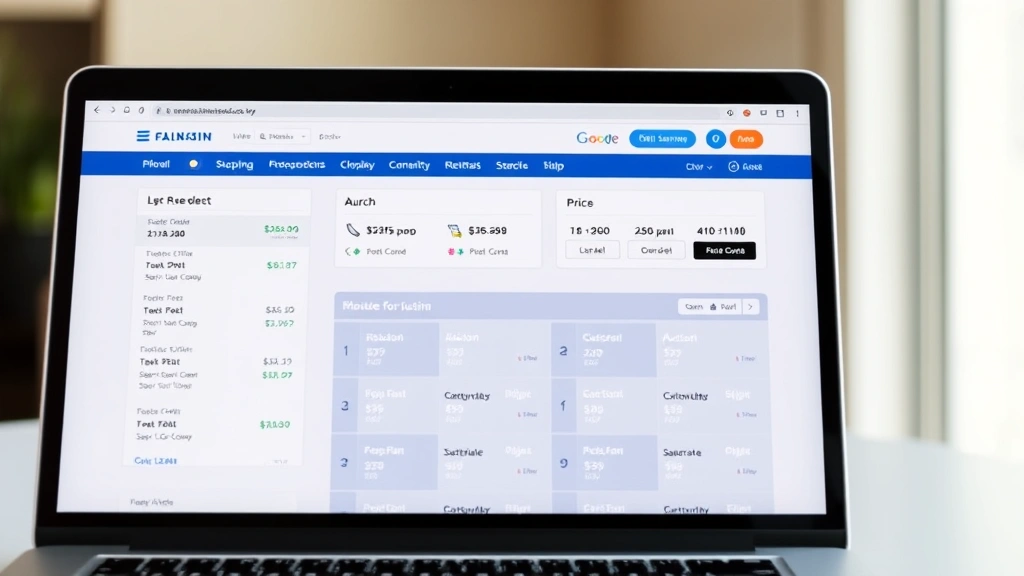
Current pricing for Boston to Austin flights typically ranges from $150 to $400 for economy fares, depending on booking timing, travel dates, and airline selection. Round-trip tickets generally fall between $300 and $800, with significant variation based on seasonal demand and advance purchase windows. Understanding airline ticket price trends and what you need to know helps contextualize these figures within broader market conditions.
Peak travel seasons—including spring break (March-April), summer vacation (June-August), and holiday periods (November-December)—see prices climb substantially. During these periods, expect to pay 40-60% premiums over off-season rates. Conversely, January through February and September through early November typically offer the cheapest fares, with Tuesday and Wednesday departures consistently cheaper than weekend flights.
Recent market trends show increased competition on this route, with budget carriers and legacy airlines vying for passengers. This competition benefits travelers through promotional fares and price wars. Tracking historical pricing data through tools like Google Flights, Kayak, and Hopper reveals that booking 3-6 weeks in advance generally yields optimal pricing, though exceptions exist during sales periods.
Best Times to Book Your Flight
Timing your booking strategically can reduce your ticket cost significantly. Research indicates that Tuesday through Thursday departures offer the cheapest fares, with Tuesday morning bookings often triggering competitor price matching. Airlines frequently release sales on Tuesday evenings, creating opportunities for alert travelers monitoring price alerts.
The optimal booking window for Boston to Austin flights typically spans 3-6 weeks before departure. Booking too far in advance (8+ weeks) often results in premium pricing, while booking within 2 weeks usually guarantees higher fares due to reduced inventory and increased demand. However, flash sales and promotional periods can override these general rules, making price monitoring essential year-round.
For holiday travel and peak seasons, extending your booking window to 8-10 weeks provides better selection and pricing options. Conversely, last-minute bookings within 1-2 weeks occasionally yield deals as airlines discount unsold inventory, though this strategy carries risk during high-demand periods.
Airline Comparison and Direct vs. Connecting Flights
Multiple carriers service the Boston-Austin route, each offering distinct advantages and pricing structures. Southwest Airlines dominates this route with frequent daily flights, two free checked bags, and competitive pricing. American Airlines operates through its Charlotte hub with multiple daily options. Delta Air Lines provides connections through Atlanta, while JetBlue Airways offers limited direct flights with premium cabin options.
Understanding the best airlines for long flights helps you evaluate beyond just price. While budget-focused carriers offer lower base fares, factor in ancillary fees for baggage, seat selection, and changes. Southwest’s bag policy and flexible change options often provide better overall value than competitors charging $25-35 per checked bag.
Direct flights command premium pricing, typically $50-150 more than connecting options. While the convenience justifies the cost for time-sensitive travelers, connecting flights provide substantial savings. A typical connecting flight through Charlotte or Dallas adds 1-3 hours to your journey but can save $100-200 per ticket. For leisure travelers with flexible schedules, this tradeoff often makes financial sense.
Midday and red-eye connecting flights usually offer the cheapest fares. Early morning and evening direct flights command higher prices due to increased demand from business travelers. Evaluating your flexibility regarding departure times and layovers directly impacts achievable savings.
Money-Saving Strategies for Budget Travelers
Implementing proven strategies dramatically improves your chances of securing cheap Boston to Austin flights. Set up price alerts across multiple platforms including Google Flights, Kayak, Hopper, and airline websites directly. These tools notify you of price drops, enabling quick booking when deals materialize.
Consider flying on off-peak days—typically Tuesday, Wednesday, or early Thursday mornings. Avoiding Friday evening, Saturday, and Sunday departures reduces your fares by 20-40% on average. Similarly, red-eye flights (late evening or early morning departures) typically undercut daytime options by 10-25%.
Be flexible with your travel dates if possible. Even shifting your departure by one or two days can reveal significant price variations. Using flexible date search features on booking sites quickly identifies the cheapest travel windows within your preferred timeframe.
Bundle your booking strategically. Some travel sites offer package deals combining flights with hotels, occasionally providing modest savings. However, verify standalone pricing to ensure packages genuinely offer value rather than inflated base prices.
Use incognito browsing when comparing prices. Clearing cookies or using private browsing modes prevents airline websites from tracking your searches and potentially inflating prices based on your interest level.
Flexible Dates and Alternative Airports
Expanding your flexibility regarding dates and airports opens additional savings opportunities. While Boston Logan (BOS) remains the primary Boston-area airport, exploring alternatives like Manchester Airport (MHT) in New Hampshire or Providence Airport (PVD) in Rhode Island occasionally yields cheaper fares, though ground transportation costs must factor into your calculation.
For Austin arrivals, Austin-Bergstrom (AUS) represents the primary option, though some itineraries route through Dallas-Fort Worth (DFW) or Houston (IAH). While these airports require additional ground transportation to Austin, the flight savings sometimes exceed ground transport costs, particularly for group travel.
Shifting your travel window by even one week can reveal dramatic price differences. Off-season travel to Austin (January-February, September-October) typically costs 30-50% less than peak periods. If your travel dates allow flexibility, targeting these windows provides substantial savings opportunities.
Combining flexible dates with flexible airports maximizes your negotiating power in the market. Travelers willing to depart Wednesday afternoon instead of Friday evening and potentially connect through Atlanta instead of flying direct might save $200-300 per round-trip ticket.
Using Loyalty Programs and Travel Rewards
Leveraging airline loyalty programs to maximize your travel rewards effectively reduces your net flight cost. Frequent flyers accumulate miles through flights, credit card spending, and partner activities, ultimately redeeming these miles for discounted or free tickets. On the Boston-Austin route, typical redemption values range from 12,500 to 25,000 miles for economy awards, depending on demand levels and booking timing.
Co-branded airline credit cards often provide sign-up bonuses worth $100-200 in travel value or 50,000+ bonus miles. Strategic credit card usage for everyday purchases can accumulate miles quickly, enabling redemption on your Boston-Austin flight within months of opening the account. However, calculate the annual fee against anticipated benefits to ensure genuine value.
Combining loyalty programs with discounted fares multiplies savings. Booking a discounted ticket using frequent flyer miles rather than cash preserves miles for future travel while minimizing out-of-pocket spending. Some premium cabin upgrades become available at reduced mileage rates during off-peak periods, potentially providing business-class experience at economy pricing.
Partner rewards programs through hotels, car rentals, and credit card companies frequently offer airline miles. Consolidating these earnings through a primary loyalty program accelerates your redemption timeline for free or heavily discounted flights.
Additionally, essential tips for long-haul flights complement your loyalty strategy, helping you maximize comfort and value on your journey from Boston to Austin, particularly when upgrading with accumulated miles.
Advanced Booking Strategies and Hidden Deals
Sophisticated travelers employ advanced techniques to uncover hidden deals on Boston to Austin flights. Hidden city ticketing—booking a flight with a connection to your actual destination—technically violates airline terms but remains practiced. However, this strategy carries risks including potential airline action and complications with baggage handling. Most travel experts recommend avoiding this practice.
Instead, explore mistake fares and flash sales through airline newsletters and social media. Airlines occasionally price tickets incorrectly, creating opportunities for significant savings. Following airlines on Twitter and subscribing to email alerts increases your chances of catching these limited-time deals before they’re corrected.
Bidding for upgrades after booking provides another avenue for value. While not directly reducing ticket cost, airlines frequently offer upgrade opportunities at reasonable prices for passengers willing to bid. On a Boston-Austin flight, premium cabin upgrades might cost $50-150, providing a superior travel experience at modest expense.
Exploring how to find cheap airline tickets to Europe provides applicable strategies for domestic routes as well. Many techniques including multi-city searches, booking through global sites, and using price comparison tools work equally well for Boston-Austin flights.
Seasonal Pricing Patterns and Travel Considerations
Understanding seasonal pricing patterns helps you time your travel strategically. Winter months (January-February) see the cheapest fares as post-holiday travel demand drops significantly. Spring break (mid-March through early April) reverses this trend, pushing prices to peak levels. Summer vacation (June-August) maintains elevated pricing, though early June and late August sometimes offer marginal relief.
Fall represents an excellent booking window, with September and October offering moderate pricing as summer crowds disperse and holiday travel hasn’t commenced. November’s Thanksgiving period spikes prices dramatically, while early December maintains elevation through mid-month before declining slightly.
Austin’s SXSW festival (mid-March) and major tech conferences drive seasonal demand spikes. Traveling immediately before or after major events often provides better pricing than event dates themselves. Similarly, consulting Austin tourism boards and event calendars helps identify optimal travel windows aligning with your interests and budget constraints.
Booking Platforms and Comparison Tools
Choosing the right booking platform significantly impacts your ability to find cheap Boston to Austin flights. Meta-search engines like Google Flights, Kayak, and Skyscanner compare prices across multiple airlines and travel agencies simultaneously, providing comprehensive market overviews. These platforms excel at identifying patterns, showing historical pricing data, and enabling flexible date searches.
Direct airline bookings occasionally offer exclusive discounts unavailable through third-party sites. Booking directly also simplifies rebooking and support interactions when issues arise. However, third-party sites often provide better price visibility and comparison functionality.
Hopper specifically analyzes historical pricing data and predicts future price movements, recommending optimal booking times. While predictions aren’t perfectly accurate, the tool provides valuable context for booking decisions.
Visiting the Sky Voyage Hub Blog regularly provides updated insights on booking strategies and market trends affecting routes like Boston to Austin.
FAQ
What’s the cheapest month to fly from Boston to Austin?
January and February typically offer the cheapest fares, with prices 30-50% lower than peak seasons. September and October also provide good value as summer crowds disperse. Avoid March (spring break), June-August (summer), and November-December (holidays) for premium pricing.
How far in advance should I book my Boston to Austin flight?
Booking 3-6 weeks before departure generally provides optimal pricing. For peak travel periods, extend to 8-10 weeks. Avoid booking more than 10 weeks early or within 2 weeks of departure unless flash sales occur.
Are connecting flights significantly cheaper than direct flights?
Yes, connecting flights typically cost $50-200 less than direct flights. The tradeoff involves 1-3 additional hours of travel time. For budget-conscious travelers with flexible schedules, this savings usually justifies the added time.
Which airlines offer the best value on this route?
Southwest Airlines provides competitive pricing, two free checked bags, and flexible change policies. American Airlines and Delta offer multiple daily options through major hubs. Comparing all carriers’ prices and ancillary fees determines best value for your specific needs.
Can I save money by flying into a different Austin-area airport?
Austin-Bergstrom (AUS) represents the primary airport. Dallas-Fort Worth (DFW) and Houston (IAH) occasionally offer cheaper flights, but ground transportation costs to Austin typically exceed flight savings.
What day of the week has the cheapest Boston to Austin flights?
Tuesday through Thursday departures typically offer the cheapest fares, with Tuesday morning bookings often triggering competitive pricing. Avoid Friday evening, Saturday, and Sunday travel when possible.
How can I use miles to book cheap flights on this route?
Typical award redemptions range from 12,500-25,000 miles for economy seats. Co-branded airline credit card sign-up bonuses accelerate mile accumulation. Booking award flights during off-peak periods reduces mileage costs.
Are there any hidden fees I should know about?
Budget carriers charge for checked bags ($25-35), seat selection ($10-25), and carry-on bags for basic economy fares. Southwest includes bags and seat selection. Factor these fees into your total cost comparison.
Should I book a package deal combining flights and hotels?
Compare package pricing against standalone bookings. While packages occasionally offer modest savings, they sometimes bundle inflated base prices. Verify genuine value before committing.
What’s the best tool for monitoring price drops?
Set up price alerts through Google Flights, Kayak, and Hopper simultaneously. These tools notify you of significant drops, enabling quick booking when deals materialize. Check alerts daily during your booking window.