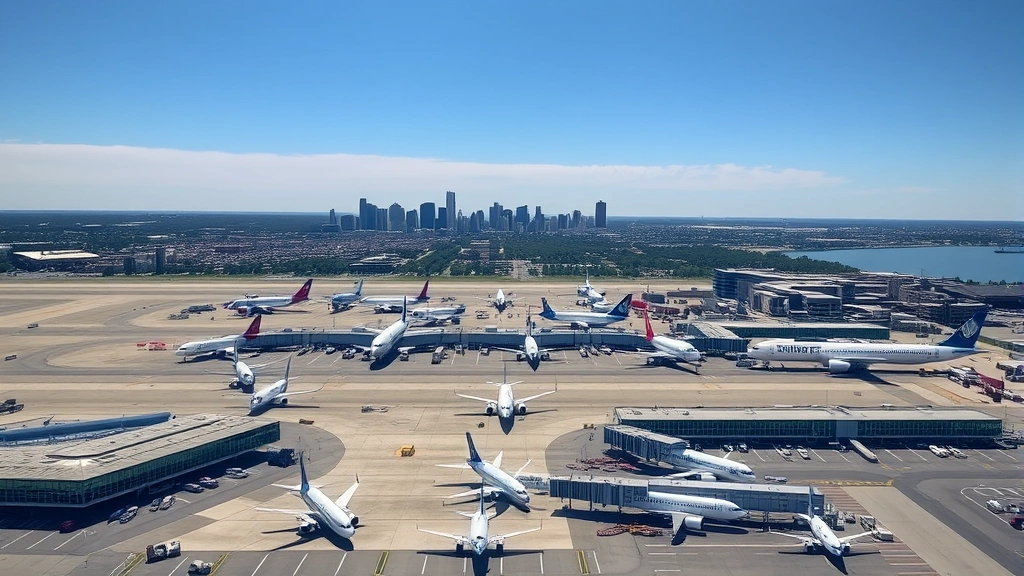
Cheap Boston to DC Flights? Expert Insights for Budget-Conscious Travelers
Finding affordable Boston to DC flights requires strategy, timing, and insider knowledge that separates savvy travelers from those paying full price. The Northeast Corridor is one of America’s busiest travel routes, connecting two major business and tourism hubs just 440 miles apart. Whether you’re planning a weekend getaway to explore the nation’s capital, attending a conference, or visiting family, understanding how to navigate this competitive market can save you hundreds of dollars on your round-trip ticket.
The Boston-Washington DC route is served by multiple carriers offering various price points, flight times, and service levels. From budget airlines to legacy carriers, you’ll find options ranging from $50 to $300+ per ticket depending on when you book, how far in advance you plan, and what flexibility you bring to your travel dates. This comprehensive guide draws on years of aviation industry experience and traveler data to reveal the proven strategies that consistently yield the cheapest fares on this popular corridor.
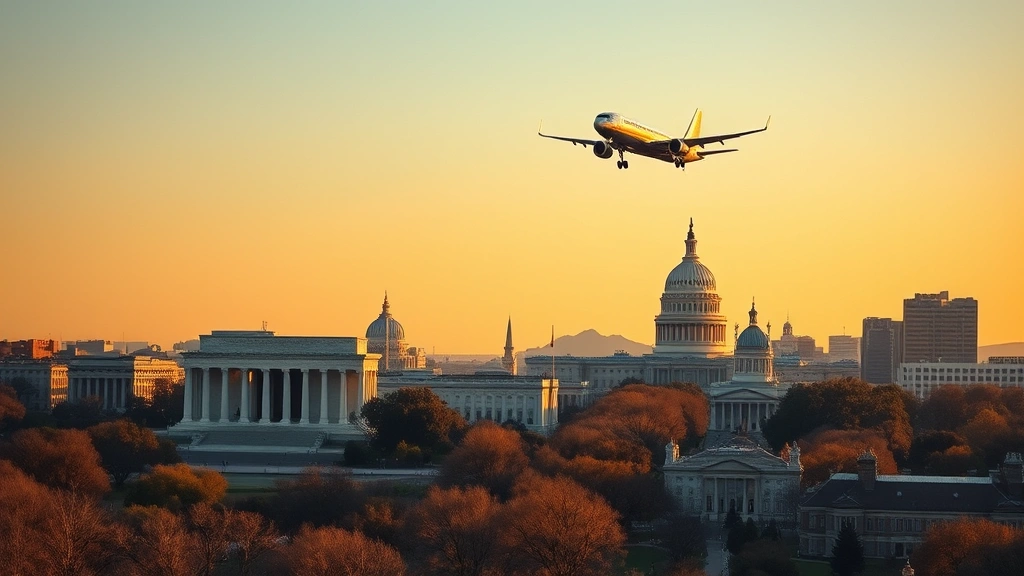
Best Airlines for Boston to DC Routes
The Boston to Washington DC corridor features competition from five major carriers: Southwest Airlines, United Airlines, American Airlines, JetBlue Airways, and Frontier Airlines. Each airline brings different advantages to budget-conscious travelers, and understanding their strengths helps you make informed decisions.
Southwest Airlines dominates this route with multiple daily flights from Boston Logan (BOS) to Ronald Reagan Washington National (DCA). Their strength lies in transparent pricing—no hidden fees for checked bags or seat selection. Southwest’s open seating policy and generous carry-on allowance appeal to budget travelers. However, their fares aren’t always the absolute cheapest; they compete on value and service consistency rather than rock-bottom prices.
Frontier Airlines typically offers the lowest base fares on this route. As an ultra-low-cost carrier, Frontier strips down amenities to achieve competitive pricing. You’ll pay extra for seat selection, carry-on bags, and checked luggage, so calculate your total trip cost before assuming Frontier is cheaper. For minimalist travelers with no baggage, Frontier frequently wins on price.
JetBlue Airways provides a middle ground between budget and full-service carriers. Their Boston focus (Logan is a major hub) means frequent flights to DCA and Washington Dulles (IAD). JetBlue includes free snacks, beverages, and entertainment, making the experience feel less stripped-down than ultra-low-cost alternatives. Their fares typically run 20-30% higher than Frontier but often undercut legacy carriers.
United Airlines and American Airlines maintain competitive presence through their hub operations and frequent flyer programs. United’s Boston presence and American’s strength in the Southeast create competitive pressure that sometimes yields reasonable fares, particularly when these carriers need to fill seats. Learn more about best airlines for frequent flyers to understand loyalty program benefits on this route.

Booking Strategies That Actually Save Money
The timing and method of booking your Boston to DC flight dramatically impacts price. Industry data shows distinct patterns in fare behavior that savvy travelers exploit.
The 3-6 Week Sweet Spot: Research indicates that booking 3 to 6 weeks before departure typically yields the lowest fares on this route. Airlines release their cheapest seats during this window to establish market position. Booking too far in advance (2+ months) sometimes results in higher prices, while last-minute bookings (under one week) rarely produce bargains on this competitive route.
Day-of-Week Timing: Tuesday and Wednesday departures consistently offer lower prices than Friday, Saturday, or Sunday flights. Business travelers dominate Friday-Sunday travel, driving prices upward. If your schedule permits midweek travel, you’ll typically save 15-25% compared to weekend equivalent flights.
Fare Alerts and Price Monitoring: Set up price alerts on Google Flights, Kayak, and Hopper for your desired dates. These tools track price movements and alert you when fares drop. For Boston to DC specifically, monitoring alerts for 4-5 weeks before travel helps you catch the optimal booking window. Some travelers use incognito browser mode to avoid price increases from repeated searches, though major booking sites claim this doesn’t affect pricing.
Understanding how to find cheap airline tickets principles applies to domestic routes too—flexibility on dates, willingness to use secondary airports, and strategic timing all matter. However, Boston to DC flights have unique characteristics since it’s a short-haul domestic route with abundant competition.
Flexibility Multiplier: Being flexible with your exact travel dates can save 30-40% compared to fixed-date travel. If you can shift your trip by 2-3 days, use flexible date search tools to identify the cheapest available dates. On this route, certain dates experience dramatically lower demand due to school schedules, holidays, and business cycles.
Seasonal Pricing Patterns and Travel Windows
Boston to DC fares follow predictable seasonal patterns shaped by weather, holidays, and cultural events. Understanding these cycles helps you plan travel during cheaper periods.
Winter Months (January-February): Post-holiday travel sees reduced demand, creating some of the year’s lowest fares. The exception is Presidents’ Day weekend (mid-February), which drives prices upward. January typically offers the cheapest fares overall, as business travel declines and leisure travelers recover from holiday spending.
Spring (March-May): Spring break drives prices higher during mid-March through early April. However, early March and late April-May offer reasonable fares. The cherry blossom festival in Washington DC (late March-early April) increases demand and prices, but this effect is less dramatic than school break periods.
Summer (June-August): Peak tourist season drives summer fares to annual highs. Families travel extensively, and Washington DC experiences maximum visitor volume. If summer travel is necessary, book 6+ weeks in advance and consider early morning or late evening flights, which are typically cheaper than midday options.
Fall (September-November): September sees elevated prices due to summer family trips extending into early fall. October and early November offer moderate pricing with fewer crowds. Thanksgiving week (the Wednesday before through Sunday) experiences severe price spikes; traveling the week before or the week after Thanksgiving saves significantly.
Holiday Period (November-December): Thanksgiving and Christmas travel command premium prices. The period from December 20-January 2 experiences high demand and elevated fares, though January 2-5 sometimes offers better deals as holiday period ends.
Airport Options and Hidden Savings
Boston and Washington DC each have multiple airports, and choosing strategically impacts both price and convenience. Most travelers focus on the obvious choices but miss significant savings opportunities.
Boston Airports: Logan International (BOS) is the primary airport, serving most major airlines with frequent DC flights. However, Manchester Airport (MHT) in New Hampshire, 50 miles north, sometimes offers lower fares. The savings must overcome the 90-minute drive and parking costs, but for significant price differences, it’s worth considering. Providence Airport (PVD) in Rhode Island offers similar trade-offs.
Washington DC Airports: Ronald Reagan Washington National (DCA) is closest to downtown DC and most convenient for visitors, but it’s also the most expensive. Washington Dulles International (IAD), 26 miles west, often has lower fares and more flight options. Baltimore-Washington International (BWI), 40 miles northeast, frequently offers the cheapest fares and excellent ground transportation via MARC rail to downtown DC.
The BWI advantage deserves emphasis: flights to Baltimore are often $30-50 cheaper than equivalent DCA flights, and the MARC rail connection gets you to Union Station in 30 minutes for $8. For budget travelers, this airport arbitrage frequently yields the trip’s biggest savings. Check airlines key information and tips for travelers to understand each carrier’s airport preferences and route networks.
Maximizing Loyalty Programs and Credit Cards
Strategic use of airline loyalty programs and travel credit cards transforms your economics on Boston to DC flights. Even frequent travelers on this short route can accumulate meaningful benefits.
Southwest’s Rapid Rewards program benefits Boston-DC travelers particularly well since Southwest dominates this route. Earning points on Boston to DC flights and redeeming them for free flights creates substantial value. Their credit card offers typically include sign-up bonuses worth $100-150 in free flights, covering your Boston to DC round-trip entirely.
JetBlue’s TrueBlue program works similarly, with bonus point opportunities and credit card benefits. United and American frequent flyer programs offer dynamic pricing where award flight costs vary by demand, sometimes making paid flights cheaper than award redemptions on popular routes.
The SkyVoyage Hub Blog regularly covers credit card strategies and loyalty program optimization. For Boston to DC specifically, opening a Southwest or JetBlue credit card before booking your flight can provide sign-up bonuses covering your entire trip cost.
Transfer Partners and Flexible Points: American Express and Chase Ultimate Rewards cards offer transfer partners including Southwest, JetBlue, and United. Accumulating points through everyday spending and transferring them strategically can reduce or eliminate your ticket cost. This works especially well for frequent travelers who book multiple Boston to DC trips annually.
Alternative Transportation Considerations
Sometimes the cheapest way to reach DC from Boston isn’t flying at all. Comparing alternatives provides perspective on when flying makes economic sense.
Northeast Regional Rail: Amtrak’s Northeast Regional provides 7.5-8 hour service from Boston South Station to Union Station DC for $30-60 each way. The Northeast Corridor faster service costs $80-150 but completes the journey in 3.5-4 hours. For travelers with flexible schedules, overnight travel or midweek Amtrak tickets sometimes undercut flights when factoring in ground transportation, parking, and arrival time.
Megabus and Greyhound: Budget bus services charge $20-50 for Boston to DC travel but require 8+ hours. These options appeal only to extremely budget-conscious travelers with substantial time flexibility.
Driving: The 440-mile drive requires 6.5-7 hours and costs $60-100 in gas plus tolls ($15-25). For solo travelers, driving sometimes undercuts flying when parking and ground transportation costs are factored in. For groups of 3-4 people, driving frequently beats flying on total cost.
For most travelers, flights remain competitive when you book strategically, choose secondary airports, and account for all transportation costs. However, Amtrak’s Northeast Corridor service deserves serious consideration for business travelers valuing productive travel time over speed.
FAQ
What’s the cheapest month to fly Boston to DC?
January typically offers the cheapest Boston to DC fares, followed by February (excluding Presidents’ Day). Winter travel experiences reduced demand, and business travel declines post-holidays. September and November also offer reasonable pricing outside specific holiday periods.
How far in advance should I book Boston to DC flights?
The optimal booking window is 3-6 weeks before departure. Booking more than 2 months in advance sometimes costs more, while last-minute bookings rarely produce deals on this competitive route. Monitor prices starting 8 weeks out and book when you see rates in your target range during the 3-6 week window.
Which airline offers the cheapest Boston to DC flights?
Frontier Airlines typically offers the lowest base fares, but total cost depends on baggage and seat selection needs. Southwest provides good value with no hidden fees, while JetBlue offers a balance of price and amenities. Compare total trip costs including all fees rather than base fare alone.
Is flying to BWI cheaper than DCA or IAD?
Yes, BWI fares are typically $30-50 lower than equivalent DCA flights, making it the cheapest airport option. The 30-minute MARC rail connection to Union Station costs only $8, making ground transportation efficient and affordable. For budget-conscious travelers, BWI represents the best overall value.
Should I book a round-trip or one-way tickets?
On this route, round-trip bookings usually cost less than purchasing two separate one-way tickets. However, occasionally one airline offers exceptional one-way pricing that beats round-trip rates from competitors. Check both options before booking, and use multi-city search tools to compare combinations.
Can I save money flying midweek instead of weekends?
Yes, significantly. Tuesday and Wednesday flights typically cost 15-25% less than Friday-Sunday equivalents. If your schedule permits midweek travel, you’ll realize substantial savings. This pattern holds consistently throughout the year on the Boston-DC route.
What about using airline miles or points for Boston to DC flights?
Airline miles redemptions work well on this route, particularly with Southwest and JetBlue, which offer frequent flights. Award availability is generally good since this is a competitive route with multiple daily flights. Calculate whether your miles’ value exceeds current cash fares before redeeming.