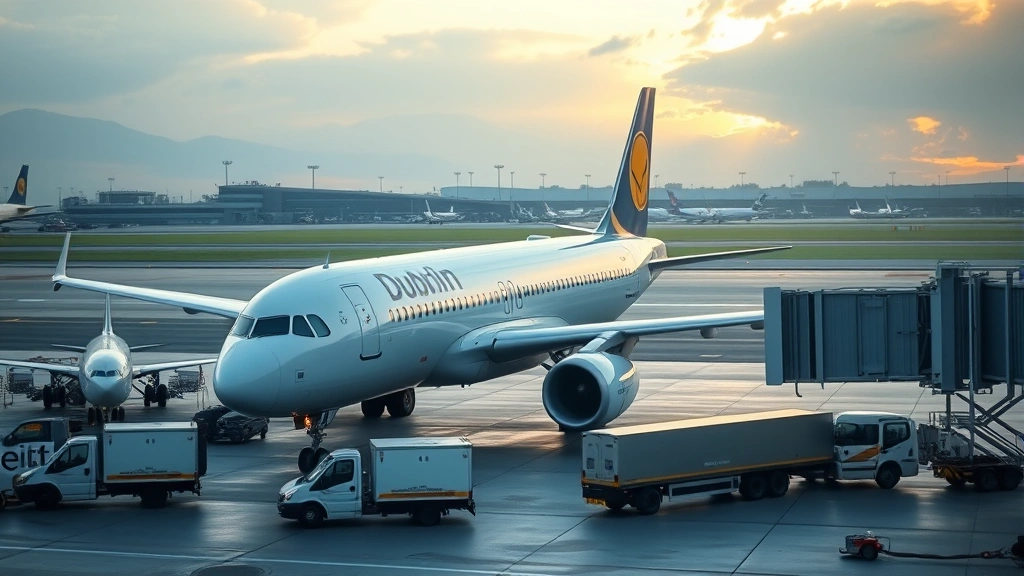
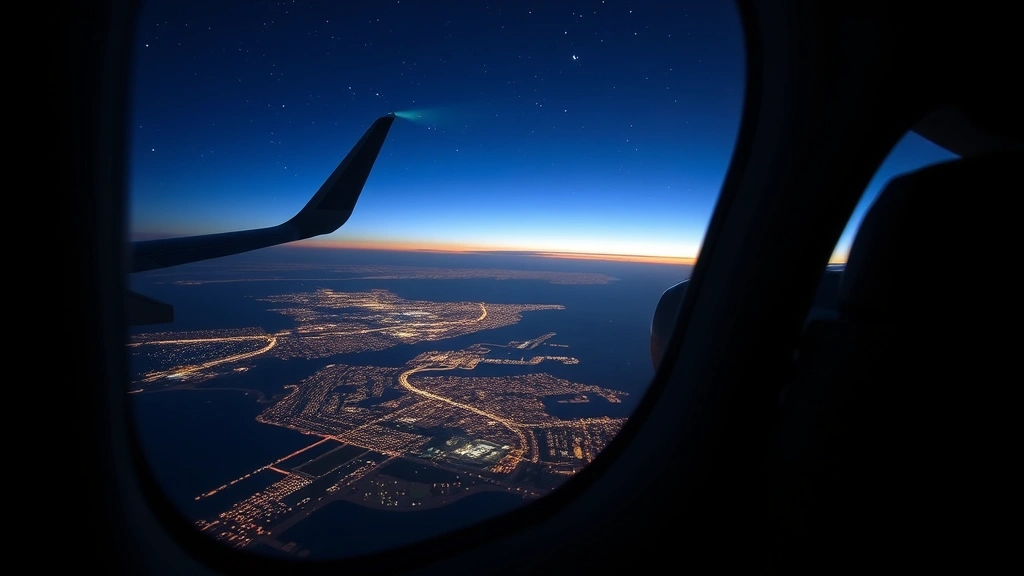
Boston to London Flight Time: Expert Breakdown
Flying from Boston Logan International Airport (BOS) to London’s major airports represents one of the most popular transatlantic routes in North America. Whether you’re planning a business trip, leisure vacation, or visiting family, understanding the exact flight duration and what influences it is essential for proper travel planning. The direct flight time from Boston to London typically ranges from 6 hours and 45 minutes to 7 hours and 30 minutes, making it a relatively short transatlantic journey compared to flights from the West Coast.
This comprehensive guide breaks down everything you need to know about Boston to London flight times, including factors that affect duration, airline options, and practical tips to make your journey more comfortable. We’ll explore the differences between flying to various London airports, what to expect during the flight, and how to prepare for this exciting international journey.

Direct Flight Duration Explained
The standard nonstop flight from Boston to London takes approximately 7 hours on average. However, this figure can vary based on several variables including wind patterns, specific routing, and the aircraft type. Eastbound flights (Boston to London) are typically shorter than westbound returns because of prevailing jet stream winds that push aircraft eastward across the Atlantic. You might experience flights as short as 6 hours 45 minutes or as long as 7 hours 30 minutes depending on atmospheric conditions.
When you book your ticket, airlines provide estimated flight times that account for typical conditions. It’s important to understand that this duration doesn’t include boarding, taxi time, or landing procedures. From the moment you arrive at Logan Airport to when you clear customs at your London destination, plan for approximately 9-10 hours total travel time. This includes pre-flight procedures, the actual flight, and post-arrival processes.
Boston’s Logan Airport serves as one of the Northeast’s major international hubs, with excellent transatlantic connectivity. The airport’s location on the Atlantic coast actually provides a slight advantage for international flights, as it’s one of the easternmost major US airports, reducing overall flight distance compared to flying from inland cities.
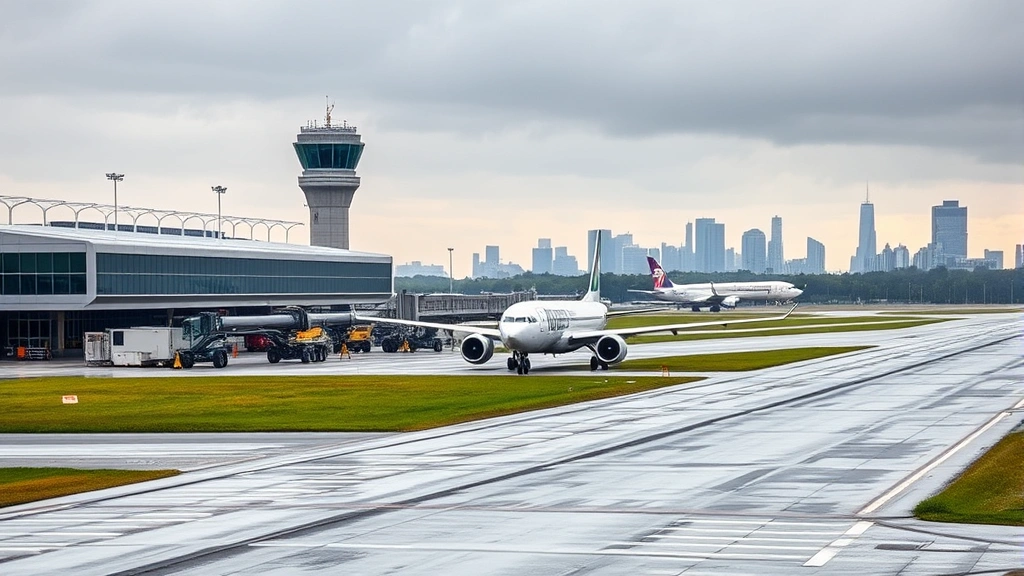
London Airport Options
When flying from Boston, you’ll most likely arrive at one of London’s primary airports. London Heathrow is the most common destination, receiving the majority of transatlantic flights. Heathrow is located about 15 miles west of central London and has excellent ground transportation connections including the Heathrow Express train that reaches central London in just 15 minutes.
London Gatwick is another major option, situated south of the city. Some carriers also serve London Stansted or London City Airport, though these receive fewer transatlantic services. The flight time to each London airport is virtually identical—approximately 7 hours—since they’re all within the London metropolitan area and roughly the same distance from Boston.
Heathrow remains the preferred choice for most travelers due to its superior connections, more frequent flight schedules, and better ground transportation options. When selecting your flight, consider which airport offers the best onward connections for your final destination within the UK or Europe.
Factors Affecting Flight Time
Jet Stream Winds: The most significant factor affecting Boston to London flight times is the jet stream—fast-moving air currents in the upper atmosphere. Eastbound flights benefit from tail winds that can reduce flight time by 15-30 minutes, while westbound return flights face headwinds that add similar time. During winter months, jet stream winds are typically stronger, creating more noticeable differences between outbound and return flight durations.
Weather Conditions: Severe weather systems can force aircraft to take alternative routes or fly at different altitudes to avoid turbulence. While modern aircraft are equipped to handle most weather, significant storms or volcanic ash can occasionally cause diversions or delays. Atlantic weather is generally more unpredictable during winter months (November through March).
Air Traffic Control Routing: Flight paths across the Atlantic are carefully managed through organized track systems. Air traffic control may assign your flight a specific corridor that differs slightly from the direct great circle route, potentially adding or reducing flight time by several minutes. These routing decisions optimize fuel efficiency and traffic flow across the busy transatlantic corridor.
Aircraft Type: Different aircraft have varying cruise speeds and capabilities. The Boeing 777 and Airbus A350 are common on this route and maintain similar flight times, though newer aircraft like the A350 may occasionally complete journeys slightly faster due to improved aerodynamics and engine efficiency.
Airport Congestion: While not affecting the actual flight duration, airport traffic can impact your departure time. During peak travel seasons, you might experience longer taxi times before takeoff, which adds to your total journey time even though the flight itself remains consistent.
Major Airlines on This Route
Several carriers operate nonstop service between Boston and London, each offering different amenities and service levels. British Airways operates multiple daily flights on this route and is the primary carrier with the most flight options. United Airlines and JetBlue Airways also provide regular service, with JetBlue being known for competitive pricing and superior economy amenities on long-haul flights.
Each airline handles the 7-hour journey slightly differently in terms of meal service, entertainment options, and seat configurations. British Airways typically offers a hot meal service on evening departures, while daytime flights may feature lighter refreshments. JetBlue provides free premium entertainment and snacks in all cabin classes, which many travelers appreciate on transatlantic flights.
When comparing airlines, consider factors beyond just price. Check baggage policies, seat pitch (legroom), in-flight entertainment quality, and meal offerings. For finding cheap airline tickets to Europe, flexibility with dates and times often yields the best deals, as early morning or late evening departures sometimes cost less than midday flights.
Preparation and Comfort Tips
Preparing for a 7-hour transatlantic flight requires thoughtful planning to arrive refreshed and energized. Start by selecting your seat strategically—window seats allow you to rest against the cabin wall, while aisle seats provide easier bathroom access. Many travelers find seats near the wing provide the smoothest ride with less noticeable motion.
Invest in quality comfort items for long-haul travel. A best travel pillow for long flights can dramatically improve sleep quality, while a best neck pillow for long flights provides targeted support for your cervical spine. Compression socks help prevent deep vein thrombosis (DVT) on longer flights and reduce leg swelling during the journey.
Hydration is critical—aircraft cabins maintain humidity levels around 10-20%, far lower than the 30-65% humans prefer. Drink water consistently throughout the flight, aiming for 8 ounces every hour. Avoid excessive alcohol and caffeine, which contribute to dehydration and sleep disruption.
Consider reading the essential tips for long haul flights guide for comprehensive advice on managing the transatlantic experience. Wear loose, comfortable clothing in layers, as cabin temperatures fluctuate. Many travelers appreciate having a small personal entertainment device, though most airlines provide excellent in-flight entertainment systems.
Arrive at Boston Logan at least 3 hours before departure for international flights. This allows ample time for check-in, security screening, and reaching your gate without stress. The airport has expanded its international facilities significantly, with dedicated areas for transatlantic passengers.
Managing Jet Lag
Traveling from Boston to London involves crossing five time zones, with London being five hours ahead. Most travelers experience noticeable jet lag when adjusting to this significant time difference. Eastbound travel (Boston to London) is generally easier on the body than westbound returns, as you’re essentially gaining time rather than losing it.
Begin adjusting your sleep schedule 2-3 days before departure. If flying east to London, gradually go to bed earlier and wake earlier to align with London time. During the flight, try to sleep during the night hours in London (which may be afternoon in Boston). Upon arrival, immediately adopt London time for meals and activities, even if you’re tired.
Exposure to natural light significantly aids adjustment. Spend time outdoors in daylight during your first few days in London to help reset your circadian rhythm. The British climate may be cloudy, but even overcast daylight helps synchronize your internal clock faster than staying indoors.
Melatonin supplements taken at appropriate times can assist with sleep adjustment, though consulting your physician before use is recommended. Stay active and avoid napping during the day, despite fatigue, as this prolongs adjustment. Most travelers fully acclimate to London time within 2-3 days.
FAQ
How long is the flight from Boston to London?
Direct nonstop flights from Boston Logan (BOS) to London typically take 6 hours 45 minutes to 7 hours 30 minutes, with 7 hours being the average. Eastbound flights benefit from jet stream tail winds and are usually shorter than westbound returns.
Which London airport is closest to Boston flights?
Most flights from Boston arrive at London Heathrow (LHR), the primary transatlantic hub. Some carriers serve London Gatwick (LGW). Flight times to either airport are virtually identical at approximately 7 hours.
What time should I arrive at Boston Logan for transatlantic flights?
Plan to arrive 3 hours before departure for international flights. This allows sufficient time for check-in, security screening, and reaching your gate comfortably without stress.
Is there a time difference between Boston and London?
Yes, London is 5 hours ahead of Boston. When it’s noon in Boston, it’s 5:00 PM in London. This time difference requires adjustment but is manageable with proper preparation and light exposure after arrival.
Can flight times vary significantly on this route?
Yes, flight times can vary by 30-45 minutes depending on jet stream winds, routing, weather conditions, and air traffic control assignments. Eastbound flights are typically 20-30 minutes shorter than westbound returns due to prevailing westerly winds.
What airlines operate Boston to London flights?
Major carriers include British Airways (most frequent), United Airlines, and JetBlue Airways. All operate nonstop service with multiple daily departures, offering various cabin classes and service levels.
Should I book a specific seat for transatlantic flights?
Window seats near the wing offer good rest opportunities and smoother rides, while aisle seats provide bathroom access. Avoid seats near galleys and lavatories due to increased noise and foot traffic.