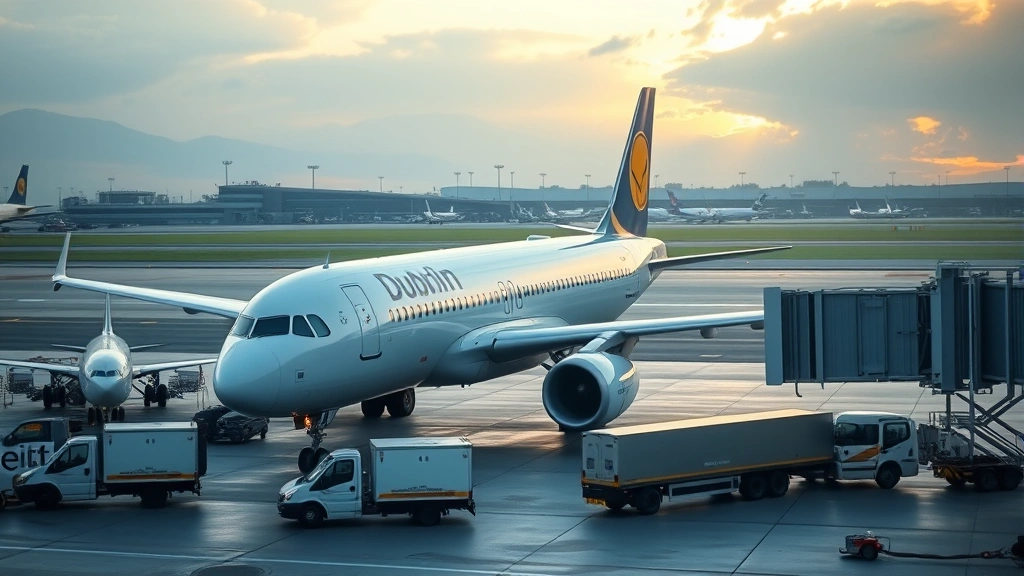
Emergency Landing Procedures: Pilot Insights on British Airways Flight Emergency Scotland
When a British Airways flight declared an emergency over Scotland, millions of travelers watched in real-time as trained pilots executed procedures most passengers never think about. The incident highlighted the remarkable sophistication of modern aviation safety protocols and the extraordinary skill required to manage critical situations at 30,000 feet. Understanding how pilots handle emergencies provides reassurance that commercial aviation remains one of the safest forms of transportation despite the inherent risks of flight operations.
Emergency landing procedures represent the culmination of decades of aviation research, regulatory oversight, and pilot training. When something goes wrong—whether it’s engine failure, hydraulic issues, or medical emergencies—the response follows established protocols designed to protect everyone aboard. This comprehensive guide explores the real-world procedures pilots use during emergencies, drawing insights from actual incidents and the expertise of aviation professionals who manage these critical moments.
Understanding Emergency Declaration and Communication
The moment a pilot recognizes a serious problem, immediate communication becomes critical. When the British Airways flight experienced difficulties over Scotland, the flight crew declared an emergency by broadcasting “Mayday” or “Pan-Pan” to air traffic control—standardized international distress signals that command immediate attention and priority handling. This declaration initiates a cascade of coordinated responses involving multiple agencies and facilities.
The “Mayday” call (used for life-threatening emergencies) or “Pan-Pan” call (for urgent but non-life-threatening situations) triggers specific protocols at air traffic control centers. Controllers immediately clear airspace, vector other aircraft away from the emergency flight’s path, and begin coordinating with emergency services on the ground. This communication is not casual—every word is chosen carefully and follows established phraseology to ensure clarity and understanding across language barriers.
Pilots receive extensive training in emergency communication, learning to remain calm while conveying critical information about their situation, aircraft status, number of passengers, and landing requirements. The ability to manage stress while communicating precisely separates experienced pilots from novices. During the Scotland emergency, professional communication between the flight crew and air traffic control exemplified this training in action.
When you’re planning flights across different regions, understanding that these safety systems operate globally provides peace of mind. Whether booking Boston to Washington DC flights or international journeys, the same communication protocols protect every passenger.
Pre-Landing Emergency Procedures
Once an emergency is declared, pilots immediately begin executing checklists specific to their aircraft type and the nature of the emergency. These aren’t suggestions—they’re mandatory procedures developed through years of engineering analysis and real-world incident investigation. A British Airways pilot facing an emergency would consult the aircraft’s emergency procedures manual, which contains step-by-step instructions for virtually every conceivable problem.
Emergency procedures typically involve several critical steps: assessing the problem’s severity, determining if the aircraft can safely continue to the destination or requires diversion, calculating fuel reserves, and identifying the most suitable landing location. For the Scotland incident, pilots had to rapidly evaluate whether the aircraft could reach a major airport or required an emergency landing at a closer facility.
The flight crew works as a coordinated team during emergencies. The captain makes final decisions while other crew members execute procedures, monitor systems, and manage passenger communication. Modern aircraft have multiple redundant systems—if one hydraulic system fails, backups exist. If one engine fails, the aircraft can continue flying on the remaining engine(s). These redundancies provide crucial safety margins during emergencies.
Pilots also manage fuel consumption during emergencies. If an engine fails or systems malfunction, the aircraft may burn fuel at different rates than normal. Calculating whether sufficient fuel exists to reach a suitable airport is a critical calculation that happens in real-time. Ground-based flight operations centers support this decision-making by providing weather information, runway status, and alternative airport options.
Runway Selection and Approach Planning
Selecting the appropriate runway for an emergency landing involves multiple considerations that pilots evaluate rapidly. The runway must be long enough for the aircraft’s emergency landing distance, which differs from normal landing distances. Weather conditions, wind direction, terrain, and available emergency equipment all factor into this decision.
During the British Airways Scotland emergency, air traffic control coordinated with multiple potential landing sites. Larger airports with extensive emergency medical facilities, fire suppression equipment, and rescue resources are preferred for emergencies. However, if the situation is critical, pilots may need to land at the nearest available runway regardless of size or facilities.
Approach planning during emergencies differs significantly from normal operations. Pilots request and receive priority handling, which means other traffic is diverted and the emergency aircraft receives direct routing to the selected runway. Air traffic control provides continuous updates on weather, runway conditions, and other aircraft positions. The approach itself may be at a shallower angle or steeper descent rate than normal, depending on the emergency circumstances.
Stabilization on approach is critical. Pilots must establish the aircraft in a stable configuration—correct altitude, speed, descent rate, and alignment with the runway—before beginning the final descent. If the aircraft becomes unstable, the pilot-in-command has authority to execute a go-around (abort the landing attempt) and circle for another approach attempt, even during emergencies.
Understanding how best airlines for long flights manage their operations provides insight into the infrastructure supporting emergency procedures. Major airlines maintain relationships with airports worldwide and have established protocols for emergency coordination.
” style=”width: 100%; max-width: 800px; height: auto;”>
Ground Support and Air Traffic Control Coordination
Emergency landings involve far more than just the flight crew. Air traffic control facilities coordinate multiple agencies: airport operations, emergency services, fuel trucks, maintenance crews, and medical personnel. When the Scotland emergency occurred, ground coordination was immediate and comprehensive.
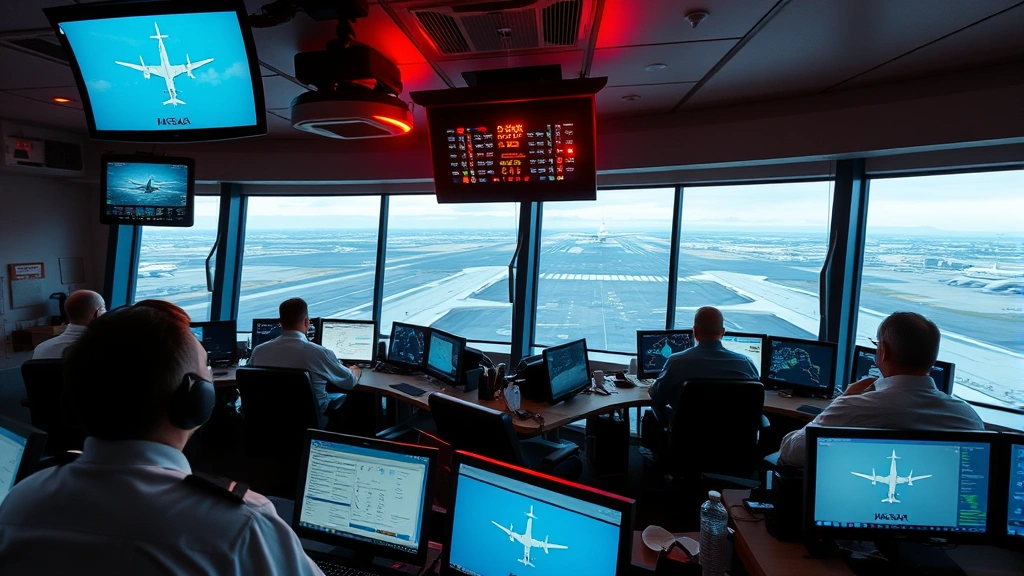
Air traffic control centers maintain emergency response plans and conduct regular drills to ensure all personnel understand their roles. When an emergency aircraft is inbound, controllers begin a systematic process: clearing the landing runway of all other traffic, positioning emergency vehicles near the runway, alerting medical facilities, and maintaining continuous communication with the aircraft.
The airport’s emergency services—fire and rescue crews—position equipment strategically along the runway and taxiway. Modern airports maintain specialized foam trucks and water cannons capable of suppressing aircraft fires. Ambulances and medical personnel stand ready at designated positions. This coordinated ground response happens within minutes of the emergency declaration.
For the British Airways flight, ground coordination involved Scottish aviation authorities, Highlands and Islands Airports Limited (HIAL), and local emergency services. The seamless coordination between flight crew and ground personnel exemplifies how modern aviation infrastructure protects passengers.
Air traffic control also manages other aircraft in the vicinity, preventing them from interfering with the emergency landing. Controllers vector traffic to alternate routes, delay departures if necessary, and ensure the emergency aircraft has clear airspace. This traffic management protects not only the emergency flight but also all other aircraft in the region.
Post-Landing Safety Protocols
The landing itself is just one phase of the emergency response. Once the aircraft touches down, pilots must execute landing procedures that may differ from normal operations. Emergency landings might involve extended landing distances, different braking techniques, or avoiding certain runway areas if damage is suspected.
After landing, the aircraft is typically directed to a remote parking area away from the terminal, allowing emergency services to assess the situation before passengers are evacuated. This precaution prevents potential hazards from affecting the airport’s normal operations and allows responders to evaluate the aircraft’s condition.
Evacuation procedures follow if necessary. Modern aircraft have multiple emergency exits, and flight attendants are extensively trained in evacuation procedures. Slides deploy automatically at most exits, and passengers are trained during safety briefings about evacuation procedures. The entire evacuation process is designed to move 300+ passengers from a large aircraft in under 90 seconds if necessary.
Medical personnel board the aircraft to assess passenger and crew condition. Even if no injuries occurred, emergency landings are traumatic events. Medical staff check passengers for shock, anxiety, or injuries sustained during the emergency or evacuation process. Those requiring medical attention receive immediate care, while others are processed through normal airport procedures.
Following the emergency, the aircraft is thoroughly inspected before returning to service. Maintenance engineers examine all systems, identify what caused the emergency, and verify that all damage is repaired. Only after comprehensive inspection and testing is the aircraft cleared for flight operations again.
Training and Certification Requirements
The competence displayed during emergency landings reflects years of intensive pilot training. Commercial airline pilots must complete thousands of hours of flight training, including significant time in flight simulators specifically designed to replicate emergency scenarios.
Pilot training includes emergency procedures for every system on the aircraft. Pilots learn to recognize system failures by their symptoms, understand the implications of each failure, and execute appropriate responses. This training occurs in progressive stages: initial training when learning to fly the aircraft type, recurrent training annually or every two years, and proficiency checks conducted by check airmen.
Flight simulators provide realistic emergency training without actual risk. Modern full-flight simulators recreate the aircraft’s behavior during emergencies with remarkable accuracy. Pilots practice engine failures, hydraulic failures, fire scenarios, medical emergencies, and numerous other situations. They learn to work as a coordinated crew, communicating effectively under stress while executing complex procedures.
Air traffic controllers also receive specialized training in emergency procedures. They conduct regular drills and participate in continuing education to maintain proficiency. Controllers learn to recognize emergency situations from pilot communications, provide appropriate assistance, and coordinate with ground services.
Cabin crew training includes emergency procedures, evacuation techniques, first aid, and crisis management. Flight attendants receive recurrent training every one to two years, with emphasis on safety procedures. This comprehensive training ensures that all crew members can respond effectively during emergencies.
When searching for cheap airline tickets to Europe, the extensive training requirements of European carriers provide assurance of safety standards. European Union Aviation Safety Agency (EASA) maintains rigorous training standards.
Modern Technology in Emergency Management
Contemporary aircraft incorporate advanced technology that aids emergency management. Glass cockpits display comprehensive system information, allowing pilots to quickly diagnose problems. Automated systems can detect failures and alert pilots immediately, sometimes before the pilots notice problems manually.
Modern aircraft also feature terrain awareness and warning systems (TAWS) that prevent controlled flight into terrain—a major accident cause historically. Weather radar provides real-time information about thunderstorms, allowing pilots to navigate around hazardous weather. Traffic collision avoidance systems (TCAS) alert pilots about nearby aircraft and suggest evasive actions if collision risk exists.
Communication systems have evolved dramatically. Satellite-based systems now provide connectivity even over remote ocean areas, allowing real-time data transmission between aircraft and ground operations centers. Airlines can monitor aircraft health continuously, identifying potential problems before they become emergencies.
The British Airways Scotland emergency benefited from these technological advances. Real-time communication between the flight crew and ground operations provided crucial support. Modern navigation systems allowed precise approach guidance, while automated systems provided alerts about aircraft status.
Future technology continues advancing emergency response capabilities. Artificial intelligence systems analyze aircraft performance data to predict potential failures. Advanced materials create more resilient aircraft structures. Electric and hybrid propulsion systems may offer different redundancy characteristics than traditional jet engines.

” style=”width: 100%; max-width: 800px; height: auto;”>
Understanding these technological systems provides reassurance about aviation safety. Whether you’re planning Atlanta to Las Vegas flights or international travel, modern aircraft incorporate multiple layers of protection.
The integration of technology with human expertise creates aviation’s safety culture. Pilots remain the ultimate decision-makers, but technology provides information and automation that enhances their ability to manage emergencies. This human-technology partnership has made commercial aviation progressively safer over decades.
FAQ
What does “declaring an emergency” actually mean for a flight?
Declaring an emergency means the pilot has determined that a situation exists that poses a potential threat to the aircraft or people aboard. This declaration immediately alerts air traffic control to provide priority handling, clear airspace, and coordinate ground emergency services. It doesn’t necessarily mean immediate danger, but rather that the situation requires heightened attention and resources.
How do pilots decide where to land during an emergency?
Pilots consider multiple factors: runway length, weather conditions, available facilities, proximity to medical services, and the specific nature of the emergency. Air traffic control provides support by offering options and updated information about various airports. The pilot-in-command makes the final decision based on what provides the safest outcome for everyone aboard.
Can commercial aircraft really continue flying with one engine?
Yes, modern multi-engine aircraft are certified to continue flying safely with one engine inoperative. Aircraft performance is reduced, but the remaining engines provide sufficient power for safe flight and landing. Pilots train extensively for single-engine operations to maintain proficiency.
How long does an emergency landing typically take from declaration to touchdown?
This varies greatly depending on the emergency’s nature and proximity to suitable airports. Some emergencies might be managed within 30 minutes, while others involving gradual system degradation might take hours. Pilots prioritize reaching a suitable landing location safely over speed.
Are passengers informed about emergencies during flight?
Flight crews typically provide passenger information appropriate to the situation. For serious emergencies, passengers are informed about the situation and landing plans. Flight attendants prepare passengers for emergency procedures if evacuation is possible. Communication is carefully managed to prevent panic while keeping passengers informed.
What happens to the aircraft after an emergency landing?
The aircraft undergoes comprehensive inspection and maintenance before returning to service. Engineers identify the cause of the emergency, repair any damage, and verify all systems function properly. The aircraft may be out of service for days or weeks depending on the extent of damage and required repairs.
For travelers interested in learning more about aviation operations and safety, visit the International Civil Aviation Organization (ICAO) website for comprehensive information about global aviation standards. The Federal Aviation Administration (FAA) provides detailed information about U.S. aviation safety regulations and procedures.
Emergency procedures represent aviation’s commitment to passenger safety. Every regulation, training requirement, and procedure exists because the industry learns from past incidents and continuously improves. When you book your next flight—whether it’s a quick regional hop or international journey—you’re protected by decades of accumulated safety knowledge and expertise. The British Airways Scotland emergency, like countless other incidents throughout aviation history, demonstrates that modern aircraft and trained crews are exceptionally well-equipped to manage challenging situations. This is why commercial aviation remains statistically the safest form of transportation available to travelers today.
For comprehensive travel planning resources, visit SkyVoyage Hub Blog for detailed guides on flight operations and travel safety. You can also explore strategies for booking airline tickets strategically to maximize value while flying on airlines with strong safety records.