Philippines Flight Cancellations: Latest Updates and Traveler Guide
Flight cancellations in the Philippines have become an increasingly common concern for both domestic and international travelers. Whether due to weather conditions, mechanical issues, or operational challenges, understanding how to navigate these disruptions is essential for anyone planning to travel to or within this Southeast Asian destination. The Philippine aviation industry handles millions of passengers annually, and while most flights operate smoothly, knowing your rights and options when cancellations occur can save you time, money, and significant stress.
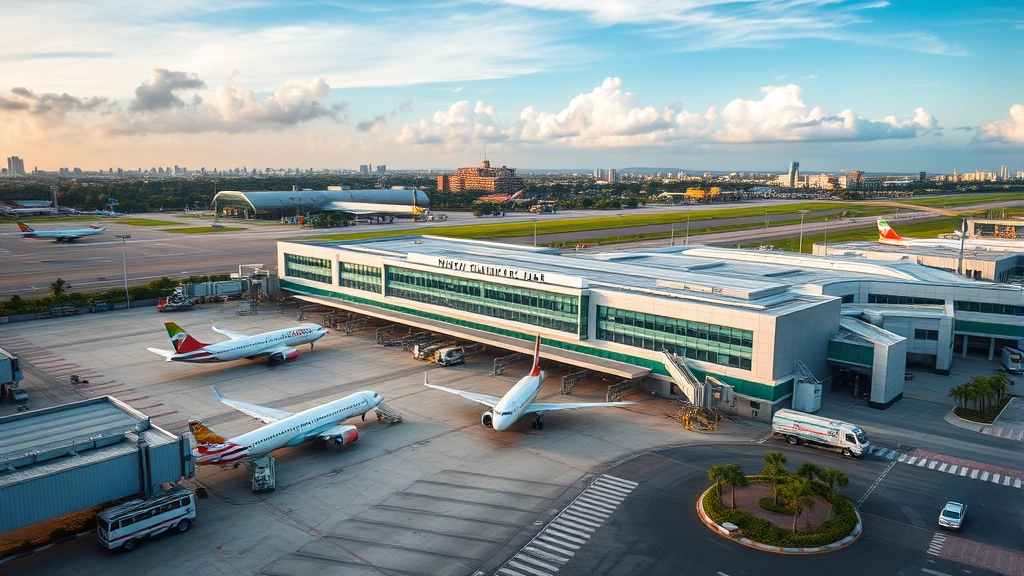
The Philippines, with its sprawling archipelago of over 7,600 islands, relies heavily on air travel for connectivity between regions. Major hubs like Ninoy Aquino International Airport (NAIA) in Manila serve as critical gateways for both domestic and international flights. When cancellations happen at these key airports, the ripple effects can impact hundreds of travelers and disrupt carefully planned itineraries. This comprehensive guide will help you understand the current situation, your rights as a passenger, and practical steps to take if your flight is cancelled.
Current Flight Cancellation Situation
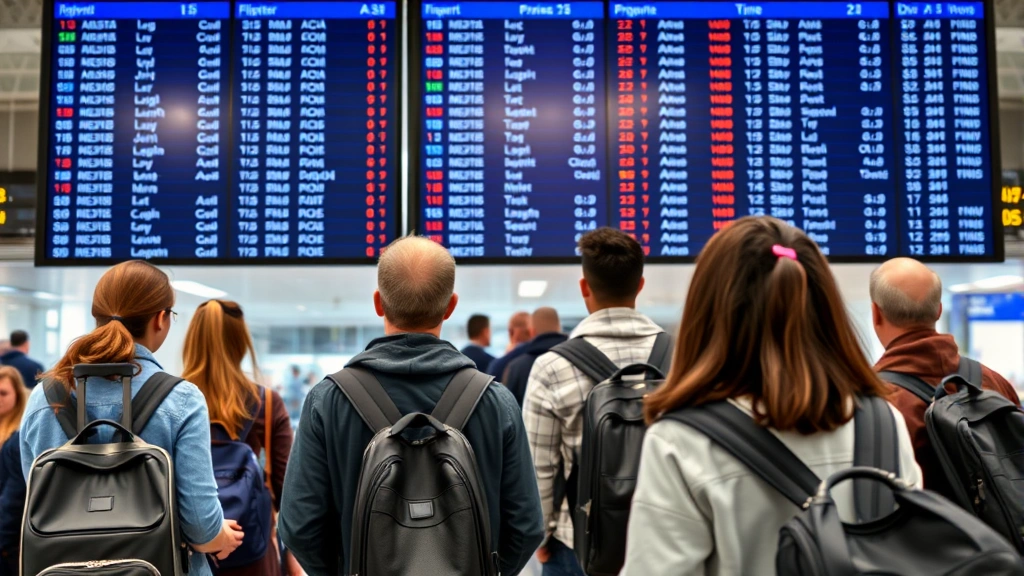
The Philippines has experienced notable fluctuations in flight cancellation rates over recent months. As of the latest reports, cancellations remain within manageable ranges for most major airlines, though peak travel seasons and monsoon periods bring increased disruption risks. The Civil Aviation Authority of the Philippines (CAAP) continues to monitor air traffic and safety protocols to minimize operational disruptions.
Manila’s NAIA remains the busiest airport in the country, handling approximately 45 million passengers annually. During peak seasons—particularly the Christmas holidays and summer vacation periods—cancellations can spike due to high demand and weather-related challenges. The airport has undergone significant infrastructure improvements, which has helped streamline operations, though capacity constraints during peak hours occasionally lead to delays and cancellations.
Regional airports such as Cebu’s Mactan-Cebu International Airport and Davao International Airport also experience cancellations, though typically at lower rates than Manila. These secondary hubs have become increasingly important as airlines expand their route networks to distribute passenger loads more effectively.
Common Reasons for Cancellations
Understanding why flights get cancelled helps you better anticipate potential disruptions and plan accordingly. Several factors contribute to cancellations in the Philippines:
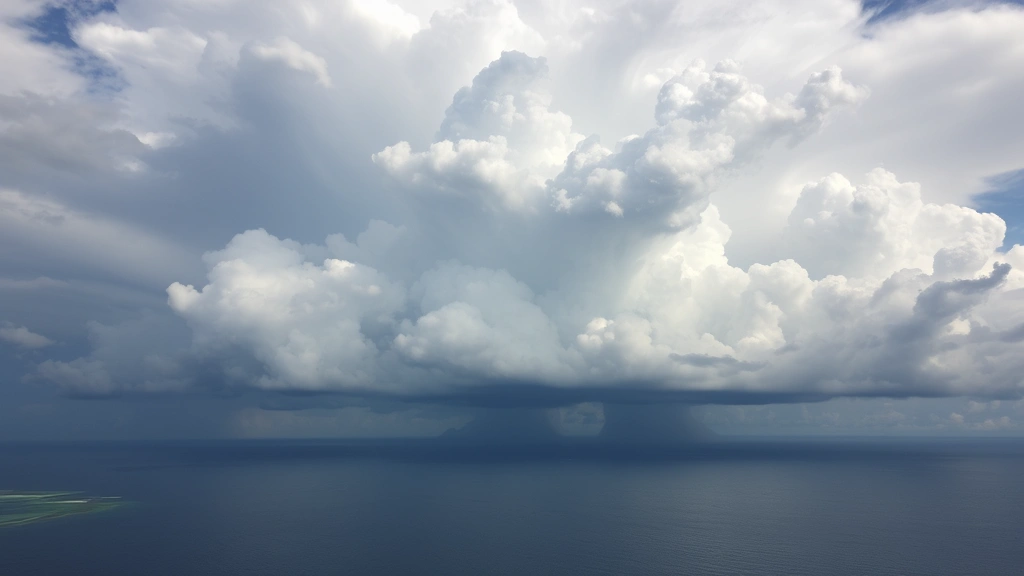
- Weather Conditions: Typhoons and monsoon rains are the primary weather-related culprits. The Philippine rainy season (June to November) and typhoon season create significant operational challenges. Strong winds, heavy rainfall, and poor visibility frequently trigger cancellations, especially for smaller aircraft serving regional routes.
- Mechanical Issues: Aircraft maintenance problems can necessitate cancellations when repairs cannot be completed quickly. Airlines prioritize passenger safety over schedule adherence, so mechanical cancellations, while inconvenient, reflect proper safety protocols.
- Crew Scheduling: Unexpected crew unavailability due to illness, delays on previous flights, or regulatory rest requirements can force cancellations when airlines cannot secure replacement crew members quickly.
- Air Traffic Control: System congestion at major hubs, particularly during peak hours, occasionally results in flight cancellations to manage airport capacity.
- Fuel Supply Issues: While rare, fuel supply disruptions or delivery delays can impact flight schedules.
- Security Concerns: Heightened security protocols or security incidents may occasionally lead to operational adjustments and cancellations.
Seasonal patterns show that cancellations peak during monsoon months (July-September) and the holiday travel season (December). If you’re planning travel during these periods, building in buffer time and considering travel insurance becomes especially important.
Your Passenger Rights
The Philippines, as a signatory to various international aviation agreements, provides passengers with specific protections when flights are cancelled. Understanding these rights empowers you to seek appropriate compensation and assistance.
Under Philippine law and international conventions, passengers are entitled to:
- Notification: Airlines must inform passengers of cancellations as soon as practicable, ideally before the scheduled departure time.
- Care and Assistance: For cancellations occurring with less than 24 hours’ notice, airlines must provide meals, refreshments, and accommodation if necessary. Communication assistance (phone calls or emails) should also be provided.
- Rebooking: Airlines must rebook you on the next available flight to your destination at no additional cost, or offer a full refund if rebooking isn’t feasible within a reasonable timeframe.
- Compensation: Depending on the cancellation’s cause and your flight distance, you may be entitled to compensation ranging from PHP 250,000 to PHP 600,000 under certain international regulations.
However, airlines may be exempt from compensation obligations if they can prove the cancellation resulted from extraordinary circumstances beyond their control, such as severe weather or security threats. This distinction is crucial when pursuing compensation claims.
For international flights departing from or arriving in the Philippines, EU Regulation 261/2004 may apply, potentially entitling you to compensation up to EUR 600 (approximately PHP 33,000-35,000) depending on flight distance and circumstances.
Airlines Operating in Philippines
Major airlines serving the Philippines include Philippine Airlines (PAL), Cebu Pacific Air, AirAsia Philippines, and various international carriers. Each airline maintains different policies regarding cancellations and compensation. Familiarizing yourself with your airline’s specific policies before traveling is prudent.
Philippine Airlines, the national carrier, operates the most extensive domestic network and maintains relatively high operational standards. Their website provides real-time flight status updates and cancellation notices.
Cebu Pacific Air, a budget carrier, serves numerous domestic and regional routes. As a low-cost airline, their rebooking policies may differ from full-service carriers, often emphasizing vouchers over cash refunds.
AirAsia Philippines focuses on budget travel with extensive regional connectivity. Their mobile app provides convenient flight status monitoring.
International carriers like Cathay Pacific, Singapore Airlines, and others operating to Philippine destinations maintain robust customer service protocols for cancellations.
When booking, consider the airline’s cancellation history and customer service reputation. Check recent reviews and operational data before committing to your booking. If flexibility matters, booking with airlines known for reliable operations and responsive customer service provides peace of mind.
Steps to Take When Flight Cancelled
If your flight is cancelled, acting promptly and strategically protects your interests and options. Here’s a detailed action plan:
- Verify Cancellation Status: Confirm the cancellation through official airline channels—their website, mobile app, or customer service hotline. Don’t rely solely on third-party sources or social media.
- Document Everything: Screenshot or photograph the cancellation notification, your booking confirmation, and any communications with the airline. These records prove invaluable when pursuing compensation.
- Contact Airline Immediately: Call the airline’s customer service line or visit their ticket counter. Explain your situation clearly and ask about available options before they become overwhelmed with other cancelled passengers.
- Understand Your Options: Airlines typically offer three options: rebooking on another flight, full refund, or travel credit. Evaluate each option based on your circumstances and timeline.
- Request Compensation: If eligible under applicable regulations, formally request compensation. Provide your booking reference, flight details, and documentation of the cancellation.
- Seek Care and Assistance: If the cancellation qualifies for airline-provided care (meals, accommodation, communication), request these services immediately.
- File Insurance Claims: If you have travel insurance covering flight cancellations, notify your insurer promptly with all required documentation.
Remaining calm and professional during these interactions significantly improves outcomes. Airlines are more responsive to courteous, organized passengers than those who are confrontational.
Rebooking and Compensation Options
When your flight is cancelled, understanding rebooking mechanics and compensation calculations ensures you receive fair treatment.
Rebooking Scenarios: Airlines will typically rebook you on their next available flight to your destination. If their own flights are full, they may book you on competitor airlines (though this varies by airline policy). For domestic flights within the Philippines, rebooking usually occurs within 24-48 hours. International flights may take longer depending on available capacity.
You have the right to refuse rebooking and demand a refund if the new flight significantly alters your plans or doesn’t meet your needs. Document your refusal and the airline’s response for potential compensation claims.
Compensation Calculation: Philippine regulations and international conventions determine compensation amounts based on:
- Flight distance (domestic vs. international)
- Cancellation notice timing (more notice = potentially less compensation)
- Whether extraordinary circumstances apply
- Passenger category (adults, children, infants)
For domestic flights cancelled with less than 24 hours’ notice, you may receive PHP 250,000-400,000 depending on the airline and specific circumstances. International flights potentially qualify for higher compensation under international treaties.
Compensation is separate from refunds. You can receive both a refund for unused services and compensation for inconvenience, provided you meet eligibility criteria.
Travel Insurance Considerations
Travel insurance significantly mitigates financial losses from flight cancellations. When selecting coverage for Philippine travel, prioritize policies explicitly covering flight cancellations and including generous reimbursement limits.
Essential Coverage Elements: Look for policies including trip cancellation coverage (reimburses prepaid costs if you must cancel), flight delay coverage (reimburses expenses after extended delays), and missed connection coverage (covers costs if cancellations cause you to miss connecting flights).
Review policy exclusions carefully. Most standard policies exclude cancellations due to “known circumstances” (weather conditions known before purchase) or pre-existing conditions. However, comprehensive policies sometimes include these exclusions’ exceptions.
Premium costs typically range from 3-8% of your total trip cost. For trips exceeding PHP 100,000, this investment proves worthwhile given potential losses from cancellations.
When purchasing insurance, consider the airline’s reputation and historical cancellation rates. If booking with budget carriers or traveling during monsoon season, insurance becomes especially valuable. The best times to book airline tickets often involve securing insurance simultaneously to ensure comprehensive protection.
Keep all insurance documentation accessible during your trip. When cancellations occur, promptly notify your insurer and submit required documentation (booking confirmations, cancellation notices, receipts for alternative arrangements) to expedite claims processing.
FAQ
What should I do immediately when I learn my Philippine flight is cancelled?
Contact your airline immediately through their official channels to understand available options. Document the cancellation, gather your booking confirmation and any communications, and ask about care and assistance entitlements. If eligible, request compensation details and your rebooking options.
Can I get a refund instead of rebooking when my flight is cancelled?
Yes, you have the right to request a full refund instead of rebooking. However, if the airline can rebook you within a reasonable timeframe to your destination, they may argue rebooking is the preferable option. Insist on your refund right if rebooking doesn’t suit your circumstances.
How long does compensation for cancelled flights typically take?
Compensation processing varies significantly. Airlines may take 2-6 weeks to process valid claims if they accept them voluntarily. If the airline disputes your claim, pursuing compensation through Philippine courts or international arbitration can take several months to years. Travel insurance claims typically process faster (4-8 weeks) than airline compensation claims.
Does travel insurance cover all flight cancellations?
Most standard travel insurance policies exclude cancellations due to “known circumstances” existing before purchase. However, they cover unexpected cancellations from mechanical issues, crew problems, or airline operational failures. Review your specific policy’s exclusions and coverage limits before relying on it.
What compensation am I entitled to for a cancelled domestic flight in Philippines?
Domestic Philippine flight cancellations typically entitle passengers to PHP 250,000-400,000 compensation, depending on the airline, notice timing, and whether extraordinary circumstances apply. You’re also entitled to meals, accommodation, and communication assistance if the cancellation provides less than 24 hours’ notice.
How can I monitor my flight status to catch cancellations early?
Check your airline’s official website and mobile app regularly, especially 24-48 hours before departure. Enable push notifications for flight status updates. Monitor weather forecasts for the Philippines during monsoon season (June-November) to anticipate potential disruptions. Subscribe to airline alerts for your specific flight route.
Are international airlines serving Philippines subject to different cancellation rules?
International flights departing from or arriving in the Philippines may fall under EU Regulation 261/2004 or other international conventions, potentially providing different compensation entitlements than domestic flights. International flights typically qualify for higher compensation (up to EUR 600) under these regulations. Verify which regulations apply to your specific flight route.
What’s the best way to book flights for multiple people to ensure I can get everyone rebooked if cancellation occurs?
Book all passengers under the same reservation when possible, as this simplifies rebooking logistics. Keep all booking confirmations and passenger details organized. When cancellations occur, contact the airline with your complete passenger list to ensure all travelers are rebooked together rather than separately.
Should I consider airline luggage restrictions when rebooking after cancellation?
Yes, different airlines have varying luggage policies. When rebooking, verify whether your baggage allowance transfers to the new airline. If rebooking involves a different carrier with stricter restrictions, you may need to adjust your luggage or pay excess baggage fees. Clarify this with the airline before accepting rebooking.
Where can I find official Philippine aviation authority information about flight cancellations?
The Civil Aviation Authority of the Philippines (CAAP) provides official information about aviation safety and operational standards. For real-time flight status and cancellation information, check individual airline websites and the NAIA official airport website. The Philippine Department of Tourism also provides travel advisories affecting flight operations.