Cheapest Chicago to San Francisco Flights: Expert Guide to Finding the Best Deals
Flying from Chicago to San Francisco is one of the most popular routes on the West Coast, connecting the Midwest’s largest hub with California’s tech capital. Whether you’re heading to the Bay Area for business, leisure, or to explore iconic landmarks like the Golden Gate Bridge, finding affordable flights can save you hundreds of dollars. This comprehensive guide reveals insider strategies, optimal booking windows, and practical tips that frequent travelers use to secure the cheapest Chicago to San Francisco flights.
The Chicago to San Francisco corridor sees intense competition among major carriers, which works in your favor. Airlines like United, Southwest, American, and Delta battle for market share on this lucrative route, creating opportunities for savvy travelers to find significant savings. Understanding how airlines price tickets, when to book, and which factors influence fares can mean the difference between paying $150 and $450 for the same flight.

Best Airlines for Chicago to San Francisco Flights
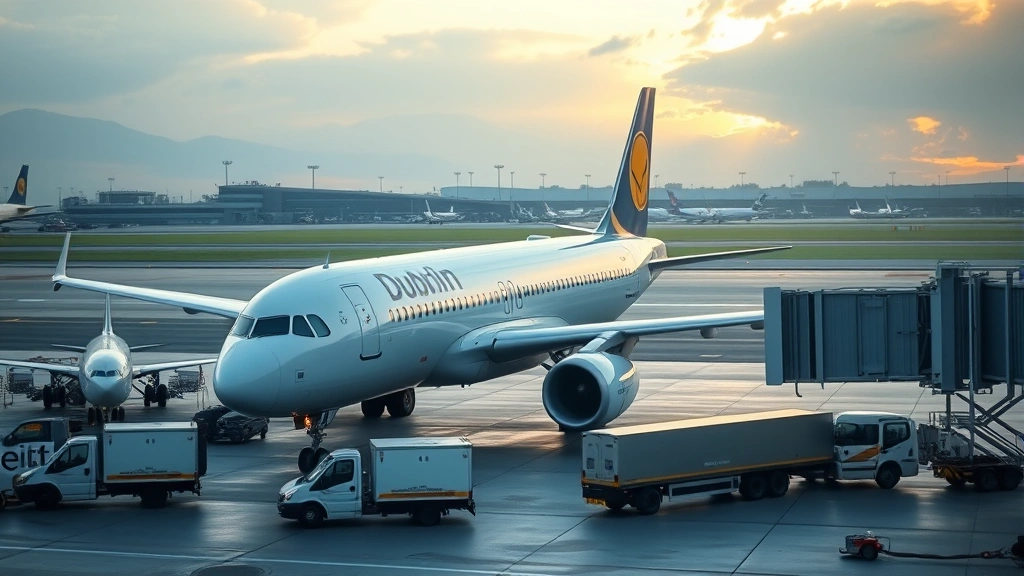
Several carriers dominate the Chicago to San Francisco route, each offering distinct advantages. United Airlines operates the most frequent flights from Chicago’s O’Hare International Airport, with multiple daily departures that provide flexibility in scheduling. United often offers competitive fares on this route and allows you to earn frequent flyer miles toward future travel.
Southwest Airlines consistently ranks among the cheapest options, particularly for leisure travelers. Their no-change-fee policy means you can modify your reservation without penalty, providing valuable flexibility. Southwest operates from Chicago Midway, which can sometimes offer cheaper fares than O’Hare due to lower landing fees. The airline’s two free checked bags policy is exceptional for travelers with luggage needs.
American Airlines provides excellent connectivity through Chicago’s major hubs and frequently matches competitor pricing during price wars. Delta Air Lines rounds out the major carriers, offering premium service options alongside economy fares. When comparing Chicago to San Francisco flights, always check all four carriers’ official websites simultaneously, as prices shift hourly.
For the most competitive pricing, use flight comparison tools that aggregate real-time data from multiple airlines. However, once you identify the best option, purchase directly from the airline’s website rather than third-party booking sites. This ensures you receive the airline’s full customer service protection and can modify your reservation without intermediary complications.
Optimal Booking Strategies and Timing
Timing your purchase is crucial when searching for cheap Chicago to San Francisco flights. The best times to book airline tickets varies by route, but general principles apply to this corridor. Industry research suggests booking domestic flights 1-3 months in advance yields optimal pricing. For Chicago to San Francisco, aim to book 6-8 weeks before your desired travel date when possible.
Day-of-week matters significantly. Tuesday and Wednesday departures from Chicago typically offer the cheapest fares, as business travelers prefer Monday and Friday flights. Flying mid-week rather than weekend generally saves 10-30% on your ticket price. Early morning departures (5:00-7:00 AM) often cost less than afternoon or evening flights, though this depends on your flexibility.
Price monitoring is essential. Set up Google Flights alerts for your desired route and dates. These notifications alert you when fares drop, allowing you to purchase at optimal moments. Track prices for at least two weeks before booking to understand normal fluctuations on the Chicago to San Francisco corridor. If you see fares below average for your dates, book immediately—deals rarely last long on popular routes.
Avoid booking during peak demand windows: the week before Thanksgiving, December 15-January 3, spring break (mid-March through early April), and summer vacation (June-August). These periods see inflated prices across all carriers. If your travel dates are flexible, shifting your trip by just 2-3 days can yield savings of $100-200 per ticket.
When booking flights for multiple people, use group booking features when traveling with 10+ passengers, as airlines offer group discounts. For smaller groups, book individual tickets but ensure everyone purchases within the same 24-hour window to capture consistent pricing.
Budget Airlines and Alternative Options
While major carriers dominate the Chicago to San Francisco route, budget alternatives deserve consideration. Southwest remains the most accessible low-cost option with frequent flights and transparent pricing. However, exploring alternative airports can unlock additional savings.
Frontier Airlines occasionally offers promotional fares on this route, though their basic economy model includes fees for carry-on bags and seat selection. Spirit Airlines similarly provides ultra-low base fares but charges for everything beyond a personal item. These carriers work best for minimalist travelers willing to accept restrictions for maximum savings.
Connecting flights present another avenue for savings. While direct flights are convenient, routing through Denver, Las Vegas, or Phoenix occasionally costs $50-100 less. The trade-off is increased travel time (typically 5-8 hours versus 5 hours direct), but for budget-conscious travelers, the savings justify the layover.
When evaluating budget options, calculate total trip cost including baggage fees, seat selection charges, and other add-ons. A seemingly cheap base fare becomes expensive when you add mandatory fees. Understanding airline carry-on baggage restrictions helps you avoid surprise fees when flying budget carriers.
Navigating Seasonal Price Variations
Chicago to San Francisco flights fluctuate dramatically by season. Summer (June-August) represents peak pricing, with fares often 50-100% higher than shoulder seasons. If possible, travel in May or early September when weather remains excellent but prices drop considerably.
Winter months (January-February, excluding holidays) offer some of the cheapest fares on this route. While San Francisco’s weather remains pleasant year-round, fewer leisure travelers visit during winter, reducing demand and prices. Business travel decreases in January after holiday season returns, further suppressing fares.
Spring (March-April, excluding spring break) and fall (September-October) represent ideal balance points—reasonable prices with pleasant weather in both cities. October offers particular value as summer crowds dissipate and fall foliage makes the Bay Area scenic. Thanksgiving week and the weeks before Christmas see premium pricing; traveling the week after Christmas through December 30 often offers better rates than immediately before the holiday.
San Francisco hosts major events that inflate prices: Fleet Week (October), Outside Lands Music Festival (August), and tech conferences throughout the year. Check the San Francisco Travel Association website to avoid high-demand periods if budget is your priority.
Airport Alternatives and Routing Tricks
Chicago offers two major airports: O’Hare International (ORD) and Midway International (MDW). While O’Hare is larger with more flight options, Midway sometimes offers cheaper fares and faster airport processes. Southwest operates extensively from Midway, often providing competitive pricing. Compare both airports when searching for Chicago to San Francisco flights, as pricing frequently differs by $30-80 per ticket.
San Francisco International (SFO) is the primary option, but Oakland International (OAK) and San Jose International (SJE) serve the Bay Area. Oakland lies about 45 minutes from downtown San Francisco and sometimes offers significantly cheaper fares. The cost savings must offset ground transportation expenses, but for budget travelers, this routing can yield $50-100 savings. Ground transportation from Oakland to downtown San Francisco costs approximately $10-15 via BART (Bay Area Rapid Transit).
Hidden city ticketing—purchasing a ticket to a connecting city cheaper than your actual destination—is technically possible but violates airline terms of service. Airlines use algorithms to detect and penalize this practice, potentially canceling return flights and banning you from the airline. We recommend against this approach despite its theoretical cost savings.
Positioning flights offer a legitimate alternative. Flying from Chicago to a cheaper connecting hub, then purchasing a separate ticket from that hub to San Francisco sometimes costs less than direct routing. This requires careful calculation, as baggage fees and potential missed connections add complexity. Use this strategy only when the savings exceed $150 and you have 2+ hour layovers.
Tools and Resources for Flight Comparison
Effective flight searching requires leveraging specialized tools. Google Flights provides excellent visualization of price trends, allowing you to see fares across entire months simultaneously. The calendar view reveals which days offer cheapest pricing, and price tracking sends alerts when fares change.
Kayak, Skyscanner, and Expedia aggregate flights from multiple carriers and third-party sellers. Set price alerts on multiple platforms—different tools sometimes display different fares due to partnerships and data delays. SkyVoyage Hub blog regularly publishes detailed guides on using these tools effectively for various routes.
Airline loyalty programs influence pricing for frequent flyers. If you fly Chicago to San Francisco regularly, joining United’s MileagePlus, Southwest’s Rapid Rewards, or American’s AAdvantage programs can yield significant savings through earned miles. Elite members receive priority boarding and sometimes access to cheaper fares.
Incognito browsing prevents airlines from tracking your search behavior and potentially increasing prices. Some websites adjust fares based on browsing history; using private browsing mode ensures you see base prices without manipulation. Clear browser cookies before searching for flights to reset any tracked behavior.
Money-Saving Tips for Group Travel
Traveling with colleagues or friends to San Francisco requires coordinating multiple bookings. How to book flights for multiple people strategically can unlock group discounts unavailable to individual travelers. Airlines offer group rates for 10+ passengers; contact airline group sales departments directly to negotiate pricing.
For smaller groups, book individual tickets within a narrow timeframe. Avoid booking one person’s ticket weeks in advance and others last-minute, as prices vary dramatically. Coordinate so all group members book within the same day or two to capture consistent pricing.
Consider package deals combining flights, hotels, and car rentals. Travel agencies and online packages sometimes offer better value than purchasing each component separately. Budget airlines’ partnerships with hotel chains can provide additional savings for bundled bookings.
Using corporate travel accounts or negotiating group rates through your employer can yield substantial discounts. Many companies have partnerships with specific airlines offering preferred pricing. Check with your HR or travel management department before booking.
Split payment strategies allow group members to book together. Some travelers book flights in pairs to access couple discounts or family fares not available for individual bookings. Verify airline policies before attempting this approach, as terms vary.
Pro Tip for Maximum Savings
Combine multiple strategies for optimal results. Book a Tuesday departure 6-8 weeks in advance during shoulder season (May or September) using a third-party comparison site to identify the best option, then purchase directly from the airline. This multi-factor approach typically yields 30-50% savings compared to booking last-minute or during peak season.
San Francisco Destination Guide
Understanding your destination helps optimize your trip timing and budget. San Francisco’s climate remains mild year-round (55-75°F), though summer brings famous fog. The Bay Area offers world-class attractions: the Golden Gate Bridge, Alcatraz Island, cable cars, and the Ferry Building Marketplace.
Check San Francisco’s official tourism board for current events and seasonal information. Major conferences and festivals impact hotel availability and prices; planning around these events can save money on accommodations even if flight prices remain constant.
Public transportation via BART connects the airport to downtown efficiently and affordably. The Clipper Card provides discounted transit fares across Bay Area public transportation. This reduces ground transportation costs compared to rideshare services, stretching your travel budget further.
Airline Safety and Service Comparison
While price is important, safety and service quality matter equally. All major carriers flying Chicago to San Francisco meet rigorous FAA safety standards. The Federal Aviation Administration maintains detailed safety records for all U.S. carriers.
Service quality varies by airline and fare class. Southwest’s friendly reputation and included baggage justify slightly higher prices for many travelers. United offers premium economy options bridging economy and business class. American provides excellent frequent flyer benefits. Delta consistently ranks high for on-time performance on this route.
Read recent passenger reviews on independent sites before booking. Current reviews better reflect actual experiences than historical data. Pay particular attention to comments about baggage handling, customer service, and on-time performance on the specific Chicago to San Francisco route.
FAQ
What’s the cheapest day to fly Chicago to San Francisco?
Tuesday and Wednesday departures typically offer the cheapest fares on this route. Mid-week flights cost 10-30% less than weekend departures due to reduced business travel demand. Early morning departures also cost less than afternoon or evening options.
How far in advance should I book Chicago to San Francisco flights?
Book 6-8 weeks before your desired travel date for optimal pricing. Monitoring fares for 2+ weeks before booking helps identify when prices are below average. Avoid booking more than 3 months in advance unless you have fixed dates and want guaranteed availability.
Are connecting flights cheaper than direct flights?
Sometimes. Routing through Denver, Las Vegas, or Phoenix occasionally costs $50-100 less than direct flights. Calculate total trip time (typically 5-8 hours with layover versus 5 hours direct) to determine if savings justify the inconvenience.
Should I use third-party booking sites or book directly with airlines?
Use comparison sites to identify the best option, then book directly with the airline. Direct booking ensures you receive full customer service protection and can modify reservations without intermediary complications.
What’s the best time of year to fly Chicago to San Francisco cheaply?
January-February (excluding holidays) and May offer the cheapest fares. Avoid summer (June-August), December 15-January 3, spring break, and major event periods. Fall (September-October) provides excellent balance of good weather and reasonable prices.
Is Southwest really cheaper for Chicago to San Francisco flights?
Southwest often offers competitive pricing and includes two free checked bags plus no change fees. While base fares may occasionally be higher than competitors, total trip cost often favors Southwest when baggage and flexibility are factored in.
Can I save money by flying into Oakland instead of San Francisco?
Potentially. Oakland International sometimes offers cheaper fares, but ground transportation to downtown San Francisco (approximately $10-15 via BART, 45 minutes) must be factored into calculations. The strategy works only when airfare savings exceed $50-100.