Cheapest Denver to Vegas Flights: Price Trends & Booking Guide
The Denver to Las Vegas route is one of the most popular short-haul flights in the western United States, attracting weekend travelers, business professionals, and adventure seekers year-round. Whether you’re heading to the Strip for entertainment, attending a conference, or exploring the natural wonders surrounding Sin City, finding affordable airfare is crucial to maximizing your travel budget. This comprehensive guide reveals current price trends, booking strategies, and insider tips to help you secure the cheapest Denver to Vegas flights available.
Las Vegas sits just 750 miles southwest of Denver, making it an ideal quick getaway destination. The flight typically takes around 2 hours, offering convenience that many travelers appreciate. However, prices fluctuate significantly based on demand, seasonality, and how far in advance you book. Understanding these patterns can save you hundreds of dollars on your ticket.
Current Price Trends for Denver-Vegas Flights
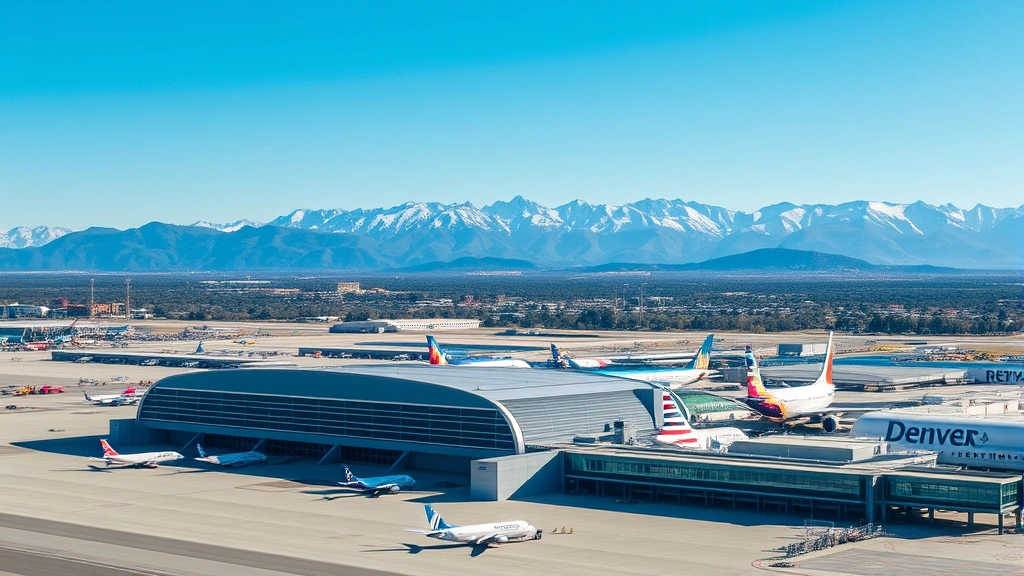
As of 2024, average round-trip fares from Denver International Airport (DEN) to Harry Reid International Airport (LAS) range between $150 and $350 for economy seats, depending on travel dates and booking timing. Direct flights dominate this route, with multiple daily departures from various carriers. Recent data shows that prices have stabilized after post-pandemic volatility, but they remain subject to weekly fluctuations tied to demand cycles.
One-way tickets typically cost between $75 and $200, with the lowest fares usually appearing on Tuesday and Wednesday departures. Weekend flights command a premium, particularly Friday evening departures and Sunday return flights, which can cost 40-60% more than midweek options. Early morning and late evening flights often offer better prices than afternoon departures, as business travelers typically prefer midday flights.
The Denver to Vegas route benefits from intense competition among carriers, which generally keeps prices competitive compared to other western routes. However, this same competition means fares change rapidly based on competitor pricing algorithms. Checking prices multiple times daily across different platforms can reveal sudden price drops that save significant money.
[IMAGE_1]
Best Times to Book Your Flight
Timing your booking strategically can dramatically impact the price you pay. According to the best times to book airline tickets guide, the Denver-Vegas route follows predictable booking patterns. Generally, booking 2-4 weeks in advance offers optimal pricing for this route. Booking more than 6 weeks ahead doesn’t necessarily guarantee lower fares, as airlines haven’t yet adjusted inventory based on demand signals.
Last-minute deals do occasionally appear, particularly on Tuesday and Wednesday afternoons, when airlines release flash sales to fill remaining seats. However, relying on last-minute bookings is risky—prices often increase as departure dates approach. The sweet spot remains 21-25 days before your intended travel date, when airlines have sufficient demand visibility but haven’t yet implemented peak pricing.
Tuesday and Wednesday nights typically offer the best prices for booking, as airlines adjust their pricing algorithms after weekend demand assessments. Set up price alerts on multiple booking platforms to capture these windows. Google Flights, Kayak, and Skyscanner all offer free alerts that notify you when prices drop significantly for your selected route and dates.
Airlines Operating This Route
Five major carriers operate between Denver and Las Vegas: Southwest Airlines, United Airlines, Delta Air Lines, Frontier Airlines, and Spirit Airlines. Each airline offers distinct advantages and price points. Southwest consistently provides competitive fares and includes two free checked bags with every ticket, which adds substantial value if you’re traveling with luggage. Their open seating policy means you can board strategically to secure better cabin positions.
United Airlines operates multiple daily flights on this route, offering various cabin classes and frequent flyer benefits. Their economy fares are often competitive, especially when booked through their website. Delta Air Lines provides reliable service with good on-time performance, though fares tend to be slightly higher than Southwest or Frontier. For budget-conscious travelers, Frontier Airlines offers rock-bottom base fares, though ancillary fees for seat selection, carry-on bags, and other services can add up quickly.
Spirit Airlines provides ultra-low-cost fares but charges separately for virtually everything beyond a personal item. While their advertised prices appear cheapest, actual out-of-pocket costs often exceed traditional carriers once fees accumulate. Comparing total ticket cost including all fees provides the most accurate price comparison. Visit official airline websites directly for the most current offers, as they sometimes provide exclusive deals unavailable through third-party booking sites.
Money-Saving Booking Strategies
Beyond timing and airline selection, several proven strategies reduce Denver-Vegas flight costs. First, be flexible with your exact travel dates. Shifting your departure by even one day can save $50-$150 on round-trip fares. If your schedule allows, avoiding Friday departures and Sunday returns saves considerable money. Tuesday through Thursday flights consistently offer the best pricing.
Second, consider booking one-way tickets separately rather than round-trip packages. While this seems counterintuitive, sometimes two one-way tickets purchased from different airlines cost less than bundled round-trip fares. Use price comparison tools to evaluate both options before purchasing. Third, clear your browser cookies before searching for flights repeatedly, as airlines sometimes adjust prices based on search history and perceived demand.
Fourth, explore flying into alternative Las Vegas airports if available, though Harry Reid International remains the primary commercial airport serving the metro area. Fifth, consider flying Denver to a nearby hub like Phoenix Sky Harbor (PHX) and driving to Las Vegas if the combined cost of the cheaper flight plus ground transportation falls below direct flight prices. This occasionally works for budget-conscious travelers, though time costs usually make it impractical.
Sixth, maximize loyalty programs if you fly frequently. United Airlines MileagePlus, Southwest Rapid Rewards, and Delta SkyMiles members accumulate points quickly on this popular route. Redeeming miles for flights often provides better value than purchasing tickets outright, especially during high-demand periods.
Seasonal Pricing Patterns
Las Vegas experiences distinct seasonal demand cycles that dramatically affect airfare pricing. Summer months (June-August) see peak pricing due to school vacations and warm weather tourism. Expect round-trip fares of $250-$350+ during these months. Fall (September-November) offers moderate pricing with occasional deals as summer demand subsides. Winter holidays (mid-December through early January) rank among the highest-priced periods as people travel for celebrations and New Year’s festivities.
Spring (March-May) provides excellent value, particularly April and early May when school is still in session but summer hasn’t begun. Average fares during spring often drop to $150-$220 for round-trips. January and February, excluding holiday periods, offer some of the year’s lowest fares as winter weather discourages casual travel. Super Bowl weekend and March Madness create temporary price spikes when major events occur in Vegas.
Understanding these patterns allows strategic planning around your travel flexibility. If you have discretion over when to visit Vegas, planning trips during shoulder seasons (late April-May or September-October) maximizes savings while still enjoying pleasant weather and acceptable crowd levels at attractions.
Alternative Airports and Options
While Denver International Airport (DEN) is the primary departure point for Denver-area travelers, those in surrounding regions might consider alternatives. Colorado Springs Airport (COS) lies about 90 minutes south of Denver and occasionally offers competitive fares on Vegas routes, particularly with budget carriers. However, the drive time and ground transportation costs usually offset any airfare savings.
For those willing to drive further, Fort Collins-Loveland Airport (FNL) and Pueblo Memorial Airport (PUB) occasionally offer deals, though flight frequency on the Vegas route is limited. Most Denver residents find that DEN’s central location and abundant flight options make it the most practical choice despite occasionally higher base fares.
Consider ground transportation at both ends to maximize savings. Denver’s RTD light rail connects DEN to downtown Denver for $11, eliminating expensive airport parking or rideshare costs. Las Vegas has similar public transit options, though rideshare services like Uber and Lyft often provide better convenience for tourists unfamiliar with the city. Budget these ground transportation costs when comparing total trip expenses.
Maximizing Loyalty Programs
Frequent flyers on the Denver-Vegas route should prioritize loyalty program enrollment to accumulate benefits over time. Southwest Rapid Rewards members earn points on every flight that never expire, providing long-term value even for occasional travelers. United MileagePlus and Delta SkyMiles offer similar benefits with additional perks like free checked bags, priority boarding, and seat upgrades for elite members.
Many credit cards affiliated with these programs offer sign-up bonuses worth thousands of miles, effectively providing free or heavily discounted flights. For travelers planning multiple Vegas trips within a year, applying for a co-branded airline credit card often pays for itself through bonus miles and ongoing earning. However, evaluate annual fees against your usage patterns to ensure genuine savings.
Award flights on the Denver-Vegas route typically require 5,000-7,500 miles for one-way economy tickets during off-peak periods, making this an ideal redemption for frequent flyers building their accounts. During peak periods, mile requirements increase to 10,000-12,500 miles, but still provide value compared to cash purchases. Combining miles with small cash payments (“cash and points” bookings) sometimes offers better value than miles alone.
For more comprehensive airline information, review our article on best airlines for long flights to understand carrier-specific benefits. While the Denver-Vegas route is relatively short, these principles apply to maximizing value across your travel portfolio.
FAQ
What is the cheapest day to fly from Denver to Las Vegas?
Tuesday and Wednesday consistently offer the lowest fares on the Denver-Vegas route. Avoid Friday, Saturday, and Sunday departures if possible, as weekend travel commands 30-60% price premiums. Early morning (6-8 AM) and late evening (9 PM+) flights typically cost less than midday options.
How far in advance should I book my Denver to Vegas flight?
Book 2-4 weeks in advance for optimal pricing on this route. Booking more than 6 weeks ahead rarely yields savings, while booking within 2 weeks usually results in higher fares. Set up price alerts to capture sudden drops when they occur.
Are budget airlines cheaper than traditional carriers on this route?
Budget carriers like Frontier and Spirit offer lower base fares but charge separately for seat selection, carry-on bags, and checked luggage. Compare total ticket cost including all fees before assuming budget airlines provide the best value. Southwest’s included baggage often makes them competitive with budget carriers even at higher base fares.
What’s the average flight time from Denver to Las Vegas?
The flight typically takes approximately 2 hours, making it one of the quickest cross-country routes. Direct flights are standard on this route, with no connections necessary.
Do I need to book round-trip or can I book one-way tickets separately?
You can book either way. Sometimes purchasing two one-way tickets from different airlines costs less than round-trip packages. Always compare both options before purchasing to identify the most economical approach for your specific travel dates.
What’s the best way to find price drops for this route?
Set up price alerts on Google Flights, Kayak, and Skyscanner. Check prices on Tuesday and Wednesday nights when airlines adjust pricing algorithms. Clear your browser cookies before searching to avoid inflated prices based on search history. Subscribe to airline newsletters for flash sales and exclusive deals.
Should I book directly with airlines or through third-party booking sites?
Prices are typically identical across platforms, but booking directly with airlines sometimes provides additional flexibility for changes and better customer service. Third-party sites like Google Flights and Kayak offer convenient price comparison and alert features. Choose based on your priorities regarding flexibility versus convenience.
Can I save money with connecting flights instead of direct flights?
Connecting flights on the Denver-Vegas route are rare and typically cost more due to longer travel time. Direct flights dominate this route, and the short distance makes connections impractical. Stick with direct flights for both cost and convenience.
For additional travel planning insights, check out our SkyVoyage Hub Blog for comprehensive travel guides and tips. If you’re interested in other Denver routes, explore our coverage of Denver to Dallas flights for comparison insights. For longer journeys, consult our essential tips for long-haul flights guide.
The Denver-Vegas route offers excellent value for travelers who book strategically and remain flexible with their travel dates. By applying these proven strategies, comparing all available options, and monitoring prices consistently, you can secure tickets at or below average market rates. Whether you’re heading to Vegas for business or pleasure, these insights help maximize your travel budget and ensure a smooth journey on one of the West’s busiest and most reliable air routes.