Why Flights Divert? Denver to Colorado Springs Insights
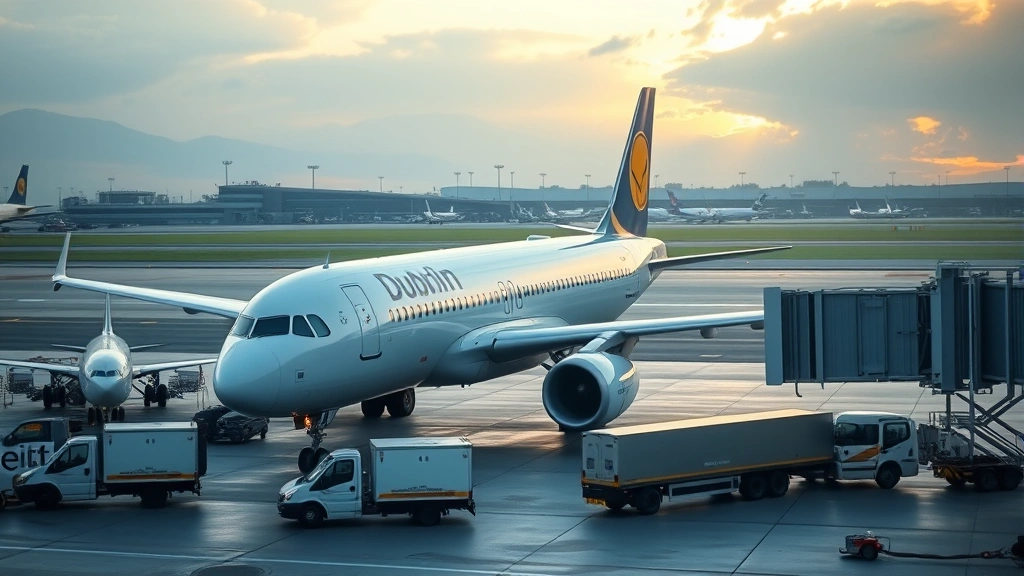
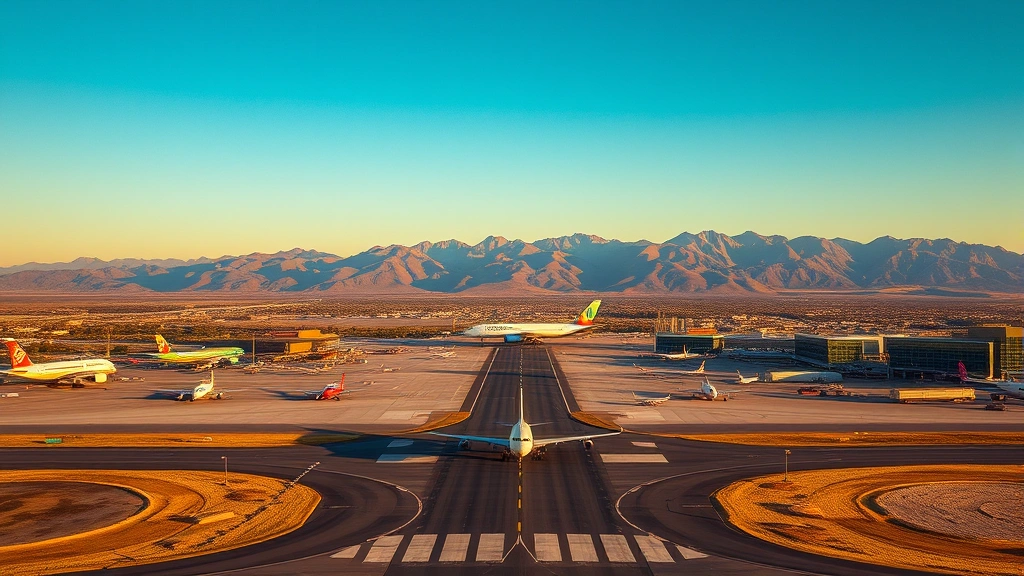
Flight diversions represent one of aviation’s most frustrating yet necessary safety protocols, and the Denver to Colorado Springs route provides fascinating insights into why airlines change course mid-flight. While this short 81-mile corridor between Denver International Airport (DEN) and Colorado Springs Airport (COS) rarely experiences full diversions due to its brevity, understanding diversion mechanics helps travelers appreciate the complex decision-making that occurs in commercial aviation every single day.
Whether you’re planning a trip on this popular regional route or simply curious about aviation operations, this comprehensive guide explores the scientific, regulatory, and practical reasons flights divert, with specific attention to factors affecting the Denver-Colorado Springs corridor and surrounding airspace.

Understanding Flight Diversions
A flight diversion occurs when an aircraft changes its intended destination and lands at an alternate airport instead. This decision, made by the captain in consultation with air traffic control and airline dispatch, prioritizes safety above all other considerations. Understanding aviation industry standards helps contextualize why these events happen more frequently than many travelers realize.
The Federal Aviation Administration (FAA) maintains strict protocols governing diversion decisions. Pilots are trained extensively to recognize situations requiring diversions, and modern aircraft are equipped with sophisticated systems that provide real-time data about destination conditions, fuel reserves, and mechanical status. For the Denver to Colorado Springs route specifically, diversions are statistically rare given the short flight time, typically 45 minutes to one hour, but they do occur under specific circumstances.
Airlines must balance multiple competing factors: passenger safety, fuel efficiency, aircraft maintenance schedules, crew duty time regulations, and economic considerations. A diversion decision represents the captain’s professional judgment that continuing to the original destination poses unacceptable risk. Once a diversion is declared, it becomes non-negotiable—no commercial consideration can override safety protocols established by the FAA.
Weather-Related Diversion Factors
Weather represents the primary reason for flight diversions across all routes, and the Denver-Colorado Springs corridor experiences unique meteorological challenges. The region’s high altitude—Denver sits at 5,280 feet while Colorado Springs reaches 6,145 feet—creates distinctive weather patterns that pilots must monitor constantly.
Severe thunderstorms present the most significant weather-related diversion trigger. Colorado’s Front Range, where both airports operate, experiences intense convective activity during spring and summer months. When thunderstorms develop rapidly or intensify unexpectedly along the flight path, pilots may be unable to navigate around them safely. Modern weather radar aboard aircraft provides excellent visibility, but severe turbulence, hail, and lightning hazards can make continued flight inadvisable.
Wind shear represents another critical weather consideration. This phenomenon, involving sudden changes in wind speed or direction, can occur at various altitudes and poses particular challenges during landing approaches. Colorado Springs Airport, positioned at higher elevation with surrounding terrain features, experiences wind shear conditions more frequently than some lower-altitude airports. If wind shear is reported during approach, pilots must execute a go-around and either attempt another approach or divert to an alternate airport.
Visibility conditions, including fog, snow, and dust storms, can reduce ceiling and visibility below minimums required for landing. Denver’s position in the high plains makes it vulnerable to blowing dust and snow events, particularly during winter and spring. When visibility drops below landing minimums, diversions become mandatory. The Federal Aviation Administration establishes specific visibility requirements based on runway instrumentation and aircraft capabilities.
Icing conditions, both structural and engine icing, require constant vigilance. Aircraft are equipped with anti-icing systems, but severe icing can overwhelm these protections. Pilots receive real-time reports from other aircraft ahead regarding icing encounters, allowing them to request altitude changes or diversions before entering dangerous conditions.
Mechanical and Technical Issues
Aircraft mechanical problems, detected either before departure or during flight, necessitate diversions to the nearest suitable airport. Modern aircraft are remarkably reliable, but the complexity of systems involved means occasional issues arise. Understanding these technical factors helps travelers recognize that diversions represent mature decision-making rather than excessive caution.
Engine problems constitute the most serious mechanical triggers for diversions. While modern commercial aircraft engines are extraordinarily reliable, issues like oil pressure fluctuations, fuel flow anomalies, or unusual vibrations require immediate investigation on the ground. Pilots follow strict procedures when engine parameters deviate from normal ranges, and diverting to the nearest airport becomes the appropriate response.
Hydraulic system issues present another critical concern. Aircraft hydraulic systems power flight controls, landing gear, and braking systems. Any indication of hydraulic fluid loss, pressure abnormality, or system malfunction requires landing at the nearest suitable airport. The redundancy built into modern aircraft means most hydraulic problems are manageable, but they necessitate landing to prevent potential emergency situations.
Electrical system failures, pressurization issues, or fire warnings demand immediate action. Fire detection systems aboard aircraft are extraordinarily sensitive, and any fire warning—even false alarms—requires landing immediately. Pressurization system failures mean the aircraft cannot maintain safe cabin altitude, necessitating descent to lower altitudes where diversions become necessary.
Landing gear problems, whether actual malfunctions or uncertainty about proper extension, frequently trigger diversions. Pilots cannot risk landing with uncertain landing gear status, so they divert to airports equipped with emergency equipment and trained personnel. These situations, while dramatic, are handled routinely by modern aviation infrastructure.
Air Traffic Control and Airspace Constraints
Air traffic control decisions significantly influence flight routing and occasionally necessitate diversions. The Denver metropolitan area contains complex airspace including multiple military training routes, restricted areas, and busy civilian corridors. Controllers manage this intricate environment constantly, and occasionally routing changes require diversions.
Congestion at destination airports can lead to diversions when arrival slots aren’t available. If Colorado Springs Airport experiences unexpected congestion or runway closures, Denver-bound aircraft may be directed to hold patterns or diverted to alternate airports. This is less common on the short Denver-Colorado Springs route but can occur during peak periods or emergency situations.
Temporary flight restrictions (TFRs) established for security, safety, or special events can affect normal routing. When TFRs impact approach corridors, air traffic control may issue amended clearances requiring diversions. These restrictions are announced well in advance when possible, but emergency TFRs can be established suddenly.
Military operations occasionally impact civilian airspace. Restricted areas and military training routes must be avoided, and when these areas are activated unexpectedly, diversions may become necessary. The FAA Air Traffic Organization coordinates these activities, but occasional routing changes occur.
Runway closures at destination airports force immediate diversions. Whether due to maintenance, accidents, or emergency vehicles on the runway, unavailable runways mean aircraft cannot land as planned. Colorado Springs Airport occasionally closes runways for maintenance or emergency response, requiring affected flights to divert to Denver or other nearby airports.
Medical and Safety Emergencies
Medical emergencies aboard aircraft frequently trigger diversions to the nearest suitable airport. While cabin crew are trained in first aid and defibrillation, serious medical situations require ground medical support. The captain must balance the severity of the medical emergency against the diversion time, fuel reserves, and distance to suitable airports.
Cardiac events, severe injuries, childbirth complications, and severe allergic reactions represent typical medical emergencies requiring diversions. Modern aircraft carry medical kits and defibrillators, and crew members receive extensive training, but serious medical situations demand professional medical intervention available only on the ground.
Unruly passenger situations occasionally necessitate diversions. When passengers become threatening or violent, diverting to the nearest airport allows law enforcement to remove the individual and ensures safety for crew and other passengers. These diversions, while less common than medical emergencies, represent necessary safety responses.
Security threats, whether actual or suspected, require immediate diversion. If crew members detect suspicious activity or receive credible security information, diverting to the nearest airport with appropriate security infrastructure becomes mandatory. These situations are handled with utmost seriousness and professional protocols.
Denver to Colorado Springs Specific Considerations
The Denver-Colorado Springs corridor presents unique operational characteristics affecting diversion likelihood. This short route, operated by regional carriers and occasionally by major airlines, experiences specific environmental and operational factors worth understanding.
Terrain considerations significantly impact this route. Both airports sit at high elevation with mountainous terrain surrounding the corridor. The Rocky Mountain foothills create wind patterns and weather systems that differ from lower-altitude routes. Pilots flying this route regularly develop intimate familiarity with these characteristics, allowing them to make informed decisions about weather encounters.
The proximity of these airports actually reduces diversion likelihood compared to longer routes. With only 45 minutes to one hour of flight time, many developing problems can be addressed by returning to Denver rather than continuing to Colorado Springs. This short distance means pilots have flexibility unavailable on longer routes.
Military airspace in the region requires constant awareness. Fort Carson, Peterson Space Force Base, and Cheyenne Mountain provide military training and operations areas that occasionally affect civilian routing. However, these areas are well-integrated into civilian air traffic management, and diversions due to military airspace are rare.
Seasonal weather patterns significantly influence this route. Winter brings heavy snow and icing conditions, spring brings severe thunderstorms and wind, and summer brings occasional afternoon convection. Understanding these seasonal patterns helps travelers appreciate why diversions cluster during certain months.
The Colorado Springs tourism board and Denver tourism authority both provide weather information helpful for flight planning. Checking these resources before travel helps travelers understand current conditions affecting operations.
Passenger Rights and Compensation
When flights divert, passengers have specific legal rights regarding compensation and accommodations. Understanding these rights helps travelers navigate diversion situations effectively. Flight pricing and compensation represent important considerations for modern air travelers.
Diversions caused by airline decisions rather than weather or safety issues may entitle passengers to compensation under Department of Transportation regulations. When airlines divert due to mechanical issues, crew scheduling problems, or other operational factors, passengers can claim compensation.
However, diversions caused by weather, air traffic control decisions, or genuine safety emergencies typically don’t trigger compensation obligations, as these fall under force majeure exceptions. Airlines must still provide accommodations, meals, and communication, but monetary compensation isn’t required.
Airlines must provide regular updates about diversion reasons and expected resolution times. Passengers deserve clear communication about why the diversion occurred and what happens next. Modern airlines use mobile alerts, in-flight announcements, and ground crew briefings to keep passengers informed.
Accommodations must be provided if diversion delays require overnight stays. Airlines must offer hotel accommodations, meals, and ground transportation when diversions strand passengers overnight. These obligations exist regardless of compensation eligibility.
Checking airline service quality helps travelers choose carriers known for handling disruptions professionally. Reading reviews and comparing airlines provides insight into how carriers manage diversions and passenger communication.
Travelers should document all expenses related to diversions, including meals, accommodations, and ground transportation. These expenses may be reimbursable depending on diversion circumstances and airline policies. Keeping receipts and detailed records supports reimbursement claims.
The Department of Transportation’s Aviation Consumer Protection Division provides resources for passengers experiencing flight disruptions. This agency enforces passenger rights regulations and investigates complaints about airline treatment during diversions.
Practical Tips for Diversion Navigation
Travelers can take several steps to minimize diversion impacts and handle these situations effectively. First, book flights that provide connection buffers, allowing flexibility if your inbound flight diverts. This reduces missed connection stress.
Stay informed about weather conditions before flying. Checking weather forecasts for both Denver and Colorado Springs helps travelers understand diversion likelihood. Severe weather forecasts suggest possible disruptions worth anticipating.
Arrive at the airport early, giving yourself buffer time for unexpected situations. Early arrival reduces stress if your flight experiences mechanical issues requiring maintenance before departure.
Download airline apps and enable push notifications. Airlines announce diversions and disruptions through mobile apps, ensuring you receive timely information. These apps also provide updated flight status continuously.
Know your passenger rights before flying. Understanding compensation eligibility and accommodation obligations helps you advocate effectively if diversions occur. The Department of Transportation website provides comprehensive passenger rights information.
Keep important documents accessible. Passport, identification, and booking confirmation should be easily retrievable if you need to rebook through alternative routes or airlines after diversions.
Maintain realistic expectations about connections. When connecting through Denver, allow at least two hours for domestic connections and three hours for international connections. This buffer protects against diversion impacts on your onward journey.
Consider travel insurance for important trips. Travel insurance covers various disruption scenarios, including diversions that cause missed connections or overnight delays. This protection provides peace of mind for critical travel.
The Modern Diversion Landscape
Aviation has become remarkably safe through rigorous adherence to protocols like diversion procedures. Modern aircraft provide pilots with exceptional data about conditions ahead, allowing informed decision-making. Diversion statistics remain extraordinarily low relative to the billions of flight operations annually.
Technology continues improving diversion management. Real-time weather data, advanced flight planning systems, and enhanced communication between pilots, dispatch, and air traffic control reduce unexpected diversions. Predictive analytics help identify potential issues before they escalate to diversion-level problems.
Airlines invest heavily in crew training for diversion scenarios. Pilots practice diversion procedures regularly in simulators, ensuring they can execute these operations flawlessly when necessary. This training emphasis reflects aviation’s safety-first culture.
The Denver-Colorado Springs route specifically benefits from modern infrastructure and experienced crew bases. Regional carriers operating this route employ pilots with extensive high-altitude and mountain flying experience. This expertise reduces diversion likelihood through superior weather and terrain assessment.
Looking forward, booking strategies and flight planning will continue evolving. As airlines implement more sophisticated disruption prediction systems, they’ll anticipate potential diversions and proactively modify routes or adjust schedules to prevent disruptions.
FAQ
How often do flights divert on the Denver to Colorado Springs route?
Diversions on this short route are statistically rare. The 45-minute flight time provides minimal opportunity for developing problems, and most issues are addressed through departure delays rather than diversions. Industry data suggests fewer than 1% of flights experience diversions, with most occurring due to severe weather.
What’s the most common reason flights divert?
Weather represents the primary diversion cause across all routes. Severe thunderstorms, wind shear, poor visibility, and icing conditions account for the majority of diversions. Mechanical issues and medical emergencies represent smaller but significant portions of diversion causes.
Can I get compensation if my flight diverts?
Compensation depends on diversion cause. Weather and safety-related diversions typically don’t trigger compensation, as these qualify as force majeure exceptions. Diversions caused by airline operational issues may entitle you to compensation under Department of Transportation regulations.
What happens to my luggage if my flight diverts?
Airlines must transport your checked luggage to your ticketed destination, even if your flight diverts. This occurs automatically through airline systems. Diverted passengers retrieve luggage at the diversion airport if they need items, or luggage continues to the original destination.
How long can a diversion delay be?
Diversion delays vary dramatically depending on circumstances. Some diversions involve brief refueling stops before continuing, lasting an hour or less. Others requiring mechanical repairs or weather delays can extend for several hours or overnight, depending on the issue severity and repair requirements.
Are diverted flights rebooked automatically?
Airlines automatically rebook diverted passengers on the next available flight to their original destination. This occurs through airline systems, though passengers can request alternative routing if preferred. Airlines must provide accommodations and meals for overnight delays.
Should I purchase travel insurance to protect against diversions?
Travel insurance can be valuable if your trip involves important connections or time-sensitive activities. While diversions are rare, insurance provides peace of mind and covers expenses related to missed connections or overnight delays caused by diversions.