
Local Discovery Flights: Pilot Recommendations for First-Time Flyers
A discovery flight represents one of the most exhilarating experiences available to aviation enthusiasts and curious travelers alike. Whether you’ve dreamed of piloting an aircraft or simply want to experience flying from a completely new perspective, a discovery flight near you offers an accessible entry point into the world of aviation. These introductory flights, typically lasting 30 to 60 minutes, allow passengers to sit in the cockpit, handle the controls under professional supervision, and witness breathtaking aerial views of their local landscape.
Discovery flights have become increasingly popular across the United States and beyond, with flight schools and aviation centers operating in nearly every region. From scenic coastal routes to mountainous terrain, these experiences cater to various interests and comfort levels. Professional pilots who conduct these flights emphasize safety, education, and unforgettable memories as core components of their service. This comprehensive guide explores everything you need to know about finding, preparing for, and maximizing your discovery flight experience.
What Is a Discovery Flight?
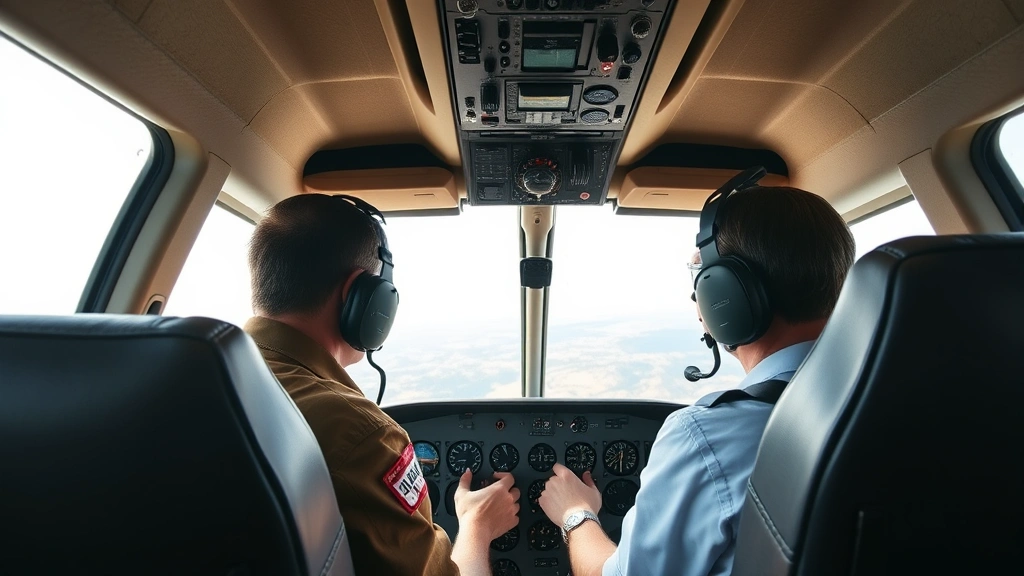
A discovery flight, also known as an introductory flight or trial flight, is a structured aviation experience designed to introduce non-pilots to the fundamentals of flying. During this experience, you’ll board a small aircraft—typically a Cessna 172, Piper Archer, or similar single-engine plane—with an experienced certified flight instructor. The instructor handles takeoff and landing while allowing you to control the aircraft during stable, level flight conditions.
These flights serve multiple purposes. For some, they represent a stepping stone toward pursuing a pilot’s license. For others, they’re simply a thrilling adventure and a unique way to see familiar landscapes from an entirely new vantage point. The educational component is significant; instructors explain aircraft systems, navigation principles, and the physics of flight while maintaining an engaging, accessible presentation style.
Unlike commercial airline flights where you’re a passive passenger, discovery flights place you in an active role. You’ll sit in the left seat (the pilot’s position), handle the control yoke, and experience the genuine responsibility of controlling an aircraft. This hands-on involvement creates a profound sense of accomplishment and understanding that passive observation simply cannot replicate.
Finding Discovery Flights Near You
Locating a quality discovery flight in your area requires knowing where to look and what questions to ask. Start by searching for local flight schools, fixed-base operators (FBOs), and aviation centers in your region. Most communities with a public or private airport offer at least one flight instruction service.
Online directories and platforms dedicated to discovery flights make the search straightforward. Websites specializing in aviation experiences allow you to filter by location, aircraft type, duration, and price. These platforms often include instructor reviews, aircraft specifications, and customer testimonials that help you make informed decisions.
Direct contact with local airports provides another excellent avenue. Call the airport’s main office or visit their website to request information about flight schools and discovery flight providers. Airport staff can recommend reputable operators and explain the specific aircraft and routes available in your area.
Recommendations from the aviation community carry significant weight. Online aviation forums, local flying clubs, and aviation social media groups frequently discuss discovery flight providers. Pilots and enthusiasts within these communities offer candid assessments of instruction quality, aircraft maintenance, and overall experience value.
When evaluating providers, verify that instructors hold current certifications from the Federal Aviation Administration (FAA). Check that aircraft undergo regular maintenance inspections and that insurance coverage is comprehensive. Reading customer reviews on multiple platforms provides balanced perspectives on what to expect.
Expert Pilot Recommendations
Experienced pilots consistently emphasize several key factors when recommending discovery flights to potential participants. These recommendations stem from years of instruction experience and genuine commitment to passenger safety and satisfaction.
Choose morning flights whenever possible. Weather conditions tend to be more stable in early morning hours, and visibility is typically superior. Morning flights also mean fresher, more alert instructors who can provide better instruction and more engaging commentary about the landscape below.
Select scenic routes aligned with your interests. Some discovery flights follow coastal routes with ocean views, while others traverse mountain ranges, rivers, or urban landscapes. Discuss route options with your instructor before booking. Consider what scenery excites you most and ensure your chosen provider offers flights through those areas. For those interested in understanding broader aviation topics, exploring our comprehensive SkyVoyage Hub Blog can enhance your aviation knowledge.
Communicate your comfort level honestly. Instructors adjust flight characteristics based on passenger preferences. If you prefer gentle maneuvers and steady flight, inform your instructor. Conversely, if you’re interested in experiencing turns and basic aerobatics (within safe parameters), experienced instructors can accommodate that request. Honest communication ensures the experience matches your expectations.
Arrive well-rested and hydrated. Flying requires mental engagement and physical awareness. Proper rest and hydration enhance your ability to absorb instruction and enjoy the experience. Avoid heavy meals immediately before flight, as motion sensitivity can increase on a full stomach.
Ask detailed questions during your pre-flight briefing. Professional instructors expect and encourage questions. Understanding aircraft systems, navigation instruments, and flight procedures deepens your appreciation for what you’re experiencing. This knowledge transforms the flight from a simple joyride into an educational adventure.
Bring appropriate documentation. You’ll need a valid government-issued photo ID. Some providers may request additional information for liability and insurance purposes. Confirm documentation requirements when booking.
Preparation and What to Expect
Proper preparation significantly enhances your discovery flight experience. Understanding what to expect reduces anxiety and allows you to focus on enjoyment and learning.
Physical preparation begins days before your flight. Ensure adequate sleep the night before. Avoid alcohol for at least 12 hours prior to flight (this is actually an FAA regulation). On the day of your flight, eat a light breakfast or lunch, avoiding heavy or unfamiliar foods that might cause discomfort.
Mental preparation involves reviewing basic information about aircraft and flight principles. Many providers send pre-flight materials explaining what you’ll experience. Reading these materials familiarizes you with terminology and concepts, making the in-flight instruction more meaningful.
Clothing considerations matter more than many people realize. Wear comfortable, casual clothing that allows freedom of movement. Avoid loose items that might fall into aircraft systems. Closed-toe shoes are essential for safety. Layers work well because cabin temperatures can vary, and you might experience minor temperature changes during altitude changes.
The pre-flight inspection process typically lasts 15-30 minutes. Your instructor will conduct a thorough walk-around inspection of the aircraft, checking fuel levels, tire condition, control surfaces, and various external components. You’re welcome to follow along and ask questions. This inspection demonstrates the meticulous safety standards that aviation professionals maintain.
The briefing covers emergency procedures, aircraft systems, communication protocols, and your specific flight plan. Don’t hesitate to ask for clarification on any points. Professional instructors appreciate engaged, curious participants.
During the flight itself, you’ll experience takeoff (usually handled by the instructor), climb to cruising altitude, a period of level flight where you’ll control the aircraft, and descent and landing (again instructor-controlled). The entire experience typically lasts 60-90 minutes from arrival to departure.
Cost Considerations and Booking
Discovery flight costs vary based on aircraft type, flight duration, location, and instructor experience. Understanding pricing helps you budget appropriately and assess value.
Typical pricing ranges span from $150 to $400 for a one-hour discovery flight. Single-engine aircraft like Cessna 172s typically cost less than high-performance aircraft or twin-engine planes. Longer flights (90 minutes or more) cost proportionally more but provide extended flight time and potentially longer scenic routes.
Factors affecting price include fuel costs, instructor compensation, aircraft maintenance reserves, insurance, and facility overhead. Providers in popular tourist destinations or metropolitan areas often charge premium prices compared to rural flight schools. Seasonal demand also influences pricing; summer months typically cost more than winter.
Package deals and gift certificates sometimes offer better value than single flights. Some providers bundle discovery flights with additional training toward a pilot’s license, effectively reducing per-hour costs. Gift certificates make excellent presents for aviation enthusiasts, though booking flexibility varies by provider.
Booking strategies to save money include booking during off-peak times (weekday mornings), booking further in advance, and asking about any available discounts. Some providers offer reduced rates for groups or first-time flyers. Always confirm what’s included in the quoted price—some providers include photography or video recording, while others charge extra.
Cancellation policies vary significantly. Understand the provider’s weather cancellation policy, refund procedures, and rescheduling options before booking. Weather-related cancellations are common and legitimate; providers should offer rescheduling at no additional cost.
Understanding why flights cost what they do provides broader context for aviation pricing structures generally. Additionally, learning the best times to book flights for savings can help you strategize your discovery flight booking for optimal value.
Safety Protocols and Requirements
Safety represents the absolute foundation of professional aviation. Discovery flight providers maintain rigorous safety standards that exceed regulatory minimums.
FAA regulations govern all aspects of discovery flights. Aircraft must meet strict maintenance requirements and undergo regular inspections. Instructors must hold valid commercial pilot licenses or higher certifications with current medical certificates. Insurance coverage protects both providers and participants.
Aircraft maintenance follows documented schedules with meticulous record-keeping. Every flight hour is logged, and components are replaced or overhauled according to manufacturer specifications. You can request to see maintenance logs before your flight—reputable providers welcome this transparency.
Medical requirements are minimal for discovery flights. You must be in generally good health. Certain conditions like severe heart disease, uncontrolled high blood pressure, or severe ear/sinus problems might require medical clearance. Discuss any health concerns with your provider when booking.
Age and weight restrictions vary by aircraft. Most single-engine planes accommodate passengers from ages 5-6 and up, with no upper age limit for healthy individuals. Weight and balance calculations ensure safe aircraft operation; providers will ask your weight to confirm the aircraft remains within specifications.
Emergency procedures are thoroughly briefed before flight. While emergencies are extraordinarily rare in general aviation, instructors explain what would happen in various unlikely scenarios. This knowledge provides confidence and understanding rather than anxiety.
Weather considerations are paramount. Responsible providers cancel or reschedule flights when weather conditions fall below safe minimums. This might feel inconvenient, but it demonstrates genuine commitment to safety. Trust providers who cancel rather than push questionable weather.
Popular Scenic Routes by Region
Discovery flight experiences vary dramatically depending on your geographic location. Different regions offer unique scenery and aviation experiences.
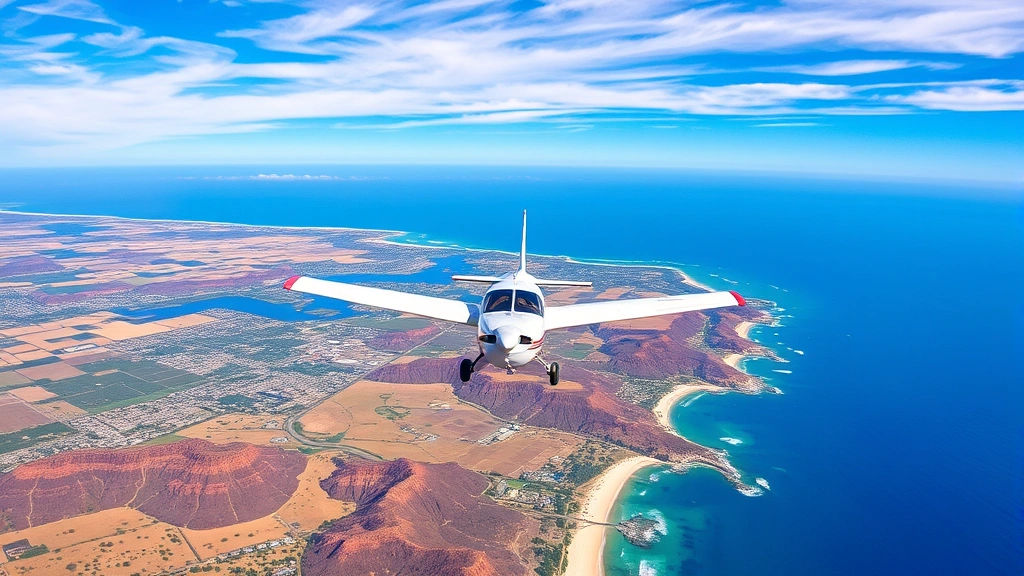
Coastal regions provide spectacular ocean views, beach communities, and maritime landscapes. Discovery flights along coasts often follow shorelines, allowing views of coastal cities, beaches, and ocean features. California, Florida, and the Carolinas offer exceptional coastal discovery flight options.
Mountain areas present dramatic scenery and interesting flying challenges. Rocky Mountain routes showcase peaks, valleys, and alpine lakes. Appalachian routes offer foliage displays and winding river valleys. Mountain flights provide thrilling perspectives on terrain that’s difficult to appreciate from ground level.
Urban and metropolitan areas allow you to see familiar cities from completely new vantage points. Flying over your hometown reveals patterns, infrastructure, and geography invisible from ground level. Major cities like New York, Los Angeles, Chicago, and Denver offer fascinating aerial perspectives. Understanding major flight corridors like Denver to New York provides context for commercial aviation routes you’ll observe from your discovery flight.
Desert regions showcase vast, open landscapes with unique geological formations. Arizona, Utah, and Nevada offer discovery flights over canyons, mesas, and desert terrain that appears otherworldly from the air.
Rural and agricultural areas provide peaceful flights over farmland, forests, and small communities. These flights often feel more intimate and personal, with opportunities to see how landscapes are organized and utilized.
Consider your interests when selecting a route. Photographers might prefer scenic routes with varied terrain. History enthusiasts might enjoy flights over historic regions. Nature lovers might prefer routes through national forests or near wildlife areas.
FAQ
How long does a discovery flight actually last?
Most discovery flights last 60 to 90 minutes total, including pre-flight briefing, inspection, the actual flight (typically 45-60 minutes), and post-flight debrief. The actual airtime is usually 45-60 minutes, depending on your provider and the package you select.
Can I actually control the aircraft during a discovery flight?
Yes, absolutely. You’ll control the aircraft during stable, level flight conditions at cruising altitude. The instructor handles takeoff and landing for safety reasons, but you’ll experience genuine aircraft control during the flight’s main portion.
What happens if I feel sick during the flight?
Motion sickness affects fewer than 5% of discovery flight participants. If you’re concerned, inform your instructor before flight. They can adjust flight characteristics to minimize motion. Avoid heavy meals beforehand, take deep breaths, and focus on the horizon if you feel queasy. Instructors carry motion sickness bags as a precaution.
Do I need any special training or certifications before a discovery flight?
No. Discovery flights require no prior aviation knowledge or training. The instructor handles all technical aspects and provides all necessary education during the flight.
What’s the difference between a discovery flight and flying lessons?
A discovery flight is an introductory experience designed to introduce aviation and allow you to experience flying. Flight lessons are structured training toward earning a pilot’s license. Many people take a discovery flight first to determine if they’re interested in pursuing formal flight training.
Can I bring a camera or phone on a discovery flight?
Yes, most providers allow personal cameras and phones. Confirm policies with your provider beforehand. Some providers offer professional photography services as well. Secure any items so they don’t fall into aircraft systems.
What happens in bad weather?
Flights are typically rescheduled if weather conditions fall below safe minimums. Reputable providers maintain strict weather minimums and won’t compromise safety for convenience. You’ll be rescheduled at no additional cost.
How do I know if a discovery flight provider is legitimate and safe?
Verify that instructors hold current FAA certifications, check aircraft maintenance records, read customer reviews on multiple platforms, and confirm insurance coverage. Contact local aviation authorities if you have questions about a provider’s legitimacy. The FAA’s website provides resources for verifying instructor credentials.
Is there an age limit for discovery flights?
Most providers accommodate children as young as 5-6 years old, with no upper age limit for healthy individuals. Confirm age requirements with your specific provider.
Can I combine a discovery flight with other aviation experiences?
Some providers offer packages combining discovery flights with other experiences like simulator training or ground school instruction. Ask your provider about available options and bundled pricing.
What should I do after my discovery flight?
If you enjoyed the experience and want to continue, discuss flight training options with your instructor. If you’re simply seeking a memorable experience, congratulations—you’ve accomplished something extraordinary. Many people find discovery flights so meaningful that they pursue pilot training, while others simply treasure the memory of flying their own aircraft.
Discovery flights represent a gateway into aviation—whether that gateway leads to a pilot’s license or simply to a cherished memory depends entirely on your interests and circumstances. Either way, the experience of controlling an aircraft and seeing your world from the sky creates memories that endure for a lifetime. For additional aviation insights and travel information, explore our guide to the best airlines for long flights and other aviation resources. Consider contacting the Federal Aviation Administration for regulatory information, consulting the Aircraft Owners and Pilots Association for community recommendations, checking AirNav for local airport information, visiting your local National Transportation Safety Board resources for safety information, or exploring adventure travel platforms for discovery flight packages. Your discovery flight awaits—find one near you today and experience aviation from an entirely new perspective.


