Long Flight Diversions? Expert Recommendations for Smooth Travel
Flight diversions on long-haul routes represent one of aviation’s most challenging scenarios for both passengers and crew. When unexpected weather, mechanical issues, or medical emergencies force an aircraft to land at an unscheduled destination, the experience can feel chaotic and stressful. Understanding what happens during a diversion, your passenger rights, and how to prepare yourself can transform a potentially frustrating situation into a manageable travel interruption.
Whether you’re a frequent business traveler or planning your dream international vacation, knowing how to handle a diversion on a long flight is essential knowledge. This comprehensive guide explores expert recommendations from aviation professionals, airline operators, and experienced travelers who’ve navigated these situations successfully. We’ll cover everything from understanding why diversions happen to practical strategies for staying comfortable and informed when your flight takes an unexpected detour.
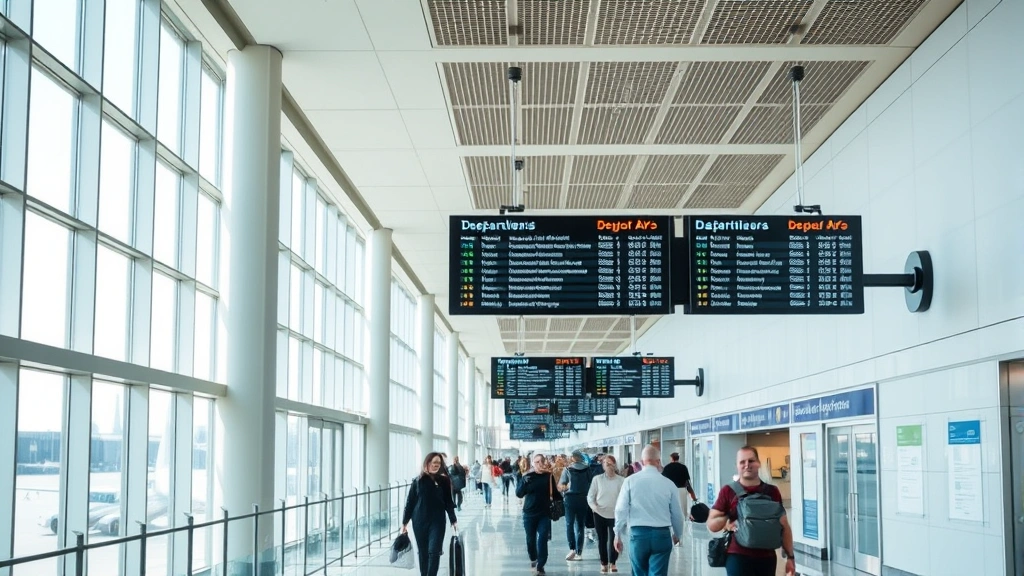
Why Airlines Divert Long-Haul Flights
A diversion on a long flight occurs when an aircraft lands at an airport other than its intended destination. Contrary to popular belief, this isn’t a failure—it’s a safety success. Airlines and pilots prioritize passenger safety above all else, and diversions represent the system working exactly as designed. Understanding the rationale behind these decisions helps passengers appreciate the professionalism involved.
Long-haul flights spanning 8 to 15+ hours traverse vast distances over oceans, deserts, and remote terrain. This extended exposure increases the statistical probability of encountering situations requiring diversion compared to shorter regional flights. Modern aircraft are engineered with redundant systems and sophisticated navigation capabilities, but when issues arise far from the destination, the nearest suitable airport becomes the priority.
Airlines maintain detailed diversion protocols and pre-positioned resources at strategic hub airports worldwide. These facilities are equipped to handle unexpected arrivals, provide passenger services, and address mechanical issues. When pilots declare a diversion, they’re implementing procedures refined through decades of aviation experience and international safety standards set by aviation authorities like the International Civil Aviation Organization (ICAO).
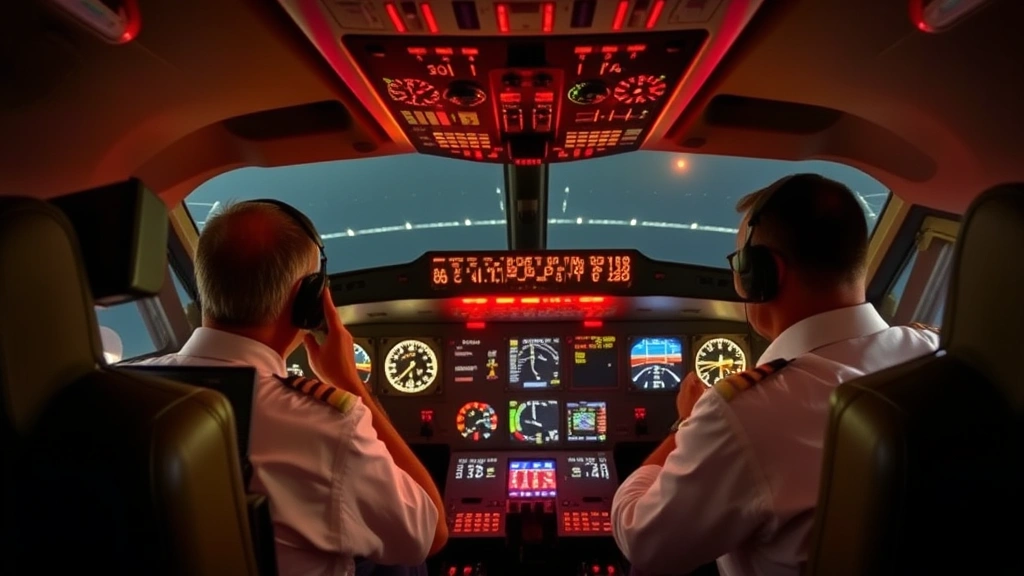
Common Diversion Triggers and Scenarios
Weather-related diversions represent the most frequent category, accounting for roughly 40-50% of all diversions. Severe thunderstorms, volcanic ash clouds, extreme wind conditions, or unexpected fog can make landing at the scheduled destination unsafe. Pilots receive real-time weather briefings throughout the flight, and if conditions deteriorate unexpectedly, they’ll seek the nearest airport with suitable weather conditions.
Medical emergencies trigger approximately 20-30% of diversions on long-haul flights. When a passenger or crew member experiences a serious health crisis—cardiac events, severe allergic reactions, or complications requiring immediate hospitalization—the flight crew doesn’t hesitate to divert. Modern aircraft maintain comprehensive medical kits and crew training, but some situations demand ground-based medical facilities.
Mechanical and technical issues account for 15-25% of diversions. While modern aircraft rarely experience catastrophic failures, issues like hydraulic system anomalies, engine parameter variations, or avionics malfunctions require immediate inspection. Pilots follow strict procedures: if an issue can’t be safely managed, they divert to the nearest appropriate airport.
Security concerns, though rare, occasionally necessitate diversions. Disruptive passengers, suspicious items, or security threats result in immediate diversion to allow law enforcement intervention. Essential tips for long haul flights include understanding airline security protocols.
Air traffic control constraints and runway closures at the destination airport can force diversions. When major airports experience unexpected runway damage, equipment failures, or congestion, aircraft already airborne must land elsewhere.
Fuel considerations sometimes necessitate diversions when headwinds or delays consume more fuel than anticipated. Rather than risk fuel-critical situations, pilots divert to the nearest suitable airport to refuel and reassess.
Passenger Rights During Flight Diversions
Your rights during a diversion depend on several factors: the flight’s origin and destination, the airline’s jurisdiction, and the specific circumstances. The European Union’s Regulation 261/2004 provides comprehensive protections for flights departing from EU airports or operated by EU carriers, regardless of destination.
Under EU regulations, passengers are entitled to care and assistance during diversions, including meals, refreshments, accommodation if overnight delays result, and communication facilities. Airlines must provide written information about passenger rights immediately or within two weeks following the diversion.
In the United States, the Department of Transportation (DOT) enforces passenger protection rules. While diversions themselves don’t automatically trigger compensation, if the diversion causes delays exceeding certain thresholds, you may be entitled to compensation depending on the circumstances.
Compensation eligibility varies globally. EU passengers on delayed flights may receive €250 to €600 depending on flight distance, unless the airline proves extraordinary circumstances (weather, security threats, air traffic control decisions) caused the diversion. Best airlines for frequent flyers often have superior diversion management and passenger care protocols.
Always request written confirmation of the diversion from airline staff. Document the flight number, diversion airport, reason provided, and any expenses incurred. This documentation supports future compensation claims if applicable.
Practical Tips for Staying Comfortable During Diversions
When your long flight experiences a diversion, maintaining physical and mental comfort becomes crucial. Hydration is your first priority—cabin air is extremely dry, and stress compounds dehydration. Drink water consistently throughout the diversion process, even before thirst indicates dehydration.
Movement and stretching prevent blood clots and reduce muscle stiffness. If the aircraft is on the ground during the diversion, use the opportunity to walk the terminal, stretch your legs, and restore circulation. If remaining airborne during diversion procedures, perform in-seat exercises: ankle circles, shoulder rolls, and seated twists.
Mental preparation significantly impacts how you experience a diversion. Accept that the situation is temporary and that airline crew are trained professionals managing the situation appropriately. Avoid catastrophizing—diversions are routine operational procedures that happen thousands of times annually without incident.
Entertainment and distraction help pass time during extended diversions. Download movies, audiobooks, or podcasts to your device before travel. Engage in conversation with fellow passengers, read, or practice meditation. Some travelers find breathing exercises remarkably effective for managing anxiety.
Comfort items make substantial differences during unexpected ground stops. Travel with a neck pillow, eye mask, compression socks, and a change of clothes in your carry-on. These items become invaluable if a diversion extends into an overnight stay.
Medication management deserves attention. If you take medications requiring specific timing or storage conditions, inform flight attendants immediately during a diversion. They can facilitate access to medical facilities or help ensure proper medication storage.
Communication and Information During Diversions
Clear communication from the flight crew transforms uncertainty into understanding. Modern aircraft maintain constant contact with airline operations centers and air traffic control throughout diversions. The captain will typically address passengers once the situation stabilizes, explaining the reason for diversion, expected timeline, and next steps.
Listen carefully to crew announcements and don’t hesitate to ask flight attendants for clarification. They receive real-time updates and can explain what’s happening in passenger-friendly terms. Crew members understand passenger anxiety and appreciate professional, respectful inquiries.
Monitor airline communications once on the ground. Airlines typically issue updates through multiple channels: in-airport announcements, airline website updates, mobile app notifications, and social media. Follow your airline’s official social media accounts and website for accurate, timely information.
Connect with airline ground staff at the diversion airport. Customer service representatives can explain passenger rights, arrange accommodations if necessary, and provide rebooking information. Don’t be shy about approaching them with questions—they’re there to assist.
Request contact information for the airline’s passenger assistance team. If you experience issues or have concerns during the diversion, having direct contact details enables faster resolution. SkyVoyage Hub Blog regularly covers airline customer service practices and passenger experience topics.
Documentation and Compensation Claims
Proper documentation is essential if you intend to pursue compensation or reimbursement for diversion-related expenses. Photograph everything: boarding passes, diversion airport signage showing the location, receipts for meals or accommodations, and any written communications from airline staff.
Collect written statements from airline representatives. Ask gate agents to document the diversion reason in writing. Request boarding passes or baggage tags showing the diversion airport. These documents substantiate your claim if compensation becomes necessary.
Keep all receipts for expenses incurred during the diversion: meals, accommodation, ground transportation, communication costs (phone calls, internet), and medication. Organize receipts chronologically and note which expenses resulted directly from the diversion.
Record passenger names and contact information from fellow passengers if you discuss the diversion. Corroborating testimonies strengthen compensation claims, particularly regarding airline conduct or inadequate passenger care.
Document delays and timeline meticulously. Note the scheduled arrival time, actual arrival time, and total delay duration. Calculate any consequential damages: missed connections, hotel cancellations, meeting delays, or lost business opportunities.
Submit compensation claims within applicable timeframes. EU regulations typically require claims within 2-3 years, while other jurisdictions have different deadlines. Don’t delay—evidence degrades and memories fade with time.
Preparing for Potential Diversions
Preparation is the most effective diversion management strategy. Before booking long-haul flights, review the best times to book airline tickets to understand airline operations and seasonal diversion patterns.
Choose airlines with strong safety records and excellent operational management. Best airlines for frequent flyers typically maintain superior infrastructure and training that minimize diversion frequency and maximize passenger care during diversions.
Pack strategically for long flights. Include essential medications, documents, and valuables in carry-on luggage. If a diversion occurs and you’re rerouted the next day, you’ll have immediate access to necessities. Pack a change of clothes, toiletries, and comfort items in your carry-on.
Purchase comprehensive travel insurance that covers flight delays, missed connections, and additional accommodation costs. Quality travel insurance provides financial protection and peace of mind, covering expenses that airlines might not reimburse.
Understand your airline’s policies before flying. Review meal provisions, accommodation policies, and rebooking procedures. Different airlines handle diversions differently—knowing your airline’s specific policies prevents surprises.
Build flexibility into itineraries when possible. If connecting flights or important meetings follow your arrival, build in buffer time. This reduces stress if a diversion causes delays that might otherwise cascade through your schedule.
Stay informed about weather patterns on your route. If flying during hurricane season, monsoon season, or winter storm periods, anticipate higher diversion probabilities. This mental preparation reduces shock if diversions occur.
Consider discovery flights to familiarize yourself with aviation operations and procedures. Understanding how pilots and crew manage aircraft enhances confidence during disruptions. For those interested in hands-on experience, discovery flight near me options provide local opportunities to explore aviation operations firsthand.
FAQ
How often do long-haul flights get diverted?
Diversion rates vary by route, season, and aircraft type. Statistically, approximately 1-3% of long-haul flights experience diversions, with weather-related diversions being most common. This means the vast majority of long-haul flights reach their intended destinations without diversion.
What’s the difference between a diversion and an emergency landing?
Diversions are controlled landings at unscheduled airports due to manageable issues like weather or minor mechanical concerns. Emergency landings involve declaring an emergency due to critical situations threatening aircraft safety, such as engine failures or decompression events. Both are handled professionally, but emergency declarations indicate more serious circumstances.
Am I guaranteed compensation if my flight is diverted?
Compensation eligibility depends on your flight’s jurisdiction, the diversion cause, and resulting delays. EU-regulated flights may qualify for compensation if delays exceed specific thresholds and extraordinary circumstances don’t apply. US flights have different rules. Weather and air traffic control decisions typically exempt airlines from compensation obligations.
Can I refuse to fly after a diversion?
Yes, you can refuse to continue flying after a diversion. However, the airline isn’t obligated to provide compensation or rebooking unless the diversion resulted from airline negligence. If you refuse to continue, you may lose fare value. Consult airline representatives about your specific situation before refusing.
What happens to my baggage during a diversion?
Checked baggage remains on the aircraft and continues to your final destination, even if the flight is diverted. Your baggage is tracked and transferred appropriately. Carry-on baggage remains with you throughout the diversion. If you’re rerouted via different aircraft, baggage transfer occurs during ground operations.
How long do diversions typically last?
Diversion duration varies widely. Weather-related diversions might resolve within 2-4 hours if conditions improve quickly. Medical emergency diversions require only enough time for medical personnel to board and attend to the passenger. Mechanical diversions might extend 8-24 hours if repairs are complex. Overnight diversions occasionally occur if technical issues can’t be resolved quickly.
Should I purchase travel insurance to cover diversions?
Travel insurance provides valuable protection against diversion-related expenses. Comprehensive policies cover meal expenses, accommodation, missed connections, and other costs that airlines might not reimburse. Given the unpredictable nature of diversions, travel insurance offers peace of mind, particularly for expensive international flights.