Fashion Trends in Flight Attendant Outfits: Expert View
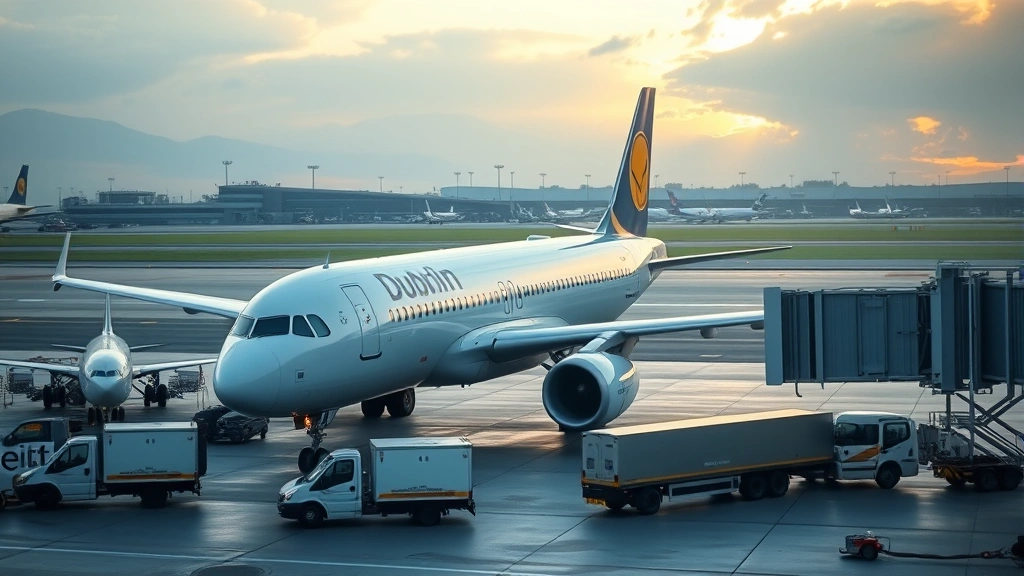
Flight attendant uniforms have undergone a remarkable transformation over the decades, evolving from simple, practical garments into sophisticated fashion statements that reflect both airline branding and modern style sensibilities. Today’s flight attendant outfit represents a careful balance between functionality, elegance, and professional presentation. As someone who has tracked aviation fashion trends extensively, I’ve witnessed how airlines leverage their crew uniforms as powerful marketing tools while ensuring their flight attendants feel confident and comfortable during long-haul flights.
The modern flight attendant outfit tells a story about an airline’s identity, values, and commitment to service excellence. From the tailored blazers to the carefully selected accessories, every element serves a purpose beyond mere aesthetics. These uniforms must withstand the rigorous demands of air travel—pressurized cabins, constant movement, and varying climates—while maintaining a polished appearance that inspires passenger confidence. Understanding the evolution and current trends in flight attendant fashion provides fascinating insights into how the aviation industry balances tradition with innovation.
Evolution of Flight Attendant Fashion
The history of the flight attendant outfit mirrors the broader evolution of commercial aviation itself. In the 1930s and 1940s, when flying was an exclusive luxury experience, flight attendants—then called “stewardesses”—wore glamorous uniforms that resembled haute couture designs. These early uniforms featured fitted silhouettes, decorative pins, and accessories that emphasized elegance over functionality. Airlines recognized that their crew’s appearance directly influenced passenger perception, making the uniform a critical component of the premium travel experience.
Throughout the 1950s and 1960s, the golden age of aviation saw flight attendant uniforms reach peak glamour. Designers like Oleg Cassini and Jean Patou created iconic looks for major carriers, complete with matching pillbox hats, gloves, and coordinated accessories. These outfits were aspirational, turning flight attendants into style icons whose images graced magazine covers and advertising campaigns. The uniform became inseparable from the airline’s brand identity.
The 1970s and 1980s brought a shift toward more practical designs as air travel became increasingly common and democratized. Uniforms began incorporating more movement-friendly cuts, though they maintained formal sophistication. Pantsuits emerged as alternatives to skirts, responding to evolving workplace norms and crew member preferences. This period established the foundation for modern uniform design—professional appearance coupled with genuine wearability.
Current Design Trends and Innovations
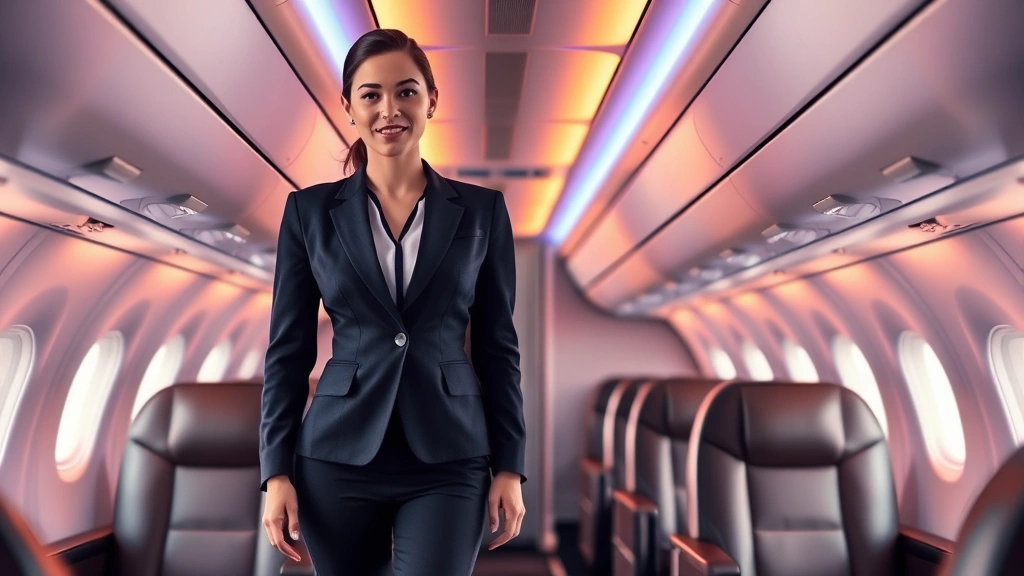
Today’s flight attendant outfit trends emphasize contemporary elegance with practical functionality. Leading airlines are collaborating with renowned fashion designers to create uniforms that feel fresh and modern while maintaining professional standards. The current aesthetic favors clean lines, sophisticated color palettes, and strategic use of tailoring to create flattering silhouettes across diverse body types.
One dominant trend involves streamlined blazers with subtle details—think minimalist lapels, curved seams, and precision button placement. Many airlines have moved toward monochromatic color schemes or sophisticated two-tone combinations that project authority and cohesion. Deep navy, charcoal gray, and rich burgundy remain popular choices, while some carriers introduce bold accent colors through accessories or subtle trim details.
The shift toward gender-neutral and flexible uniform options represents a significant modern trend. Progressive airlines now offer crew members choices between skirts, trousers, or tailored pants in matching styles. This approach acknowledges that flight attendants have diverse preferences and body types, requiring uniform options that accommodate everyone comfortably. Some carriers have even introduced optional tunics or longer jackets for those who prefer additional coverage.
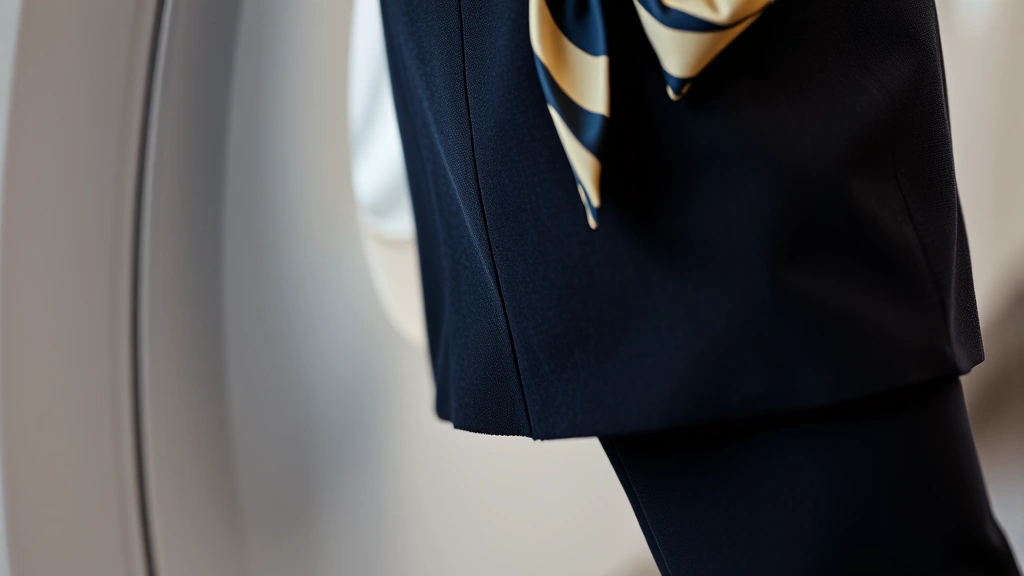
Accessory trends have become increasingly important in differentiating flight attendant outfit presentations. Modern crews sport minimalist jewelry, structured scarves, contemporary eyewear, and carefully selected footwear that combines style with the practicality required for standing, walking, and moving through aircraft cabins. The scarf, in particular, has experienced a renaissance as airlines recognize it as a versatile branding tool that adds visual interest without compromising functionality.
Fabric Technology and Performance Materials
Perhaps the most significant evolution in modern flight attendant outfit design involves advanced fabric technologies. Contemporary uniforms utilize performance fabrics specifically engineered for aviation environments. These materials offer wrinkle resistance, moisture-wicking properties, and durability that withstand frequent washing and the stresses of air travel.
Synthetic blends—combining natural fibers like wool and cotton with innovative synthetics—provide the perfect balance. These fabrics maintain professional appearance despite long duty hours, resist odors more effectively than traditional materials, and often include antimicrobial treatments. Some premium carriers have invested in fabrics that regulate body temperature, crucial for crew members who experience cabin pressurization and temperature fluctuations throughout flights.
Sustainability has emerged as a critical consideration in uniform fabric selection. Forward-thinking airlines now source materials from sustainable suppliers, utilizing recycled fibers and eco-friendly production processes. This commitment to environmental responsibility reflects broader corporate values and resonates with both crew members and environmentally conscious passengers. Brands like IATA have encouraged airlines to adopt more sustainable practices throughout operations, including uniform production.
Stretch fabrics have revolutionized comfort in professional flight attendant outfit design. Modern uniforms incorporate strategic stretch panels that allow greater movement without compromising the tailored silhouette. This innovation particularly benefits crew members who must reach overhead bins, push heavy carts, and maintain grace during turbulent conditions. The fabric maintains its shape while providing genuine comfort during twelve-hour flights.
How Airlines Use Uniforms for Brand Identity
Your flight attendant outfit serves as a mobile brand ambassador, instantly communicating an airline’s values and positioning. This explains why major carriers invest significantly in uniform design and regularly refresh their crew looks. The uniform creates immediate visual recognition—passengers can identify airlines by their crew’s appearance before hearing a single announcement.
Luxury carriers like Singapore Airlines and Cathay Pacific have built legendary reputations partly through iconic flight attendant outfit designs. Singapore Airlines’ famous sarong kebaya, designed by French couturier Pierre Balmain, remains virtually unchanged since 1968, representing timeless elegance and cultural pride. This consistency in uniform design has become integral to the airline’s brand promise of superior service and attention to detail.
When exploring best airlines for frequent flyers, uniform presentation often influences passenger perception of service quality. Airlines understand that crew appearance directly impacts customer satisfaction and brand loyalty. A well-designed, properly maintained uniform signals professionalism and attention to detail, subtly reinforcing the airline’s commitment to excellence.
Color psychology plays a crucial role in uniform selection. Airlines choose colors that align with their brand identity while considering practical factors like visibility, stain concealment, and passenger perception. Virgin Atlantic’s bold red uniforms project energy and approachability, while Lufthansa’s blue conveys stability and trust. These color choices aren’t arbitrary—they result from extensive market research and brand positioning strategies.
Diversity and Inclusivity in Uniform Design
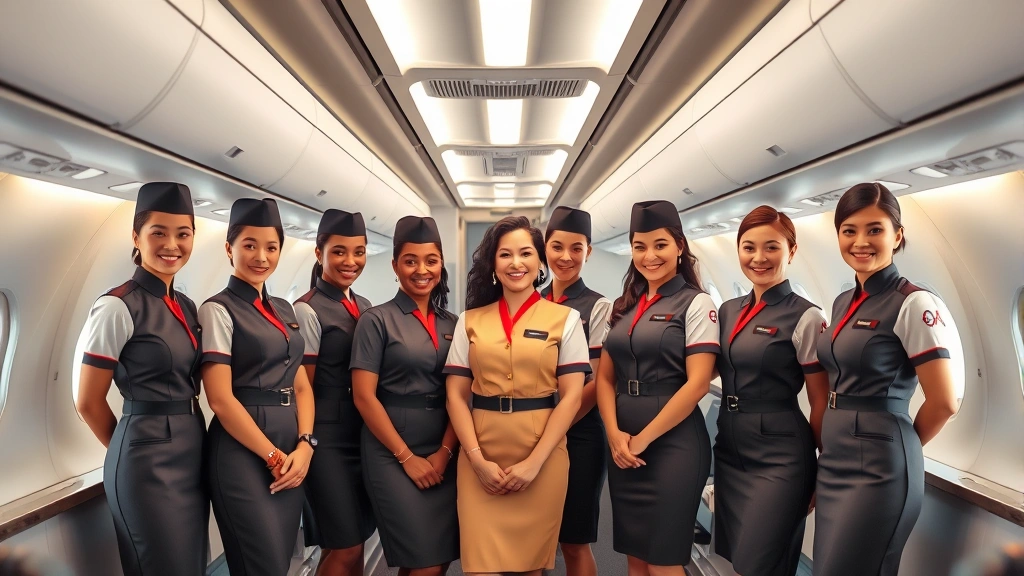
Modern flight attendant outfit design increasingly prioritizes inclusivity, recognizing that flight attendants represent diverse backgrounds, body types, and personal preferences. Leading airlines now offer extended size ranges, ensuring all crew members find uniforms that fit properly and flatter their figures. This commitment extends beyond mere sizing—it encompasses design choices that work across diverse body shapes.
Religious and cultural accommodations have become standard practice at progressive carriers. Many airlines now offer alternative uniform options for crew members whose religious beliefs require different coverage levels. Options might include longer skirts, additional layers, or modified styling that respects individual beliefs while maintaining professional appearance. This inclusive approach demonstrates respect for crew diversity and expands the talent pool from which airlines can recruit.
Gender-neutral uniform options represent another significant advancement in inclusive design. Rather than maintaining separate male and female uniforms, some airlines now offer tailored pieces available to all crew members regardless of gender identity. This approach eliminates restrictive dress codes while maintaining professional standards and allowing individuals to express their authentic selves while working.
Accessibility considerations increasingly influence flight attendant outfit design. Airlines are incorporating features that accommodate crew members with disabilities, such as adaptive closures, adjustable components, and designs that work with mobility aids. This commitment to accessibility ensures that talented individuals with disabilities can pursue rewarding careers in aviation without struggling with impractical uniform designs.
Practical Considerations for Crew Comfort
Beyond aesthetics, successful flight attendant outfit design must prioritize genuine comfort and functionality. Flight attendants work in one of the most demanding environments—pressurized cabins, extended hours, varying temperatures, and constant physical activity. The uniform must accommodate these realities without sacrificing professional appearance.
Footwear represents a critical component of the flight attendant outfit equation. Modern crew shoes combine style with orthopedic support, recognizing that flight attendants spend hours on their feet. Leading airlines now permit more comfortable shoe options, including supportive flats and cushioned heels, acknowledging that crew wellbeing directly impacts service quality. Some carriers even allow crew members to change into different shoes mid-flight—a practical consideration that major airlines like United and American have implemented.
Layering options have become essential in modern uniform design. Flight attendants experience dramatic temperature variations—from heated aircraft cabins to cold tarmacs to frigid cargo holds. Uniforms now incorporate cardigans, lightweight jackets, and layerable pieces that allow crew members to adjust their appearance and comfort based on conditions. This flexibility ensures professionals can maintain polished appearance throughout their duty hours.
Pocket placement and functionality have received renewed attention in contemporary designs. Flight attendants need accessible storage for pens, notepads, and equipment, yet obvious pockets can disrupt uniform lines. Modern designs incorporate strategically placed pockets with discrete closures that maintain silhouette while providing genuine utility. This attention to practical details demonstrates that contemporary designers understand crew needs beyond mere appearance.
Movement and flexibility have become paramount in flight attendant outfit design. Uniforms must accommodate reaching, bending, pushing, and the dynamic movements required during service. Modern tailoring incorporates gussets, articulated seams, and stretch fabrics that allow full range of motion without compromising the structured, professional silhouette that defines premium airline service.
Future Trends in Aviation Fashion
The future of flight attendant outfit design promises exciting innovations that blend technology, sustainability, and personal expression. Smart fabrics with embedded technology may soon allow uniforms to monitor crew health metrics—tracking fatigue levels, hydration status, and physical strain during long flights. This data could help airlines optimize scheduling and support crew wellbeing.
Customization and personalization represent an emerging trend in uniform design. Rather than one-size-fits-all approaches, some forward-thinking airlines are exploring modular uniform systems allowing crew members to customize elements while maintaining brand consistency. This might include choosing from approved color options, adjustable styling components, or personalized accessories that express individual identity within professional parameters.
Sustainability will increasingly drive uniform design decisions. Airlines are exploring innovative materials including lab-grown fabrics, recycled ocean plastics, and regenerative fibers that minimize environmental impact. As travelers become more environmentally conscious—influencing decisions about how to find cheap airline tickets to Europe and which carriers to support—airlines recognize that sustainable practices, including uniform production, enhance brand reputation.
Virtual fitting rooms and AI-assisted design may revolutionize how airlines develop and fit crew uniforms. Using advanced technology, crew members could virtually try on uniform options before manufacturing, ensuring perfect fit and reducing waste from incorrect sizes. This technology could also enable rapid customization for different crew roles while maintaining overall brand consistency.
The integration of wellness features into uniform design will likely expand. Future flight attendant outfit options may incorporate compression elements for circulation support, antimicrobial treatments that actively improve hygiene, and fabrics that enhance comfort during the physiological stresses of high-altitude flight. These innovations reflect growing recognition that crew uniforms impact not just appearance but actual health and performance.
FAQ
What makes a professional flight attendant outfit different from regular business attire?
Flight attendant uniforms must meet specific functional requirements beyond standard business clothing. They need advanced fabric technologies for wrinkle resistance and durability, strategic design elements accommodating movement in confined spaces, and branding components that represent the airline. The uniform also serves safety purposes, with high-visibility elements and professional appearance that establishes crew authority during emergencies.
Do all airlines have the same uniform standards?
No—each airline develops unique uniforms reflecting their brand identity and values. While some carriers maintain traditional designs emphasizing timeless elegance, others regularly refresh their looks to stay contemporary. When comparing Denver to Vegas flights, you’ll notice different airline crews have distinctly different uniform styles, colors, and presentations. This differentiation is intentional and strategic.
How often do airlines update their flight attendant uniforms?
Update frequency varies significantly. Some airlines, like Singapore Airlines, maintain iconic uniforms for decades with minimal changes. Others refresh their looks every five to ten years to stay contemporary. Major redesigns typically occur when airlines rebrand, modernize their image, or introduce new service concepts. These updates represent substantial investments in design, manufacturing, and crew training.
Are flight attendants required to wear heels in their uniforms?
This varies by airline and has evolved significantly. Many carriers now permit flat shoes or comfortable heels, recognizing crew wellbeing and practical needs. Progressive airlines acknowledge that comfort enables better service and reduces crew injuries. Some carriers maintain heel requirements, though the trend increasingly favors flexibility and comfort-focused footwear options.
How do airlines ensure uniforms fit diverse body types?
Leading airlines now offer extended size ranges and multiple fit options. Rather than restricting choices, contemporary carriers provide tailored pieces in various sizes and silhouettes. Some airlines offer customized alterations, ensuring each crew member’s uniform fits perfectly. This inclusive approach acknowledges that diverse body types represent normal human variation deserving professional accommodation.
What role does the flight attendant outfit play in passenger safety?
The uniform establishes crew authority and professional credibility essential during safety situations. Passengers are more likely to follow safety instructions from crew members who appear professional and authoritative. The uniform also includes practical safety elements—reflective materials for visibility, durable construction for emergency situations, and design elements that don’t impede crew movement during evacuations.
How can I learn more about specific airline uniform designs?
Visit the SkyVoyage Hub Blog for detailed airline information and insights. You can also check individual airline websites and official social media channels where they often feature crew uniforms and uniform updates. Aviation fashion blogs and publications regularly cover uniform redesigns and industry trends.
Are there environmental concerns with producing flight attendant uniforms?
Yes, and progressive airlines are addressing this through sustainable material sourcing and eco-friendly manufacturing. When considering the best times to book airline tickets, you might also consider supporting carriers committed to sustainable practices, including responsible uniform production. Many airlines now publish sustainability reports detailing their environmental initiatives.
What happens if a flight attendant’s uniform doesn’t fit properly?
Professional airlines address fit issues through alterations or replacement uniforms. Most carriers provide fitting services and maintain inventory across size ranges. If a uniform doesn’t fit correctly, crew members should report the issue to their airline’s uniform department. Proper fit is essential for both appearance and comfort during duty hours.
Do flight attendants have input in uniform design decisions?
Increasingly, yes. Forward-thinking airlines involve crew members in uniform design processes, recognizing that those wearing the uniforms understand practical needs and comfort requirements. Crew feedback shapes design decisions regarding fit, functionality, and features. This collaborative approach results in uniforms that balance brand requirements with crew satisfaction.
Can flight attendants personalize their uniforms?
This depends on individual airline policies. Most carriers permit limited personalization through accessories—scarves, pins, jewelry within guidelines—but generally require uniforms to maintain brand consistency. Some airlines are exploring greater personalization options while maintaining overall brand identity. Always check your specific airline’s uniform policy regarding acceptable customization.
Understanding the fascinating world of flight attendant outfit design reveals how airlines balance aesthetics, functionality, and crew wellbeing. These uniforms represent far more than clothing—they embody airline values, establish professional credibility, and enable crew members to perform their demanding roles with confidence and style. As aviation evolves, so too will the uniforms worn by the professionals who make air travel possible. Whether you’re exploring airline flight delay compensation or simply curious about aviation culture, appreciating the thought and innovation behind flight attendant uniforms deepens your understanding of this remarkable industry.