Denver to Vegas Flights: Expert Booking Tips for Maximum Savings
Flying from Denver to Las Vegas is one of the most popular short-haul routes in the western United States, attracting business travelers, weekend getaways, and vacation seekers year-round. The distance between Denver International Airport (DEN) and Harry Reid International Airport (LAS) spans approximately 750 miles, making it a quick one-hour flight that’s perfect for spontaneous trips or planned adventures. Whether you’re heading to Sin City for entertainment, dining, or business conferences, understanding how to book Denver to Vegas flights strategically can save you hundreds of dollars while ensuring a smooth travel experience.
This comprehensive guide breaks down everything you need to know about booking flights on this popular route, from identifying the best airlines and optimal booking windows to navigating airport procedures and maximizing your travel rewards. By implementing the strategies outlined in this article, you’ll become an expert at finding competitive fares, securing premium seating, and arriving in Las Vegas ready to enjoy your trip without travel stress.
Airlines Operating Denver to Vegas Route
Multiple carriers compete on the Denver to Vegas corridor, which means you have excellent options for finding competitive prices and flight schedules that match your preferences. Southwest Airlines dominates this route with the most frequent departures, typically offering 8-12 daily flights with flexible baggage policies and no change fees. This makes Southwest an attractive choice for travelers who value flexibility and don’t want to worry about luggage restrictions.
United Airlines provides several daily nonstop flights from Denver to Las Vegas, offering premium cabin options and frequent flyer benefits through their MileagePlus program. If you’re a United frequent flyer, their direct flights make earning miles toward future trips straightforward. Frontier Airlines competes aggressively on price, especially for basic economy fares, though their baggage fees and seat selection charges can add up quickly. Delta Air Lines also services this route with nonstop flights, though typically with fewer daily options than Southwest or United.
For budget-conscious travelers, understanding the differences between carriers is crucial. While Southwest Airlines includes two checked bags free, United Airlines charges for checked baggage unless you’re elite frequent flyer status. Frontier Airlines offers the lowest base fares but charges for carry-ons and checked bags, so calculating the true cost is essential before booking.
Strategic Booking Strategies
Mastering the art of booking Denver to Vegas flights requires understanding fare patterns, booking windows, and price monitoring techniques. The most critical principle is that booking too early or too late significantly impacts your final price. Research consistently shows that the optimal booking window for domestic flights like Denver to Vegas is 1-3 months in advance, with Tuesday and Wednesday typically offering better prices than weekend bookings.
Set up price alerts through Google Flights, Kayak, and Hopper to track fare movements for your specific travel dates. These tools send notifications when prices drop, allowing you to book at optimal moments. Many experienced travelers set alerts 2-3 months before their intended travel date, giving them plenty of time to identify price trends and book when fares dip.
Consider being flexible with your travel dates if possible. Flying on Tuesday, Wednesday, or Thursday instead of Friday, Saturday, or Sunday can yield savings of $50-150 per ticket. Morning flights departing Denver around 6-8 AM typically cost less than evening departures, as business travelers and weekend leisure travelers tend to book afternoon and evening slots.
Learn more about the best times to book airline tickets to maximize your savings across all routes. Understanding these broader booking principles helps you develop expertise that extends beyond just Denver to Vegas flights.
Fare Comparison Tools and Tactics
Never book your first available flight option. Using multiple fare comparison tools provides a comprehensive view of available options and helps you identify genuine deals versus inflated prices. Start with Google Flights, which offers excellent calendar views showing fares across multiple days, making it easy to spot cheaper departure dates. The tool also integrates with airline websites, allowing you to complete bookings directly without additional fees.
Kayak excels at price tracking and alerts, while Skyscanner searches budget carriers more comprehensively than some competitors. For Denver to Vegas specifically, check individual airline websites directly after comparing prices on aggregators, as airlines sometimes offer exclusive deals or flash sales not immediately reflected on third-party sites.
Incognito browsing is essential when comparing fares repeatedly. Clearing your browser cookies between searches prevents airlines from tracking your interest and potentially raising prices. While debate continues about whether airlines actively engage in this practice, it costs nothing to use incognito mode and eliminates any risk.
Consider how to find cheap airline tickets strategies that apply to international bookings—many principles transfer to domestic routes, including clearing cookies, using VPNs to check international pricing, and monitoring fare trends systematically.
Best Times to Travel
Understanding when most travelers book Denver to Vegas flights helps you identify off-peak opportunities. Summer months (June-August) represent peak travel season, with families taking vacations and prices reflecting high demand. Spring Break (March) and holiday periods (November-December, December 25-January 1) also see elevated fares and reduced seat availability.
The best times for budget-conscious travelers are January-February (post-holiday period), September-October (after summer ends), and April-May (spring but before peak summer). These shoulder seasons offer reasonable weather for Las Vegas while maintaining lower fares than peak periods.
Business travelers dominate weekday flights, while leisure travelers fill weekend slots. This creates an interesting dynamic where Tuesday-Thursday flights are cheaper for leisure travelers but may be pricier for last-minute business bookings. Planning your trip around these patterns—booking leisure travel for mid-week departure—yields significant savings.
Las Vegas events impact pricing dramatically. Major sporting events, conventions, and entertainment shows drive demand and prices upward. Checking the Las Vegas tourism calendar and planning around major events helps you avoid price spikes. Conversely, booking flights during less popular entertainment weeks can provide excellent deals.
Denver Airport Guide
Denver International Airport (DEN) serves as your departure point for Vegas flights, and understanding its layout and procedures optimizes your travel experience. DEN is one of the largest airports in North America, spanning 53 square miles with six concourses. Most Denver to Vegas flights depart from Concourse A or B, served by Southwest Airlines.
Arrive at Denver Airport 90 minutes before domestic flight departure for standard check-in and security procedures. During peak times (early morning, evening), arriving 2 hours early prevents rushing. The airport features multiple TSA PreCheck lanes, significantly reducing security wait times if you hold this credential.
Denver’s airport is approximately 25 miles northeast of downtown Denver. Ground transportation options include the A-Line light rail (connects downtown Denver to the airport in 37 minutes for $10.50), rental cars, rideshare services (Uber/Lyft), and traditional taxis. The A-Line offers excellent value for solo travelers or those without vehicles, while rideshare provides convenience for groups.
Review airline luggage size restrictions before arriving at Denver Airport to ensure your bags comply with your chosen carrier’s policies. This prevents last-minute surprises and potential repacking at the airport.
Denver Airport offers extensive dining, shopping, and lounge options. Arriving early allows time to explore restaurants, purchase travel essentials, or relax in airport lounges if you have access through elite status or premium credit cards.
Maximizing Travel Rewards
Frequent flyer programs provide substantial value on Denver to Vegas flights, especially for regular travelers on this route. Southwest Rapid Rewards is particularly valuable given Southwest’s dominance on this corridor. Earning points through flying and co-branded credit card spending allows you to book future flights for minimal out-of-pocket costs.
Opening a new airline co-branded credit card strategically can cover the cost of your Denver to Vegas flight entirely through sign-up bonuses. Southwest, United, and Delta all offer generous welcome bonuses (typically 40,000-75,000 points) that translate to free or heavily discounted flights. Time your card applications around planned trips to maximize value.
Check best airlines for long flights to understand premium cabin benefits and frequent flyer perks that enhance your travel experience. While Denver to Vegas is a short flight, understanding loyalty program benefits helps you optimize rewards across your entire travel portfolio.
Transfer rewards strategically between partner programs. Many credit cards allow transferring points to airline partners at favorable rates, sometimes providing better value than booking directly through the credit card’s portal. Research transfer partners before committing to specific credit card applications.
Elite frequent flyer status provides benefits like priority boarding, free seat selections, and complimentary upgrades that enhance short flights like Denver to Vegas. If you’re close to achieving elite status with an airline, concentrating your Denver to Vegas bookings with that carrier accelerates status achievement.
Explore the Sky Voyage Hub Blog for in-depth guides on travel rewards optimization, frequent flyer program strategies, and maximizing value from your travel spending.
Step-by-Step Booking Process
Once you’ve identified your ideal flight using comparison tools and price monitoring, executing the booking requires attention to detail. Start by confirming all flight details: departure time, arrival time, number of stops (direct flights are preferable on this route), and any connections. Denver to Vegas flights are almost exclusively nonstop, which simplifies decision-making.
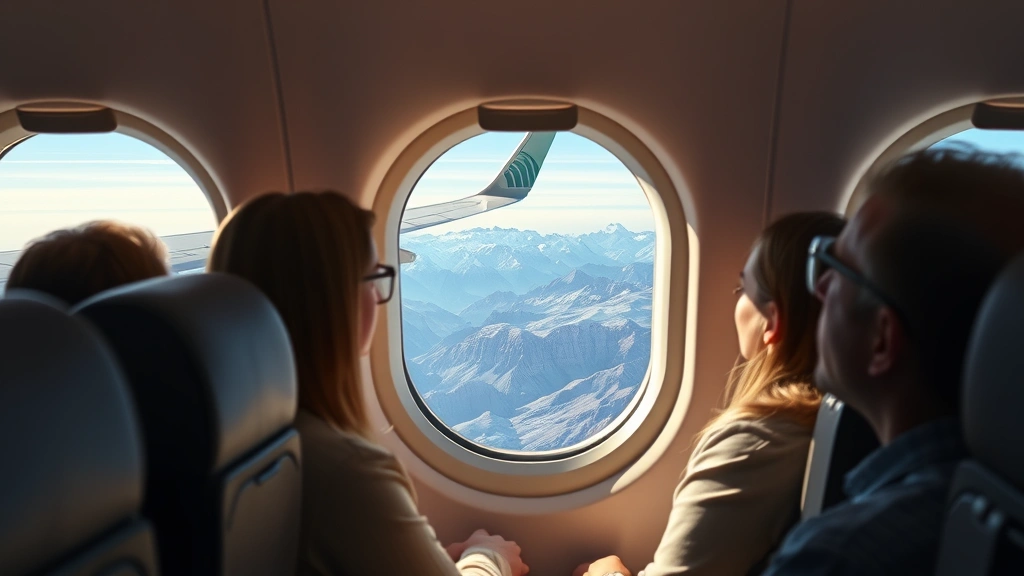
Select your seat carefully based on your preferences and airline policies. Aisle seats provide easier access for restroom visits on this one-hour flight, while window seats offer views of the Rocky Mountains during departure and approach. Southwest’s open seating policy differs significantly from United and Delta’s assigned seating models.
Review baggage policies before finalizing your booking. If you’re traveling with checked luggage, Southwest’s two free checked bags offer better value than competitors. If you’re traveling carry-on only, Frontier might offer the best base fare despite additional fees.
Add travel insurance only if booking non-refundable fares, as it protects against unforeseen cancellations or emergencies. Most travel insurance for short domestic flights costs $15-30 and provides peace of mind if your plans might change.
Complete your booking using a credit card offering purchase protections and potential rewards. Enter accurate passenger information matching your government-issued ID exactly to prevent boarding issues.
Arrival and Ground Transportation in Las Vegas
Harry Reid International Airport (formerly McCarran International) is located 5 miles south of Las Vegas’s famous Strip. Ground transportation from the airport to your hotel or destination requires planning, as Las Vegas offers multiple options with varying costs and convenience levels.
Ground transportation options include the Monorail (connects airport to several Strip casinos in 20 minutes for $5), rideshare services, rental cars, and traditional taxis. The Monorail offers the most economical option for Strip-bound travelers, while rideshare provides flexibility for off-Strip destinations.
Book ground transportation before arriving at the airport when possible. Many hotels offer shuttle services for guests, reducing transportation costs. Rideshare is particularly valuable during peak arrival times when taxi lines are long and prices surge.
Consider your luggage situation when selecting ground transportation. The Monorail accommodates luggage but feels crowded during peak times. Rideshare and shuttle services offer more comfort for travelers with checked bags.

FAQ
How long does a flight from Denver to Las Vegas take?
Nonstop flights from Denver to Las Vegas typically take approximately 1 hour and 15 minutes. The short flight duration makes this an ideal route for weekend getaways and quick business trips. Actual flight time varies slightly based on wind patterns and air traffic, but expect to land within 1 hour 10 minutes to 1 hour 20 minutes of departure.
What’s the cheapest day to fly Denver to Vegas?
Tuesday, Wednesday, and Thursday typically offer the cheapest fares from Denver to Las Vegas. Flying mid-week allows you to avoid weekend surcharges and peak leisure travel demand. Early morning flights (6-8 AM departures) also tend to be cheaper than afternoon and evening options.
Do I need a passport for Denver to Vegas flights?
No, a passport is not required for domestic flights from Denver to Las Vegas. A valid government-issued photo ID (driver’s license, passport, military ID, etc.) is sufficient for domestic air travel within the United States.
Which airline has the most flights Denver to Vegas?
Southwest Airlines operates the most frequent flights on the Denver to Vegas route, typically offering 8-12 daily nonstop flights. United Airlines and Delta also provide multiple daily options, but Southwest’s frequency and flexible baggage policy make it the dominant carrier on this route.
Can I book Denver to Vegas flights in advance?
Yes, airlines typically allow booking up to 11 months in advance for domestic flights. Booking 1-3 months ahead offers the optimal balance between securing discounted fares and maintaining flexibility. Booking too far in advance often results in higher prices, while last-minute bookings usually command premium fares.
What are luggage allowances for Denver to Vegas flights?
Luggage allowances vary by airline. Southwest includes two free checked bags and one free carry-on. United and Delta typically include one free checked bag for most passengers. Frontier charges for both checked and carry-on bags unless you purchase premium fares. Review airline luggage size restrictions before packing.
Is travel insurance necessary for Denver to Vegas flights?
Travel insurance is optional for Denver to Vegas flights but recommended if you’ve booked non-refundable fares and your plans might change. For most short domestic flights, travel insurance costs $15-30 and provides coverage for cancellations, medical emergencies, and lost luggage.
How early should I arrive at Denver Airport?
Arrive at Denver International Airport 90 minutes before your Denver to Vegas departure for standard check-in and security procedures. During peak times (early morning, evenings), arriving 2 hours early prevents rushing and ensures a comfortable airport experience.