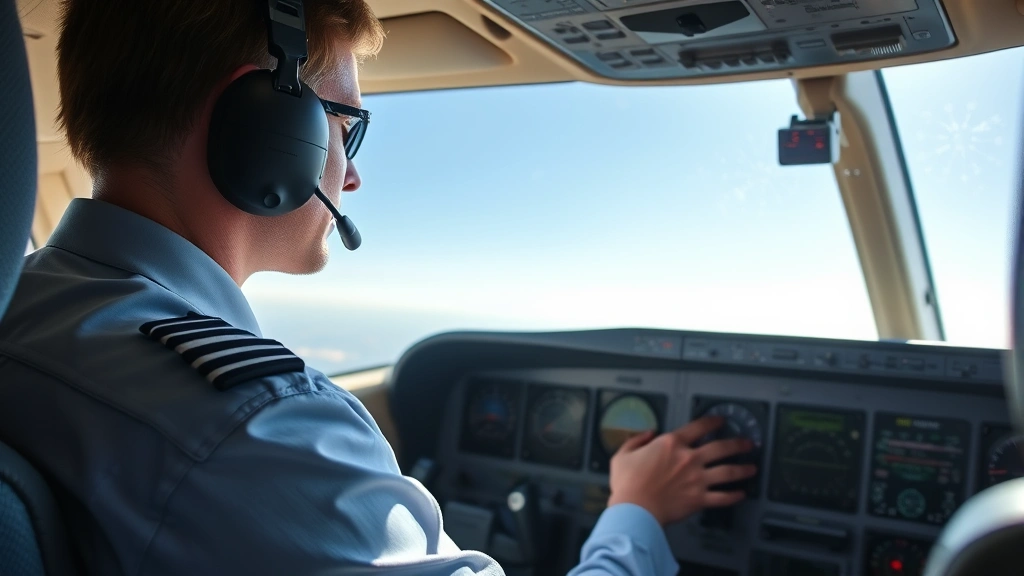
Flight Deck Fury: Pilot Insights Revealed
The flight deck—that sacred space above the clouds where pilots command multi-million-dollar aircraft—is often shrouded in mystery. What really happens behind those closed cockpit doors? When things go wrong, how do experienced aviators handle the pressure? Flight deck fury, a term that captures the intense emotions and high-stakes decision-making that occur in the cockpit, reveals a world of professional expertise, careful training, and human resilience that the average passenger never witnesses.
Commercial aviation has an extraordinary safety record, yet the path to achieving that record involves countless moments of tension, rapid problem-solving, and unwavering focus. Pilots face weather systems that demand split-second adjustments, mechanical anomalies that require creative troubleshooting, and air traffic situations that test their judgment under pressure. Understanding what fuels flight deck fury—and how professionals channel it productively—offers fascinating insights into modern aviation and the people who keep our skies safe.
This comprehensive guide draws on pilot experiences, aviation industry standards, and real-world scenarios to illuminate the pressures, protocols, and professionalism that define life in the cockpit. Whether you’re a frequent flyer curious about what happens up front or an aspiring aviator wanting to understand the realities of the profession, these pilot insights will transform how you view commercial flight.
Understanding Flight Deck Pressure
Flight deck fury stems from a unique confluence of factors that create an extraordinarily high-pressure environment. Pilots operate in a realm where errors can have catastrophic consequences, where weather patterns change unpredictably, and where mechanical systems must function flawlessly across thousands of flights annually. The responsibility of transporting hundreds of passengers safely across continents weighs heavily on every captain and first officer who takes command of an aircraft.
The cockpit represents one of the most regulated, monitored, and scrutinized work environments on Earth. Every action is recorded on flight data recorders, every communication is documented, and every decision is subject to post-flight analysis. This level of accountability, while essential for safety, contributes significantly to the psychological demands of the job. Pilots must maintain absolute composure while managing fatigue, circadian rhythm disruptions from international travel, and the knowledge that their performance directly impacts human lives.
Modern commercial aircraft are engineering marvels with redundant systems and sophisticated automation. Yet this complexity also means pilots must understand intricate systems, troubleshoot problems that may have never been encountered before, and make critical decisions with incomplete information. The contrast between the aircraft’s technological sophistication and the human element required to operate it creates a dynamic tension that characterizes the flight deck experience.
When exploring aviation careers and industry insights, visiting the SkyVoyage Hub Blog provides comprehensive perspectives on professional aviation. Additionally, understanding how best airlines for frequent flyers operate reveals the organizational structures that support pilot operations and safety protocols.
Common Triggers of Cockpit Tension
Several predictable situations routinely trigger heightened stress levels in the cockpit. Adverse weather stands at the forefront—thunderstorms, wind shear, severe turbulence, and low-visibility conditions demand constant vigilance and rapid decision-making. Pilots must balance passenger comfort against safety considerations, sometimes choosing to divert around storms or delay departure despite schedule pressures.
Mechanical anomalies present another significant source of flight deck tension. When warning lights illuminate, unusual vibrations occur, or system malfunctions are detected, pilots must rapidly diagnose problems, consult checklists and technical manuals, and determine whether the aircraft is safe to continue flying. These situations demand cool-headed analysis while managing the psychological stress of uncertainty. Some issues can be managed and monitored; others require immediate landing at the nearest suitable airport.
Air traffic control interactions, while generally professional and collaborative, occasionally introduce friction. High-altitude congestion near major airports, conflicting instructions during emergencies, or miscommunications between pilots and controllers can elevate stress levels. Runway incursions, near-miss incidents in controlled airspace, and traffic separation concerns all contribute to moments of genuine fear and intense focus.
Schedule pressures and operational expectations create a background hum of tension throughout the day. Airlines operate on tight schedules with financial incentives for on-time performance. Pilots feel pressure to depart on schedule, minimize holding patterns, and reach destinations promptly. However, these commercial pressures must never override safety considerations—a principle that sometimes puts pilots at odds with operational expectations.
Fatigue represents an insidious trigger that compounds other stressors. Pilots operating long-haul flights across multiple time zones struggle with circadian rhythm disruptions, sleep debt, and diminished cognitive function. Early morning departures, late-night arrivals, and quick turnarounds between flights create fatigue that accumulates over months and years. The Federal Aviation Administration enforces strict duty time limitations, but these regulations represent maximums, not ideals for safe operations.
Training and Crisis Management
The pathway to managing flight deck fury begins with rigorous, comprehensive training. Commercial pilot certification requires approximately 1,500 flight hours minimum, plus extensive classroom instruction covering aerodynamics, meteorology, aircraft systems, navigation, regulations, and decision-making frameworks. This foundation provides the technical knowledge necessary to operate aircraft safely.
However, the real transformation occurs in advanced training programs, particularly in full-motion flight simulators. Modern flight simulators replicate cockpit environments with stunning accuracy, complete with realistic motion, visual systems, and sound. More importantly, they can reproduce emergency scenarios—engine failures, hydraulic malfunctions, decompression events, severe weather encounters—that would be impossible and dangerous to practice in actual aircraft.
Crew Resource Management (CRM) training represents a revolutionary advancement in aviation safety. Rather than viewing the captain as an infallible authority figure, modern CRM emphasizes teamwork, communication, cross-checking, and the willingness of first officers to speak up when they perceive problems. Studies consistently show that accidents result far more often from communication failures and poor decision-making than from mechanical failures. CRM training directly addresses these human factors.
Recurrent training requirements mandate that all commercial pilots undergo proficiency checks and simulator training annually. These evaluations ensure that skills remain sharp and that pilots stay current with the latest procedures, aircraft modifications, and regulatory changes. The expense and time commitment of recurrent training reflects aviation’s commitment to maintaining highest standards throughout pilots’ careers.
Crisis management training teaches pilots to follow established procedures during abnormal situations. Checklists, decision trees, and standardized responses exist for virtually every conceivable problem. When something unexpected occurs, pilots don’t improvise—they consult procedures, follow proven protocols, and make decisions based on established frameworks. This systematic approach prevents panic and ensures that the response draws on collective aviation experience rather than individual intuition.
For those interested in how airlines maintain safety standards, exploring Denver to Vegas flights and the operations of major carriers reveals the infrastructure supporting safe commercial aviation. Understanding these systems provides context for recognizing the professional standards pilots maintain.
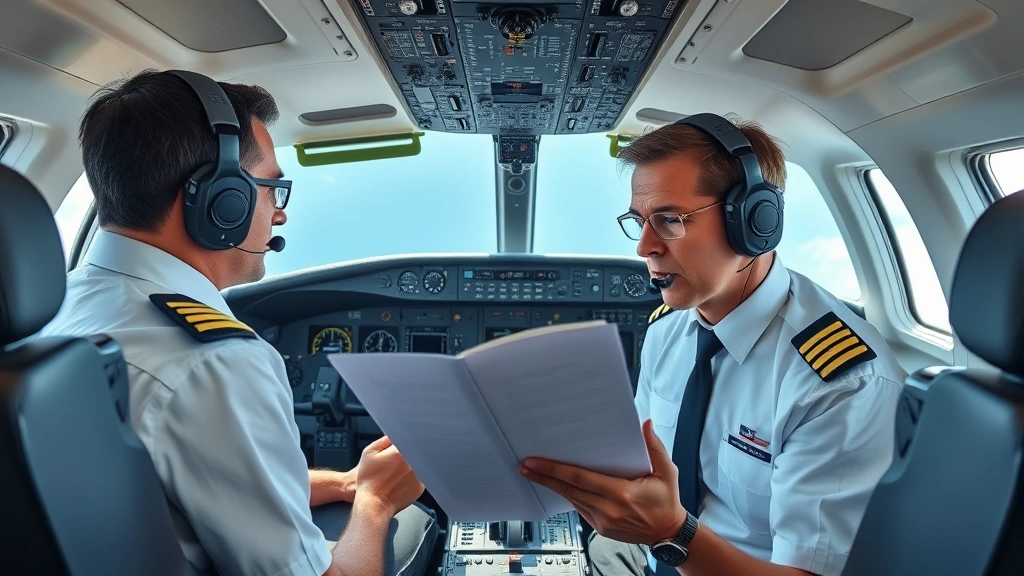
Communication Protocols That Save Lives
Aviation communication represents perhaps the most carefully standardized and regulated aspect of flight operations. The standardized phraseology used by pilots and air traffic controllers worldwide follows prescribed formats designed to eliminate ambiguity. Instead of casual conversation, pilots use precise terminology, specific altitude callouts, and confirmation of critical instructions.
The famous “read-back” procedure requires pilots to repeat back critical instructions to air traffic control, confirming understanding and creating a final opportunity to catch misunderstandings. Similarly, pilots confirm critical actions with each other—before engine start, before takeoff, before landing—using standardized challenge-and-response patterns. These seemingly repetitive procedures have prevented countless accidents by catching errors before they become catastrophic.
Modern cockpits employ a structured communication system during normal operations and especially during emergencies. The pilot flying focuses on aircraft control and trajectory, while the pilot monitoring handles communications, system management, and cross-checking. This division of labor ensures that someone maintains situational awareness while the other concentrates on immediate flying tasks. During emergencies, roles may shift, but the principle of clear responsibility allocation remains paramount.
Non-technical skills—communication, leadership, decision-making, and situational awareness—receive equal emphasis with technical flying skills in modern pilot training. Psychologists and human factors specialists contribute to training programs, recognizing that accidents rarely result from pilots lacking technical knowledge. Instead, breakdowns in communication, poor decision-making under uncertainty, and failures to recognize deteriorating situations account for most accidents.
The evolution toward more egalitarian cockpit cultures represents a significant safety advancement. Historically, rigid hierarchies meant that first officers felt reluctant to challenge captains, even when they perceived problems. Modern training emphasizes that safety supersedes hierarchy—a first officer must speak up if they believe the captain is making a dangerous decision. Surveys show that this cultural shift has measurably improved safety outcomes.
Real-World Scenarios and Pilot Decision-Making
Consider a scenario that occurs regularly: a captain receives a weather briefing indicating that the destination airport is experiencing thunderstorm activity with wind shear alerts. The flight is fully booked, and diverting to an alternate airport would cause significant delays and operational complications. The captain must weigh the risk of attempting to land at the planned destination against the certainty of delays and passenger inconvenience.
This decision involves analyzing multiple factors: the intensity and movement of the thunderstorm, wind shear severity and altitude, the aircraft’s fuel situation and ability to reach alternates, crew fatigue levels, and passenger connections at the destination. The captain consults real-time weather radar, speaks with other pilots who have recently landed at the airport, and considers the aircraft’s performance capabilities. This decision-making process exemplifies how pilots balance safety against operational pressures.
Another common scenario involves an engine failure or significant mechanical malfunction. Modern aircraft can operate safely on one engine if necessary, and procedures exist for managing these situations. However, the pilot must diagnose the problem accurately, follow appropriate procedures, declare the emergency if necessary, and land at a suitable airport. The psychological challenge involves managing the knowledge that something has failed while maintaining composure and confidence.
A more subtle scenario involves recognizing when something is wrong even though no obvious warning has appeared. Experienced pilots develop intuition about aircraft behavior—subtle changes in sound, vibration, or handling characteristics that might escape less experienced aviators. This situational awareness, developed through years of flying and reinforced through training, often catches problems before they become serious.
For travelers wanting to understand pilot expertise and airline operations, learning about essential tips for long haul flights provides insights into how professional crews manage extended operations and maintain safety standards across extended flight times.
Mental Health and Pilot Wellness
The intense pressure inherent in commercial aviation flying takes a toll on pilot mental health. Depression, anxiety, and burnout affect a significant percentage of the pilot population. The stigma historically surrounding mental health in aviation—the fear that seeking help might result in losing medical certification—prevented many pilots from accessing treatment.
Recent regulatory changes have begun addressing this crisis. The FAA and aviation authorities worldwide have implemented confidential pathways for pilots to receive mental health treatment without automatically losing certification. These programs recognize that pilots with depression or anxiety who receive appropriate treatment often perform safer than those struggling untreated. The shift toward viewing mental health as integral to aviation safety represents important progress.
Fatigue management has become increasingly recognized as critical to safety. Research demonstrates that pilot fatigue significantly impairs judgment and reaction time, increasing accident risk. Some pilots work within regulatory limits while accumulating dangerous levels of sleep debt. Industry initiatives now focus on fatigue risk management, promoting sleep science education and encouraging healthy sleep habits.
The COVID-19 pandemic exacerbated mental health challenges for pilots. Many experienced involuntary furloughs, reduced flying opportunities, and financial stress. Airlines that faced capacity reductions sometimes retained only the most senior pilots, leaving mid-career aviators struggling with unemployment and uncertainty. The psychological impact of these disruptions continues affecting pilot mental health and career satisfaction.
Recognizing these challenges, professional pilot organizations increasingly advocate for peer support programs, mental health resources, and cultural changes that destigmatize seeking help. The understanding that pilot wellness directly impacts flight safety has created momentum for substantive improvements in how the aviation industry addresses mental health.
The Evolution of Cockpit Culture
The cockpit culture of today differs dramatically from that of previous generations. Historical aviation featured rigid hierarchies where captains held nearly absolute authority and first officers rarely questioned decisions. This culture occasionally contributed to accidents when first officers recognized problems but felt unable to voice concerns.
The transition to collaborative cockpit cultures began in the 1980s following several high-profile accidents where communication failures contributed to tragedy. Airlines invested heavily in Crew Resource Management training, emphasizing that safety required all crew members to speak up about concerns. This cultural shift has been validated by decades of safety data showing measurable improvements in accident rates.
Modern cockpits increasingly feature diverse crews reflecting broader society. Women now constitute a small but growing percentage of commercial pilots, bringing different perspectives and experiences to the flight deck. Research suggests that diverse teams make better decisions and are more likely to catch errors. The aviation industry’s continued effort to recruit and retain diverse talent promises further safety improvements.
Technology integration has transformed the cockpit experience. Modern glass cockpits with digital displays, flight management systems, and weather radar integration provide pilots with unprecedented information access. Autopilot systems handle routine flight phases, freeing pilots to focus on planning, monitoring, and decision-making. However, this automation also creates new challenges—maintaining engagement during long periods of autopilot operation and retaining manual flying skills when automation handles most flying tasks.
The future cockpit will likely feature even greater automation, potentially including reduced crew operations for some flight phases. However, human pilots will remain essential for complex decision-making, handling unexpected situations, and providing the final authority over aircraft operations. The evolution of cockpit culture will continue balancing automation benefits against the irreplaceable value of experienced human judgment.
Travelers interested in understanding airline operations and crew professionalism should explore resources about how to find cheap airline tickets to Europe, which discusses major international carriers and their operational standards. Additionally, understanding flight attendant outfit and cabin crew operations provides context for the complete crew environment aboard modern aircraft.
FAQ
What exactly is flight deck fury?
Flight deck fury refers to the intense pressure, stress, and emotional responses that pilots experience in the cockpit during challenging situations. It encompasses the focus, determination, and sometimes frustration that characterize high-stakes decision-making at altitude. The term captures the intensity of the environment without implying loss of control or unprofessional behavior—professional pilots channel these emotions productively.
How do pilots manage stress during emergencies?
Pilots manage emergency stress through extensive training, standardized procedures, and practiced responses. Rather than improvising, they follow checklists and established protocols that leverage collective aviation experience. Training in full-motion simulators exposes pilots to emergency scenarios repeatedly, building muscle memory and confidence. Additionally, Crew Resource Management principles ensure that pilots work collaboratively rather than facing challenges alone.
Are pilots required to report mental health issues?
Historically, pilots feared that reporting mental health concerns would result in losing certification. Modern regulations now include confidential reporting pathways in many jurisdictions, allowing pilots to seek treatment without automatically losing medical certification. The FAA and other aviation authorities increasingly recognize that treated mental health conditions often pose less safety risk than untreated conditions.
How much training do pilots receive for abnormal situations?
Commercial pilots receive approximately 1,500 hours of flight training minimum before certification, plus extensive classroom instruction. Additionally, all commercial pilots undergo mandatory recurrent training annually, including simulator sessions that specifically practice emergency procedures. Throughout their careers, pilots participate in regular proficiency checks and continuing education. This investment in training ensures that pilots can handle virtually any situation they might encounter.
What role does communication play in cockpit safety?
Communication represents one of the most critical factors in cockpit safety. Standardized phraseology, read-back procedures, and structured communication patterns ensure clarity and catch misunderstandings. Modern cockpit culture emphasizes that all crew members must communicate concerns openly, regardless of rank. Many accidents have been prevented by first officers speaking up about captain decisions they perceived as unsafe.
How does fatigue affect pilot performance?
Fatigue significantly impairs judgment, reaction time, and decision-making ability. Long-haul flights, early morning departures, and rapid international travel disrupt circadian rhythms and accumulate sleep debt. The FAA enforces maximum duty time limits, but these represent maximums, not ideals for optimal safety. Modern fatigue risk management programs promote sleep science education and encourage healthy sleep habits to mitigate fatigue effects.
What has changed in cockpit culture over the past decades?
Cockpit culture has evolved from rigid hierarchies where captains held absolute authority to collaborative environments where all crew members contribute to decision-making. This cultural shift, driven by Crew Resource Management training and safety data, has demonstrably improved safety outcomes. Additionally, increased diversity in pilot populations and integration of advanced technology have transformed the cockpit environment.
Will automation eventually replace pilots?
While automation will likely increase, human pilots will remain essential for complex decision-making, handling unexpected situations, and providing final authority over aircraft operations. Modern aircraft already use sophisticated autopilot systems, yet pilots remain indispensable. The future will likely feature greater automation paired with highly trained pilots who oversee systems and make critical decisions. The combination of human judgment and technological capability provides optimal safety.


