Flight Dispatcher Roles: Industry Insights & Career Guide
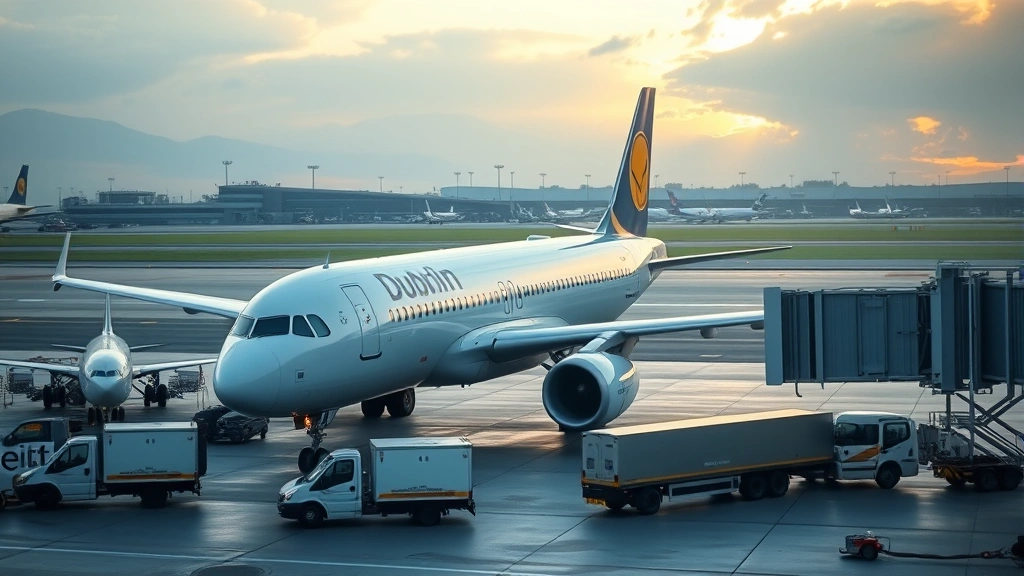
The aviation industry relies on skilled professionals working behind the scenes to ensure every flight operates safely and efficiently. Among these critical roles, flight dispatchers stand as the operational backbone of airlines, coordinating complex logistics, weather analysis, and route planning that directly impact passenger safety and operational success. Understanding what flight dispatchers do reveals why flight dispatcher vacancy positions remain highly sought-after careers for detail-oriented professionals passionate about aviation.
Flight dispatchers are licensed professionals responsible for planning flight routes, monitoring weather conditions, calculating fuel requirements, and ensuring compliance with federal aviation regulations before and during flights. This comprehensive guide explores the multifaceted responsibilities of flight dispatchers, the qualifications needed to enter this dynamic field, and current industry insights about career opportunities in this essential aviation sector.
What Is a Flight Dispatcher?
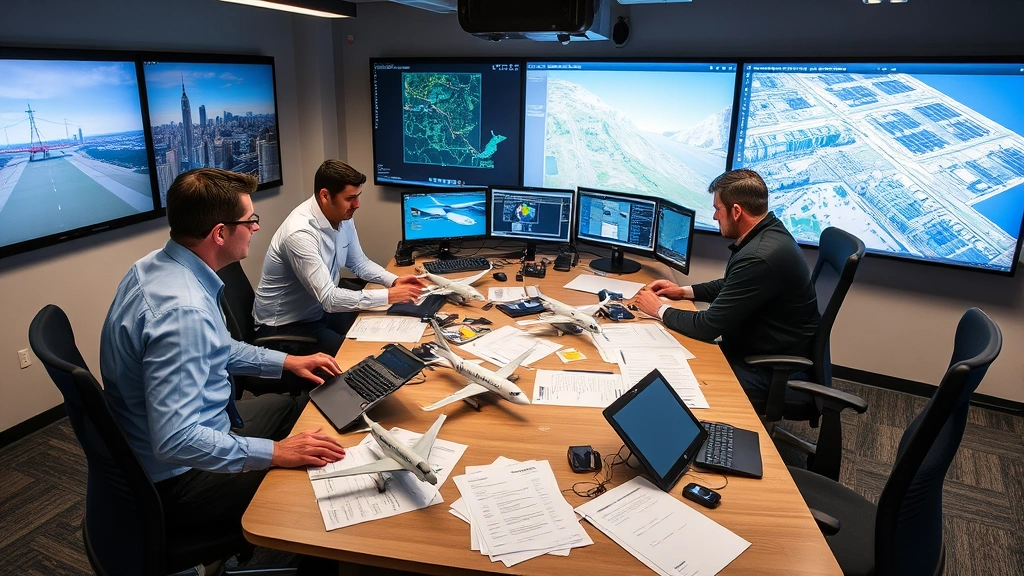
A flight dispatcher is a licensed aviation professional who serves as the link between pilots, airline operations, and air traffic control. These specialists work in airline operations centers, making critical decisions that ensure flights depart safely, arrive on schedule, and operate within all regulatory requirements. Unlike pilots who command the aircraft in the air, dispatchers manage the broader operational context before and during each flight.
Flight dispatchers hold a Federal Aviation Administration (FAA) certificate, which is a legal requirement in the United States. This certification demonstrates their comprehensive understanding of aviation regulations, meteorology, aircraft performance, and emergency procedures. The role combines technical expertise with decision-making authority, making it one of aviation’s most responsible positions outside the flight deck.
The dispatcher’s authority extends throughout a flight’s duration. They monitor weather systems, communicate with pilots about changing conditions, and can recommend alternate routes or airports if situations warrant changes. This shared responsibility between dispatcher and pilot ensures that two qualified professionals are evaluating flight safety simultaneously from different perspectives.
Core Responsibilities and Daily Tasks
Flight dispatchers manage numerous interconnected responsibilities that collectively ensure safe and efficient flight operations. Their work begins long before passengers board aircraft and continues until flights land safely at their destinations.
Pre-flight Planning and Route Selection
Dispatchers analyze weather patterns, winds aloft, and atmospheric conditions to determine optimal flight routes. They calculate fuel requirements based on aircraft type, payload weight, distance, and expected weather conditions. This analysis determines whether a flight can depart as scheduled or requires modifications. Dispatchers consult NOAA weather data and other meteorological resources to make informed decisions about flight feasibility.
Aircraft Performance Analysis
Understanding aircraft capabilities is fundamental to dispatcher responsibilities. Each aircraft type has specific performance characteristics, weight limitations, and fuel capacities. Dispatchers calculate whether specific aircraft can safely operate from available runways at their destination, especially during adverse weather conditions. This includes analyzing runway lengths, surface conditions, and altitude effects on aircraft performance.
Regulatory Compliance
Federal Aviation Regulations establish strict parameters for flight operations. Dispatchers ensure flights comply with duty time regulations, fuel reserves, alternate airport requirements, and equipment specifications. They maintain detailed records of all flight planning decisions and communications for safety audits and accident investigations.
Real-time Flight Monitoring
Once flights depart, dispatchers monitor their progress continuously. They track weather development along flight routes, communicate significant weather updates to pilots, and coordinate with air traffic control regarding any operational issues. If conditions deteriorate unexpectedly, dispatchers recommend alternate routes or emergency diversions to nearby airports.
Emergency Coordination
When aircraft experience mechanical issues, medical emergencies, or encounter severe weather, dispatchers coordinate immediate responses. They work with pilots, air traffic control, ground personnel, and emergency services to ensure safe resolutions. Their calm, methodical approach during emergencies directly influences flight safety outcomes.
Required Qualifications and Certifications
Becoming a flight dispatcher requires substantial education, training, and certification. The pathway typically takes 12-24 months from initial training through certification.
Educational Requirements
Most airlines require at least a high school diploma or GED, though many prefer some college education. Relevant coursework in aviation, meteorology, or mathematics strengthens applications significantly. Understanding basic physics, weather systems, and geography provides foundational knowledge that accelerates training.
FAA Flight Dispatcher Certificate
The FAA requires all flight dispatchers to hold a valid dispatcher certificate obtained through approved training programs. These programs cover federal aviation regulations, aircraft systems and performance, meteorology, navigation, and emergency procedures. Training typically requires 80-160 hours of classroom instruction plus self-study.
Knowledge Examination
Candidates must pass the FAA’s Flight Dispatcher Knowledge Test, which thoroughly assesses understanding of regulations, weather, aircraft performance, and emergency procedures. The test covers 14 major subject areas and requires scores of 70 percent or higher for passing. Many candidates study for 3-6 months to adequately prepare.
Practical Experience Requirements
After certification, new dispatchers typically work under supervision for 3-6 months before gaining independent authority. During this probationary period, they work alongside experienced dispatchers, gradually assuming more responsibility. Airlines evaluate their decision-making, communication skills, and judgment before granting full operational authority.
Recurrent Training
Flight dispatchers must complete recurrent training annually or biannually, depending on airline policies. This training keeps dispatchers current on regulatory changes, new aircraft types, updated procedures, and emergency protocols. Maintaining certifications requires continuous professional development throughout careers.
Career Path and Advancement Opportunities
Flight dispatcher positions offer structured career progression with multiple advancement pathways. Entry-level dispatchers typically work under supervision, progressing to senior dispatcher roles with increased authority and responsibility. Understanding flight dispatcher job opportunities helps career-seekers identify advancement potential within the aviation industry.
Entry-Level Positions
New dispatchers begin as probationary or developmental dispatchers, working specific shifts under experienced supervisors. These positions provide hands-on experience with airline procedures, aircraft types, and real operational scenarios. Entry-level dispatchers typically earn modest salaries while building expertise.
Senior Dispatcher Roles
After 2-5 years of experience, dispatchers advance to senior positions with greater authority and responsibility. Senior dispatchers may oversee junior staff, train new dispatchers, or specialize in specific aircraft types or route networks. These positions command higher compensation and greater job security.
Supervisory and Management Positions
Experienced dispatchers often transition into supervision or management roles overseeing dispatch operations. These positions involve staffing decisions, policy development, training oversight, and regulatory compliance management. Supervisory roles require strong leadership skills alongside aviation expertise.
Specialized Dispatcher Roles
Airlines increasingly create specialized dispatcher positions focusing on specific areas. International dispatchers handle complex cross-border flights with multiple regulatory jurisdictions. Weather specialists provide detailed meteorological analysis for flight planning. Safety dispatchers focus specifically on accident prevention and risk mitigation.
Exploring flight dispatch careers reveals diverse pathways for professional growth and specialization within the aviation industry.

Current Industry Trends and Job Market
The aviation industry is experiencing significant changes that directly impact flight dispatcher employment opportunities. Understanding current trends helps job-seekers position themselves competitively.
Pilot Shortage Effects
The aviation industry faces a substantial pilot shortage as experienced pilots retire faster than new pilots enter the profession. This shortage creates interesting dynamics for dispatcher recruitment, as airlines struggle to attract talent across all operational positions. Some airlines offer enhanced recruitment incentives and training sponsorships to attract dispatcher candidates.
Technology Integration
Modern dispatch operations increasingly incorporate sophisticated software systems, artificial intelligence, and data analytics. Dispatchers must adapt to technology-driven environments while maintaining their core aviation expertise. Airlines value dispatchers who combine traditional operational knowledge with technological proficiency.
Sustainability Focus
Airlines emphasize fuel efficiency and environmental responsibility, expanding dispatcher roles to include sustainability considerations. Dispatchers analyze routes for optimal fuel efficiency, coordinate with environmental compliance teams, and implement procedures reducing operational emissions. This expanding responsibility creates new specialization opportunities.
International Route Expansion
Many airlines expand international operations, creating demand for dispatchers experienced in cross-border procedures, foreign airspace requirements, and international regulations. This expansion particularly benefits dispatchers with language skills and international aviation knowledge.
Regional Airline Growth
Regional airlines continue expanding their networks, creating significant dispatcher vacancies. Regional positions often offer faster advancement opportunities than major carriers, allowing dispatchers to gain supervisory experience more quickly.
Salary and Compensation Insights
Flight dispatcher compensation varies significantly based on airline size, location, experience level, and seniority. Understanding salary expectations helps job-seekers evaluate opportunities realistically.
Entry-Level Compensation
New flight dispatchers typically earn $35,000-$45,000 annually, depending on airline and location. This modest starting salary reflects the probationary period and supervised work status. However, compensation increases substantially after certification and independent authority are granted.
Experienced Dispatcher Salaries
Dispatchers with 5-10 years experience typically earn $55,000-$75,000 annually. Major airlines operating extensive networks generally pay higher salaries than regional carriers. Unionized dispatchers often earn at the higher end of ranges due to collective bargaining agreements.
Senior Dispatcher and Supervisor Compensation
Senior dispatchers and supervisory personnel earn $70,000-$110,000 or more annually, depending on airline size and operational complexity. Major carriers with large dispatch operations offer the highest compensation packages for experienced supervisory staff.
Additional Benefits
Beyond base salary, most airlines provide comprehensive benefits packages including health insurance, retirement plans with employer matching, life insurance, and paid time off. Many airlines offer flight benefits allowing dispatchers and family members to travel at reduced fares, which provides substantial value for aviation enthusiasts.
Shift Differential Pay
Dispatchers working overnight, weekend, and holiday shifts typically receive additional pay premiums. Night shift work might pay 10-15 percent more than day shifts, encouraging experienced staff to maintain 24/7 operations coverage.
Working Conditions and Challenges
Flight dispatcher work offers rewarding opportunities alongside significant challenges. Understanding realistic working conditions helps candidates assess career fit.
24/7 Operations Environment
Airlines operate around the clock, requiring dispatchers to work rotating shifts including nights, weekends, and holidays. This schedule maintains continuous operational coverage but demands flexibility and adaptation to irregular patterns. Many dispatchers eventually adjust to shift work, while others find it incompatible with personal preferences.
High-Stress Decision-Making
Dispatchers regularly make decisions affecting passenger safety and airline operations. This responsibility creates significant psychological pressure, particularly during emergencies or severe weather situations. Developing strong stress management skills and maintaining composure under pressure are essential dispatcher competencies.
Regulatory and Accountability Pressure
Federal regulations establish strict parameters for dispatcher decisions. Every decision is documented and subject to regulatory audit. This accountability ensures safety but creates pressure to maintain perfect documentation and regulatory compliance continuously.
Technology Dependence
Dispatch operations depend entirely on computer systems, weather data feeds, and communication networks. System failures create operational challenges requiring dispatchers to implement backup procedures and manual processes. Understanding technology systems thoroughly is essential for handling failures effectively.
Interpersonal Demands
Dispatchers interact constantly with pilots, air traffic control, ground personnel, and management. Effective communication skills are essential for coordinating complex operations and resolving conflicts. Dispatchers must maintain professional demeanor during high-stress situations while communicating clearly and decisively.
For those interested in airline operations broadly, exploring best airlines for long flights provides context about major carriers operating complex dispatch systems.
FAQ
What qualifications do I need for a flight dispatcher vacancy?
You need a high school diploma or GED, completion of an FAA-approved flight dispatcher training program, and passage of the FAA Knowledge Test. Most airlines prefer some college education or aviation background. Training programs typically require 80-160 hours of instruction plus self-study.
How long does it take to become a flight dispatcher?
The typical timeline is 12-24 months from starting training through obtaining your FAA certificate. This includes classroom instruction, self-study, knowledge examination, and practical experience working under supervision. Some candidates complete the process faster with intensive programs, while others require longer preparation periods.
What is the job outlook for flight dispatchers?
The job outlook for flight dispatchers remains positive. The FAA projects steady demand as airlines expand operations and experienced dispatchers retire. Regional airlines particularly need dispatchers, and international expansion creates additional opportunities. Current industry trends suggest favorable employment prospects for qualified candidates.
Can flight dispatchers work for non-airline operations?
Yes, flight dispatchers work for various aviation organizations including cargo carriers, charter operators, military aviation, and government agencies. Each sector offers different operational environments and specializations, providing diverse career pathways for certified dispatchers.
How much does flight dispatcher training cost?
Flight dispatcher training programs typically cost $3,000-$8,000 depending on program length, location, and provider reputation. Some airlines sponsor training for promising candidates, reducing or eliminating training costs. Community colleges and specialized aviation schools offer programs at various price points.
What are typical working hours for flight dispatchers?
Flight dispatchers work rotating shifts including nights, weekends, and holidays to maintain 24/7 operations coverage. Typical shifts are 8-10 hours, with schedules rotating every few weeks or months. Some dispatchers prefer steady night shifts, while others prefer rotating patterns providing day shift time eventually.
Is the flight dispatcher certificate portable between airlines?
Yes, the FAA Flight Dispatcher Certificate is portable across airlines and aviation organizations. Once certified, you can work for any airline or aviation company recognizing the FAA certificate. However, each employer requires additional training on their specific procedures, aircraft types, and operational systems before dispatchers gain independent authority.
What advancement opportunities exist beyond senior dispatcher positions?
Beyond senior dispatcher roles, career paths include dispatch supervision, operations management, safety positions, training departments, and regulatory compliance roles. Some dispatchers transition into airline management, consulting, or aviation education. The foundational knowledge and operational experience provide valuable background for diverse aviation careers.