Flight Emotes Explained: Traveler Insights
Flight emotes have become an integral part of modern aviation culture, transforming how travelers express their emotions during flights and airport experiences. Whether you’re a seasoned globetrotter or preparing for your first journey, understanding these digital expressions can enhance your travel community engagement and help you connect with fellow passengers worldwide. From excitement and anxiety to humor and camaraderie, flight emotes capture the full spectrum of emotions that define air travel in the 21st century.
As social media platforms continue to shape travel narratives, flight emotes serve as universal symbols that transcend language barriers. Airports, airlines, and travel communities have embraced these expressive tools to foster connection among passengers who share common experiences. This comprehensive guide explores everything you need to know about flight emotes, their significance in the travel industry, and how they’ve revolutionized the way we communicate about aviation.
What Are Flight Emotes?
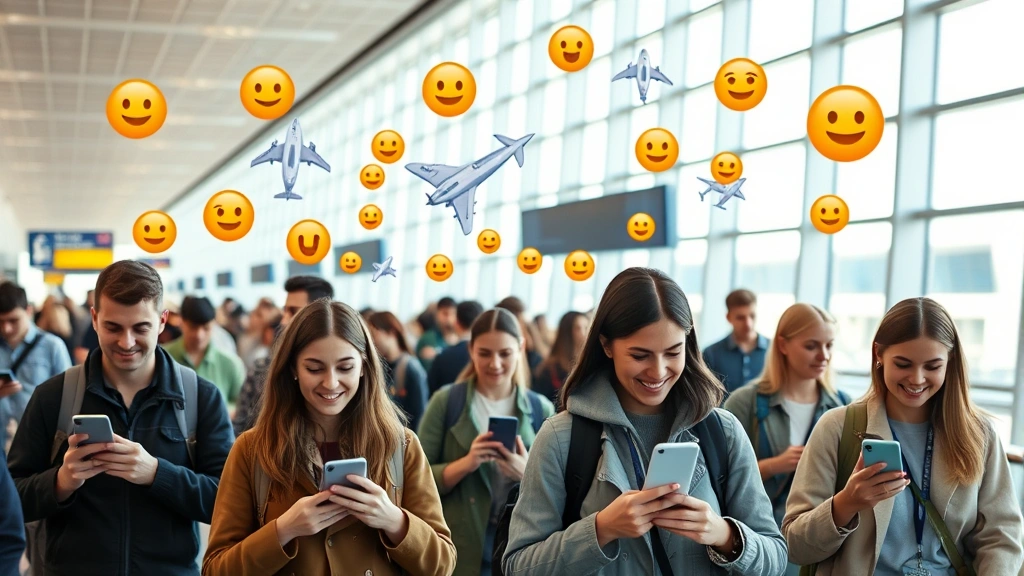
Flight emotes are digital expressions specifically designed or adapted to convey emotions, reactions, and experiences related to air travel. These include airplane emojis, custom flight-themed emoticons, and unique symbols that airlines have developed for their digital platforms. Flight emotes go beyond standard emoji libraries by incorporating aviation-specific imagery that resonates with travelers and aviation enthusiasts.
The primary flight emote is the airplane emoji (✈️), available on virtually all digital platforms. However, the flight emote universe has expanded dramatically to include variations like the small airplane (🛩️), helicopter (🚁), airplane departure (🛫), and airplane arrival (🛬) emojis. Major airlines have also created branded flight emotes featuring their logos, liveries, and mascots, allowing passengers to express loyalty and preference through digital communication.
Flight emotes serve multiple purposes in travel communication. They help travelers quickly convey their current status—whether boarding, in-flight, or arriving—without lengthy explanations. They also function as emotional markers, allowing passengers to share their feelings about upcoming trips, flight experiences, or travel delays. For travel content creators and aviation enthusiasts, flight emotes have become essential tools for creating engaging, visually appealing posts about their journeys.
The Evolution of Aviation Emotions
The history of flight emotes reflects broader changes in how we communicate digitally. Before standardized emoji systems, aviation enthusiasts relied on text-based emoticons like :✈ or ASCII art to represent flight-related emotions. The introduction of Unicode emoji standards in the early 2010s revolutionized this landscape by providing consistent, visually appealing representations across different platforms.
Airlines recognized the marketing potential of flight emotes early on. IATA (International Air Transport Association) and individual carriers began tracking how passengers used flight-related emojis in social media discussions. This data proved invaluable for understanding passenger sentiment, identifying service issues, and gauging excitement around new routes or aircraft introductions.
The evolution of flight emotes accelerated during the COVID-19 pandemic when travel restrictions and changing regulations created unprecedented emotional complexity. Travelers used flight emotes to express longing for travel, anxiety about health protocols, and celebration when flights resumed. Airlines responded by creating special commemorative emotes and digital badges celebrating the return of international travel, further cementing flight emotes as essential travel communication tools.
Today, flight emotes have become sophisticated enough to include variations representing different aircraft types, weather conditions, and travel scenarios. Some platforms now feature animated flight emotes that show planes moving across screens, adding dynamic visual appeal to travel-related messages and posts.

Common Flight Emotes and Their Meanings
Understanding the most widely used flight emotes helps you communicate more effectively within travel communities. The standard airplane emoji (✈️) remains the most versatile, appearing in contexts ranging from literal flight references to metaphorical expressions about escaping or moving forward in life. This emote typically appears in posts about upcoming trips, flight bookings, or travel planning discussions.
The airplane departure emoji (🛫) specifically represents takeoff moments and is commonly used when travelers are heading to airports or celebrating the beginning of journeys. Conversely, the airplane arrival emoji (🛬) marks landings and journey conclusions. Frequent flyers use these emotes to document their travel progression, creating visual narratives of their movements across time zones and destinations.
The helicopter emoji (🚁) carries different connotations, often representing emergency situations, rapid travel, or excitement about experiencing something extraordinary. In travel contexts, helicopter emotes frequently appear when discussing scenic flights, adventure tourism, or dramatic weather situations affecting air travel.
Beyond standard emojis, many airlines have developed custom flight emotes exclusive to their loyalty programs or social media platforms. Delta Airlines, United Airlines, and American Airlines offer branded flight emotes featuring their distinctive logos and aircraft liveries. These custom emotes strengthen brand connection and allow passengers to visually identify with their preferred carriers.
Combination flight emotes have emerged as creative communication tools. Travelers might use sequences like ✈️ + ☀️ + 🏖️ to communicate tropical vacation plans, or ✈️ + ❄️ + ⛷️ for winter sports trips. These combinations transform flight emotes into visual storytelling devices that convey entire travel narratives in compact formats.
Using Flight Emotes on Social Media
Social media platforms have become primary spaces where flight emotes thrive. Instagram, Twitter, TikTok, and Facebook all feature robust flight emote usage, with travel influencers and casual travelers alike incorporating them into captions, hashtags, and comments. When you’re posting about your travels, strategic flight emote placement enhances engagement and searchability.
On Instagram, flight emotes in captions and hashtags increase discoverability among travel-focused audiences. Posts featuring ✈️ in the caption or comments receive higher engagement from users following travel-related content. Travel bloggers often create hashtag combinations like #✈️travel or #flightmode to categorize their content and connect with like-minded travelers.
Twitter users leverage flight emotes for real-time travel updates, particularly during delays or cancellations. The brevity of tweets makes flight emotes invaluable for conveying status quickly. A single tweet like “Delayed at LAX 🛫😤” communicates both location and emotion efficiently, allowing followers to understand the situation immediately.
TikTok creators use flight emotes in video captions and overlays to signal travel content, helping algorithms categorize and recommend their videos to appropriate audiences. The platform’s emphasis on hashtags makes flight emotes particularly valuable for discoverability, as they function as visual indicators of content themes.
Facebook groups dedicated to frequent flyers and airline enthusiasts extensively utilize flight emotes in discussions. Members use them to celebrate airline announcements, discuss new aircraft deliveries, or share flight reviews. The communal aspect of these groups amplifies flight emote usage, creating visual traditions unique to each community.
Flight Emotes in Airline Communities
Airline communities—both official and fan-created—have developed sophisticated flight emote cultures. Official airline accounts use branded flight emotes to create consistent visual identity across posts. When Southwest Airlines posts about new routes, they typically include their distinctive heart-logo flight emote, reinforcing brand recognition and emotional connection with followers.
Aviation enthusiast communities on Reddit, Discord, and specialized forums have created extended flight emote vocabularies. Members of these communities understand nuanced distinctions between aircraft types, airlines, and travel scenarios expressed through specific emote combinations. For example, aviation professionals discussing flight dispatcher responsibilities might use specific emotes to represent different aircraft categories or operational scenarios.
Loyalty program members recognize airline-specific flight emotes as status symbols. Achieving elite status often comes with access to exclusive flight emotes, creating aspirational value within these communities. Passengers proudly display these earned emotes in their social media profiles, signaling their frequent flyer status and airline preference to others.
Airlines have gamified flight emote usage through special campaigns. During summer travel season, airlines might release limited-edition flight emotes available only to passengers booking during specific periods. This scarcity creates urgency and encourages participation in airline-sponsored social media campaigns.
The Psychology Behind Flight Emotes
Flight emotes tap into fundamental human psychology by providing visual shortcuts for complex emotions. Psychologists studying digital communication recognize that emotes reduce ambiguity in text-based messaging, allowing travelers to convey tone and emotion that might otherwise be misinterpreted. A message about flight delays feels entirely different when accompanied by 😤 versus 😊, even though the factual content remains identical.
Travel-specific anxiety finds expression through flight emotes. Nervous flyers use anxious-faced flight emote combinations (✈️ + 😰) to share pre-flight jitters with understanding communities. This vulnerability-sharing creates social bonding, as other travelers respond with reassurance and shared experiences. The process of expressing anxiety through emotes can actually reduce psychological distress by normalizing common travel concerns.
Flight emotes also satisfy our psychological need for community and belonging. When you use the same flight emotes as thousands of other travelers, you’re participating in a shared cultural practice. This creates a sense of connection to a global community of people who understand aviation and travel experiences. For frequent travelers, this community provides crucial social support and validation.
The visual nature of flight emotes engages different parts of our brains than text alone. When your brain processes the airplane emoji alongside written content about travel, you’re activating both linguistic and visual processing centers. This multi-sensory engagement increases memory retention and emotional impact of travel-related communications.
Flight Emotes and Passenger Experience
Airlines increasingly recognize that flight emotes influence passenger experience and satisfaction metrics. When passengers use positive flight emotes in reviews and social media posts, it signals satisfaction with service quality. Conversely, negative flight emote patterns can alert airlines to systemic issues requiring attention. Many airlines now employ social media analysts who specifically track flight emote usage to gauge passenger sentiment in real-time.
The passenger journey from booking through arrival now incorporates multiple flight emote touchpoints. Confirmation emails might feature flight emotes to create excitement about upcoming travel. In-flight entertainment systems display flight emotes during landing celebrations. Post-flight surveys ask passengers to rate their experience using emote-based scales, making the feedback process more intuitive and engaging.
Flight emotes have become part of the unboxing and sharing experience for travelers. When passengers receive physical boarding passes or luggage tags featuring flight emotes, they’re more likely to photograph and share them on social media. Airlines understand this behavior and deliberately design these touchpoints to be emote-worthy, creating organic marketing opportunities.
Accessibility considerations have influenced how airlines approach flight emotes. Recognizing that some passengers rely on screen readers or have visual impairments, airlines ensure their flight emotes include proper alternative text descriptions. This inclusive approach ensures all passengers can participate in flight emote-based communication and community engagement.
Best Practices for Flight Emote Usage
Using flight emotes effectively requires understanding context and audience expectations. In professional aviation contexts—such as when discussing flight dispatcher positions or industry issues—flight emotes should be used sparingly and strategically. A single flight emote can add personality to a professional post without undermining credibility, but excessive use might suggest lack of seriousness.
Personal travel posts benefit from generous flight emote usage. When sharing vacation photos or trip planning updates with friends and followers, flight emotes enhance emotional expression and visual appeal. The key is ensuring emote selection matches the actual content and sentiment of your post. Using sad-faced emotes with vacation photos creates cognitive dissonance that confuses your audience.
Timing matters significantly for flight emote effectiveness. Using flight emotes in real-time updates—posting ✈️ + 🎉 immediately after booking flights—creates authenticity and immediacy that builds engagement. Delayed posts about travel experiences feel less emotionally resonant, even when accompanied by appropriate flight emotes.
Consider your audience’s familiarity with aviation terminology and culture. General audiences understand basic flight emotes like ✈️ and 🛫, but specialized aviation communities recognize more nuanced distinctions. When posting about career opportunities like flight instructor positions, you can use more specialized aviation emotes that resonate with industry professionals reading your content.
Platform-specific best practices enhance flight emote effectiveness. Instagram favors flight emotes in captions and first comments, where they’re immediately visible. Twitter benefits from flight emotes in the tweet text itself, where they attract attention in crowded feeds. LinkedIn, despite being professional-focused, increasingly accepts flight emotes in travel and career-related posts, though restraint remains advisable.
Combining flight emotes with relevant hashtags creates powerful discoverability combinations. Posts tagged with #✈️travel, #flightmode, and #wanderlust alongside flight emotes reach broader audiences interested in travel content. However, avoid hashtag stuffing, which can make posts appear spammy and undermine the authentic emotional expression that makes flight emotes effective.
Cultural sensitivity should guide flight emote usage. In contexts discussing aviation accidents or tragedies, flight emotes are completely inappropriate. Conversely, celebrating aviation achievements, milestone flights, or travel accomplishments makes flight emotes genuinely meaningful. Always consider whether your emote usage adds to or detracts from the emotional tone of your message.
FAQ
What is the most commonly used flight emote?
The standard airplane emoji (✈️) remains the most universally recognized and frequently used flight emote across all platforms and contexts. Its versatility allows it to represent literal flights, travel plans, or metaphorical concepts of moving forward and progress.
Can airlines trademark their custom flight emotes?
Yes, airlines can trademark their branded flight emotes, particularly those featuring distinctive logos or liveries. These trademarks protect airlines’ intellectual property and prevent unauthorized use of their branded symbols in commercial contexts.
Do flight emotes affect airline booking rates?
Research suggests flight emotes influence social media engagement around travel content, which can indirectly affect booking decisions. Posts featuring appropriate flight emotes receive higher engagement, making travel content more visible to potential passengers.
Are there flight emotes for specific aircraft types?
While standard emoji sets don’t include aircraft-specific emotes, aviation communities and some airlines have created custom emotes representing Boeing 787s, Airbus A380s, and other aircraft types. These specialized emotes appeal primarily to aviation enthusiasts and industry professionals.
How do flight emotes work on older phones?
Older phones with limited emoji support may display flight emotes as blank squares or generic symbols. However, most smartphones manufactured after 2015 support comprehensive emoji sets including all standard flight emotes.
Can flight emotes be used in official airline communications?
Yes, many airlines use flight emotes in official communications, including customer service responses, promotional materials, and operational updates. This approach makes communications feel more personable and engaging while maintaining professionalism.
What’s the difference between airplane and helicopter emotes?
Airplane emotes (✈️, 🛫, 🛬) represent fixed-wing commercial or private aviation, while helicopter emotes (🚁) represent rotary-wing aircraft. Helicopter emotes often convey excitement, emergency situations, or specialized aviation experiences.