Fear of Flying? Expert Advice to Overcome It
Aerophobia, commonly known as fear of flying, affects millions of travelers worldwide. Whether you’re planning a flight to Banff or embarking on international adventures, anxiety about air travel can significantly impact your journey. The good news is that this fear is manageable with the right strategies, expert guidance, and practical preparation. Understanding the root causes of flight anxiety and learning evidence-based coping techniques can transform your relationship with air travel from one of dread to one of confidence.
Modern commercial aviation is one of the safest forms of transportation available today. Yet statistics and safety records often fail to reassure anxious flyers whose fear operates on an emotional rather than logical level. This comprehensive guide provides expert-backed strategies to help you overcome flight anxiety, manage panic symptoms during flights, and ultimately enjoy the freedom that air travel offers. From understanding aircraft mechanics to mastering breathing techniques, we’ll explore practical solutions that have helped thousands of nervous travelers reclaim their confidence in the skies.
Understanding Your Fear of Flying
Fear of flying typically stems from several interconnected sources. Many anxious flyers worry about loss of control, being trapped in an enclosed space, or catastrophic outcomes despite knowing statistically that flying is extremely safe. Some fears develop after experiencing turbulence, while others emerge from traumatic events or anxiety disorders. Understanding the specific nature of your fear is the crucial first step toward addressing it effectively.
Psychologists recognize that flight anxiety often combines multiple concerns: fear of the aircraft itself, anxiety about turbulence, worry about pilot competence, or claustrophobia triggered by the cabin environment. Some travelers experience anticipatory anxiety that begins weeks before their scheduled flight, while others manage fine until boarding the aircraft. Identifying whether your fear is rooted in rational concerns about safety or emotional responses to perceived threats helps determine the most effective intervention strategy.
Research from the Federal Aviation Administration consistently demonstrates that commercial aviation maintains extraordinary safety standards. Modern aircraft undergo rigorous maintenance protocols, pilots receive extensive training and certification, and air traffic control systems employ redundant safety measures. Yet for those experiencing flight anxiety, intellectual understanding of these facts often provides little comfort. This disconnect between knowledge and emotion is precisely why specialized coping strategies prove invaluable.
Recognizing Physical Symptoms and Triggers
Flight anxiety manifests through various physical symptoms that can range from mild discomfort to severe panic. Common physical responses include elevated heart rate, rapid breathing, sweating, nausea, dizziness, and muscle tension. Some anxious flyers experience insomnia nights before their flight or develop gastrointestinal issues related to stress. Recognizing these symptoms as anxiety responses rather than signs of danger helps you respond more effectively during flights.
Specific triggers often precipitate anxiety escalation. The moment you book a flight, anxiety may intensify. Sitting in the airport terminal, hearing aircraft sounds, or watching planes through windows can trigger panic symptoms. During boarding, the confined space and slow movement down the aisle challenges claustrophobic anxieties. Takeoff and landing represent particularly anxiety-inducing phases for many flyers. Turbulence—even mild turbulence that poses no safety risk—can trigger severe panic responses. Identifying your personal triggers enables you to develop targeted coping strategies for those specific moments.
The anxiety cycle often self-perpetuates: physical symptoms of anxiety (racing heart, shallow breathing) get interpreted as signs of danger, which intensifies fear, which amplifies physical symptoms further. Breaking this cycle requires interventions that address both the physical sensations and the cognitive interpretations driving them. This is why comprehensive approaches combining breathing techniques, cognitive reframing, and practical preparation prove most effective.
Expert Strategies to Manage Flight Anxiety
Aviation psychologists and anxiety specialists recommend several evidence-based strategies for managing flight fear. These techniques have helped thousands of nervous travelers successfully complete flights and gradually reduce their anxiety levels. The most effective approach typically combines multiple strategies tailored to your specific fears and learning style.
Cognitive Behavioral Therapy (CBT) Techniques
Cognitive behavioral therapy represents the gold standard for treating anxiety disorders, including flight phobia. CBT works by identifying and challenging catastrophic thoughts that fuel anxiety. When you notice yourself thinking “the plane will crash,” CBT teaches you to examine the evidence for and against this thought, develop more balanced perspectives, and replace anxiety-driven thoughts with realistic assessments. Working with a therapist trained in aviation anxiety can accelerate progress, though self-directed CBT using specialized resources also proves beneficial.
Exposure therapy, a key CBT component, involves gradually exposing yourself to anxiety-triggering situations in a controlled manner. This might begin with watching videos of aircraft operations, progressing to visiting airports, then sitting in parked aircraft, and eventually taking short flights. Each successful exposure without the feared catastrophe occurring helps recalibrate your threat perception system.
Breathing and Relaxation Techniques
Controlled breathing directly counteracts the physical panic response. The 4-7-8 breathing technique—inhaling for four counts, holding for seven, exhaling for eight—activates your parasympathetic nervous system, reducing heart rate and anxiety. Progressive muscle relaxation, where you systematically tense and release muscle groups throughout your body, provides both physical relaxation and a mental focus point that diverts attention from anxious thoughts.
Visualization techniques involve mentally rehearsing successful flights in vivid detail. By repeatedly imagining yourself boarding calmly, sitting comfortably during flight, and landing safely, you create neural pathways that make these scenarios feel more familiar and less threatening when they actually occur. Many successful flyers spend minutes daily during the week before their flight visualizing positive flight experiences.
Grounding Techniques for Panic Management
Grounding techniques anchor your awareness to the present moment, interrupting the anxiety spiral. The 5-4-3-2-1 technique involves identifying five things you can see, four you can touch, three you can hear, two you can smell, and one you can taste. This sensory focus redirects your mind from catastrophic thoughts to observable reality. During flights, grounding techniques help you manage panic symptoms if they arise, providing immediate relief without requiring medication.
Preparation Before Your Flight
Thorough pre-flight preparation significantly reduces anxiety by eliminating unknowns and building confidence. Start your preparation well in advance, ideally several weeks before your scheduled flight. This extended timeline prevents last-minute stress from compounding your baseline anxiety.
Research and Education
Learning how aircraft actually operate demystifies the flying experience and replaces fear-based assumptions with facts. Understanding why aircraft need long takeoff distances, how pilots respond to turbulence, what those strange noises during flight actually indicate, and why aircraft are designed with multiple redundant safety systems builds rational confidence. Websites like SKYbrary and YouTube channels dedicated to aviation safety provide accessible, accurate information. Reading about flight news and travel tips from reputable sources normalizes air travel and demonstrates its routine nature.
Choosing the Right Airline
Selecting an airline with excellent safety records and customer service can reduce anxiety. Reading reviews about airline atmosphere, crew attentiveness, and passenger comfort helps you know what to expect. Consider researching best airlines for long flights if you’re taking extended journeys, as certain carriers excel at creating comfortable environments that ease anxiety. Newer aircraft with modern technology sometimes feel less anxiety-triggering than older planes, though all commercial aircraft meet rigorous safety standards.
Booking and Logistical Planning
When booking refundable airline tickets, you eliminate anxiety about being financially trapped if you decide you cannot fly. Choosing refundable fares provides psychological flexibility, even if you ultimately fly. Booking direct flights when possible eliminates connection anxiety. Selecting seats strategically—many anxious flyers prefer window seats for perceived control or aisle seats for easier bathroom access—addresses specific comfort concerns. Arriving early at the airport prevents rushed stress and allows time to acclimate to the airport environment.
Physical Preparation
In the days before your flight, prioritize sleep, hydration, and exercise. Regular physical activity reduces baseline anxiety and improves sleep quality. Limit caffeine consumption, which can amplify anxiety symptoms. Some travelers find magnesium supplements helpful for relaxation, though consult your healthcare provider before starting any supplement regimen. On flight day, eat balanced meals to maintain stable blood sugar and avoid empty-stomach anxiety.
Coping Techniques During the Flight
Even with thorough preparation, anxiety often intensifies once you’re on the aircraft. Having specific, practiced coping techniques ready enables you to manage symptoms effectively in the moment.
Boarding and Takeoff
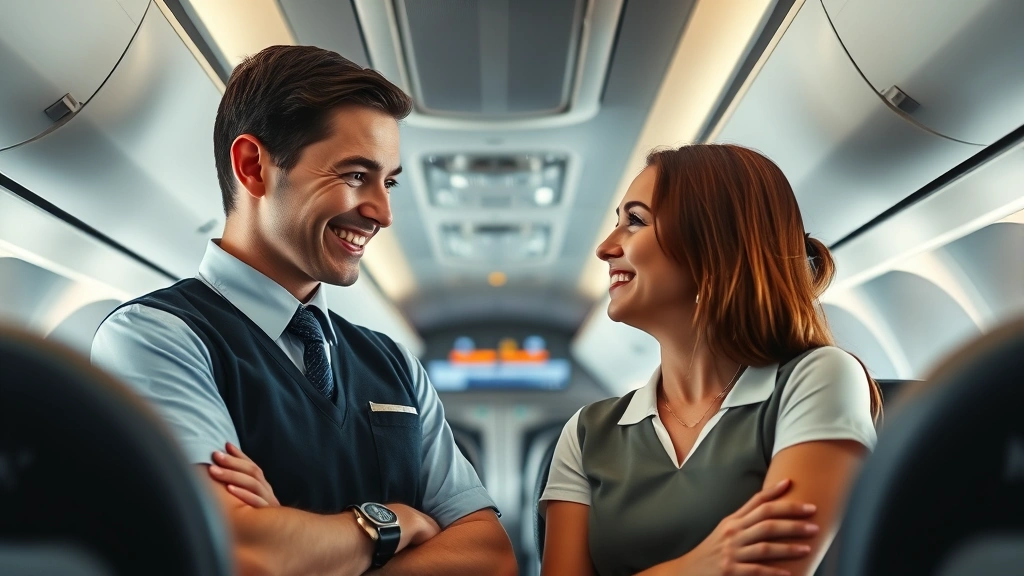
Boarding can trigger significant anxiety for claustrophobic flyers. Arriving late to boarding, after most passengers have seated, reduces the crowd stress. Once seated, orient yourself by locating emergency exits, reviewing safety information, and noting that flight attendants appear calm and professional. Their routine demeanor signals that this is an ordinary flight. Practice your breathing technique as the aircraft fills. Many flyers find it helpful to inform flight attendants about their anxiety; crew members are trained to provide reassurance and check on nervous passengers throughout the flight.
During takeoff, focus on the physical sensations of acceleration and lift-off. These sensations feel unusual but are entirely normal and expected. Rather than resisting the unfamiliar feeling, lean into observing it. The sounds and vibrations you hear are routine aircraft operations, not indicators of malfunction. Grounding techniques work particularly well during takeoff—focus on your seatbelt, the seat texture, the window view—to anchor yourself in the present moment.
Turbulence Management
Turbulence represents the most anxiety-triggering flight phase for many passengers. Understanding that turbulence, though uncomfortable, poses no safety risk helps contextualize the experience. Aircraft are engineered to withstand turbulence far more severe than passengers ever encounter. Pilots actively avoid severe turbulence when possible and reduce speed when encountering moderate turbulence to increase passenger comfort, not because of safety concerns.
When turbulence occurs, maintain your breathing pattern and avoid tensing your muscles, which amplifies discomfort. Use grounding techniques or engage with a movie, book, or conversation to redirect your attention. Some anxious flyers find it helpful to remind themselves “this is turbulence, not danger” during rough patches. If panic begins rising, alert a flight attendant who can provide reassurance and sometimes offer calming medication if appropriate.
Managing the Flight Duration
For longer flights, plan entertainment and activities that fully engage your attention. Immersive movies, engaging books, or work projects prevent your mind from cycling through anxious thoughts. Tactical movement—getting up to use the restroom, walking the aisles, doing subtle exercises in your seat—addresses both the physical restlessness anxiety creates and the claustrophobic feelings of being confined. Consult our essential tips for long haul flights for comprehensive strategies specific to extended journeys.
Connecting with flight attendants provides grounding and human contact that reduces isolation anxiety. Asking them questions about the flight, requesting water or snacks, or simply having brief conversations normalizes the flight experience and reminds you that you’re in a social environment with trained professionals monitoring the situation.
When to Seek Professional Help
If self-directed strategies prove insufficient, professional support can accelerate progress significantly. Aviation-specific anxiety therapy has helped countless severe phobics overcome their fear and resume flying. Several professional options exist depending on your needs and preferences.
Therapy and Counseling
Therapists specializing in anxiety disorders or phobias can provide targeted cognitive behavioral therapy specifically designed for flight anxiety. Some therapists offer exposure therapy involving visits to actual airports or aircraft. Virtual reality exposure therapy, where you experience simulated flights in a therapist’s office, provides safe exposure to anxiety triggers while building coping skills. This technology has proven particularly effective for severe phobics who cannot imagine boarding an actual aircraft.
Fear of Flying Programs
Some airlines and aviation organizations offer structured fear of flying programs combining education, exposure, and support. These programs often include classroom instruction about aircraft operations, cockpit visits where pilots explain aircraft systems, and sometimes actual group flights with therapists and pilots present. The combination of education, exposure, and peer support in these programs produces high success rates. Check with major airlines to learn about programs they offer or recommend.
Medication Consultation
For severe anxiety, consulting a psychiatrist about anti-anxiety medication can provide relief during the acute flight situation. Some travelers benefit from short-term medication taken only on flight days, while others find that longer-term anxiety treatment reduces baseline anxiety that makes flying feel more manageable. Discuss medication options with your healthcare provider well before your flight to allow time for finding the right approach.
Airline Support Programs and Resources
Major airlines recognize that flight anxiety affects their passengers and offer support resources. Many carriers provide detailed information about aircraft types, operations, and safety systems on their websites. Some airlines offer virtual cockpit tours or educational videos about what happens during different flight phases.
When booking your flight, inform the airline about your anxiety. Most carriers offer “nervous flyer” services that might include pre-flight consultations, seat selection accommodations, or crew check-ins during the flight. Flight attendants can provide reassurance, answer questions about noises and sensations, and alert you before turbulence so you’re mentally prepared. These simple accommodations often significantly reduce anxiety.
The International Air Transport Association maintains extensive safety information and statistics that demonstrate aviation’s exceptional safety record. Reviewing this data during your preparation phase provides rational reassurance to complement your emotional coping strategies.
Consider checking FAA passenger information resources for additional guidance on what to expect during air travel. Many travelers find that understanding FAA regulations and safety requirements provides confidence in aviation systems. Additionally, TSA resources can help you navigate airport security smoothly, eliminating one potential source of flight-day stress.
When determining the best times to book airline tickets, consider that booking in advance allows you more preparation time before your flight, which can reduce overall anxiety. Early booking also provides flexibility to choose optimal flight times and aircraft types, accommodating your specific preferences.
FAQ
Is fear of flying a real medical condition?
Yes, aerophobia is recognized as a specific phobia in the Diagnostic and Statistical Manual of Mental Disorders. It’s a legitimate anxiety condition affecting approximately 6-12% of the population significantly and many more to lesser degrees. The fear activates genuine physiological responses and deserves appropriate treatment.
Can I take medication to manage flight anxiety?
Many people benefit from anti-anxiety medications taken on flight days. Common options include short-acting benzodiazepines like lorazepam. However, medications work best combined with coping strategies rather than as standalone solutions. Consult your healthcare provider about what options might suit your specific situation. Some people find that longer-term anxiety treatment reduces baseline anxiety, making flying feel more manageable.
How long does it take to overcome flight anxiety?
The timeline varies significantly based on anxiety severity, your commitment to practicing coping techniques, and whether you pursue professional help. Some people experience meaningful improvement within weeks of starting cognitive behavioral therapy, while others require months of consistent practice. The good news is that with appropriate strategies and persistence, the vast majority of people with flight anxiety can successfully overcome it.
Should I avoid flying if I have severe anxiety?
Avoidance typically reinforces anxiety by preventing you from learning that flying is safe and manageable. While severe anxiety warrants professional support, completely avoiding flights often intensifies the phobia over time. Working with a therapist on gradual exposure while building coping skills provides the most effective path to confidence and freedom.
What makes turbulence feel so frightening?
Turbulence feels frightening because it’s unfamiliar and represents loss of control. However, aircraft are specifically designed to handle turbulence far more severe than passengers experience. Pilots are trained extensively in turbulence management. Understanding that turbulence is uncomfortable but not dangerous, combined with grounding techniques to manage the physical sensations, helps reduce turbulence anxiety significantly.
Can I request special accommodations for my flight anxiety?
Yes, most airlines accommodate nervous flyers. Request accommodations when booking or by contacting the airline directly. Common accommodations include preferred seating, crew check-ins, pre-flight information, or allowing you to board early to acclimate. Some airlines offer special assistance programs for anxious passengers. Don’t hesitate to ask—crew members are trained to support passengers with anxiety.