Flight Tongue: Travel Insights from Industry Experts
The aviation industry has its own unique language—a specialized vocabulary that pilots, flight attendants, air traffic controllers, and seasoned travelers use daily. Understanding “flight tongue” not only gives you insider knowledge but also enhances your travel experience and helps you navigate airports with confidence. Whether you’re a frequent flyer or planning your first international journey, learning the terminology and insights shared by industry professionals will transform how you approach air travel.
In this comprehensive guide, we’ll decode the jargon, explain industry best practices, and share expert tips that can make your flights smoother, more comfortable, and more enjoyable. From pre-flight preparations to in-flight etiquette, these insights come directly from aviation professionals who spend their careers in the skies.
Essential Aviation Terminology Every Traveler Should Know
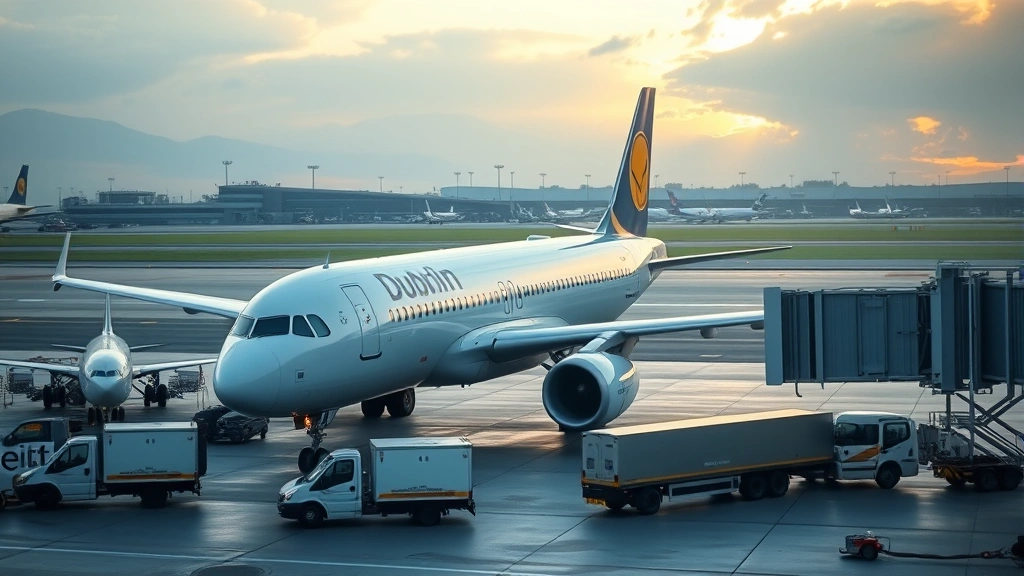
Flight tongue begins with understanding the basic vocabulary that aviation professionals use daily. When you hear crew members discussing “cross-check” or mentioning “pushback,” these terms have specific meanings that affect your flight experience. Cross-check refers to flight attendants verifying that doors are properly closed and secure before departure—a critical safety procedure. Pushback is the process where a tug vehicle moves the aircraft away from the gate, a necessary step before taxiing to the runway.
Other common terms include “holding pattern,” which describes when an aircraft circles in a designated area while waiting for landing clearance. “Go-around” means the pilot aborts a landing attempt and climbs back to altitude, often due to weather, runway obstruction, or air traffic control instructions. Understanding these terms helps you stay calm during flight delays—they’re normal operational procedures, not emergencies.
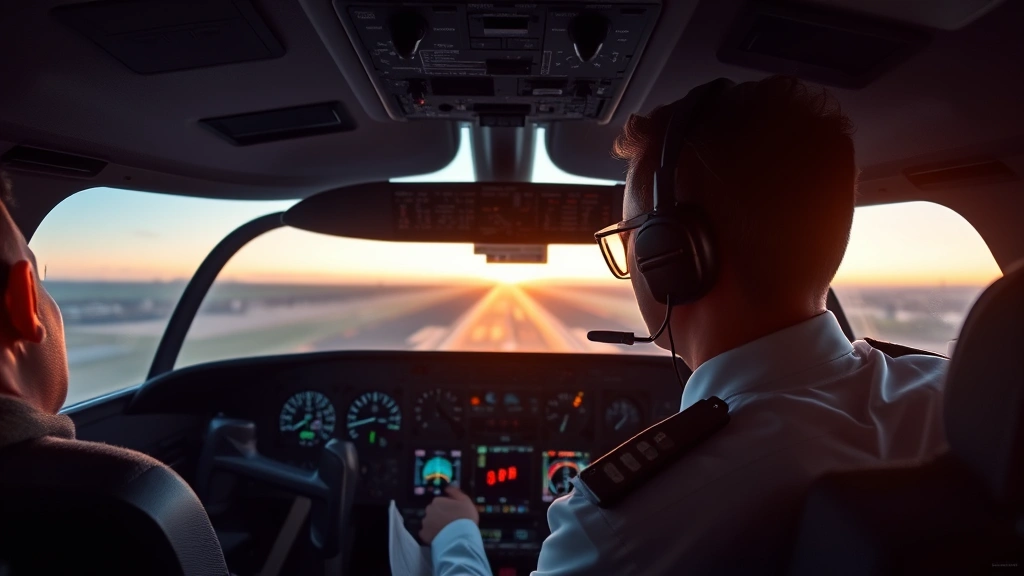
The “sterile cockpit rule” is another crucial concept. This protocol requires flight crews to minimize non-essential communication during critical phases of flight, particularly during takeoff and landing. This explains why you might notice crew members becoming quieter and more focused during these times—it’s a safety measure, not rudeness.
When booking flights, you’ll encounter terms like “direct flight” and “non-stop.” These aren’t synonymous. A direct flight may include stops but maintains the same flight number, while a non-stop flight goes directly from origin to destination without landing. This distinction matters significantly when planning tight connections, especially for Denver to Vegas flights or other popular routes.
[IMAGE_1]
Decoding Airline Operations and Flight Procedures
Industry experts emphasize that understanding how airlines operate behind the scenes transforms your travel perspective. “Duty time” and “flight time” are distinct concepts that affect crew scheduling and your flight experience. Flight time is actual airborne time, while duty time includes all hours from when crew members report for work until they’re released. Regulations limit duty time to ensure crew alertness and passenger safety.
The “turnaround time” is the interval between an aircraft landing and departing again. Airlines schedule these carefully—typically 30-50 minutes for domestic flights—to allow for passenger boarding, refueling, cleaning, and maintenance checks. This is why delays often cascade; if an early flight runs late, it impacts subsequent departures.
Understanding “aircraft weight and balance” helps explain why airlines manage baggage placement and passenger seating. Flight crews calculate exact weight distribution to ensure proper aircraft handling and fuel efficiency. This technical consideration directly affects your comfort and safety during flight.
When exploring best airlines for long flights, you’ll notice industry leaders prioritize crew rest protocols. Airlines operating flights to Maldives and other ultra-long-haul routes employ multiple crews to ensure adequate rest periods, directly improving service quality and safety.
The “minimum equipment list” (MEL) is a critical document outlining which aircraft systems can remain inoperative while still maintaining airworthiness. This explains why flights sometimes depart with non-critical systems temporarily offline—regulatory authorities have approved this practice as safe.
Expert Tips for Maximizing Your Flight Comfort
Flight attendants and seasoned travelers share consistent advice for comfortable flying. Hydration tops every expert’s list—cabin air is extremely dry, and dehydration contributes to jet lag and general discomfort. Drink water consistently throughout your flight, limiting alcohol and caffeine which have diuretic effects.
Compression socks are endorsed by flight medical professionals, particularly for essential tips for long haul flights. These prevent blood clots during extended periods of immobility and reduce swelling in your feet and ankles. Industry experts recommend wearing them during flights exceeding 4-6 hours.
The timing of your sleep is crucial. If traveling eastward across multiple time zones, sleep on the plane to align with your destination’s nighttime. For westward travel, stay awake and sleep after arrival. This advice from aviation medical consultants significantly reduces jet lag severity.
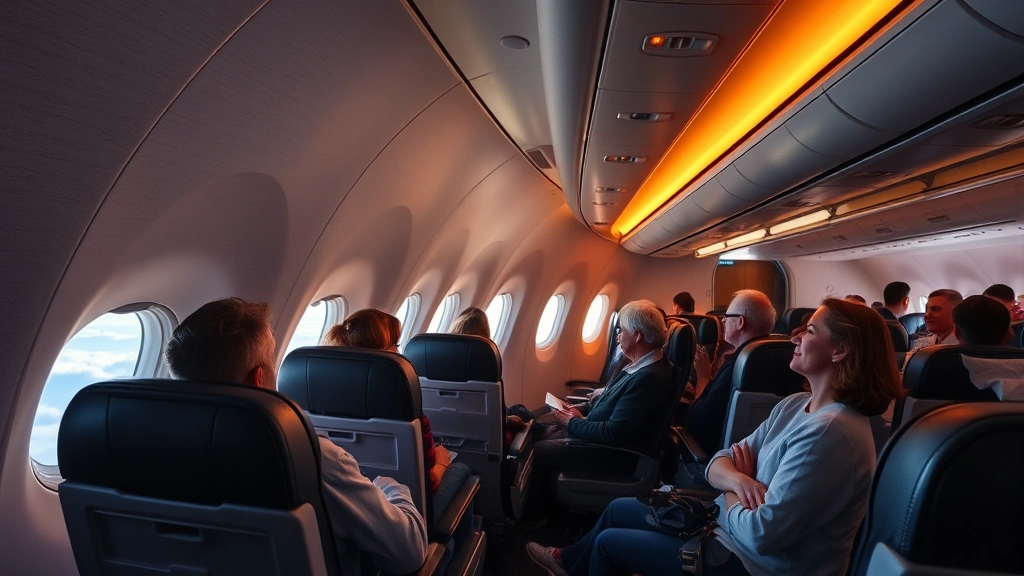
Seat selection strategies vary by aircraft type. Window seats offer wall support and privacy but require climbing over seatmates for restroom visits. Aisle seats provide easier access and leg stretching opportunities. Experienced travelers often request seats over the wing—this area experiences the least motion turbulence. Exit row seats offer extra legroom but come with safety responsibilities.
Cabin crew professionals recommend moving around the cabin every 2-3 hours during long flights. Simple calf raises, walking the aisles, and shoulder rolls maintain circulation and prevent stiffness. These movements take minimal time but significantly impact how you feel upon landing.
When seeking how to find cheap airline tickets to Europe, don’t overlook comfort-focused budget airlines. Some budget carriers offer surprisingly comfortable experiences through thoughtful cabin design, even at economy prices.
Understanding Airline Communication and Safety Protocols
Safety demonstrations follow strict protocols established by aviation authorities. The Federal Aviation Administration (FAA) requires specific safety information be communicated to every passenger before takeoff. While frequent flyers might find these demonstrations repetitive, they serve critical legal and safety functions.
When crew members discuss “cross-bleed checks” or “flight deck preparation,” they’re executing pre-flight procedures documented in aircraft manuals and regulatory guidelines. These systematic checks catch potential issues before they become problems. This methodical approach—sometimes appearing slow to passengers—actually accelerates overall safety and reliability.
The “brace position” taught during safety demonstrations isn’t pessimistic; it’s evidence-based injury prevention. Aviation safety data shows this position dramatically reduces injuries during emergency landings. Flight crews train extensively on emergency procedures because preparation saves lives.
Communication between pilots and air traffic control follows standardized phraseology worldwide. This reduces miscommunication risks in an environment where precision is essential. When you hear pilots using formal, sometimes repetitive language with ATC, it’s intentional redundancy designed for clarity.
Understanding “NOTAM” (Notices to Airmen) explains why airlines sometimes change flight paths or request specific altitudes. These notices inform pilots of temporary hazards, runway closures, or restricted airspace. Your airline’s routing decisions reflect real-time compliance with these operational requirements.
Insider Knowledge for International Travel
Industry professionals who regularly operate international routes offer valuable insights. “Schengen time” and passport control procedures vary significantly by destination. Research your specific routing on SkyVoyage Hub Blog for detailed destination information and current requirements.
When traveling internationally, airlines use “through-check baggage,” meaning luggage is tagged to your final destination and transferred between flights automatically. However, during layovers in certain countries, you may need to retrieve and recheck baggage due to customs requirements. Understanding this distinction prevents missed connections.
The “duty-free” concept extends beyond shopping. Items purchased in duty-free zones have specific import restrictions in destination countries. Industry experts recommend purchasing duty-free items only after your final security checkpoint to avoid complications.
For travelers planning exotic destinations, understanding “open-jaw” ticketing allows arriving in one city and departing from another, maximizing your travel experience. Airlines accommodate this routing, and travel agents can structure itineraries accordingly.
Crew members on international routes emphasize the importance of checking State Department travel advisories and destination-specific requirements. Visa requirements, vaccination mandates, and entry restrictions change frequently, and airline staff can only provide general information.
Flight Crew Perspectives on Passenger Behavior
Flight attendants and pilots share consistent observations about passenger behavior that impacts everyone’s experience. Early boarding cooperation seems simple but significantly affects departure delays. Passengers who board efficiently, stow baggage properly, and take seats promptly help maintain schedule integrity.
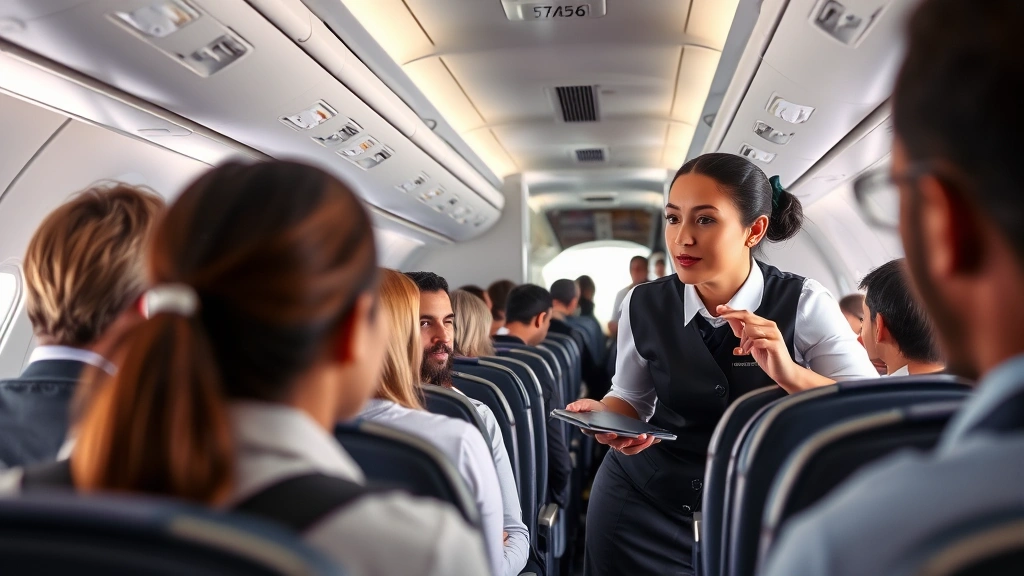
Crew professionals consistently mention that treating flight staff with basic courtesy and respect creates noticeably better service experiences. Flight attendants work in challenging conditions—narrow aisles, turbulence, demanding schedules—and genuine politeness makes their jobs more pleasant and your experience better.
Industry experts note that understanding “equipment limitations” reduces frustration with service timing. Galley space on some aircraft limits meal service speed. Lavatory availability varies dramatically by aircraft type. These aren’t intentional service reductions; they’re physical realities of different aircraft designs.
Pilots and crew members emphasize that turbulence, while uncomfortable, is rarely dangerous. Modern aircraft are engineered to withstand extreme conditions. Turbulence is more about comfort than safety—remaining seated with seatbelts fastened protects you from injury when unexpected bumps occur.
The “mile-high club” might seem harmless, but crew members take lavatory misuse seriously. Occupied lavatories interfere with emergency procedures, and inappropriate behavior in lavatories creates safety and sanitation issues. Flight crews have authority to restrict lavatory access if necessary.
Finally, industry professionals emphasize that flight delays and cancellations, while frustrating, often reflect safety-first decision-making. Airlines prioritize passenger safety over schedule adherence—a philosophy that occasionally means delays but ultimately protects everyone aboard.
Frequently Asked Questions
What does “flight tongue” actually mean in the aviation industry?
Flight tongue refers to the specialized vocabulary, terminology, and industry jargon used by aviation professionals. It encompasses technical terms pilots use, crew communication protocols, operational procedures, and insider knowledge about how airlines function. Understanding this language helps travelers navigate airports more confidently and appreciate the complexity of air travel.
Why do pilots use formal phraseology when communicating with air traffic control?
Standardized phraseology reduces miscommunication risks in a high-stakes environment where clarity is essential. The International Civil Aviation Organization (ICAO) mandates specific language to ensure pilots worldwide understand ATC instructions identically, regardless of native language or accent. This formal approach prevents dangerous misunderstandings.
What’s the difference between a direct flight and a non-stop flight?
A non-stop flight goes directly from origin to destination without landing. A direct flight maintains the same flight number but may include one or more stops. This distinction matters when booking, as direct flights with stops might have extended travel times compared to non-stop alternatives.
Are compression socks really necessary for long flights?
Aviation medical professionals recommend compression socks for flights exceeding 4-6 hours, particularly for passengers with risk factors for deep vein thrombosis (DVT). They improve circulation and reduce leg swelling during extended immobility. While not essential for every passenger, they’re inexpensive insurance for long-haul travelers.
Why do airlines sometimes depart with non-critical systems offline?
The Minimum Equipment List (MEL) is an FAA-approved document detailing which aircraft systems can remain inoperative while maintaining airworthiness. Airlines follow this list strictly—departing with MEL-approved inoperative systems is legal and safe. This flexibility occasionally prevents unnecessary cancellations without compromising safety.
What should I know about baggage through-checking on international flights?
Through-checked baggage is tagged to your final destination and transferred automatically between flights. However, in some countries, you may need to retrieve baggage during layovers due to customs requirements. Always check your airline’s specific policies for your route to understand whether baggage is truly through-checked or requires retrieval.
How does turbulence affect flight safety?
Modern aircraft are engineered to withstand extreme turbulence far exceeding what weather produces. Turbulence causes discomfort but rarely endangers aircraft. Remaining seated with seatbelts fastened protects you from injury during unexpected bumps. Pilots avoid severe turbulence when possible but prioritize safety over comfort.
Why do flight delays sometimes seem to cascade throughout the day?
Airlines schedule tight turnaround times (typically 30-50 minutes) between flights to maximize aircraft utilization. When an early flight runs late, subsequent departures are delayed because the aircraft isn’t available. This cascading effect explains why a single delayed flight can impact multiple later departures and connections.