Orlando to Chicago Flights: Expert Guide to Routes, Airlines & Savings
Flying from Orlando to Chicago is one of the most frequently traveled routes in the United States, connecting Florida’s tourist hub with the Midwest’s largest metropolitan area. Whether you’re heading to the Windy City for business, leisure, or to catch a Cubs game at Wrigley Field, understanding your flight options will help you secure the best fares and most convenient schedules. This comprehensive guide covers everything you need to know about navigating flights from Orlando to Chicago, from airline choices to booking strategies.
The route spans approximately 1,100 miles and typically takes around 2.5 to 3 hours of flight time, making it a short-to-medium haul journey. Multiple airlines operate this corridor daily, offering travelers flexibility in scheduling and pricing. By leveraging the right booking tactics and understanding seasonal trends, you can save significantly on airfare while enjoying a smooth travel experience.
Chicago welcomes millions of visitors annually, attracting travelers to its architectural landmarks, world-class museums, vibrant food scene, and Lake Michigan waterfront. Orlando serves as the gateway for these journeys, with Orlando International Airport (MCO) providing excellent connectivity to major carriers serving the Chicago market.
Airlines & Direct Routes Operating Orlando to Chicago
Several major carriers dominate the Orlando-Chicago corridor, each offering distinct advantages depending on your priorities. United Airlines maintains the most frequent service between MCO and Chicago’s two major airports, O’Hare International Airport (ORD) and Midway International Airport (MDW). United typically operates 8-12 daily flights on this route, providing unmatched flexibility for travelers with varying schedules.
American Airlines is another major player, offering competitive pricing and frequent departures throughout the day. Their hub operations provide excellent connectivity for passengers continuing beyond Chicago. Southwest Airlines has significantly increased its presence on this route, appealing to travelers who value checked bag allowances and flexible rebooking policies.
Budget carriers like Frontier and Spirit occasionally offer promotional fares on this route, though passengers should carefully review their airline luggage size restrictions before booking. Delta Air Lines provides daily service with connections through Atlanta, which can be competitive for certain fare periods.
All major carriers offer nonstop flights from Orlando (MCO) to Chicago O’Hare (ORD), which is the preferred destination for most travelers due to its central location and superior ground transportation options. Some carriers also serve Midway, which has grown increasingly popular for downtown access and lower congestion.
Smart Booking Strategies to Save Money
Understanding the best times to book airline tickets is crucial for securing optimal fares on the Orlando-Chicago route. Industry data suggests booking 1-3 months in advance yields the lowest average prices, though this varies seasonally. Tuesday and Wednesday departures typically offer 10-15% savings compared to Friday-Sunday flights.
Early morning flights between 6:00 AM and 8:00 AM consistently offer lower fares than afternoon or evening departures. These red-eye options might not suit everyone’s schedule, but savvy travelers recognize the significant savings potential. Midweek travel (Tuesday-Thursday) commands substantially lower prices than weekend getaways, particularly during summer and holiday periods.
Consider flying into Chicago Midway (MDW) instead of O’Hare (ORD) when booking. Midway flights often undercut ORD pricing by $20-50 per ticket, and the airport’s downtown location via the Orange Line provides convenient city access. The trade-off is typically fewer flight options and slightly longer travel times from the airport.
Price monitoring tools and fare alerts are invaluable for this route. Setting up alerts on Kayak and Google Flights allows you to track price movements and identify optimal booking windows. Many experienced travelers book when fares drop below their target threshold rather than waiting for absolute lows.
Leverage airline loyalty programs aggressively. United’s MileagePlus, American’s AAdvantage, and Southwest’s Rapid Rewards all offer substantial benefits on this frequently traveled route. Even modest elite status can unlock complimentary upgrades and seat selection, adding significant value beyond the base ticket price.
Bundle your booking strategically. Some airlines offer discounts when combining flights with hotel accommodations or car rentals. Compare standalone flight prices against package deals to identify genuine savings versus marketing gimmicks.
Orlando & Chicago Airport Details
Orlando International Airport (MCO) is Florida’s busiest airport and serves as the primary departure point for flights from Orlando to Chicago. MCO features modern facilities, extensive dining options, and convenient ground transportation. The airport operates three terminals, with major carriers like United, American, and Southwest occupying dedicated facilities. Arrive 2 hours before domestic flights for optimal security processing and gate access.
MCO’s location approximately 18 miles east of downtown Orlando makes ground transportation straightforward. Ride-sharing services, rental cars, and shuttle buses provide multiple options for airport access. Parking is available in both short-term and long-term facilities, with rates ranging from $8-$16 daily depending on location.
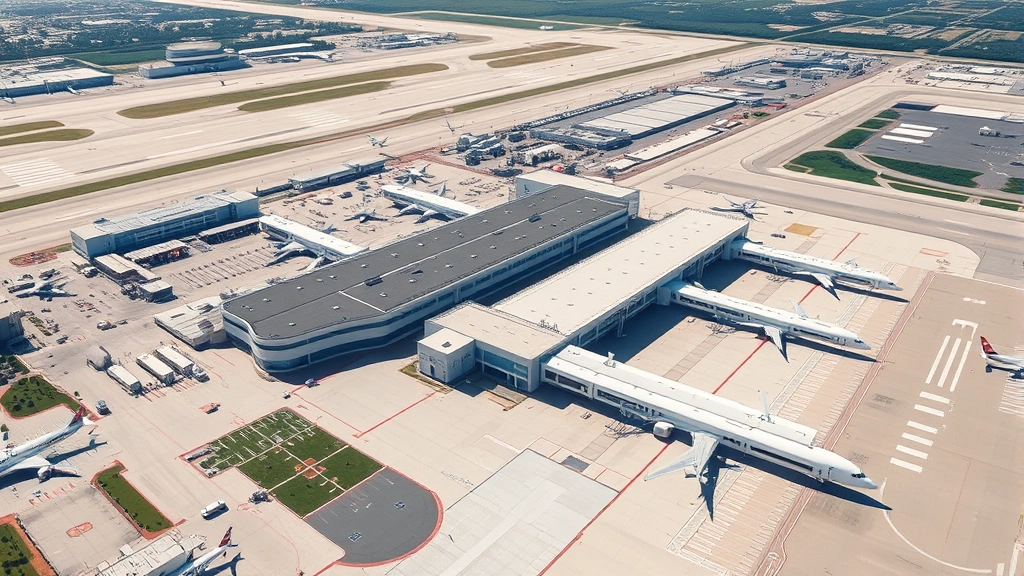
Chicago O’Hare International Airport (ORD) ranks among North America’s busiest airports and features world-class facilities across multiple terminals. ORD’s location 17 miles northwest of downtown Chicago provides excellent ground transportation via the Blue Line elevated train, which connects directly to downtown stations. The Blue Line operates 24/7, making it ideal for early morning or late-night arrivals.
Chicago Midway International Airport (MDW) offers a more intimate travel experience with less congestion than ORD. Midway’s downtown location via the Orange Line makes it increasingly attractive for leisure travelers. Both Chicago airports feature extensive dining, shopping, and business amenities.
Flight Duration & Schedule Patterns
Nonstop flights from Orlando to Chicago typically take 2 hours 45 minutes to 3 hours 15 minutes, accounting for flight time, taxi, and air traffic patterns. The northwesterly routing over Georgia and Tennessee represents the standard flight path for this corridor. Prevailing westerly winds typically provide a slight tailwind benefit on westbound flights, occasionally reducing flight times by 10-15 minutes.
Most airlines schedule early morning flights between 6:00 AM and 9:00 AM, mid-morning departures around 10:00 AM-12:00 PM, afternoon flights from 1:00 PM-4:00 PM, and evening departures between 5:00 PM-8:00 PM. Red-eye flights operating after 10:00 PM are less common on this route compared to transcontinental corridors but do exist during peak travel periods.
Return flights from Chicago to Orlando typically depart between 7:00 AM and 9:00 PM, with scheduling patterns mirroring outbound options. Weekend schedules offer increased flight frequency during summer months and holiday periods, while off-season weekday service may consolidate to fewer daily options.
Ground stop delays due to weather are relatively uncommon on this route compared to longer transcontinental flights. Severe weather in Chicago during winter months can occasionally impact schedules, while summer thunderstorms in Florida may cause brief delays. Real-time flight tracking via airline apps provides current status updates.
Baggage Policies & In-Flight Amenities
Baggage allowances vary significantly by airline and ticket class. Full-service carriers like United and American typically include one free checked bag and one free carry-on for most economy passengers. Southwest includes two free checked bags as a core benefit, providing substantial value for luggage-heavy travelers. Budget carriers charge $25-$35 per checked bag, making them less economical for passengers with baggage needs.
Review airline luggage size restrictions carefully before packing, as oversized bags incur additional fees. Standard carry-on dimensions are approximately 22x14x9 inches across major carriers. Personal item allowances (purses, small backpacks) are universally permitted.
In-flight amenities on this 3-hour flight typically include beverage service, with snacks or light meals available for purchase on budget carriers. Full-service airlines provide complimentary beverages and snacks even on domestic flights. Premium cabin passengers enjoy enhanced meal service, priority boarding, and superior seat configurations.
WiFi availability varies by carrier. United offers free WiFi for MileagePlus members and premium cabin passengers, while others charge $7 for hourly passes or $50+ for monthly subscriptions. Downloading entertainment content beforehand is recommended for passengers without premium WiFi access.
Seat selection policies differ by airline. Some carriers charge $15-$25 for advance seat selection, while others offer free selection for elite members or premium cabin passengers. Comparing best airlines for long flights reveals that seat comfort varies significantly, particularly for passengers exceeding average height or width.
What to Expect Upon Arrival in Chicago
Chicago welcomes approximately 60 million visitors annually, making it one of North America’s top destinations. The city’s iconic architecture, including the Willis Tower and Cloud Gate sculpture, attracts architecture enthusiasts worldwide. The Art Institute of Chicago ranks among North America’s finest museums, housing masterpieces spanning centuries.
Ground transportation from O’Hare is straightforward via the Blue Line elevated train, which reaches downtown in approximately 40 minutes. Ride-sharing services like Uber and Lyft offer door-to-door convenience, typically costing $35-$55 depending on traffic and destination. Rental cars provide flexibility for exploring beyond downtown, though parking in central Chicago can be expensive ($15-$30 daily).
Chicago’s culinary scene is legendary, from deep-dish pizza at iconic establishments to Michelin-starred restaurants. Navy Pier provides lakefront recreation and entertainment, while the Chicago Riverwalk offers scenic dining and walking paths. Winter visitors should pack warm clothing, as temperatures drop significantly from Florida’s climate.
Business travelers will find Chicago’s downtown hotels and convention facilities world-class. The city hosts major conferences and trade shows year-round, with excellent airport connectivity supporting frequent business travel.
For additional travel planning resources, explore our SkyVoyage Hub Blog for comprehensive destination guides and travel tips. You might also find insights comparing similar routes like flights from Atlanta to Los Angeles or flights from Denver to Las Vegas helpful for understanding broader travel patterns.

Seasonal Travel Patterns & Pricing Trends
Summer months (June-August) represent peak travel season on the Orlando-Chicago corridor, with prices typically 20-30% higher than off-season rates. Families traveling during school vacations drive increased demand, resulting in fuller flights and limited seat availability. Booking summer travel 8-12 weeks in advance is essential for securing reasonable fares.
Winter travel (December-February) combines holiday season premium pricing with cold-weather travel challenges. Chicago’s winter weather can be severe, with snow and ice occasionally impacting ground operations. However, January-February off-peak periods offer excellent pricing for travelers flexible with schedules.
Spring (March-May) and fall (September-November) represent shoulder seasons with moderate pricing and comfortable weather in both cities. These periods offer the best balance of pricing and weather conditions for most travelers. Business travel remains consistent year-round, supporting multiple daily flights regardless of season.
Special events impact pricing significantly. Chicago Cubs home games during baseball season, major conferences, and holiday weekends drive demand spikes. Booking well in advance of known events helps secure better fares.
Alternative Travel Options
While flying dominates this route, alternative transportation exists. Amtrak’s Silver Meteor operates between Orlando and Chicago with a 25-hour journey time, offering a leisurely travel experience for passengers prioritizing experience over speed. Driving is feasible but requires approximately 18-20 hours of continuous travel, making it practical only for extended road trips.
Connecting flights through hub cities like Atlanta, Dallas, or Charlotte occasionally offer competitive pricing compared to nonstop fares, though they extend total journey time significantly. These options are worth comparing when booking far in advance reveals limited nonstop availability.

Frequently Asked Questions
What is the cheapest day to fly from Orlando to Chicago?
Tuesday and Wednesday flights typically offer the lowest fares, often 10-15% below Friday-Sunday pricing. Early morning departures between 6:00 AM-8:00 AM command additional discounts compared to afternoon flights.
How long does the flight from Orlando to Chicago take?
Nonstop flights take approximately 2 hours 45 minutes to 3 hours 15 minutes, depending on wind patterns and air traffic. Ground time and taxi add approximately 30 minutes to total airport-to-airport travel time.
Which Chicago airport should I fly into?
O’Hare (ORD) offers more flight options and broader connectivity, while Midway (MDW) provides lower fares and convenient downtown access via the Orange Line. Choose based on your destination and pricing priorities.
How far in advance should I book my flight?
For optimal pricing, book 1-3 months in advance on this route. Summer and holiday travel should be booked 8-12 weeks ahead, while off-season travel can sometimes be booked 2-4 weeks before departure.
Are there nonstop flights from Orlando to Chicago?
Yes, all major carriers operate multiple daily nonstop flights between Orlando (MCO) and Chicago O’Hare (ORD), with some carriers also serving Chicago Midway (MDW).
What airlines offer the best service on this route?
United Airlines operates the most frequent service with superior scheduling options. American Airlines and Southwest also provide excellent service with competitive pricing. Your choice should reflect loyalty program membership and baggage needs.
Can I use frequent flyer miles for Orlando to Chicago flights?
Yes, all major carriers accept frequent flyer miles for this route. Typical redemption costs range from 12,500-25,000 miles depending on booking timing and seat class. Off-peak travel offers better redemption rates than peak seasons.
What is the best time of year to visit Chicago?
September-October and May-June offer optimal weather with moderate temperatures and lower rainfall. Winter is cold but features holiday attractions, while summer is warm but crowded and expensive.
Do I need a passport for flights from Orlando to Chicago?
No, this is a domestic flight. A government-issued photo ID (driver’s license, passport, or military ID) is sufficient for TSA screening.
What should I pack for a Chicago trip?
Pack layers, as Chicago weather varies significantly by season. Winter requires heavy coats, while summer allows light clothing. Comfortable walking shoes are essential for exploring the city’s neighborhoods and attractions.