North Korea Flights: What You Need to Know
Traveling to North Korea represents one of the world’s most restricted and heavily regulated destinations. Unlike conventional international travel, flights to North Korea involve navigating complex geopolitical considerations, limited airline options, and stringent government requirements that few other countries impose. Understanding the realities of North Korean air travel is essential before considering this journey, as the logistics differ dramatically from typical tourism experiences found on the SkyVoyage Hub Blog.
The Democratic People’s Republic of Korea (DPRK) maintains one of the world’s most isolated aviation systems. Air Koryo, the national carrier, operates nearly all international flights to and from Pyongyang’s Sunan International Airport. This monopoly on air service means travelers have virtually no alternative options when booking flights to North Korea, creating a unique situation in modern international aviation.
Before planning your journey, you must understand visa requirements, travel restrictions, airline limitations, and the geopolitical landscape surrounding North Korean travel. This comprehensive guide covers everything potential travelers need to know about accessing one of the world’s most secretive nations by air.

Air Koryo: The Only Airline Option
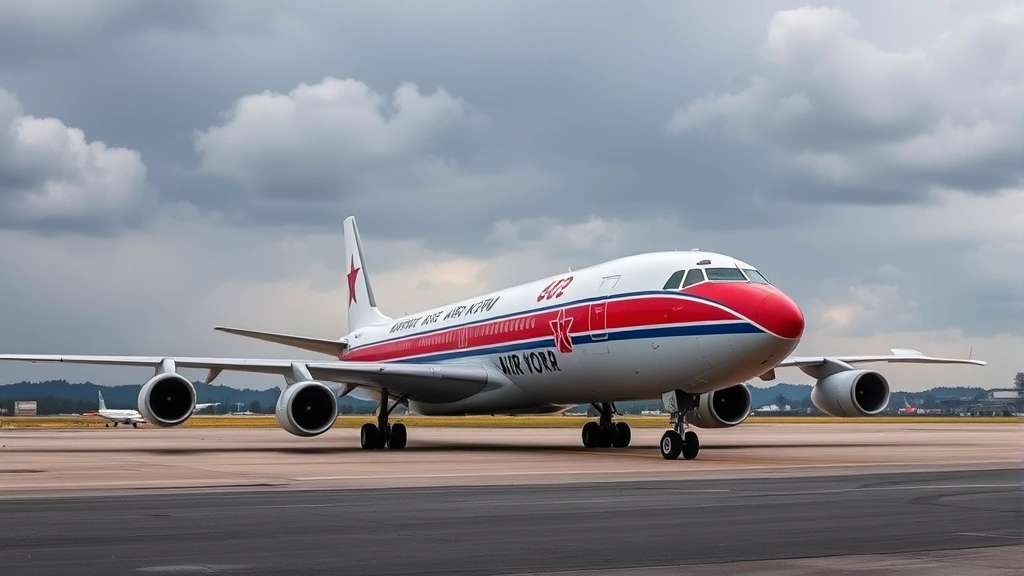
Air Koryo holds a complete monopoly on commercial flights serving North Korea. This state-owned airline operates the only regular international air service connecting Pyongyang to the outside world. Understanding Air Koryo’s operations, fleet, and policies is crucial for anyone considering North Korean travel.
The airline primarily operates from Pyongyang’s Sunan International Airport, though it also maintains limited service from other regional hubs. Air Koryo’s fleet consists of aging aircraft, primarily Russian-made Ilyushin IL-18 and IL-62 models, along with some Tupolev aircraft. These planes, while maintained according to the airline’s standards, are considerably older than aircraft operated by most international carriers. The airline’s maintenance record has drawn scrutiny from international aviation authorities, though it continues operating under ICAO (International Civil Aviation Organization) standards.
Air Koryo maintains international routes primarily to China, with flights connecting Beijing and Shanghai to Pyongyang. The airline also operates seasonal routes to Russia and occasionally to Southeast Asian destinations. Route availability changes frequently based on geopolitical circumstances and international sanctions. Passengers traveling to North Korea typically fly from Beijing, which serves as the primary gateway for international travelers accessing the DPRK.
The airline’s service standards differ significantly from Western carriers. Amenities are minimal, in-flight entertainment is limited, and meals may not meet expectations of passengers accustomed to international airline standards. However, the experience offers unique insights into North Korean state operations and provides an authentic perspective on the country’s isolation from modern commercial aviation practices.
When considering best airlines for frequent flyers, Air Koryo operates no loyalty program and maintains no partnerships with international frequent flyer programs. This means you cannot accumulate miles or access premium services through traditional airline partnerships.
Visa Requirements and Travel Restrictions
Obtaining a North Korean visa represents the most significant hurdle for potential travelers. Unlike most countries, North Korea does not issue tourist visas to citizens of certain nations, most notably the United States. Understanding visa regulations, restrictions, and application processes is absolutely essential before booking any flight.
Citizens of the United States face a complete prohibition on traveling to North Korea. The U.S. State Department maintains a travel ban, and American citizens cannot legally visit the country regardless of visa status. This restriction has been in place following the death of American college student Otto Warmbier in 2017 after his detention in North Korea. Citizens of most other Western nations can theoretically apply for visas, though approval remains discretionary and uncertain.
Visa applications require submitting detailed personal information, employment history, and travel itineraries to North Korean authorities. Processing times vary considerably, often requiring weeks or months. Applicants must typically apply through North Korean embassies or authorized travel agencies, as the DPRK does not maintain standard visa application processes. Approval is never guaranteed, and authorities may deny visas without explanation.
Even for nationals of countries where visas are theoretically available, North Korea restricts access to certain professions. Journalists, military personnel, and government officials face particular scrutiny and frequent denials. Religious affiliation may also influence visa approval, as North Korea maintains strict controls over religious activities.
Travel advisory warnings from multiple governments reinforce the complexity of North Korean travel. The U.S. State Department, UK Foreign Office, and other Western governments maintain severe travel warnings for North Korea, citing security risks, arbitrary detention of foreigners, and limited ability of embassies to assist citizens in distress.
Entry Points and Flight Routes
Accessing North Korea by air involves limited entry points and established flight routes. Understanding these routes and gateway cities is essential for planning your journey.
Beijing, China serves as the primary international gateway for flights to North Korea. Air Koryo operates regular service between Beijing Capital International Airport and Pyongyang’s Sunan International Airport. This route represents the most reliable and frequently scheduled connection to North Korea. The flight duration typically ranges from 1.5 to 2 hours, making it a relatively short regional flight.
Shanghai occasionally hosts Air Koryo flights, though service is less frequent and more subject to cancellation or schedule changes. Shenyang and other Chinese cities have hosted flights during periods when diplomatic relations permitted expanded air service. However, Beijing remains the most consistent and reliable connection point.
Historically, Air Koryo maintained flights to Moscow and occasional service to Southeast Asian destinations. These routes have become increasingly irregular due to international sanctions and diplomatic restrictions. Current route availability changes frequently based on geopolitical circumstances, making it essential to verify current flight schedules through official sources before planning travel.
The flight from Beijing to Pyongyang represents a fascinating geopolitical journey. Passengers experience direct exposure to North Korean state operations, from boarding procedures to customs processes. The relatively short flight duration means minimal time to acclimate, creating an intense transition from the modern international airport environment of Beijing to the controlled atmosphere of Pyongyang.
Booking Your Flight
Booking flights to North Korea differs dramatically from standard international flight reservations. Understanding booking procedures, payment methods, and travel agencies is crucial for successfully securing your flight.
Direct booking with Air Koryo proves nearly impossible for most international travelers. The airline maintains minimal online presence and does not operate standard reservation systems accessible to foreign travelers. Instead, booking requires working through authorized travel agencies specializing in North Korean tourism. These agencies serve as intermediaries between travelers and Air Koryo, handling all reservation and payment processes.
Several international travel agencies maintain authorization to book North Korean flights. These specialized operators understand the complexities of North Korean travel and can navigate visa requirements, flight bookings, and tour arrangements simultaneously. When selecting an agency, verify their legitimacy and experience with North Korean travel, as fraudulent operators exist.
When booking airline tickets to save money, North Korean flights offer no flexibility. Prices are fixed, non-negotiable, and typically higher than comparable regional flights. Discounts, sales, and promotional fares do not apply. Payment must be made in advance, typically through wire transfer or credit card to the travel agency handling your booking.
Flight schedules change frequently, and cancellations occur without substantial advance notice. Travel agencies cannot guarantee specific departure dates, and flexibility regarding travel dates is essential. Some travelers have experienced flight cancellations with minimal notice, requiring rebooking weeks or months later.
All flights to North Korea include mandatory tour arrangements. Independent travel is prohibited, and tourists must join organized groups led by government-approved guides. This requirement means booking a flight simultaneously commits you to a complete tour package, not merely air transportation. Budget accordingly, as total costs include flights, accommodation, meals, and guide services.
What to Expect During Your Flight
The Air Koryo flight experience differs significantly from commercial aviation in most of the world. Knowing what to expect helps travelers prepare mentally and physically for this unique journey.
Aircraft boarding procedures follow strict protocols. Passengers must surrender passports to flight crew before departure, receiving them back only upon arrival in Pyongyang. This practice reflects the heightened security controls characterizing all North Korean operations. Baggage screening is thorough, and certain items are prohibited based on criteria that may seem arbitrary to Western travelers.
The in-flight atmosphere remains remarkably quiet and orderly. Passengers rarely engage in conversation, and the cabin maintains a subdued, formal environment. Flight attendants dress uniformly and provide minimal interaction beyond essential service. Meals consist of basic offerings, typically rice, vegetables, and modest protein portions. Beverage service is limited, and alcoholic beverages are not available.
In-flight entertainment is virtually nonexistent. No seatback screens, no movies, no music systems exist on Air Koryo flights. Passengers spend flight time reading, sleeping, or observing the experience. This absence of modern amenities starkly contrasts with international flight standards and provides an authentic glimpse into North Korean state operations.
The flight itself offers remarkable views of the Korean Peninsula during daylight operations. Visual observation of terrain, weather patterns, and landscape provides insights into the region’s geography. Some passengers find these views among the most memorable aspects of their North Korean journey.
Upon arrival in Pyongyang, disembarkation follows controlled procedures. Customs officials conduct thorough baggage inspections, and immigration processing occurs under close government supervision. The transition from aircraft to airport facilities represents your entry into North Korea’s tightly controlled environment.
Safety and Security Considerations
Safety concerns surrounding North Korean flights deserve careful consideration before committing to travel.
International aviation safety organizations maintain mixed assessments of Air Koryo’s safety record. The airline operates under ICAO standards and maintains basic safety certifications. However, aging aircraft, limited maintenance facilities, and restricted access to modern aviation technology create legitimate safety concerns. No major aviation disasters have occurred on Air Koryo flights in recent decades, but the airline’s safety record remains less transparent than international carriers.
Geopolitical tensions create additional security considerations. North Korea’s unpredictable diplomatic relationships occasionally result in flight cancellations or route changes. During periods of heightened international tension, air service may be suspended entirely. Travelers must accept these risks and understand that circumstances beyond their control may disrupt travel plans.
Personal security during flight represents another consideration. All passengers must comply strictly with crew instructions and regulations. Any disruption or non-compliance may result in serious consequences. The flight environment permits no casual interactions or relaxed atmosphere; passengers must maintain formal behavior throughout.
Insurance considerations are critical. Standard travel insurance policies may not cover North Korean travel due to government travel warnings. Specialized insurance for high-risk destinations may be available but at substantially elevated costs. Thoroughly review any insurance policy before purchase, as coverage gaps may exist.
Luggage and Baggage Policies
Understanding Air Koryo’s luggage policies is essential for packing appropriately and avoiding complications at check-in.
Air Koryo maintains strict baggage allowances, typically permitting one checked bag weighing up to 20 kilograms (44 pounds) and one carry-on bag. These limits are more restrictive than many international carriers. Excess baggage fees apply to items exceeding weight limits, and fees are substantially higher than Western airline standards.
Certain items are prohibited from both checked and carry-on baggage. Religious materials, political publications, electronic devices with recording capabilities, and items deemed potentially subversive face automatic confiscation. Travelers should review current prohibited items lists before packing, as regulations change periodically.
For comprehensive guidance on baggage restrictions, consult our article on airline luggage size restrictions for general airline policies, though note that Air Koryo maintains more restrictive policies than most carriers.
Valuables should be carried in carry-on baggage whenever possible. While theft from checked luggage is uncommon, the lack of standard baggage tracking systems means lost items may prove difficult to recover. Keep important documents, medications, and irreplaceable items with you at all times.
Photography equipment receives particular scrutiny. While personal cameras are generally permitted, video cameras and professional photography equipment may face restrictions. Drone technology is absolutely prohibited. Clarify equipment restrictions with your travel agency before departure.
Alternative Transportation Methods
For travelers unable to secure flights or preferring alternative entry methods, limited options exist.
Train service from China provides an alternative to air travel. The Beijing-Pyongyang train operates periodically, offering a slower but sometimes more accessible entry method. Train travel requires equivalent visa documentation and tour arrangements but may be available when flights are suspended. The journey takes approximately 24 hours, providing extended exposure to the landscape and a fundamentally different travel experience than flying.
Overland entry from China through designated border crossings exists theoretically, though this method is rarely used by tourists and requires special authorization. Most travelers utilize established transportation infrastructure rather than attempting unconventional entry methods.
Some travelers combine multiple destinations in a single journey. Visiting China, Russia, or Southeast Asia before or after North Korean travel allows for more efficient itinerary planning. When planning flights to regional destinations, consider how your North Korean journey integrates with broader travel plans.
For those unable to visit North Korea directly, virtual tours and documentary content provide alternative perspectives on the country. While not equivalent to in-person experience, these resources offer insights without the complications and risks of physical travel.
Consulting essential tips for long haul flights may provide general guidance applicable to extended travel journeys, though North Korean flights are relatively short regional routes.
FAQ
Can U.S. citizens fly to North Korea?
No, the U.S. State Department maintains a travel ban prohibiting American citizens from traveling to North Korea. This ban has been in effect since 2017 and remains strictly enforced. Citizens violating this ban face severe legal penalties upon return to the United States.
How much does a flight to North Korea cost?
Flight costs vary but typically range from $300 to $600 for the air transportation component alone. However, flights are sold exclusively as part of complete tour packages, meaning total costs including accommodation, meals, and guide services range from $1,500 to $5,000 or more depending on tour length and inclusions.
How often do flights operate?
Air Koryo maintains inconsistent schedules. Flights typically operate 2-3 times weekly from Beijing to Pyongyang during normal periods, though frequency varies based on diplomatic circumstances. During periods of heightened tension, flights may be suspended entirely.
What airlines fly to North Korea?
Only Air Koryo, North Korea’s state-owned airline, operates flights to the country. No international carriers provide service to North Korean destinations, making Air Koryo the sole option for air travel.
Is it safe to fly Air Koryo?
Air Koryo maintains basic ICAO certifications and operates under international aviation standards. However, aging aircraft and limited maintenance facilities create legitimate safety concerns. No major aviation disasters have occurred recently, but the airline’s safety record remains less transparent than international carriers. Risk tolerance varies by individual.
Can I book Air Koryo flights online?
Direct online booking is not available. Authorized travel agencies specializing in North Korean tourism handle all flight reservations. Contact these agencies directly to begin the booking process.
What documents do I need for a North Korean flight?
You need a valid passport and North Korean visa. Visa requirements vary by citizenship. U.S. citizens cannot obtain visas. Citizens of other nations must apply through authorized channels, though approval is discretionary and not guaranteed.
Are there direct flights from the U.S. to North Korea?
No direct flights exist from any U.S. airport to North Korea. Additionally, U.S. citizens are prohibited from traveling to North Korea. International travelers must connect through Beijing or other Chinese cities to reach Pyongyang.
What should I pack for a North Korean flight?
Pack conservatively, respecting strict baggage allowances and prohibited items restrictions. Avoid religious materials, political publications, and items deemed potentially subversive. Bring comfortable clothing suitable for extended formal environments and basic entertainment for the flight.
How long is the flight from Beijing to Pyongyang?
The flight duration is approximately 1.5 to 2 hours. This relatively short regional flight provides minimal time for in-flight services or entertainment.