Sedona AZ Flights: Expert Travel Tips for Your Desert Escape
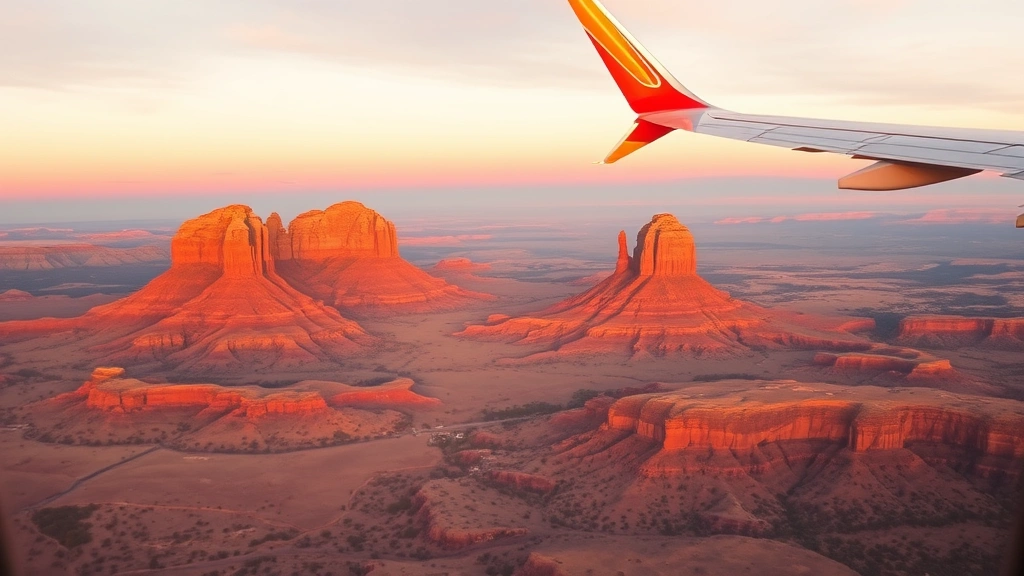
Sedona, Arizona is one of America’s most captivating destinations, famous for its stunning red rock formations, vibrant arts scene, and world-class hiking trails. Planning your trip to this desert paradise begins with understanding your flight options and how to secure the best deals. Whether you’re traveling from the East Coast or West Coast, navigating flights to Sedona AZ requires knowledge of nearby airports, seasonal pricing patterns, and insider booking strategies that can save you hundreds of dollars.
This comprehensive guide covers everything you need to know about getting to Sedona, from understanding airport logistics to timing your booking for maximum savings. We’ll explore the major airports serving the region, discuss the best times to visit, provide practical packing tips for desert travel, and share expert advice on making your journey smooth and affordable. Whether you’re a first-time visitor or returning to experience Sedona’s magic again, these insights will help you plan a memorable trip.

Airports Serving Sedona
Sedona itself doesn’t have a commercial airport, so travelers rely on nearby regional hubs. The primary airport serving the Sedona area is Phoenix Sky Harbor International Airport (PHX), located approximately 120 miles south of Sedona. This major hub offers the most flight options, competitive pricing, and direct flights from most major US cities and some international destinations. Phoenix Sky Harbor is Arizona’s busiest airport and consistently ranks among America’s top airports for service quality and efficiency.
Phoenix Sky Harbor features three terminals with excellent amenities, including restaurants, shops, and lounges. The airport handles over 40 million passengers annually, making it a hub for Southwest Airlines, American Airlines, and numerous other carriers. The drive from Phoenix Sky Harbor to Sedona typically takes 2 to 2.5 hours, depending on traffic conditions and your exact destination within Sedona.
Alternative airports include Flagstaff Pulliam Airport (FLG), located about 30 miles north of Sedona, offering a shorter drive of approximately 45 minutes to one hour. While Flagstaff has fewer flight options, it can sometimes offer competitive pricing and a less congested travel experience. Mesa Gateway Airport (AZA) and Phoenix-Mesa Gateway Airport serve as additional alternatives, though they’re further from Sedona and typically have limited commercial service.
For travelers comparing different route options, understanding airport choice impacts your total travel cost and time. We recommend checking fares for all nearby airports when booking—sometimes flying into Flagstaff costs less than Phoenix despite the longer drive, while other times Phoenix offers superior pricing. This flexibility can result in significant savings on your overall trip.

Best Time to Visit Sedona
Timing your trip strategically affects both flight prices and your on-the-ground experience. Sedona’s peak season runs from October through April, when temperatures are pleasant (60-75°F) and the weather is ideal for outdoor activities. During these months, expect higher flight prices and busier attractions. Winter holidays, spring break, and Presidents’ Day weekend see the highest demand and premium pricing.
The shoulder seasons of September and May offer sweet spots for travelers seeking balance between good weather and reasonable prices. September temperatures climb toward 100°F, but by late September, conditions improve significantly. May features warm but manageable temperatures and fewer crowds than peak season. Summer (June-August) brings extreme heat exceeding 110°F, making outdoor activities challenging, but flight prices drop considerably, and accommodations offer substantial discounts.
For budget-conscious travelers, flying midweek (Tuesday-Thursday) typically costs less than weekend flights. Morning departures and late-night arrivals also tend to offer lower fares. If you have flexibility, booking flights from Chicago to London or other popular routes demonstrates how timing affects pricing—the same principle applies to Sedona flights. Avoiding major holidays and school breaks saves money and provides a more relaxed travel experience.
Smart Booking Strategies
Booking flights to Sedona successfully requires understanding pricing patterns and employing proven strategies. Start your research 2-3 months before your intended travel date, though booking typically becomes advantageous 4-6 weeks prior to departure. Airlines release promotional fares regularly, and setting up price alerts on multiple platforms ensures you catch deals when they appear.
Clear your browser cookies or use incognito mode when searching for flights, as airlines sometimes track repeat searches and adjust pricing accordingly. Compare prices across multiple booking platforms including airline websites directly, Google Flights, Kayak, Expedia, and Skyscanner. Each platform occasionally offers exclusive deals or loyalty bonuses. Consider using airline-specific booking sites if you’re loyal to particular carriers—you might earn miles or points while securing competitive fares.
Flexibility is your greatest asset when booking. Flying on Tuesday or Wednesday typically costs 15-25% less than Friday-Sunday flights. Consider flying into Phoenix Sky Harbor even if Flagstaff seems closer, as competition between carriers serving Phoenix often results in better pricing. Set up fare alerts for your preferred dates, but also check alternate date combinations—sometimes shifting your trip by one or two days yields significant savings.
For travelers seeking luxury travel experiences, understanding premium cabin pricing helps identify when business or first-class upgrades offer better value. Similar to evaluating options for best travel pillow for long flights, investing in premium cabin comfort on longer routes (such as from the West Coast) might be worthwhile. However, most Sedona flights from major hubs fall within the 2-4 hour range, making economy seats perfectly comfortable for most travelers.
Bundle deals combining flights and hotels can yield 10-20% savings compared to booking separately. Many travel platforms offer package deals specifically for Sedona destinations. If you’re renting a car, some airlines partner with rental companies to offer discounted rates when booked together with flight tickets.
Airlines and Routes
Southwest Airlines dominates flights to Phoenix Sky Harbor, offering the most frequent service and competitive pricing. As a major hub for Southwest, Phoenix receives numerous daily departures from cities across the US. Southwest’s checked bag policy (two free bags) benefits travelers carrying luggage for desert activities. Their open seating policy allows flexibility for connecting flights and provides opportunities to select preferred seating at check-in.
American Airlines, United Airlines, and Delta Air Lines all maintain substantial Phoenix Sky Harbor operations with multiple daily flights from major metropolitan areas. These carriers offer various frequent flyer benefits, premium cabin options, and connection opportunities. American Airlines serves Phoenix as a significant hub, often providing competitive fares and convenient schedules.
Low-cost carriers including Frontier, Spirit, and Allegiant occasionally offer promotional fares to Phoenix, though they typically charge for checked bags and carry-on luggage. Calculate total costs including baggage fees before assuming budget carriers offer better value. For longer routes, full-service carriers often provide better overall value when accounting for included amenities.
Direct flights to Phoenix are available from most major US cities including New York, Los Angeles, Chicago, Dallas, Denver, Seattle, and San Francisco. Connecting flights through hub cities like Dallas (DFW), Denver (DEN), or Phoenix (PHX) serve smaller markets. When comparing flights to Miami from Dallas pricing patterns, similar principles apply—direct flights command premiums, but connecting flights often provide better overall value for budget-conscious travelers.
Flagstaff Pulliam Airport receives service from American Airlines, United Airlines, and seasonal carriers. While fewer daily flights operate from Flagstaff, the shorter drive to Sedona can offset limited route options for some travelers. Check Flagstaff pricing alongside Phoenix options to find your optimal combination of cost and convenience.
Ground Transportation Options
Upon arrival at Phoenix Sky Harbor International Airport, multiple ground transportation options connect you to Sedona. Renting a car provides maximum flexibility for exploring Sedona and surrounding areas. Major rental companies operate at the airport with competitive rates. The scenic 2-hour drive from Phoenix to Sedona via I-17 North offers beautiful Arizona desert landscapes. Having a car allows you to explore hiking trails, visit state parks, and discover hidden gems throughout the region at your own pace.
Ride-sharing services like Uber and Lyft operate throughout the Phoenix area and offer door-to-door service to Sedona. While convenient, ride-share costs for the 120-mile journey typically range from $80-150 depending on demand and time of day. Booking in advance or using shared rides can reduce costs. These services work well for travelers not planning extensive local exploration.
Shuttle services specifically serving the Phoenix-to-Sedona route offer economical group transportation. Companies like Sedona Shuttle and Groome Transportation operate scheduled services with fares typically ranging from $40-60 per person. These services require advance reservation but provide reliable, cost-effective transportation without the hassle of navigating unfamiliar roads or managing rental car logistics.
Flagstaff airport arrivals offer a shorter drive to Sedona (approximately 45 minutes), making this option attractive despite fewer flight choices. The scenic drive south from Flagstaff through ponderosa pine forests provides a different landscape perspective and can feel less rushed than the Phoenix route.
Some travelers prefer combining transportation options—for example, flying into Phoenix and using ride-share for the initial airport transfer, then renting a car for the drive to Sedona. This approach reduces airport car rental fees while maintaining flexibility for local exploration. Evaluate your specific travel plans to determine the optimal transportation combination.
Packing Tips for Desert Travel
Packing appropriately for Sedona’s desert climate ensures comfort and safety. The region’s dramatic temperature variations between seasons and even between day and night require thoughtful preparation. During cooler months (October-April), bring layers including a light jacket or sweater for evenings when temperatures drop 20-30 degrees from daytime highs. Even in warmer months, mornings and nights can be surprisingly cool at Sedona’s 4,000+ foot elevation.
Sun protection is essential year-round in Arizona’s intense desert sun. Pack high-SPF sunscreen (SPF 50+), reapply frequently, and consider bringing a lightweight long-sleeve sun-protective shirt for hiking. Sunglasses with UV protection, a wide-brimmed hat, and a lightweight scarf protect your face and neck. The sun’s strength at this elevation is significantly greater than at sea level—even cloudy days provide dangerous UV exposure.
Comfortable hiking shoes are essential for exploring Sedona’s famous trails like Cathedral Rock, Devil’s Bridge, and Bell Rock. Break in your hiking boots before your trip, bring moisture-wicking socks, and consider trekking poles for steep terrain. Many visitors underestimate Sedona’s trail difficulty; proper footwear prevents injuries and enhances your experience.
Hydration is critical in the desert environment. While hotels and restaurants provide water, carrying a refillable water bottle during outdoor activities prevents dehydration. Bring electrolyte tablets or sports drinks to supplement plain water during strenuous hikes. The dry air and intense sun accelerate dehydration without the warning signs common in humid climates.
Desert travel requires specific toiletries including lip balm with SPF, moisturizer for the dry air, and any personal medications. The elevation change from sea level to 4,000+ feet can trigger mild altitude effects for some travelers—staying hydrated and taking it easy on your first day helps acclimate. If you experience altitude-related symptoms, over-the-counter pain relievers and rest typically provide relief within 24 hours.
Activities and Attractions
Sedona’s primary attractions center on outdoor recreation and natural beauty. Cathedral Rock, one of Arizona’s most photographed formations, offers a moderate 1.2-mile hike with stunning views of the red rocks and surrounding desert landscape. The trail’s popularity means arriving early to secure parking and avoid crowds. Bell Rock Pathway provides easier access to Bell Rock’s base with interpretive information about the geology and ecology.
Devil’s Bridge, Arizona’s largest natural bridge, features a 4-mile round-trip moderate hike rewarding hikers with dramatic red rock scenery. Boynton Canyon offers a gentler 3-mile hike suitable for various fitness levels, featuring cottonwood trees and Native American cultural sites. Slide Rock State Park near Sedona provides natural waterslides and swimming holes in Oak Creek Canyon—a refreshing alternative to desert hiking during warmer months.
Beyond outdoor activities, Sedona’s thriving arts scene features galleries, studios, and cultural institutions. Tlaquepaque Arts and Crafts Village showcases Arizona artists and craftspeople in a beautiful Spanish colonial-style setting. The Sedona Arts Center hosts exhibitions, workshops, and performances throughout the year. Uptown Sedona and Tlaquepaque offer shopping, dining, and galleries catering to diverse interests.
Spiritual and wellness tourism plays a significant role in Sedona’s appeal, with numerous spas, yoga studios, and retreat centers. Many visitors seek vortex experiences at sites believed to have special energy properties. Whether you engage with these experiences or simply appreciate Sedona’s natural beauty and peaceful atmosphere, the town’s wellness-focused culture promotes relaxation and rejuvenation.
Oak Creek Canyon scenic drive provides breathtaking views of layered red rock formations, forests, and the canyon’s dramatic geology. This route between Sedona and Flagstaff showcases Arizona’s diverse landscapes within a 30-mile stretch. Numerous pullouts allow photography and short walks to appreciate specific formations and vistas.
For aviation enthusiasts, learning about flight attendant uniform requirements or pursuing how much does flight school cost might inspire career exploration, but for most visitors, Sedona’s attractions focus on natural beauty, cultural experiences, and outdoor adventure. The region consistently ranks among America’s top travel destinations for good reason.
FAQ
What’s the cheapest way to get flights to Sedona AZ?
Flying into Phoenix Sky Harbor International Airport typically offers the most competitive fares due to airline competition. Book 4-6 weeks in advance, search midweek departures (Tuesday-Thursday), use incognito browser mode, and set up fare alerts. Consider flying in September or May for lower prices than peak season. Comparing Flagstaff airport fares alongside Phoenix options sometimes reveals cheaper alternatives despite the longer drive.
How far is Phoenix Sky Harbor from Sedona?
Phoenix Sky Harbor International Airport is approximately 120 miles south of Sedona, requiring a 2-2.5 hour drive north via I-17. The scenic route passes through Arizona’s desert landscape and offers opportunities to stop at scenic overlooks. Flagstaff Pulliam Airport is closer at 30 miles (45 minutes drive), but offers fewer flight options and connections.
What airlines fly to Phoenix for Sedona connections?
Southwest Airlines, American Airlines, United Airlines, Delta Air Lines, Frontier, Spirit, and Allegiant all serve Phoenix Sky Harbor. Southwest operates the most frequent service and dominates the route. Flagstaff receives service from American Airlines and United Airlines with seasonal carriers occasionally adding capacity during peak seasons.
When is the best time to visit Sedona?
October through April offers ideal weather (60-75°F) for outdoor activities, though flight prices are highest during these months. May and September provide good weather at lower prices, with shoulder season crowds. Summer (June-August) brings extreme heat but substantial flight and accommodation discounts. Avoid major holidays and school breaks for better pricing and fewer crowds.
Should I rent a car in Sedona?
Renting a car provides maximum flexibility for exploring hiking trails, scenic drives, and attractions throughout Sedona and surrounding areas. However, ride-sharing services and shuttle services offer alternatives if you prefer not to drive. Most visitors find car rental worthwhile given Sedona’s dispersed attractions and scenic driving routes.
How much luggage can I bring on flights to Sedona?
Carry-on allowances vary by airline, but typically include one personal item and one carry-on bag. Checked baggage policies differ significantly—Southwest allows two free checked bags, while other carriers charge $30-50 per bag. Budget airlines like Spirit charge for carry-on luggage. Review your airline’s specific baggage policy when booking to avoid surprise fees.
What’s the elevation in Sedona?
Sedona sits at approximately 4,000-4,400 feet elevation depending on specific location. This elevation change from sea level can cause mild altitude effects including headaches, fatigue, or shortness of breath for some travelers. Staying hydrated, taking it easy on your first day, and resting usually resolves symptoms within 24 hours.
Can I fly directly to Sedona?
No commercial airport serves Sedona directly. Travelers must fly into Phoenix Sky Harbor International Airport (120 miles away) or Flagstaff Pulliam Airport (30 miles away). Private aircraft can land at Sedona Airport (SEZ), but commercial airline service isn’t available from this facility.
Planning your Sedona adventure starts with booking smart flights. Visit the SkyVoyage Hub Blog for more travel insights and tips. Check Phoenix Sky Harbor’s official website for current airport information and services. Consult US travel advisories for any travel warnings or health requirements. Visit Visit Sedona’s official tourism board for comprehensive destination information, event calendars, and accommodation options. For additional flight comparisons and booking strategies, explore our guides on flights from Chicago to London and other popular routes to understand universal booking principles applicable to your Sedona trip.