
Cheapest Flights to Tucson? Expert Analysis
Finding affordable flights to Tucson requires more than luck—it demands strategy, timing, and knowledge of how airlines price routes to Arizona’s vibrant desert city. Tucson International Airport (TUS) serves millions of travelers annually seeking desert landscapes, rich cultural heritage, and outdoor adventures. Whether you’re planning a quick weekend escape or an extended stay, understanding the mechanics behind ticket pricing can save you hundreds of dollars.
This comprehensive guide breaks down expert strategies for securing the cheapest flights to Tucson, from booking windows and seasonal variations to airline partnerships and hidden fare tricks. We’ll explore which airlines offer the best value, when to book for maximum savings, and how to leverage loyalty programs to reduce costs further. By the end, you’ll have actionable insights to transform your travel budget.

Understanding Tucson Airport and Airline Routes
Tucson International Airport (TUS) operates as a mid-sized hub with direct flights from major U.S. cities and connections through larger airports. The airport’s location in southern Arizona makes it a gateway for travelers heading to Phoenix, Las Vegas, and California destinations. Understanding which airlines operate at TUS is crucial for finding cheap flights, as competition directly impacts pricing.
Major carriers serving Tucson include Southwest Airlines, American Airlines, United Airlines, Delta Air Lines, and Alaska Airlines. Southwest typically dominates the Tucson market with frequent departures and competitive pricing, while other carriers offer valuable connections for long-haul travelers. Regional airlines like Frontier and Spirit occasionally offer ultra-budget options, though with reduced amenities and stricter baggage policies.
The airport’s competitive landscape means you should compare all available carriers. Some airlines offer nonstop flights from major hubs like Denver, Dallas, and Los Angeles, while others require connections. Nonstop flights command premium prices, but connections often provide better value if you’re flexible with travel time.
When researching flights, consider that Tucson’s secondary airport status can work in your favor. Airlines often use TUS for price competition with Phoenix Sky Harbor International Airport (PHX), just 120 miles north. This competition frequently results in lower fares at Tucson, making it worth the drive from Phoenix if you’re already in Arizona.
Best Times to Book Flights to Tucson
Booking timing dramatically affects flight prices. Industry data consistently shows that Tuesday and Wednesday departures offer cheaper fares than Friday and Sunday flights. The reason? Business travel demand peaks mid-week, but leisure travelers booking flights to Tucson concentrate on weekends.
Research indicates that booking 1-3 months in advance provides optimal pricing for Tucson flights. For domestic routes, the sweet spot falls between 45-60 days before departure. This window allows airlines to assess demand while still offering competitive fares to fill seats. Booking too far in advance (6+ months) or too close to departure (1-2 weeks) typically results in higher prices.
Time of day matters surprisingly more than many travelers realize. Booking flights during off-peak hours—early morning (6-9 AM) and late evening (8 PM-midnight)—often reveals lower fares. Airlines adjust pricing algorithms overnight, releasing new inventory and adjusting rates based on competitor movements. Setting up price alerts on Google Flights and Kayak helps you capture these fluctuations.
Flexibility transforms your bargaining power. If you can shift your travel dates by even one day, you might save $50-200 per ticket. Tuesday-Thursday flights consistently undercut weekend pricing by 15-30%. Similarly, flying early morning or late evening routes reduces fares compared to convenient mid-day departures.
Airlines Offering Cheapest Fares
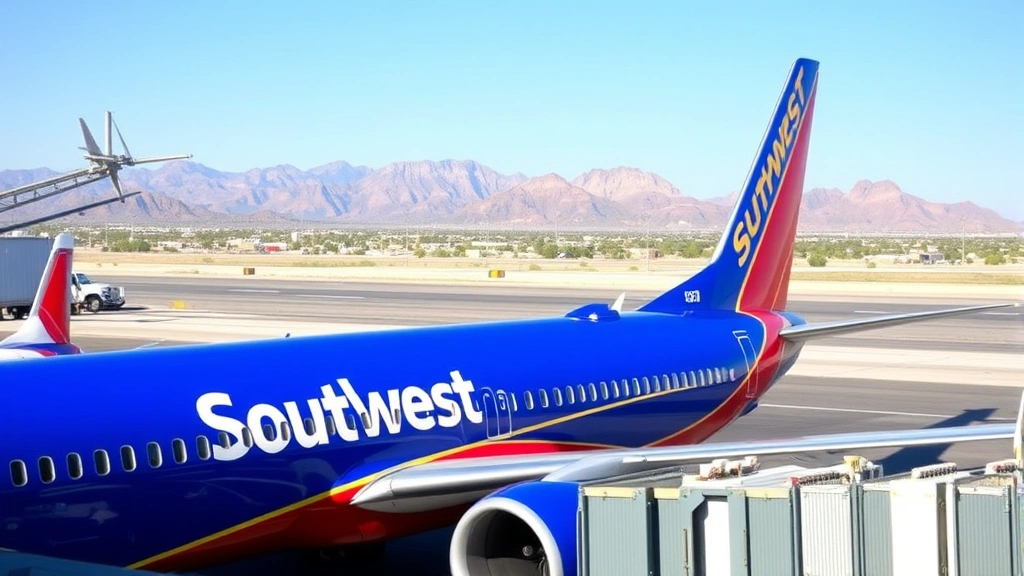
Southwest Airlines dominates Tucson’s budget-friendly market. Operating numerous daily flights from major hubs, Southwest’s transparent pricing (bags fly free policy) and competitive base fares make it consistently cheaper for Tucson routes. Their loyalty program offers excellent value for frequent Tucson travelers.
Frontier Airlines positions itself as the ultra-budget carrier, often undercutting competitors by $30-80 per ticket. However, Frontier’s model charges for carry-ons, seat selection, and checked baggage, requiring careful calculation to determine true costs. For minimalist travelers, Frontier works; for those with luggage, total expenses may exceed Southwest’s all-inclusive pricing.
Alaska Airlines provides excellent value for West Coast departures and connections through Seattle or Portland. Their performance on longer routes makes them ideal for cross-country travelers to Tucson. Alaska’s customer service reputation adds value beyond base fares.
United Airlines and American Airlines compete on connecting flights, particularly from hub cities (Chicago, Dallas, Miami). While their base fares sometimes exceed budget carriers, their frequent-flyer miles and elite benefits often provide better value for loyalty program members. Delta Air Lines similarly offers competitive pricing through Atlanta and Salt Lake City connections.
Budget carriers like Spirit Airlines occasionally offer rock-bottom fares but typically require careful cost analysis. Their aggressive baggage fees and seat selection charges can eliminate apparent savings. Compare total ticket cost, not just base fare, when evaluating budget airline options.
Booking Strategies for Maximum Savings
Clearing your browser cookies before searching for flights prevents airlines from inflating prices based on your search history. Incognito/private browsing mode eliminates tracking cookies that airlines use to adjust fares. This simple step can save $20-50 per ticket by preventing dynamic pricing adjustments.
Searching for round-trip flights instead of one-way often yields lower total prices, even if you only need one leg. Airlines subsidize return flights to fill capacity, resulting in cheaper combined pricing. If you only need one direction, purchasing a round-trip and ignoring the return leg sometimes costs less than a single one-way ticket.
Flexible date searches reveal pricing patterns across entire months. Most flight search engines allow searching seven-day windows, showing which dates offer cheapest fares. Using this feature, you might discover that flying Wednesday instead of Friday saves $150, or departing three days earlier costs $100 less.
Setting up price alerts for your desired routes activates notifications when fares drop. Google Flights, Kayak, and Hopper send alerts when prices reach your target threshold. For routes to Tucson, setting alerts 2-3 months before travel lets you capture optimal pricing windows.
Mixing carriers on connecting flights occasionally produces cheaper totals than single-airline bookings. Booking the outbound flight with Southwest and return with Frontier, for example, might cost less than round-trip with either carrier alone. This requires booking separate tickets and ensuring sufficient connection time.
Seasonal Pricing Patterns
Tucson’s desert climate creates distinct seasonal pricing variations. Winter months (December-February) see peak pricing as winter-weary travelers escape cold climates for Arizona’s mild weather. Expect 40-60% premium pricing during winter holidays (December 20-January 2) and Presidents’ Day weekend.
Spring (March-April) offers moderate pricing before summer heat arrives. Easter holidays drive temporary price spikes, but pre-Easter weeks offer reasonable fares. This shoulder season balances good weather with lower crowds and cheaper flights.
Summer (June-August) represents peak bargain season for flights to Tucson. Extreme desert heat (110-120°F) deters casual tourists, resulting in reduced demand and lower airfares. Travelers comfortable with heat find exceptional deals during summer months, with fares sometimes 50% below winter pricing.
Fall (September-November) offers another bargain window as summer heat subsides and winter crowds haven’t arrived. October provides ideal weather and competitive pricing. Thanksgiving week sees predictable price spikes, but surrounding weeks offer excellent value.
Spring training baseball season (late February-March) attracts sports fans to Tucson and Phoenix, slightly inflating prices during this period. However, the impact remains less severe than winter holiday pricing, making spring training season manageable for budget-conscious travelers.
Alternative Airports and Routes
Phoenix Sky Harbor International Airport (PHX), 120 miles from Tucson, frequently offers cheaper flights than Tucson direct routes. The drive takes 90-120 minutes, but savings sometimes exceed $100 per person. Comparing PHX fares against TUS consistently reveals opportunities for savings, especially on cross-country flights.
Las Vegas Harry Reid International Airport (LAS), 320 miles northwest, occasionally provides cheaper connecting options than direct Tucson routes. While the drive is longer, extremely competitive Las Vegas fares sometimes justify the extra travel time and car rental costs.
Calculating true costs requires including ground transportation. A $50 cheaper flight to Phoenix loses value if car rental and gas cost $80. However, if you’re already visiting Phoenix or can share rental costs with travel companions, alternative airports provide genuine savings.
Connecting through hubs like Denver (DEN), Dallas (DFW), or Los Angeles (LAX) sometimes costs less than direct Tucson flights. Airlines use hub competition to lower fares, and connecting flights offer flexibility for timing adjustments. If you have extra time, connections frequently provide better value than nonstops.
Using Loyalty Programs Effectively
Airline loyalty programs transform flight costs through accumulated miles and elite status benefits. Southwest Rapid Rewards, American AAdvantage, United MileagePlus, and Delta SkyMiles all offer pathways to cheaper or free Tucson flights. Focusing your flying on one airline accelerates status achievement and mile accumulation.
Credit card sign-up bonuses provide immediate miles for flights to Tucson. A card offering 75,000 bonus miles might cover your entire round-trip flight plus taxes. Timing card applications with planned travel maximizes value. Business credit cards often provide larger bonuses than personal cards.
Elite status benefits include complimentary upgrades, priority boarding, and baggage allowances that reduce flight costs. Frequent flyers should track status qualification dates and accelerate progress during bonus periods. Reaching elite status often saves more through benefits than through discounted base fares.
Award flights to Tucson require varying miles: Southwest typically needs 10,000-12,000 points each way, while other carriers demand 20,000-35,000 miles depending on season and route. Booking awards during off-peak windows stretches miles further, making budget-conscious flyers more likely to secure cheap award flights.
Combining multiple strategies—earning miles through credit cards, flying on the same carrier, and booking award flights during off-peak windows—can reduce effective flight costs to $50-150 per ticket. This requires planning but creates exceptional value for regular travelers.
FAQ
What’s the cheapest month to fly to Tucson?
June through August offer the cheapest flights to Tucson due to extreme summer heat reducing tourist demand. Expect fares 40-50% below winter pricing. For comfortable weather combined with reasonable prices, October and November provide excellent value.
How far in advance should I book flights to Tucson?
Book 45-60 days before departure for optimal pricing. This window allows airlines to assess demand while still offering competitive rates. Booking earlier than 60 days or closer than 14 days typically results in higher fares.
Are connecting flights cheaper than nonstop to Tucson?
Yes, connecting flights typically cost $50-150 less than nonstop options. The trade-off involves additional travel time (usually 3-5 hours longer) but provides better value for budget-conscious travelers.
Should I book round-trip or one-way flights to Tucson?
Round-trip bookings usually cost less than purchasing two one-way tickets, even if you only need one leg. Airlines subsidize return flights to fill capacity, resulting in cheaper combined pricing.
Do budget airlines actually save money on Tucson flights?
Budget airlines like Frontier and Spirit require careful cost analysis. While base fares appear cheaper, baggage fees, seat selection charges, and other add-ons often eliminate savings. Compare total ticket cost, not just base fare, to determine true value.
Is Phoenix cheaper than Tucson for flights?
Phoenix Sky Harbor often offers cheaper flights than Tucson, especially for cross-country routes. Compare both airports’ fares, then calculate total costs including ground transportation. Savings sometimes exceed $100 per person even after accounting for car rental and gas.
What day of the week has cheapest flights to Tucson?
Tuesday and Wednesday departures offer the cheapest flights to Tucson. Weekend flights (Friday-Sunday) typically cost 15-30% more. Booking off-peak times (early morning or late evening) further reduces fares.
Can I save money using airline miles for Tucson flights?
Yes, award flights to Tucson provide excellent value, especially during off-peak windows. Southwest awards require 10,000-12,000 points each way, while other carriers need 20,000-35,000 miles. Credit card sign-up bonuses accelerate mile accumulation significantly.