NYC to London Flight Duration: Expert Insights on Transatlantic Travel
Planning a trip from New York City to London? One of the first questions travelers ask is: how long is the flight from New York to London? The answer isn’t as simple as a single number. Flight duration varies based on multiple factors including wind patterns, routing, aircraft type, and specific departure/arrival airports. Most direct flights from NYC to London take between 7 to 8 hours, though eastbound flights (heading toward London) typically run slightly longer than westbound returns due to prevailing jet stream winds.
Understanding the nuances of transatlantic flight times helps you plan your journey better, manage jet lag expectations, and appreciate the remarkable feat of modern aviation. This comprehensive guide breaks down everything you need to know about flying between these two major metropolitan areas, from practical timing considerations to the science behind flight duration.
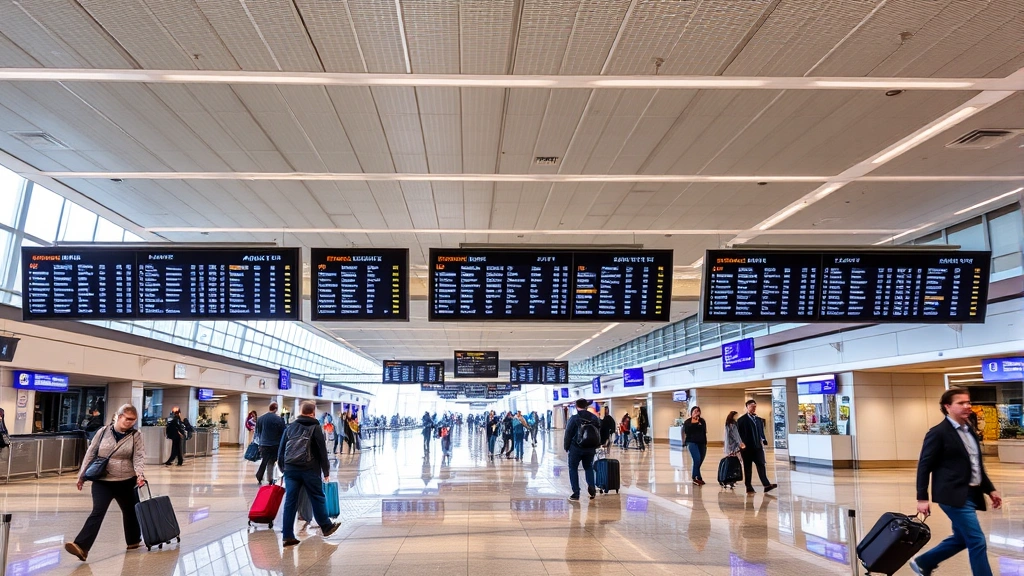
Standard Flight Duration NYC to London
Direct flights from New York City to London typically last 7 hours and 15 minutes to 8 hours and 30 minutes. The most common flight time you’ll encounter is approximately 7.5 hours. This measurement represents block time—the actual time from when the aircraft pushes back from the gate at JFK, LaGuardia, or Newark until it arrives at Gatwick, Heathrow, Stansted, or Luton airports in London.
The distance between NYC and London spans roughly 3,450 miles (5,550 kilometers) across the Atlantic Ocean. Commercial aircraft flying this route typically cruise at altitudes between 35,000 and 43,000 feet, where they can achieve optimal fuel efficiency and take advantage of favorable wind conditions. Major carriers operating this route include British Airways, American Airlines, United Airlines, Virgin Atlantic, and Norwegian Air.
It’s worth noting that flight time can vary slightly year to year and season to season. Summer flights might experience different wind patterns than winter flights, potentially adding or subtracting 15-30 minutes from your journey. When booking, always check the estimated flight duration on your airline’s website, as this reflects current conditions and scheduling.
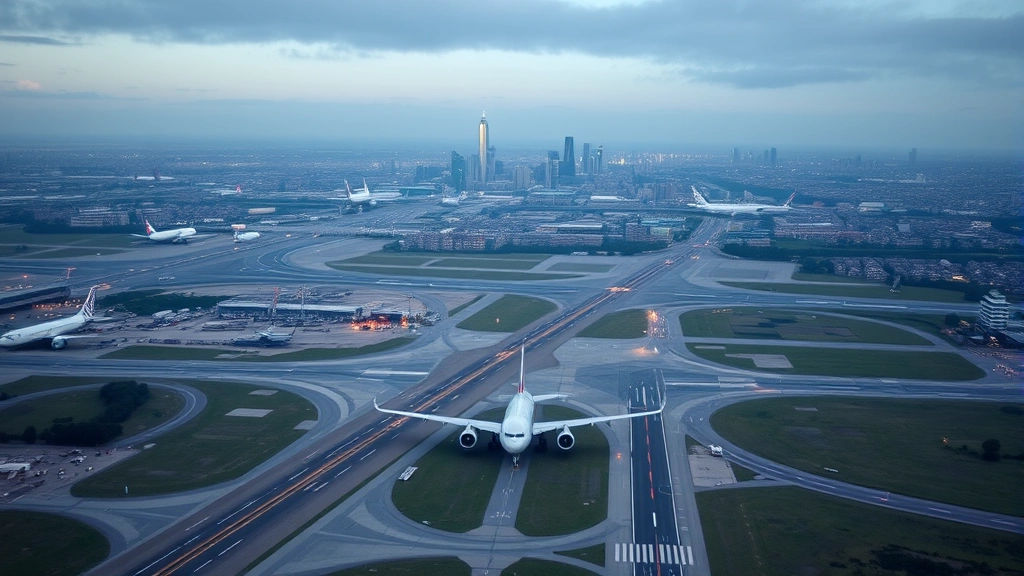
Factors Affecting Flight Time
Multiple variables influence how long your NYC to London flight actually takes. Understanding these factors helps explain why two flights on the same route might have different durations:
- Jet stream positioning: The most significant factor, potentially adding 30-45 minutes on eastbound flights or saving similar time on westbound routes
- Weather conditions: Storms, wind shear, or atmospheric pressure systems may require altitude adjustments or routing changes
- Air traffic control routing: Congestion at departure or arrival airports can affect actual flight paths and holding patterns
- Aircraft weight: Fuel load, cargo, and passenger count affect aircraft performance and cruise speed
- Departure time: Early morning departures might encounter different wind patterns than evening flights
- Maintenance and technical delays: Aircraft requiring preflight maintenance might depart later, affecting overall schedule
- Runway and taxiway conditions: Weather-related closures or maintenance work can extend ground time
Airlines factor these variables into their published flight times, which is why scheduled times typically include a 15-30 minute buffer. This flight information and travel tips resource provides additional context on how airlines calculate and publish flight durations.
Jet Stream Impact on Transatlantic Routes
The jet stream—a fast-flowing river of air in the upper atmosphere—profoundly affects transatlantic flight times. Located approximately 35,000 feet above the surface, the jet stream can reach speeds of 200+ miles per hour. For eastbound flights from NYC to London, aircraft fly against the jet stream, effectively reducing ground speed and extending flight time. Westbound flights benefit from a tailwind, significantly reducing flight duration.
A typical eastbound flight experiences a 30-45 minute longer flight time compared to a westbound return flight on the same route. For example, while your flight to London might take 8 hours, the return flight might complete in just 7 hours. This asymmetry is critical for travelers planning their schedules and managing fatigue expectations.
Pilots and flight planners closely monitor jet stream position and intensity when planning transatlantic routes. Sometimes, aircraft will fly at different altitudes or slightly different paths to find more favorable wind conditions. The Federal Aviation Administration (FAA) publishes detailed wind forecasts that help airlines optimize routing and fuel efficiency.
During winter months, the jet stream typically strengthens and shifts southward, which can significantly impact flight times. Summer jet streams are often weaker and positioned more northerly, resulting in more consistent flight durations throughout the season.
Airport Options and Variations
Both New York City and London offer multiple airport options, and your choice affects total travel time. Understanding these variations helps optimize your journey:
NYC Area Airports:
- John F. Kennedy International (JFK): The primary international hub, located in Queens, approximately 15 miles from Manhattan. Most major transatlantic carriers operate from here.
- Newark Liberty International (EWR): Located in New Jersey, about 20 miles from Manhattan. Increasingly popular for transatlantic routes, particularly with United Airlines.
- LaGuardia (LGA): Primarily domestic focus, though some international flights operate here. Generally less convenient for London flights.
London Area Airports:
- London Heathrow (LHR): The largest and most central airport, located 15 miles west of central London. Most prestigious airlines operate here.
- London Gatwick (LGW): South of London, approximately 30 miles from central London. Excellent rail connections make it convenient despite distance.
- London Stansted (STN): Northeast of London, served by budget carriers and some full-service airlines.
- London Luton (LTN): North of London, increasingly popular with European and transatlantic carriers.
The actual flight time between airports remains relatively consistent (7-8.5 hours), but ground transportation times differ significantly. A flight to Heathrow might get you into central London faster than a flight to Stansted, despite similar air time.
Airline Differences and Aircraft Types
Different airlines and aircraft types can affect your flight experience and duration. Most transatlantic routes operate with modern wide-body jets designed for long-haul efficiency:
Common Aircraft on NYC-London Routes:
- Boeing 777: Cruises at approximately 490 knots, popular with American, United, and British Airways
- Boeing 787 Dreamliner: Slightly faster cruising speeds, improved fuel efficiency, operated by multiple carriers
- Airbus A350: One of the newest long-haul aircraft, featuring advanced aerodynamics and passenger comfort features
- Airbus A330: Reliable workhorse for transatlantic routes, operated by several carriers
While aircraft type doesn’t dramatically alter flight time (differences typically amount to 5-10 minutes), newer aircraft like the 787 and A350 are engineered for slightly better efficiency and speed. These aircraft also feature improved cabin pressure and humidity systems, which can help reduce jet lag effects.
Different airlines also employ varying cruise speeds and routing strategies. Some carriers might prioritize fuel efficiency over speed, while others optimize for schedule reliability. When comparing flight options on other routes, you’ll notice similar variations based on airline strategy.
Connecting Flights and Layovers
While direct flights dominate the NYC-London market, some travelers book connecting flights for various reasons—lower fares, preferred airlines, or schedule preferences. Connecting flights significantly extend total travel time:
- One-stop connections: Total travel time typically ranges from 12 to 16 hours, depending on layover duration (usually 2-4 hours)
- Two-stop connections: Total travel time can exceed 18-20 hours, making these options impractical for most leisure travelers
- Hub considerations: Connecting through Dublin, Shannon, or European hubs might offer cheaper fares but significantly extends journey time
For most travelers, the direct flight advantage is substantial. Even with a modest price premium, avoiding a 3-4 hour layover makes direct flights more attractive. Plus, direct flights reduce baggage handling concerns and connection stress. Check similar flight duration analysis for other long-haul routes to understand how layovers impact overall journey times.
Jet Lag Management for Eastbound Travelers
Flying eastbound from NYC to London means crossing 5 time zones, with London being 5 hours ahead. You’ll arrive in the afternoon (local London time) after an overnight flight, but your body thinks it’s still morning. Managing jet lag effectively makes a significant difference in your London experience:
Before Your Flight:
- Gradually shift your sleep schedule 2-3 days before departure, going to bed earlier than usual
- Increase light exposure in morning hours to reset your circadian rhythm
- Stay hydrated and limit caffeine 24 hours before flight time
During Your Flight:
- Set your watch to London time immediately after takeoff
- Avoid heavy meals and excessive alcohol, which disrupt sleep quality
- Try to sleep during the flight’s nighttime hours (London time), even if it’s daytime where you departed
- Move around the cabin periodically to maintain circulation
- Use compression socks to reduce deep vein thrombosis risk on long flights
After Arrival:
- Spend time outdoors in natural light, particularly in late afternoon hours
- Resist napping, even if exhausted—stay awake until normal London bedtime
- Eat meals according to London time to help reset your internal clock
- Stay hydrated throughout your first day
Most travelers adjust to London time within 2-3 days. The 8-hour flight duration provides adequate time for some sleep, which helps minimize jet lag severity compared to even longer flights to Asia.
Booking Tips for Optimal Flight Times
Smart booking strategies can enhance your NYC to London experience:
Timing Considerations: Evening departures from NYC (around 6-8 PM) work well for many travelers, allowing you to arrive in London mid-to-late afternoon (local time). This timing lets you complete airport procedures, reach your hotel, and stay awake until a reasonable bedtime, helping reset your circadian rhythm.
Seasonal Variations: Summer flights might experience longer durations due to jet stream positioning, while winter flights could be shorter. However, winter weather can cause delays, so summer’s reliability often outweighs slightly longer flight times.
Airline Selection: Consider airlines with strong transatlantic reputations. IATA-member airlines maintain strict safety and scheduling standards. Read reviews focusing on long-haul comfort, meal quality, and in-flight entertainment.
Advance Planning: Book flights 2-3 months in advance for better prices and schedule options. Last-minute bookings often result in less convenient times or higher fares.
Baggage Allowances: Transatlantic flights typically offer generous baggage allowances (usually 2 checked bags for full-service carriers). Verify allowances when booking, as baggage fees vary significantly.
Check the UK government travel guidance for current entry requirements, visa information, and travel advisories before finalizing your booking.
Understanding flight duration is just the beginning. Factors like airport choice, airline selection, jet lag management, and booking timing all contribute to your overall transatlantic travel experience. With proper planning and realistic expectations about the 7-8 hour journey, you’ll be well-prepared for your NYC to London adventure.
FAQ
How long exactly is the flight from New York to London?
Direct flights from NYC to London typically take 7 hours 15 minutes to 8 hours 30 minutes, with 7.5 hours being the most common duration. The exact time depends on jet stream conditions, specific airports used, and weather patterns.
Why are eastbound flights longer than westbound?
Eastbound flights (NYC to London) fly against the jet stream, which reduces ground speed and extends flight time by 30-45 minutes. Westbound return flights benefit from a tailwind, making them faster despite flying the same distance.
What’s the shortest possible flight time NYC to London?
Under ideal conditions with strong tailwinds (rare on eastbound routes), flights might complete in 7 hours. More realistically, expect 7.5-8 hours as standard. Westbound return flights can occasionally complete in 6.5-7 hours with favorable jet stream positioning.
Do different airlines have different flight times?
Flight times are primarily determined by distance, wind conditions, and air traffic control routing rather than airline. However, aircraft type and cruise speed preferences might create small variations (5-10 minutes) between carriers.
Is it worth taking a connecting flight for cheaper fares?
Generally no. Connecting flights add 12-16 hours to your journey for modest savings. Direct flights cost more but save significant time and hassle. For leisure travelers, the convenience premium is worth the cost difference.
When is the best time to fly NYC to London to minimize jet lag?
Evening departures (6-8 PM from NYC) that arrive mid-afternoon in London work well for most travelers. This timing allows you to stay awake until reasonable London bedtime, helping reset your circadian rhythm faster.
What should I do to prepare for an 8-hour flight?
Wear comfortable clothing, bring compression socks, stay hydrated, limit alcohol and caffeine, and plan to sleep during the flight’s nighttime hours (London time). Bring entertainment for the remaining hours—books, movies, or work projects help pass time comfortably.
Are there seasonal differences in flight duration?
Jet stream intensity and position vary seasonally, potentially adding or subtracting 15-30 minutes from flight time. Winter jet streams are typically stronger, affecting flight times more dramatically. However, summer’s more consistent conditions often provide better reliability despite slightly longer average times.