JetBlue’s Boston Landing: Insider Insights
Boston Logan International Airport stands as one of America’s busiest and most strategically important aviation hubs, welcoming millions of passengers annually from carriers like JetBlue Airways. The airline’s operations at Logan represent a fascinating intersection of modern aviation logistics, passenger experience excellence, and Northeast regional connectivity. Understanding how JetBlue manages its Boston operations provides valuable insights for frequent flyers, travel enthusiasts, and anyone seeking to optimize their air travel experience through this major gateway.
JetBlue’s presence at Boston Logan has evolved significantly since the airline first established operations in the region. As one of the Northeast’s premier carriers, JetBlue has invested heavily in terminal infrastructure, ground operations, and customer service protocols that make Boston a cornerstone of their network strategy. The airline’s commitment to reliability and on-time performance at Logan reflects broader operational excellence that extends across their entire route network.
Understanding Boston Logan’s Infrastructure
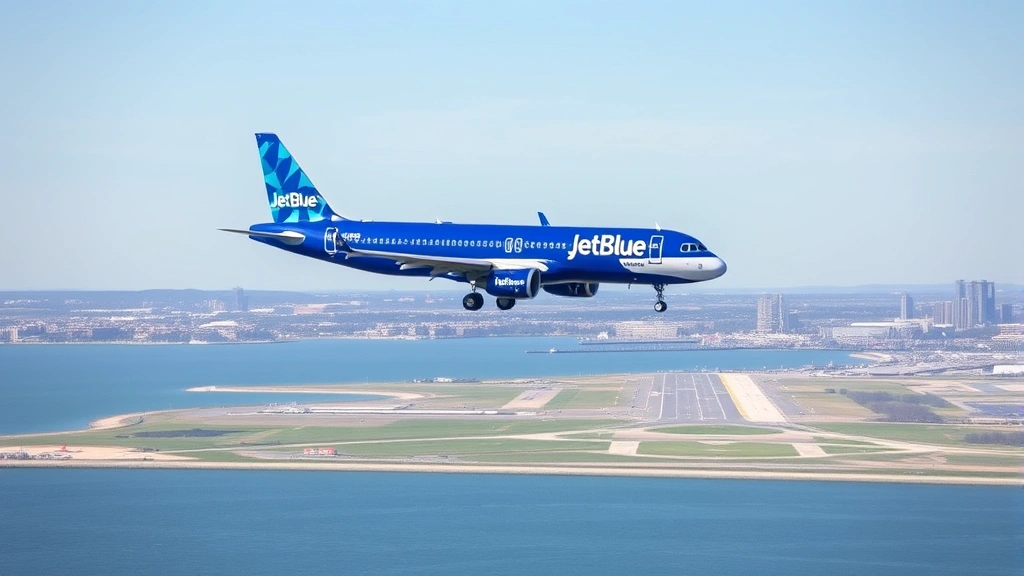
Boston Logan International Airport occupies a unique position in American aviation, situated on an island in Boston Harbor with complex airspace constraints and operational considerations. The airport features four parallel runways arranged in a distinctive configuration that requires specialized approach procedures and landing techniques. Understanding this geography proves essential for comprehending how airlines like JetBlue optimize their operations at this challenging but strategically vital facility.
The runway configuration at Logan includes two primary landing strips and two additional runways, each with specific operational parameters and weather-dependent usage patterns. JetBlue pilots and crew members receive specialized training for Boston operations, ensuring they can navigate the airport’s unique approach corridors and runway assignments efficiently. The airport’s location near water creates distinctive wind patterns and visibility considerations that experienced pilots must account for during approach and landing sequences.
Logan’s capacity limitations and slot restrictions mean that airlines must operate with precision timing and coordination. JetBlue’s scheduling at Boston reflects careful optimization of gate assignments, ground time, and turnaround operations. The airport’s terminal infrastructure has undergone significant modernization in recent years, with improvements designed to enhance passenger flow and reduce congestion during peak travel periods.

JetBlue’s Terminal Operations and Facilities
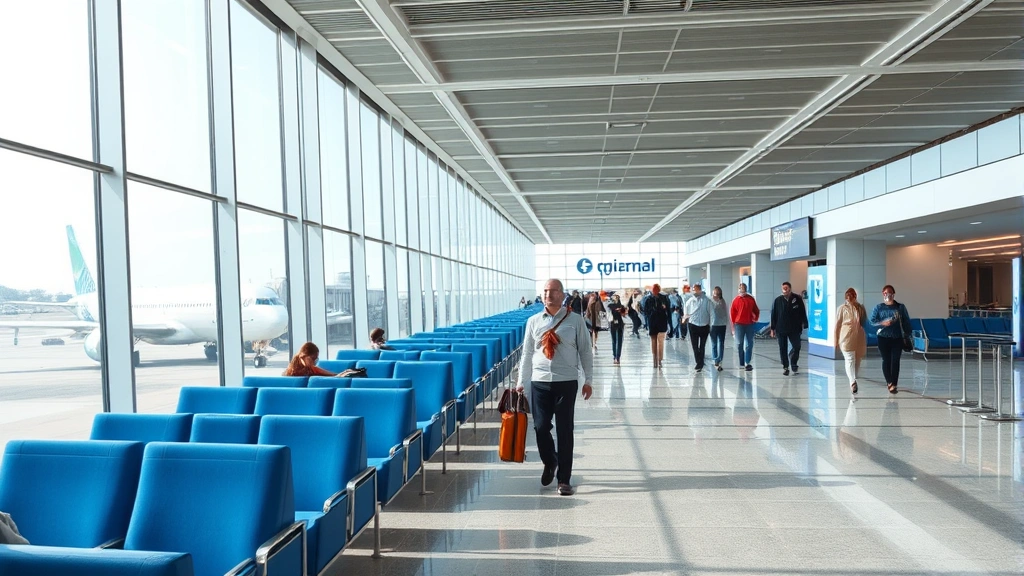
JetBlue operates primarily from Terminal C at Boston Logan, a modern facility featuring updated amenities, dining options, and passenger services. The terminal represents a significant investment in customer experience, with features designed to streamline check-in, security, and boarding processes. Airline reviews and ratings frequently highlight JetBlue’s Boston terminal operations as among the best in the region, reflecting the carrier’s commitment to service excellence.
The terminal features multiple ticket counters, self-service kiosks, and mobile check-in options that allow passengers to process travel documents efficiently. JetBlue’s gate assignments within Terminal C typically cluster related flights, minimizing passenger confusion and reducing walking distances. The airline’s crew rest facilities and operational infrastructure support the airline’s ability to maintain consistent scheduling and minimize delays caused by logistical constraints.
Security screening at Terminal C operates with multiple lanes and advanced screening technology, designed to process the high volume of passengers characteristic of Boston operations. JetBlue passengers benefit from TSA PreCheck and Clear options that can significantly reduce security wait times, particularly during peak travel periods. The terminal’s layout facilitates smooth passenger flow from arrival halls through baggage claim and ground transportation areas.
Flight Operations and Landing Procedures
JetBlue’s Airbus A320 and A321 aircraft represent the primary equipment utilized on Boston routes, providing excellent fuel efficiency and passenger capacity for regional and transcontinental operations. These narrow-body jets perform exceptionally well on the approach vectors required at Logan, with responsive handling characteristics that allow pilots to execute precise landings on the airport’s runways. The flights from Houston to New York region often connect through Boston, with JetBlue providing crucial link flights that feed traffic into the Northeast network.
Landing procedures at Boston Logan involve specific approach corridors and descent profiles mandated by air traffic control. Pilots must navigate precise altitudes and heading assignments while accounting for Boston Harbor’s water-based terrain and surrounding urban development. The standard instrument approach procedures at Logan require familiarity with specific waypoints, descent rates, and landing configurations that JetBlue crews practice regularly through both simulator training and actual operations.
Wind conditions at Boston can present challenges, particularly during nor’easters and Atlantic coastal weather systems. JetBlue crews receive comprehensive training on crosswind handling and go-around procedures should landing conditions exceed safe operating parameters. The airline’s operations center monitors weather conditions continuously, providing real-time updates to flight crews and adjusting arrival procedures as needed to maintain safety and on-time performance.
The grass landing reference in regional aviation discussions often relates to emergency procedures and alternative landing surface considerations. While Boston Logan features paved runways exclusively, understanding emergency procedures represents a fundamental aspect of aviation safety training. JetBlue’s comprehensive safety protocols ensure crews can respond effectively to any operational contingency, from weather diversions to mechanical considerations.
Passenger Experience at Boston Hub
JetBlue has built a reputation for passenger-focused service that extends throughout their Boston operations. From initial booking through baggage claim, the airline prioritizes customer experience and operational transparency. Flight booking tips and tricks often recommend JetBlue for Boston routes, citing the airline’s competitive pricing and superior service quality compared to regional competitors.
Onboard amenities on JetBlue flights from Boston include complimentary snacks and beverages, free entertainment systems, and spacious seating configurations. The airline’s blue-themed cabin design creates a modern, welcoming environment that enhances passenger comfort during flights ranging from short regional hops to cross-country transcontinental journeys. Seat-back entertainment systems provide passengers with access to movies, television programming, music, and flight tracking features.
JetBlue’s customer service representatives at Boston Logan receive training emphasizing empathy, problem-solving, and passenger advocacy. The airline’s commitment to handling operational disruptions with transparency and passenger care has earned recognition from travel industry publications and consumer advocacy groups. When flights experience delays or cancellations, JetBlue crew members work to minimize inconvenience and provide clear communication regarding rebooking options and passenger entitlements.
Connectivity and Route Network
Boston serves as a crucial connection point within JetBlue’s broader Northeast network, with flights to major destinations including New York, Philadelphia, Washington DC, and Fort Lauderdale. The airline’s hub strategy emphasizes Boston’s position as a gateway for both originating passengers and connecting traffic. How long is the flight from New York to London represents a common question among Boston-area passengers considering transatlantic options, with many routing through New York’s JetBlue focus city.
JetBlue’s scheduling at Boston reflects careful coordination with crew availability, aircraft positioning, and passenger connection opportunities. The airline constructs flight schedules that enable efficient connections between regional and long-haul services, allowing passengers to reach worldwide destinations through Boston hub connections. This network architecture supports both business and leisure travel, with particular strength in Caribbean and Florida winter-season operations.
The airline’s partnership relationships with other carriers provide additional connectivity options for Boston passengers. While JetBlue maintains independence in scheduling and operations, strategic partnerships extend passenger reach beyond the airline’s direct network. Customers planning complex multi-city itineraries can leverage Boston’s position within JetBlue’s network to construct efficient routings across multiple destinations.
Weather Considerations and Operational Challenges
Boston’s maritime location subjects the airport to distinctive weather patterns throughout the year. Winter nor’easters can create significant operational challenges, with heavy snow, strong winds, and reduced visibility affecting flight operations. JetBlue maintains comprehensive weather monitoring protocols and decision-making frameworks that prioritize safety while minimizing unnecessary cancellations and delays.
Summer thunderstorms present different operational challenges, with convective activity potentially affecting approaches and requiring temporary runway closures. The airport’s air traffic control facility coordinates with airlines to manage traffic during periods of reduced capacity, utilizing holding patterns and flow control measures to maintain safety. JetBlue’s operational flexibility allows the airline to adjust routing and scheduling to accommodate weather-driven constraints while maintaining network integrity.
Seasonal weather patterns influence booking strategies and travel planning for Boston passengers. Understanding typical weather challenges during specific times of year helps travelers make informed decisions about travel timing and contingency planning. JetBlue’s online tools provide real-time weather information and flight status updates, empowering passengers to stay informed about conditions affecting their travel plans.
Ground Services and Turnaround Operations
JetBlue’s ground operations at Boston Logan represent a complex coordination of activities designed to minimize aircraft turnaround time while maintaining service quality. Baggage handling, aircraft cleaning, catering, and fuel services operate in carefully choreographed sequences that allow the airline to achieve rapid turnarounds between flights. Flight attendant salary information reflects the investment JetBlue makes in recruiting and retaining quality personnel who execute these critical ground operations.
Aircraft maintenance checks occur during scheduled maintenance windows, with JetBlue’s technical operations team conducting inspections and addressing any identified issues. The airline’s preventive maintenance philosophy emphasizes reliability and on-time performance, reducing the incidence of mechanical delays that affect passenger experience. Boston-based maintenance personnel receive specialized training on JetBlue’s aircraft types and operational procedures.
Gate management represents another critical component of Boston operations, with JetBlue working closely with airport authorities to secure optimal gate assignments. Efficient gate utilization reduces aircraft positioning time and allows the airline to serve more passengers with available equipment. The airline’s investment in ground infrastructure, including jet bridges and ground support equipment, facilitates smooth passenger boarding and deplaning processes.
Booking and Travel Tips for Boston Flights
Passengers seeking to optimize their JetBlue Boston travel experience should consider several strategic booking approaches. Checking JetBlue’s official website directly often provides the most current pricing and availability information, with opportunities to bundle airfare with ancillary services. The airline’s mobile application enables convenient seat selection, boarding pass retrieval, and real-time flight status monitoring.
Timing considerations significantly impact pricing and flight availability on Boston routes. Off-peak travel periods typically offer lower fares and reduced congestion, while peak travel times command premium pricing. Understanding seasonal demand patterns helps passengers make strategic booking decisions that balance cost savings with schedule preferences. SkyVoyage Hub Blog provides ongoing insights into flight trends and booking strategies that benefit frequent travelers.
Loyalty program membership through JetBlue’s TrueBlue program provides access to exclusive benefits, including priority boarding, baggage allowances, and mileage accumulation toward future travel. Frequent Boston travelers benefit substantially from program membership, earning rewards that reduce future travel costs. The program’s partnership network extends benefits across multiple airlines and travel partners, maximizing value for members.
Passengers should arrive at Boston Logan with sufficient time to navigate check-in, security screening, and boarding procedures. JetBlue recommends arriving two hours before domestic departures and three hours before international flights. During peak travel periods, arriving earlier provides additional buffer time and reduces stress associated with tight connections or unexpected delays.
Baggage policies and seat selection options vary based on fare class and loyalty status. Understanding these nuances before booking allows passengers to select appropriate fare products that align with their specific travel needs. JetBlue’s transparent pricing model displays all fees upfront, eliminating surprise charges during the booking process.
FAQ
What is JetBlue’s primary terminal at Boston Logan?
JetBlue operates primarily from Terminal C at Boston Logan International Airport, a modern facility featuring comprehensive passenger amenities, dining options, and service facilities designed to enhance the travel experience.
How often does JetBlue fly from Boston Logan?
JetBlue operates numerous daily flights from Boston Logan to destinations throughout the Northeast, Southeast, and across the continental United States. Flight frequency varies by season, with higher frequencies during peak travel periods and reduced schedules during off-season months.
What aircraft does JetBlue use on Boston routes?
JetBlue primarily operates Airbus A320 and A321 aircraft on Boston routes, with occasional larger aircraft on high-demand transcontinental and Caribbean services. These fuel-efficient narrow-body jets provide excellent performance characteristics for Boston’s operational environment.
How can I track my JetBlue flight status?
JetBlue’s mobile application and website provide real-time flight status tracking, including departure and arrival information, gate assignments, and operational updates. Passengers can also subscribe to SMS or email notifications for automatic updates regarding schedule changes or delays.
What are typical weather challenges at Boston Logan?
Boston experiences seasonal weather challenges including winter nor’easters with heavy snow and strong winds, summer thunderstorms with convective activity, and periodic fog during spring and fall transition months. JetBlue maintains comprehensive weather monitoring and contingency planning protocols to manage these conditions safely.
Does JetBlue offer connecting flights through Boston?
Yes, Boston serves as an important connection point within JetBlue’s network, with numerous opportunities to connect between regional and long-haul flights. The airline’s scheduling facilitates efficient connections, allowing passengers to reach worldwide destinations through Boston hub connections.
What baggage allowances apply to JetBlue Boston flights?
Baggage policies vary by fare class and loyalty status. Generally, JetBlue includes one free carry-on bag and one free personal item. Checked baggage allowances depend on fare type and TrueBlue membership status. Passengers should review specific baggage policies before booking to understand their entitlements.
How early should I arrive for JetBlue flights from Boston?
JetBlue recommends arriving two hours before domestic flights and three hours before international flights. During peak travel periods, arriving earlier provides additional buffer time for check-in, security screening, and boarding procedures.